

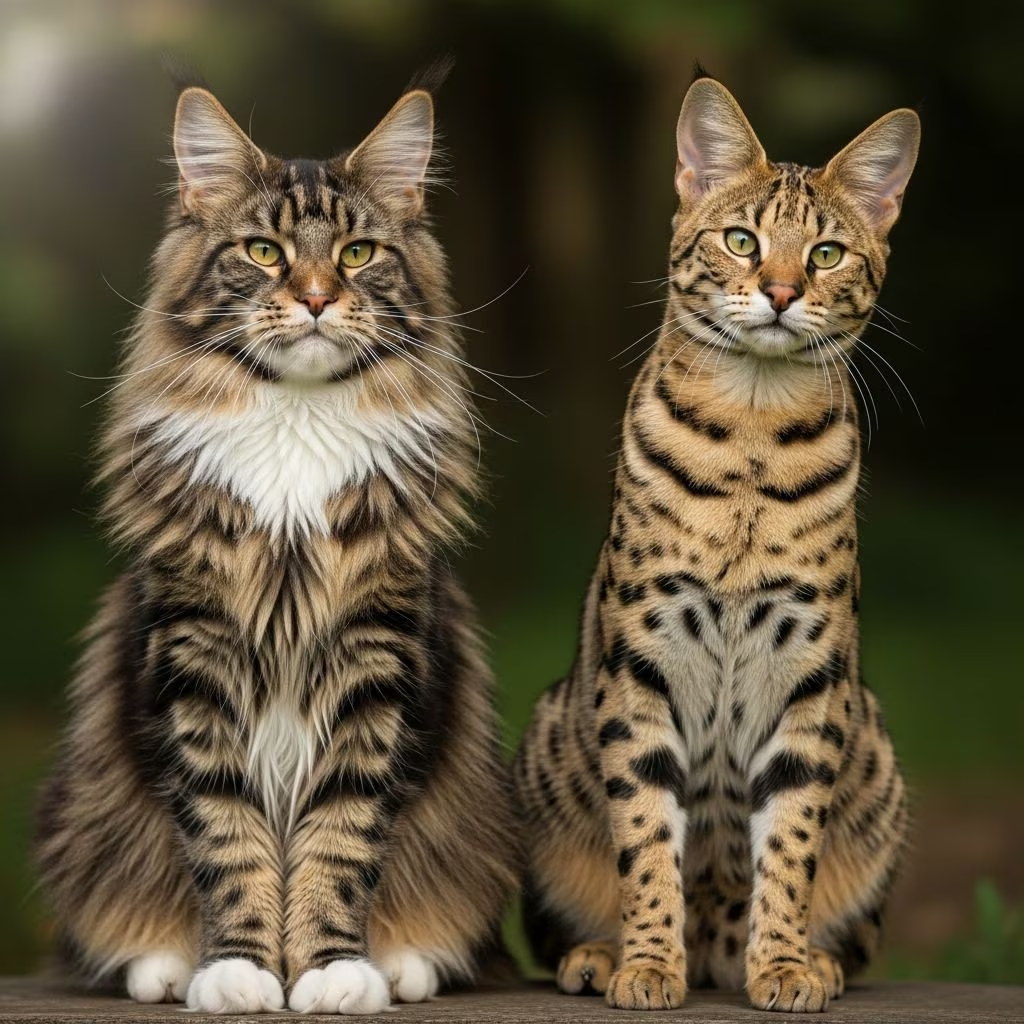
The prospect of combining two of the feline world’s most captivating breeds has intrigued cat enthusiasts for years. Maine Coons, with their impressive stature and gentle demeanor, and Savannah cats, known for their wild appearance and energetic personalities, represent distinct ends of the domestic cat spectrum. The question of whether these breeds can successfully interbreed touches on genetics, breed standards, and ethical breeding practices. Understanding the facts surrounding this topic requires examining both the technical possibility and the regulatory landscape governing cat breeding.
Understanding the Maine Coon Breed
The Maine Coon represents one of the largest domesticated cat breeds and carries a rich history originating in the northeastern United States during the nineteenth century. These cats embody several distinctive physical characteristics that make them instantly recognizable among cat enthusiasts. Their muscular frames, luxurious multi-layered coats, and prominent ear tufts contribute to their majestic appearance. Beyond their physical attributes, Maine Coons are renowned for their remarkably gentle nature and strong social inclinations. They form deep bonds with their human families and demonstrate dog-like loyalty that sets them apart from many other feline breeds. Their intelligence makes them highly trainable, and they enjoy interactive play and mental engagement throughout their lives.
Maine Coons thrive in family environments where they receive consistent attention and opportunities for social interaction. They are notably patient with children and adapt well to households with multiple pets. Their calm, laid-back temperament combined with their substantial size creates a compelling combination for potential owners seeking a gentle giant companion.
The Savannah Cat: Exotic Heritage and Dynamic Personality
Savannah cats represent a relatively modern development in feline breeding, created through deliberate crossing of domestic cats with the African serval, a wild feline species. This carefully controlled hybridization resulted in a cat that captures the aesthetic appeal of its wild ancestor while maintaining a domesticated temperament. Savannah cats possess an unmistakable appearance featuring distinctive spotted or striped coat patterns, elongated bodies, and characteristically large ears that echo their serval heritage. Their athletic build and dynamic presence make them visually striking companions.
The temperament of Savannah cats reflects their hybrid origins, manifesting as high energy levels, exceptional intelligence, and a strong desire for environmental enrichment. These cats demonstrate remarkable learning abilities and can be trained to perform tricks, walk on leashes, and respond to commands. Unlike many domestic cat breeds, Savannahs require substantial physical and mental stimulation to prevent destructive behaviors. Their playful and curious nature demands active engagement from their owners, making them ideal for households where human family members can dedicate significant time to interactive activities.
Technical Feasibility of Cross-Breeding
From a strictly biological standpoint, breeding a Maine Coon with a Savannah cat is technically possible. Both animals are domestic cats with compatible reproductive systems, and genetic pairing between individuals of different breeds can theoretically occur. However, the existence of technical possibility should not be confused with practical wisdom or ethical responsibility. While their reproductive compatibility suggests that pregnancy and live births could occur, this capability does not address the numerous complications and concerns that surround such breeding endeavors.
Creating a hybrid between these two breeds would involve bringing together genetic material from animals with vastly different evolutionary pressures and selective breeding histories. The Maine Coon’s genetics reflect centuries of adaptation to northeastern American climates and human selection for specific traits. Savannah cats, meanwhile, carry African serval genetics alongside domestic cat heritage, creating unique physiological characteristics. Merging these distinct genetic backgrounds introduces unpredictable outcomes regarding physical development, behavioral traits, and potential health complications.
Breed Registry Standards and Restrictions
The International Cat Association (TICA), recognized as one of the premier feline breed registries, maintains explicit standards governing which breed combinations are permitted within their registry system. These standards exist to protect breed integrity and ensure that cats meeting specific criteria can be properly documented and recognized. TICA’s policies explicitly prohibit outcrosses between registered breeds unless specifically permitted by individual breed standards. Neither the Maine Coon breed standard nor the Savannah breed standard includes provisions allowing crosses with the other breed.
This regulatory restriction means that any offspring resulting from Maine Coon and Savannah breeding would not qualify for registration with TICA. Such animals could not be shown in official TICA competitions, and their lineage could not be officially documented through the registry system. This lack of registration affects not only breeding records but also the cat’s eligibility for breeding programs and its status within the broader cat fancy community.
The reasoning behind these restrictions extends beyond administrative convenience. TICA’s policies are designed to maintain genetic stability within established breeds and prevent the propagation of undesirable genetic traits or health problems that might arise from uncontrolled crossbreeding. Breed standards represent the culmination of decades of selective breeding designed to optimize specific physical and behavioral characteristics while minimizing hereditary health issues.
Predicted Physical Characteristics of a Theoretical Mix
Speculation about the appearance of a Maine Coon-Savannah hybrid reveals intriguing possibilities while highlighting the unpredictability of such crossing. A hypothetical offspring might inherit the Maine Coon’s substantial musculature and luxurious coat while receiving the Savannah’s distinctive spotted or striped markings. The resulting cat would likely be exceptionally large, potentially combining the Maine Coon’s already impressive size with the Savannah’s elongated skeletal structure and athleticism. The final appearance would depend on which parental traits expressed dominantly during fetal development and how genes from each parent interacted.
Coat characteristics would present interesting variables. The Maine Coon’s thick, weather-resistant double coat differs significantly from many Savannah coat types. Depending on which parent contributed dominant coat genes, the offspring might display unexpected textures or patterns. Some individuals might develop the Maine Coon’s substantial mane and ear tufts while sporting Savannah-style spotted markings—a combination rarely seen in established breeds.
Facial structure would likely reflect a compromise between the Maine Coon’s rounded features and expressive eyes and the Savannah’s more angular face with distinctive large ears. The resulting appearance could resemble a large, exotic-looking domestic cat unlike any standardized breed.
Behavioral and Temperamental Considerations
The temperamental characteristics that such a hybrid might display present concerns beyond aesthetics. Maine Coons are known for their patient, gentle dispositions and moderate energy levels, while Savannahs exhibit high energy, strong prey drive, and demanding stimulation requirements. A hybrid combining these traits unpredictably could inherit the Maine Coon’s social gentleness alongside the Savannah’s intense activity requirements, or conversely, might display incompatible behavioral traits that create management challenges.
Energy level compatibility between parent breeds becomes particularly important in a hybrid. An animal inheriting the Maine Coon’s calm nature but the Savannah’s high-energy genetics might experience frustration or behavioral problems. Conversely, a cat with Savannah intelligence but Maine Coon restraint might become bored or lethargic. The unpredictability of behavioral inheritance represents a significant concern when considering the welfare of potential offspring.
Health and Genetic Concerns
One of the primary reasons breed registries prohibit uncontrolled outcrossing relates to health implications. When two genetically distinct populations interbreed, recessive genetic conditions from both parents can potentially express in offspring, creating health issues that neither parent would typically display. Maine Coons and Savannahs each carry breed-specific predispositions to certain health conditions. Maine Coons are prone to hypertrophic cardiomyopathy, a heart condition, and polycystic kidney disease. Savannahs may experience hip dysplasia and other orthopedic concerns.
A hybrid combining these genetic lineages might develop unexpected health complications arising from the interaction of different genetic backgrounds. Without careful genetic screening and controlled breeding practices, health risks would be substantially elevated. Responsible breeders prioritize health screening and genetic testing; however, the novel nature of such a cross would make predicting outcomes extremely difficult.
Ethical Breeding Considerations
Beyond technical and regulatory concerns, ethical questions surround deliberate creation of hybrid cats. Responsible breeding requires careful consideration of whether breeding serves the animals’ welfare and produces cats capable of thriving in appropriate home environments. Creating a cat with potentially incompatible behavioral traits or unpredictable health outcomes raises ethical concerns about whether such breeding serves the animals’ best interests or merely human curiosity.
Established breeds represent the culmination of selective breeding work designed to produce animals with predictable, stable characteristics suited to domestic living. Deliberately creating novel hybrids without clear breeding objectives or health considerations moves away from these principles. Most cat breeders and breed associations emphasize that responsible breeding serves established breed standards and health preservation rather than experimental combination of unrelated breeds.
Exploring Alternative Breeds
Prospective cat owners drawn to Maine Coons’ gentle nature and Savannahs’ exotic appearance can find appealing alternatives within established breeds. Several breeds combine desirable characteristics from both parent breeds without requiring novel hybridization.
Bengal cats offer exotic appearance similar to Savannahs, with distinctive spotted or marbled coats and athletic builds. They combine wild-looking aesthetics with domestic temperaments and form strong bonds with their families. Bengals possess the intelligence and playfulness of Savannahs while typically being somewhat less demanding in energy requirements.
Abyssinian cats display striking appearance and energetic, playful personalities aligned with Savannah characteristics. Their ticked coats, slender builds, and active nature appeal to owners seeking exotic-looking cats with engaging temperaments. Abyssinians remain affectionate despite their high energy levels.
Norwegian Forest Cats appeal to those preferring Maine Coon-like characteristics. These large, fluffy cats possess gentle natures, substantial size, and luxurious coats similar to Maine Coons. They form strong family bonds and display calm, adaptable temperaments.
Turkish Vans and Maine Coons themselves remain excellent choices for owners seeking gentle giants with interactive, loyal personalities. Rather than pursuing uncertain hybrids, selecting from existing breeds with well-documented characteristics and established health screening practices represents a more ethical approach to cat ownership.
Current Breeding Developments
While breed registries maintain firm restrictions on Maine Coon-Savannah crosses, some independent breeders outside registry systems have reportedly undertaken such breeding efforts. These experimental programs operate outside regulatory oversight and breed standard guidelines. While such breeders may report positive results with individual animals, the absence of standardized breeding protocols, health screening requirements, and genetic documentation means outcomes remain unpredictable and difficult to assess objectively.
Independent breeding of such hybrids typically lacks the transparency and accountability that established breed registries provide. Without formal documentation, health testing requirements, or adherence to breed standards, assessing the true success or welfare implications of such breeding becomes difficult. Prospective owners considering non-registered hybrids face increased uncertainty regarding genetic backgrounds, health histories, and temperamental predictability.
Frequently Asked Questions
Can Maine Coons and Savannahs live together harmoniously?
Yes, these breeds can coexist peacefully in the same household. Both possess social personalities and similar play-oriented temperaments. Their comparable energy levels and gentle dispositions often result in positive relationships, though individual personalities always vary. Proper introduction procedures and adequate resources for each cat promote successful cohabitation.
Are there any registered Maine Coon-Savannah hybrids?
No registered hybrids exist within TICA or major breed registries. Breed standards explicitly prohibit these crosses from being recognized or registered. Any hybrids would fall outside official registry systems and remain unrecognized within formal cat fancy organizations.
What makes Maine Coons different from Savannahs?
Maine Coons are large, fluffy cats with calm temperaments originating from North America. Savannahs are athletic, spotted cats with high energy levels resulting from African serval hybridization. Physically and temperamentally, they represent quite different breeding objectives and genetic backgrounds.
Would a Maine Coon-Savannah mix be healthy?
Health outcomes for any such hybrid would be unpredictable. Combining distinct genetic lineages introduces risks of recessive genetic conditions expressing in offspring. Without controlled breeding practices and extensive health screening, health complications would be likely. Responsible breeders prioritize proven breeds with established health screening protocols.
Where can I find ethical alternatives to this hybrid?
Bengal cats, Abyssinians, Norwegian Forest Cats, and other established breeds combine appealing characteristics from both Maine Coons and Savannahs. Reputable breeders specializing in these established breeds can provide cats with documented pedigrees, health screening, and predictable temperaments. Rescue organizations and shelters also contain wonderful cats awaiting adoption.
Conclusion: Making Informed Choices
While Maine Coon and Savannah cats possess appealing qualities that might seem complementary in a hybrid, the technical possibility of such breeding should not overshadow the practical, ethical, and regulatory realities. Breed registries restrict such crosses specifically to protect animal welfare and maintain genetic stability. Prospective owners seeking combinations of Maine Coon gentleness and Savannah exoticism can find satisfaction through established breeds offering similar characteristics with proven health records and predictable temperaments.
Responsible cat ownership involves selecting animals from ethical sources using appropriate breeding practices. Whether choosing from established breeds or considering rescue animals, prioritizing animal welfare and health protection represents the most ethical approach to expanding your feline family.
References
- Is a Maine Coon Savannah Mix Possible? Uncovering the Facts — Hepper. Accessed January 2026. https://articles.hepper.com/is-a-maine-coon-savannah-mix-possible/
- The International Cat Association (TICA) Breed Standards — TICA Official Registry. https://www.tica.org/
- Maine Coon Health and Genetics Information — Maine Coon Guides. Accessed January 2026. https://mainecoonguides.com/savannah-cat-maine-coon-mix/
- Savannah Cat Community Discussion Forum — Savannah Cat Chat. Accessed January 2026. https://www.savannahcatchat.com/threads/savannahs-maine-coons-together.3683/



