

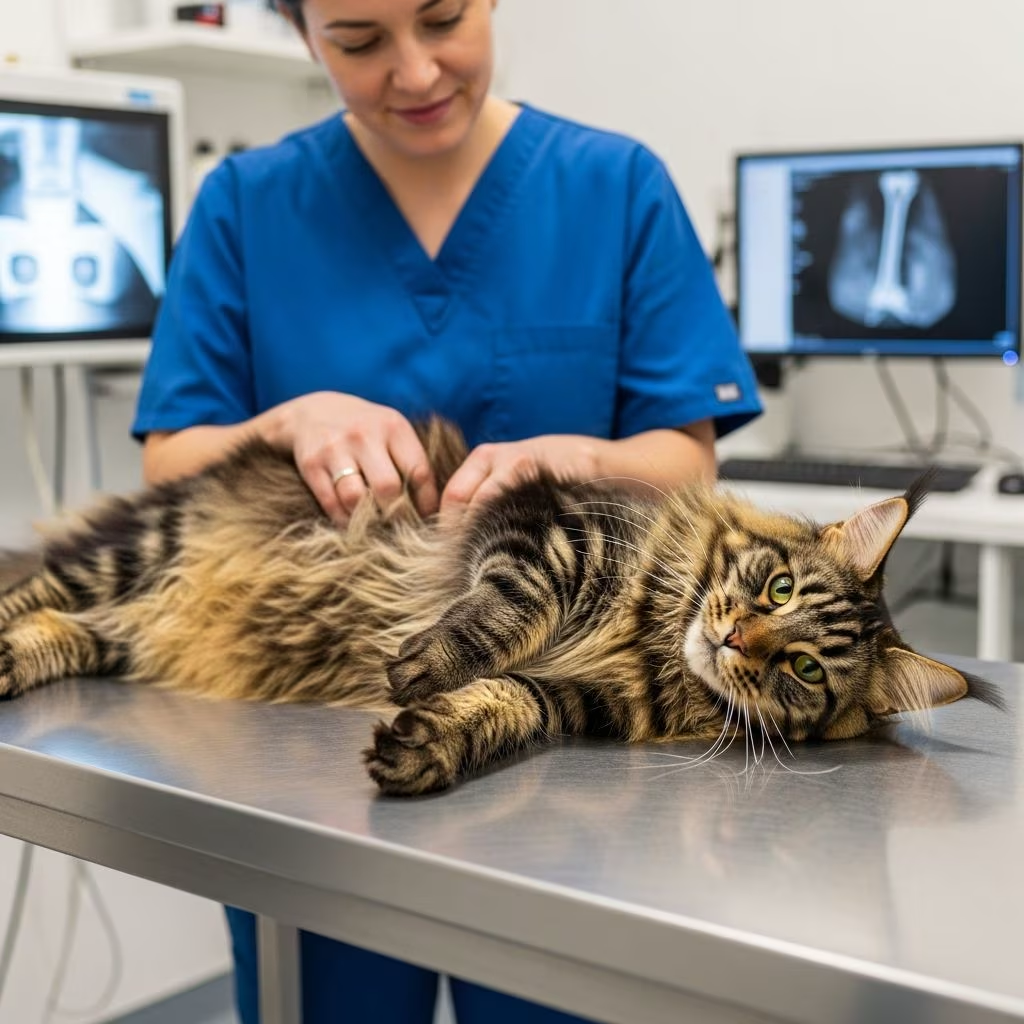
Maine Coons, known for their impressive size and gentle temperament, face a heightened risk of hip dysplasia, a condition where the hip joint fails to develop properly, leading to pain, instability, and eventual arthritis. This issue stems primarily from genetic factors combined with rapid growth and excess weight, making early detection and intervention crucial for maintaining their quality of life.
Understanding the Mechanics of Hip Dysplasia
The hip joint functions as a ball-and-socket mechanism, where the femoral head nests securely into the acetabulum of the pelvis for fluid movement. In hip dysplasia, this fit is imperfect—often too shallow or loose—causing the joint to grind rather than glide. Over time, abnormal pressure erodes cartilage, triggers inflammation, and prompts bone remodeling that stiffens the area, resulting in osteoarthritis. While rare in most felines, Maine Coons’ predisposition elevates concern, with studies indicating up to 37% showing some degree on radiographs.
This malformation often begins congenitally, with laxity allowing subluxation (partial dislocation). The body’s response—depositing extra bone—aims to stabilize but instead limits motion and intensifies discomfort. Unlike dogs, cats rarely show dramatic lameness early on, masking progression until advanced stages.
Genetic and Environmental Triggers in Maine Coons
Genetics play the starring role, as hip dysplasia clusters in lineages, particularly large breeds like Maine Coons, Persians, and Siberians. Breeders should screen parents via X-rays to curb inheritance. Environmental contributors amplify risk: rapid juvenile growth strains developing joints, while obesity multiplies force on hips—each extra pound accelerating wear.
- Genetic inheritance: Faulty joint formation passed from sires and dams.
- Excessive weight: Maine Coons can exceed 20 pounds, overburdening hips.
- Nutritional imbalances: Diets lacking balanced minerals hinder proper bone development.
- Fast growth spurts: Kittens bulking too quickly face malformed sockets.
Other factors like concurrent knee issues (e.g., patellar luxation) compound stress, hastening degeneration. Proactive breeding and kitten care—measured feeding, joint-supportive nutrition—mitigate these.
Spotting Subtle Indicators in Your Maine Coon
Cats excel at concealing pain, so owners must watch for behavioral shifts. Hindquarter weakness manifests gradually, often bilaterally, complicating detection. Key signals include:
- Stiff rising after naps or reluctance to leap onto furniture.
- Favoring rear legs or subtle limping, especially post-activity.
- Avoiding stairs, high perches, or play chases.
- Muscle wasting in thighs alongside a swaying gait.
- Hesitation entering litter boxes or pained vocalizations when touched near hips.
- Over-grooming hips or lower back from irritation.
General malaise—appetite dips, withdrawal, or litter avoidance—hints at chronic ache. Young adults may bunny-hop downstairs; seniors worsen with arthritis flares. If multiple signs align, prompt veterinary consult prevents escalation.
Veterinary Diagnosis: From Exam to Imaging
Diagnosis starts with a thorough history and physical: vets manipulate hips for laxity, gauge range, and note pain responses. Orthopedic exams reveal crepitus (grinding) or atrophy. Confirmatory X-rays, ideally under sedation for hip extension views, expose shallow acetabula, subluxation, or arthritic spurring. Advanced cases show femoral head remodeling.
Scoring systems, adapted from canine models, grade severity, though feline standards evolve. Rule out mimics like injuries or infections via bloodwork if needed. Early radiographic detection in asymptomatic cats guides breeding decisions.
| Diagnostic Stage | Methods | Findings |
|---|---|---|
| Clinical Exam | Palpation, gait analysis | Pain, laxity, muscle loss |
| Imaging | X-rays (PennHIP-style) | Shallow socket, OA changes |
| Advanced | CT/MRI (rare) | Precise cartilage damage |
Comprehensive Management Strategies
Treatment tiers from conservative to surgical, prioritizing pain relief and function preservation. No cure exists, but multimodal care halts progression.
Conservative Approaches
Weight optimization tops the list—slimming via portioned, high-protein diets eases joint load dramatically. Joint supplements (glucosamine, chondroitin, omega-3s) bolster cartilage, with evidence of slowed OA. Environmental tweaks: ramps over jumps, low-entry boxes, orthopedic beds reduce strain.
Pharmacologic Relief
NSAIDs like meloxicam curb inflammation; gabapentin soothes nerve pain. Adequan injections restore synovial health periodically. Always vet-prescribed to dodge GI risks.
Surgical Interventions
Severe cases demand options: Juvenile pubic symphysiodesis (under 18 weeks) reshapes pelvis; femoral head ostectomy (FHO) removes the ball for scar-tissue pseudo-joint, effective in cats; total hip replacement restores near-normalcy but costs more. Post-op physio accelerates recovery.
Preventive Measures for Maine Coon Owners
Breeding responsibly—X-raying all adults, selecting normal-hipped pairs—cuts incidence. Kittens thrive on controlled growth: small, frequent meals of premium, large-breed formulas rich in DHA/EPA. Maintain lean adult weight through play, puzzle feeders. Routine senior checks catch subclinical issues.
- Screen breeding cats annually.
- Monitor kitten weights weekly.
- Incorporate low-impact exercise like laser toys.
- Annual vet orthopedics for giants over 15 lbs.
Prognosis and Long-Term Outlook
With intervention, most Maine Coons regain comfort and activity. Mild cases thrive on lifestyle tweaks; advanced ones post-surgery often bunny-hop no more. Untreated, OA cripples mobility, but vigilant owners sustain happy, active lives into seniority. Regular monitoring ensures tailored adjustments as age advances.
Frequently Asked Questions
Is hip dysplasia fatal in Maine Coons?
No, it’s manageable lifelong, not life-threatening, though unmanaged pain diminishes welfare.
Can diet alone fix hip dysplasia?
Diet aids via weight control and nutrients but pairs with other therapies for efficacy.
At what age does it appear?
Often 1-5 years, though radiographs detect in kittens; symptoms may delay until middle age.
Should I breed a Maine Coon with mild dysplasia?
Avoid—genetic risk persists; prioritize clear-hipped lines.
How much does surgery cost?
Varies $1,500-$5,000+ USD; consult locally for quotes including rehab.
References
- Maine Coon Hip Dysplasia: Causes, Symptoms & Treatment Options — K9 Carts. 2023. https://k9carts.com/blogs/resources/maine-coon-hip-dysplasia
- Maine Coon – PDSA — People’s Dispensary for Sick Animals. 2024-01-15. https://www.pdsa.org.uk/pet-help-and-advice/looking-after-your-pet/kittens-cats/maine-coon
- Hip Dysplasia in Cats: Signs, Symptoms, Treatment — Long Beach Animal Hospital. 2024. https://lbah.com/feline/hip-dysplasia-in-cats/
- HD – Hip Dysplasia — Westeros Maine Coon. 2023-05-20. https://www.westeros.no/maine-coon/health/hd-hip-dysplasia/
- Hip Dysplasia in Cats — Cats.com. 2024-08-10. https://cats.com/hip-dysplasia-in-cats
- Hip Dysplasia in Cats: Symptoms and Treatment — PetMD. 2025-03-12. https://www.petmd.com/cat/conditions/musculoskeletal/c_ct_hip_dysplasia



