

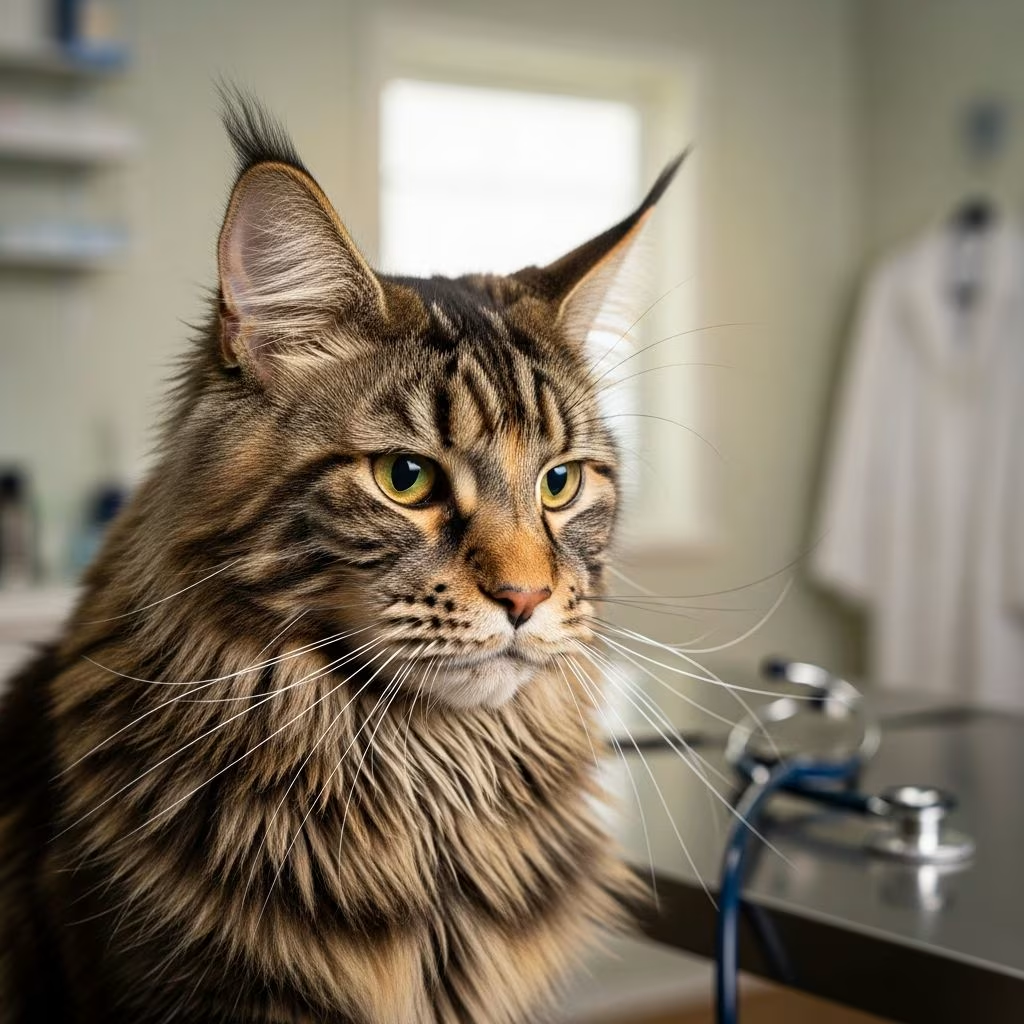
Maine Coon cats, known for their impressive size and sociable nature, are generally robust but prone to specific health concerns due to genetics and their large build. Understanding these risks enables owners to provide targeted care, potentially extending lifespan to 12-15 years or more.
Genetic Predispositions in Maine Coons
Many health issues in this breed stem from hereditary factors, which responsible breeders screen for through genetic testing. Early detection via veterinary screenings is crucial since some conditions manifest in kittenhood or later in life.
Hypertrophic Cardiomyopathy (HCM)
The most prevalent cardiac condition in Maine Coons, HCM involves thickening of the heart walls, impairing blood pumping efficiency. Approximately 30% of the breed carries the associated gene, leading to risks like irregular rhythms, heart failure, lung fluid accumulation, and blood clots.
- Labored breathing or rapid heartbeat
- Lethargy and unexplained weight loss
- Blue-tinted gums in advanced stages
- Sudden hind leg paralysis from clots
Management includes medications such as beta-blockers, ACE inhibitors, diuretics, and low-dose aspirin to mitigate clots. A sodium-restricted diet supports heart function; wet, protein-rich foods without grains are ideal.
Spinal Muscular Atrophy (SMA)
SMA results from a recessive gene causing progressive muscle wasting, typically evident by 3-4 months of age. Affected kittens exhibit hind leg weakness, wobbly gait, tremors, and jumping difficulties.
While not fatal, it progresses steadily. Indoor living minimizes injury risks, paired with supportive nutrition for muscle maintenance. Genetic screening in breeding prevents transmission.
Hip Dysplasia
This malformation of the hip joint, more common in large males, leads to laxity, pain, arthritis, and potential paralysis. Symptoms include limping, reluctance to jump, muscle atrophy in hindquarters, and a swaying walk.
Veterinary diagnosis via radiographs guides treatments from pain relief and supplements to surgery. Maintaining lean body weight reduces joint stress.
Oral and Dental Challenges
Maine Coons’ large mouths predispose them to stomatitis and gum diseases like gingivitis and periodontitis. These cause chronic inflammation, often linked to viruses, bacteria, or plaque buildup.
- Excessive drooling and halitosis
- Appetite loss with weight decline
- Painful eating, leading to unkempt fur
- Howling or pawing at the mouth
Diagnosis involves oral exams, X-rays, and blood tests to rule out systemic issues. Treatments range from antibiotics to tooth extractions. Prevention entails brushing 2-4 times weekly and grain-free diets.
Kidney and Urinary Concerns
Polycystic kidney disease (PKD) forms cysts that impair function, detectable early via ultrasound. Symptoms encompass increased thirst, urination, weight loss, and vomiting.
Renal failure, common in seniors, stems from toxins or genetics. Regular screenings before anesthesia and throughout life aid management with specialized diets and fluids.
Lifestyle-Linked Conditions
Beyond genetics, obesity from overfeeding carbs exacerbates diabetes, joint strain, and heart issues. Dental decay and patellar luxation also arise from poor habits.
| Condition | Causes | Symptoms | Prevention |
|---|---|---|---|
| Obesity/Diabetes | High-carb diets, inactivity | Thirst, urination, hunger despite weight loss | Portioned lean meats, exercise |
| Dental Disease | Poor hygiene, sugary foods | Bad breath, gum redness, tooth loss | Brushing, dental diets |
| Patellar Luxation | Joint stress in large cats | Limping, bunny-hopping gait | Weight control, vet checks |
Age-Related Health in Seniors
As Maine Coons age, arthritis, kidney decline, and hyperthyroidism emerge. Annual bloodwork, urinalysis, and dental checks detect issues early. Geriatric care emphasizes mobility aids, soft foods, and hydration.
Preventive Strategies for Optimal Health
Proactive ownership maximizes well-being:
- Breeder Selection: Choose those testing for HCM, SMA, PKD, and hip dysplasia.
- Diet: High-protein, low-carb wet food; avoid salt and grains.
- Exercise: Interactive play to combat obesity and joint issues.
- Vet Routine: Screenings from kittenhood, including echoes for hearts and rads for hips.
- Dental Care: Routine brushing and professional cleanings.
Frequently Asked Questions (FAQs)
How long do Maine Coons typically live?
With vigilant care, 12-15 years is average, some reaching 20.
Can HCM be cured in Maine Coons?
No cure exists, but medications and diet manage it effectively.
Is hip dysplasia common in female Maine Coons?
Less so than males due to size differences, but screening is advised.
What diet prevents most Maine Coon issues?
Protein-focused wet foods low in sodium and carbs.
Should I get pet insurance for a Maine Coon?
Yes, given hereditary risks, it covers diagnostics and treatments.
Daily Care Routine Table
| Age Group | Key Checks | Frequency |
|---|---|---|
| Kittens (0-1 yr) | SMA, PKD ultrasound, vaccines | Every 3-6 months |
| Adults (1-7 yrs) | Heart echo, hip rads, dental | Annually |
| Seniors (8+ yrs) | Bloodwork, kidneys, arthritis eval | Every 6 months |
References
- Maine Coon health problems—all you need to know — Untamed. 2023. https://untamed.com/blogs/cat-breeds/maine-coon-health-problems
- Maine Coon | Hudson Animal Hospital — Hudson Animal Hospital. 2024. https://www.hudsonanimalhospitalnyc.com/services/cats/breeds/maine-coon/
- Raising a Healthy Cat: Tips for a Happy Maine Coon — Sassy Koonz. 2023. https://sassykoonz.com/raising-healthy-cat/
- Health Issues Affecting Maine Coon Cats — PetCareRx. 2022. https://www.petcarerx.com/article/health-issues-affecting-maine-coon-cats/3471
- The Vet’s Guide to Maine Coons: Facts, Care, and Nutrition Guide — Vets Love Pets. 2024. https://vetslovepets.com.au/blogs/cat/maine-coon-breed-guide
- What to Know About a Maine Coon Cat — WebMD. 2023. https://www.webmd.com/pets/cats/what-to-know-about-maine-coon-cats
- Maine Coon Cats: Lifespan and End-of-Life Care — CodaPet. 2024. https://booking.codapet.com/senior-pet-care/maine-coon-cats-lifespan-and-end-of-life-care



