

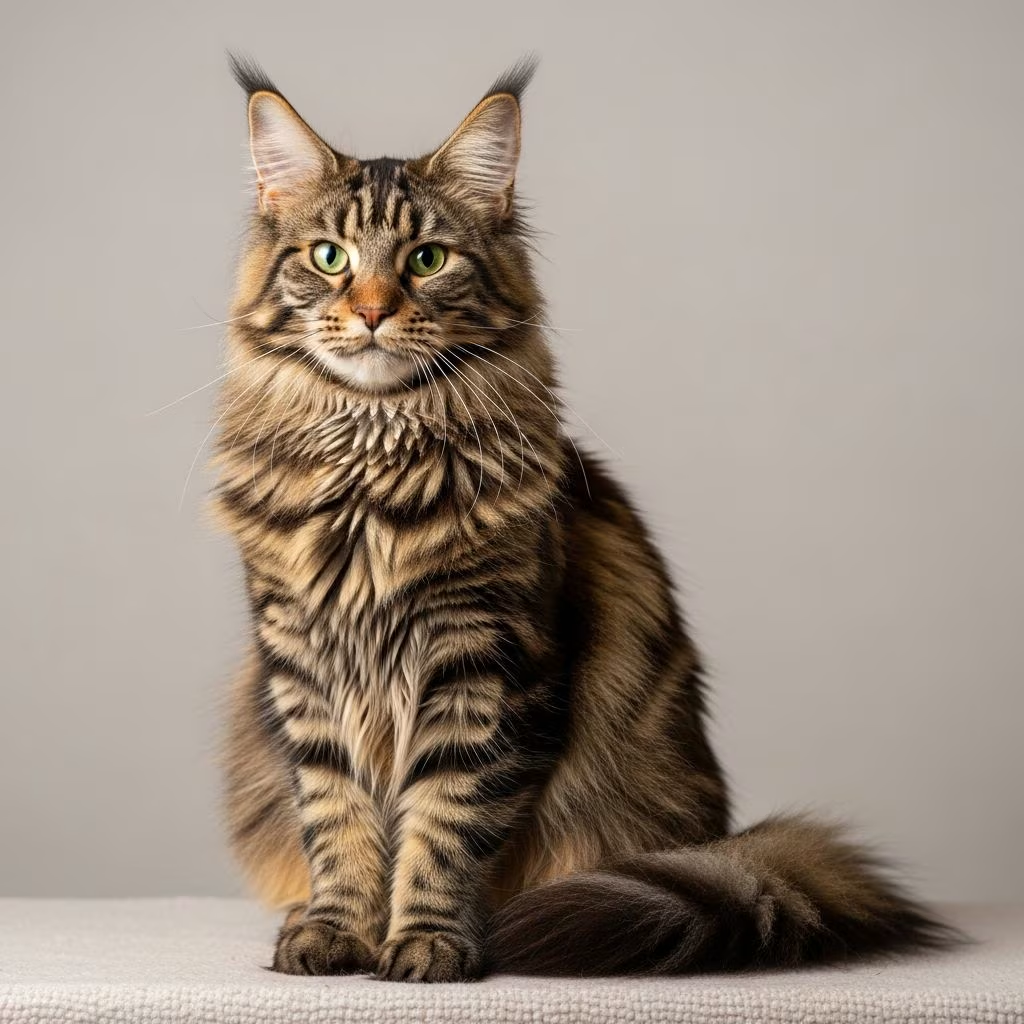
Maine Coons represent one of the largest domestic cat breeds, prized for their impressive size, gentle temperament, and striking appearance. However, their genetic makeup predisposes them to several inherited health conditions that prospective and current owners should understand. Unlike many random health issues that affect cats across all breeds, Maine Coons face specific genetic vulnerabilities passed down through their lineage. Recognizing these conditions early and implementing preventive measures can significantly enhance your cat’s quality of life and longevity.
The Foundation: Understanding Breed-Specific Vulnerabilities
Selective breeding practices have created the distinctive Maine Coon phenotype—their remarkable size, tufted ears, and luxurious coat. Unfortunately, this selective breeding has concentrated certain recessive genes within the breed’s gene pool, leading to increased prevalence of specific health disorders. These conditions manifest differently from acute illnesses; they develop progressively and often remain hidden until significant damage has occurred. Understanding this genetic reality is essential for any Maine Coon owner committed to providing comprehensive care.
The eight primary health concerns affecting Maine Coons include cardiac disease, neurological conditions, skeletal problems, dental disease, kidney dysfunction, metabolic disorders, joint issues, and genetic kidney disease. Each presents unique challenges and requires distinct management approaches.
Cardiac Complications: The Silent Threat
Hypertrophic Cardiomyopathy and Heart Function
Hypertrophic cardiomyopathy represents the most prevalent cardiac condition in Maine Coons, occurring when the heart muscle walls progressively thicken, compromising the organ’s ability to pump blood efficiently. This inherited condition often develops without obvious external symptoms, making early detection challenging. As the disease progresses, the thickened heart walls can trigger serious complications including irregular heart rhythms, congestive heart failure, fluid accumulation in the lungs, and potentially life-threatening blood clots.
Recognizing early warning signs requires vigilant observation. Pet owners should monitor for labored breathing, unexplained weight loss, blue-tinted gums, unusual lethargy, and in severe cases, hind leg paralysis. These symptoms typically manifest when cardiac function has already significantly deteriorated.
Diagnostic Approaches and Management Strategies
Early diagnosis through advanced cardiac imaging proves critical for managing this condition effectively. While no cure exists, various treatment modalities can extend your cat’s comfortable lifespan. Veterinarians typically prescribe medications including ACE inhibitors and beta-blockers like propranolol to regulate heart function and reduce workload. Diuretics help manage fluid buildup, while aspirin therapy prevents dangerous blood clots. Dietary modifications focusing on sodium restriction help reduce cardiac stress, working synergistically with prescribed medications.
Neurological Disorders: Neuromuscular Challenges
Spinal Muscular Atrophy: Progressive Motor Neuron Loss
Spinal muscular atrophy represents a hereditary neuromuscular condition caused by recessive genes, affecting the motor neurons that control muscle function. This progressive disorder destroys neurons in the lower spinal cord, causing progressive atrophy in the hind legs and compromising overall posture and mobility. Remarkably, while spinal muscular atrophy is serious, it is not fatal, and many affected Maine Coons live satisfying lives with appropriate care and environmental modifications.
Clinical signs typically emerge between three to four months of age, beginning with subtle postural changes that gradually become more apparent. Affected kittens display visible muscle loss in the hind legs, develop a wobbly or uncoordinated gait, assume unusual body postures, struggle with jumping abilities, and experience muscular tremors or involuntary contractions.
Living with Spinal Muscular Atrophy
Unlike some progressive diseases, the rate of deterioration varies significantly among affected cats. While you cannot reverse or slow disease progression, environmental management becomes crucial. Indoor housing minimizes injury risk from falls or conflicts. Providing accessible food and water bowls, low-sided litter boxes, and ramps or steps to favorite resting areas helps affected cats maintain independence and dignity. Veterinary monitoring ensures complications are addressed promptly, and quality nutrition supports overall health and muscle maintenance.
Skeletal and Joint Disorders
Hip Dysplasia: Structural Joint Abnormalities
Hip dysplasia involves malformation of the hip joint structures, causing progressive instability and cartilage degeneration. Although more commonly associated with large dog breeds, Maine Coons experience elevated prevalence compared to other cat breeds, with approximately 20% of the breed potentially susceptible. The malformed hip joints gradually deteriorate, eventually leading to arthritis and chronic pain.
Young Maine Coons typically show minimal signs of hip dysplasia, which complicates early detection. As degenerative changes progress into adulthood, cats may demonstrate reluctance to jump, climb, or assume normal postures, limping, stiffness, and reduced muscle mass in affected hindquarters with compensatory muscle development in the shoulders. Some cats display a characteristic swaying gait reflecting uneven weight distribution.
Diagnostic Confirmation and Treatment Options
X-ray imaging and radiographic examination confirm hip dysplasia diagnoses. Management approaches vary based on disease severity. Conservative treatment includes weight management—critical for reducing joint stress—joint supplements supporting cartilage health, and pain medications for comfort. Surgical interventions become necessary in severe cases to restore joint function or prevent further deterioration. Working with veterinarians experienced in Maine Coon health ensures appropriate screening and early intervention.
Patellar Luxation: Knee Joint Instability
Despite cats’ remarkable flexibility and jumping abilities, the patella (kneecap) can slip from its normal position, a condition called patellar luxation or kneecap dislocation. While Maine Coons can initially conceal this condition, observable symptoms include limping, difficulty with jumping, trouble climbing, and a distinctive skipping gait. Veterinary examination with physical manipulation and diagnostic imaging confirms diagnosis.
Dental and Oral Health Complications
Stomatitis: Beyond Simple Gum Disease
Maine Coons experience elevated rates of stomatitis, a severe inflammatory condition affecting oral soft tissues. This disorder develops when unchecked gingivitis progresses, and the cat’s immune system triggers chronic inflammation in response to plaque and bacterial accumulation. The resulting tissue swelling creates painful lesions that substantially impact eating and quality of life.
Clinical manifestations include excessive drooling, appetite loss with sudden weight decline, noticeably foul breath, food dropping or avoidance, unkempt coat appearance from reduced grooming, and vocalization during eating. These symptoms often progress rapidly and substantially impact nutritional intake.
Prevention and Diagnostic Approaches
Maintaining excellent oral hygiene provides the most effective prevention strategy. Regular professional veterinary dental care combined with home teeth brushing at least two to four times weekly helps prevent disease progression. X-rays, bloodwork, and oral cavity examination confirm stomatitis diagnoses. Important differential diagnoses must be ruled out, as similar symptoms can indicate feline leukemia, kidney disease, or immunodeficiency conditions.
Beyond stomatitis, Maine Coons demonstrate increased susceptibility to gingivitis and general dental disease. Their large mouths, while beautiful, can accumulate plaque and tartar more readily, requiring diligent preventive care and professional cleanings.
Kidney and Urinary Tract Disorders
Renal Failure and Kidney Dysfunction
Kidney function deteriorates when organs lose their capacity to filter waste products and regulate hydration. This critical dysfunction progresses silently, with symptoms often appearing only after substantial kidney tissue damage has occurred. While renal failure predominates in senior cats, genetic predisposition can affect younger Maine Coons unexpectedly. Even kittens can develop kidney problems with rapid symptom onset, requiring prompt veterinary screening for genetic factors.
The most effective protective strategy involves genetic screening to identify predisposing factors early, enabling preventive interventions and dietary management tailored to individual risk profiles.
Polycystic Kidney Disease: Cyst Development and Progression
Polycystic kidney disease represents a genetic condition where multiple cysts develop within kidney tissues. These cysts progressively enlarge over time, causing cumulative kidney tissue damage that eventually triggers kidney failure. Maine Coons carry significantly lower genetic risk for PKD compared to Persian cats and related breeds, though the condition still occurs within the breed.
Maine Coons can develop kidney cysts through mechanisms distinct from the Persian genetic pathway, representing a separate inherited vulnerability. Regular veterinary monitoring and early detection of cyst development enable proactive management to slow progression and maintain kidney function as long as possible.
Metabolic and Weight-Related Health Challenges
Obesity and Associated Complications
Maine Coons’ large breed size creates challenges in distinguishing healthy weight from problematic obesity. While their substantial frame requires adequate nutrition for proper body development and maintenance, excessive weight gain develops easily and causes cascading health consequences. Obesity predisposes Maine Coons to diabetes through insulin resistance, contributing to conditions requiring lifelong management.
Working collaboratively with your veterinarian to establish appropriate weight targets and feeding protocols proves essential. Establishing healthy weight baselines during youth enables comparison as cats age, facilitating early obesity detection. Exercise encourages calorie burning and maintains muscle tone, requiring interactive play sessions and environmental enrichment that stimulate natural feline behaviors.
Dietary Management and Nutritional Considerations
High-quality lean meats form the nutritional foundation for Maine Coon diets, providing essential amino acids and supporting muscle maintenance. Protein-based diets without excessive sugar, artificial colors, or meat derivatives promote oral health and metabolic function. For cats with cardiac conditions, low-sodium diet formulations specifically reduce cardiac workload. Wet food options often contain more appropriate moisture levels supporting kidney function and overall hydration status compared to dry kibble formulations.
Preventive Care and Responsible Breeding
Ethical Breeder Screening Practices
Responsible Maine Coon breeders conduct genetic screening for hypertrophic cardiomyopathy, hip dysplasia, and spinal muscular atrophy before breeding decisions. These health certifications reduce disease transmission to subsequent generations. When selecting a Maine Coon kitten, inquire about parental health testing, ask for documentation of screening results, and understand the breeder’s genetic disease management philosophy.
Comprehensive Veterinary Monitoring
Regular veterinary examinations enable early detection of emerging health issues before they progress significantly. Establish relationships with veterinarians experienced in Maine Coon health management, as breed-specific knowledge enhances diagnostic accuracy and treatment recommendations. Annual examinations for young adult cats increase in frequency for senior cats, transitioning to semi-annual assessments after age ten to monitor for age-related conditions including arthritis, kidney dysfunction, and dental deterioration.
Quality of Life Considerations
Diagnosis of genetic health conditions need not diminish your Maine Coon’s quality of life. Many affected cats thrive for years with appropriate medical management, environmental modifications, and owner dedication. Pain management, medication therapy, dietary adjustments, and lifestyle accommodations work synergistically to maintain comfort and engagement.
Creating an enriching indoor environment with accessible resting areas, manageable climbing structures, interactive toys, and human companionship supports mental wellbeing. Gentle handling, patient grooming, and consistent routine provide security and comfort, particularly important for cats managing chronic health conditions.
Conclusion: Informed Ownership and Health Advocacy
Maine Coons represent magnificent companions whose impressive size and gentle nature endear them to countless households. Understanding the genetic health vulnerabilities inherent to the breed empowers owners to provide proactive, comprehensive care that maximizes healthy lifespan and quality of life. Through responsible breeding practices, vigilant monitoring, appropriate dietary management, regular veterinary care, and prompt intervention when health concerns emerge, Maine Coon owners can navigate these genetic challenges successfully, ensuring their beloved cats enjoy full, satisfying lives despite potential inherited conditions.
References
- Maine Coon Cat Health Problems: 8 Vet-Reviewed Issues — Catster. Accessed January 29, 2026. https://www.catster.com/cat-health-care/maine-coon-cat-health-problems/
- Maine Coon health problems—all you need to know — Untamed. Accessed January 29, 2026. https://untamed.com/blogs/cat-breeds/maine-coon-health-problems
- Raising a Healthy Cat: Tips for a Happy Maine Coon — Sassy Koonz. Accessed January 29, 2026. https://sassykoonz.com/raising-healthy-cat/
- The Vet’s Guide to Maine Coons: Facts, Care, and Nutrition Guide — Vets Love Pets. Accessed January 29, 2026. https://vetslovepets.com.au/blogs/cat/maine-coon-breed-guide
- Maine Coon Cats: Lifespan and End-of-Life Care — CodaPet. Accessed January 29, 2026. https://booking.codapet.com/senior-pet-care/maine-coon-cats-lifespan-and-end-of-life-care



