

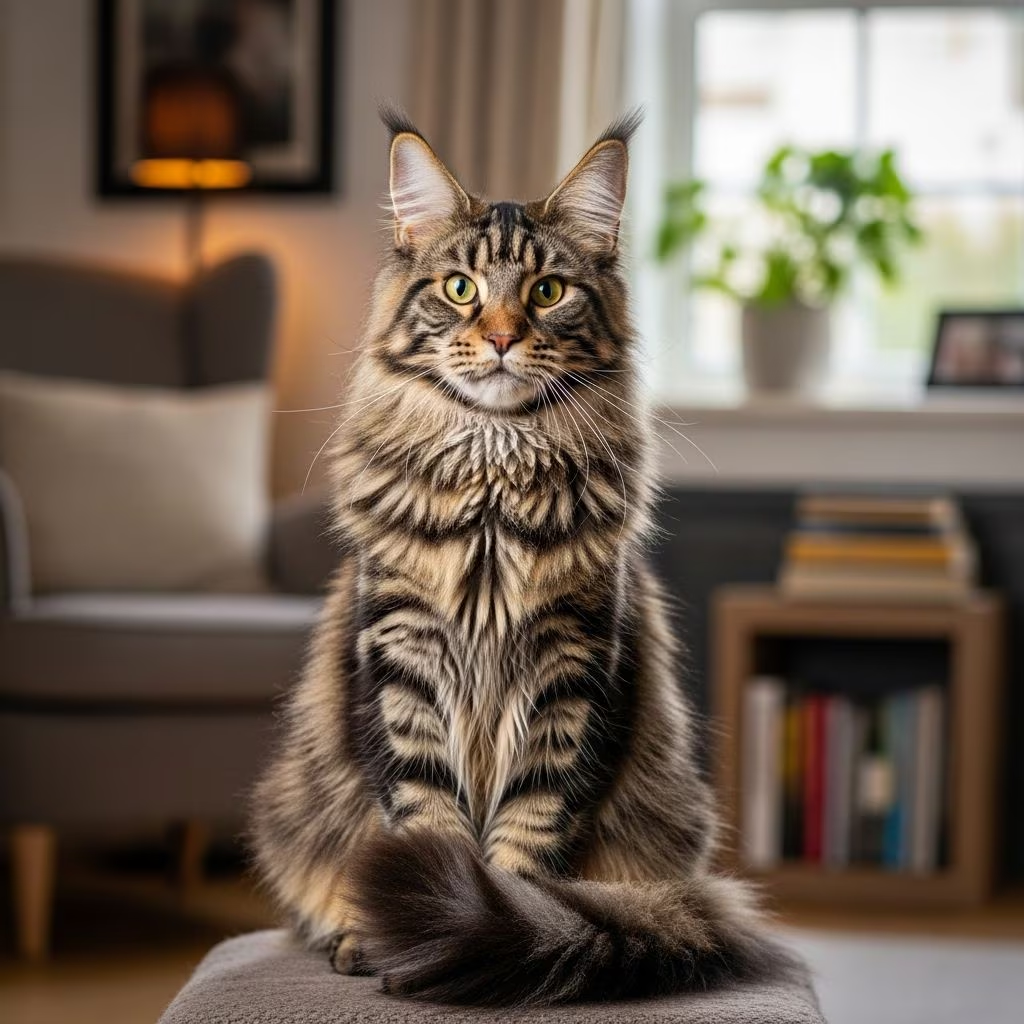
Maine Coon cats represent one of America’s most distinctive and beloved feline breeds, celebrated for their impressive size, gentle temperament, and remarkable adaptability. As native to the northeastern United States, these magnificent creatures have captured the hearts of cat enthusiasts worldwide with their unique blend of physical prowess and affectionate nature. Understanding the Maine Coon breed requires exploration of their fascinating origins, distinctive physical characteristics, behavioral tendencies, and specific care requirements.
The Remarkable Origins of Maine Coons
The precise ancestry of Maine Coon cats remains shrouded in legend and historical debate, though several compelling theories have emerged over the years. The breed’s development occurred in the northeastern portions of America during the mid-19th century, where harsh environmental conditions shaped their distinctive features and hardy disposition.
One prominent theory suggests that Maine Coons descended from European seafaring cats. Maritime captains frequently maintained long-haired felines aboard their vessels to control rodent populations that threatened cargo and ship integrity. Some captains developed such strong bonds with their cats that they carefully bred and protected their lineages across generations, potentially maintaining distinct color strains throughout their voyages.
Alternative origin stories, while more romantic than scientifically supported, contribute to the breed’s mystique. One narrative attributes Maine Coon ancestry to cats brought by Marie Antoinette, the French queen, though historical evidence suggests this tale lacks credibility. Another story credits a sea captain named Coon with introducing the breed to North America, a narrative that shares similarities with tales of Viking expeditions.
Modern genetic research provides insight into Maine Coon lineage, indicating that the breed likely resulted from crossbreeding between short-haired domestic cats and long-haired cats introduced by European sailors, possibly including Norwegian seafarers. The similarity between Maine Coons and Norwegian Forest Cats supports this theory of shared ancestry.
Physical Characteristics That Define the Breed
Maine Coons stand out dramatically among domestic cat breeds due to their substantial size and distinctive physical features. These cats typically weigh considerably more than average felines, with development continuing until approximately three or four years of age. Their impressive stature is complemented by muscular frames built for endurance and adaptability to challenging environments.
The breed’s appearance reflects generations of natural selection in Maine’s rigorous climate. Key physical attributes include:
- Coat Structure: A smooth, shaggy double coat that provides exceptional insulation in winter months, becoming notably thinner during warmer seasons. This temperature-responsive coat demonstrates remarkable adaptation to New England’s dramatic seasonal variations.
- Facial Features: Prominently sized ears that contribute to their characteristic appearance and enhanced hearing capabilities. The broad facial structure provides balance with their large body frame.
- Body Build: A substantial, rectangular body with considerable boning and well-developed musculature, designed for strength and agility. The chest displays considerable breadth, supporting their powerful physique.
- Extremities: Large feet equipped with substantial tufts between toe pads, providing traction on varied terrain. Interestingly, many Maine Coons exhibit polydactyl traits, possessing extra toes that historically proved advantageous for navigating New England’s challenging landscape.
- Tail: A long, flowing tail that contributes to their balanced, graceful appearance and aids in movement and balance.
Temperament and Behavioral Characteristics
Despite their imposing physical presence, Maine Coons possess remarkably gentle and affectionate temperaments. The breed demonstrates an amiable disposition, developed through natural selection processes where only the fittest survived in harsh environmental conditions. This natural selection process created cats that balanced physical capability with social compatibility.
Contemporary Maine Coons exhibit personality traits that make them exceptional family companions:
- Social Orientation: Maine Coons are sociable, loyal cats that interact comfortably with every family member rather than selecting single favorites. They display a tendency to move from person to person, ensuring each household member receives attention and affection.
- Intelligence: Like many formerly working cat breeds, Maine Coons possess considerable intelligence and problem-solving abilities. They can deduce the locations where preferred toys are hidden and demonstrate remarkable persistence in pursuing activities they enjoy.
- Playfulness: The breed maintains a distinctly kittenish personality throughout their lifetime, earning the affectionate nickname “gentle giants.” Their clown-like antics and amusing behaviors provide constant entertainment for their families.
- Trainability: Maine Coons respond well to training efforts and demonstrate willingness to participate in household activities. Their cooperative nature makes them easier to manage than many other independent cat breeds.
- Water Affinity: Unlike most domestic cats that avoid water, Maine Coons often display fascination with moisture, watching dripping faucets intently, washing toys, and occasionally attempting to join owners in showers.
Breed Recognition and Modern Development
The Maine Coon’s journey to formal breed recognition represents a significant chapter in American cat history. A blue Maine Coon cat earned best in class and best in breed recognition at a Portland, Oregon cat show in 1911, demonstrating the breed’s competitive show quality during this era.
However, the arrival of exotic Persian cats subsequently reduced Maine Coon visibility in show circuits for approximately four decades, though the breed remained beloved as household pets throughout the northeastern United States. The breed experienced a substantial revival during the 1950s with the establishment of the Central Maine Cat Club, which organized dedicated breeding programs and exhibition events. By organizing shows between 1953 and 1963, the club generated tremendous momentum, with one show attracting over one hundred entries and members from 38 U.S. states and 15 foreign countries.
In 1956, Dr. Rachel Salisbury created the first written breed standard to establish consistent criteria for evaluating Maine Coons. This standardization effort preserved the breed’s natural characteristics rather than attempting to modify or exaggerate specific traits. Foundation catteries including Heidi Ho, Whittemore, and Tati Tan established the genetic lineages that continue today, with their breeding work creating the foundation for every Maine Coon in existence.
The breed achieved official recognition as Maine’s state cat in 1985, cementing its cultural significance within its state of origin. Maine Coons were winning major cat shows as early as 1895 in cities including Boston and New York, with a Maine Coon named Cosi winning the first major American cat show.
Health Considerations and Genetic Traits
Maine Coons benefit from their natural development as hardy, disease-resistant cats. The breed’s emergence through natural selection rather than intensive selective breeding preserved strong innate health qualities. Contemporary Maine Coons remain healthy, robust animals when sourced from responsible breeders who maintain careful genetic monitoring.
Several breed-specific characteristics warrant attention from potential owners:
- Polydactylism: Many Maine Coons naturally possess extra toes, a trait that was historically advantageous for survival in New England’s varied terrain. While this trait presents no health concerns, it represents part of the breed’s distinctive genetic heritage.
- Coat Color Variations: Maine Coons display remarkable diversity in coat coloration and patterns, with breed standards permitting most combinations except specific restrictions on solid-colored coats with buttons, lockets, or white spots. White Maine Coons may occasionally experience deafness, a consideration when breeding cats with this coloration.
- Growth Rate: Maine Coons develop more slowly than many other breeds, not reaching full maturity until three or four years of age, requiring patience and understanding from owners during their extended juvenile period.
Care Requirements for Maine Coon Ownership
Successful Maine Coon ownership requires understanding the specific needs of this distinctive breed. Their size, coat characteristics, and social nature create particular care considerations:
Grooming and Coat Maintenance
Maine Coons require regular grooming to maintain their distinctive shaggy coats in healthy condition. Their double coats shed considerably, particularly during seasonal transitions. Consistent brushing prevents matting, reduces shedding throughout the home, and provides opportunities for bonding with these social animals.
Space and Environmental Needs
While Maine Coons adapt to various living environments, they benefit from adequate space to accommodate their substantial size and active nature. These cats enjoy heights and appreciate vertical spaces such as tall cat trees and climbing structures. Their intelligence means they require environmental enrichment through toys, interactive play, and opportunities to exercise their problem-solving abilities.
Social and Interactive Needs
Maine Coons thrive in environments where they receive regular interaction with family members. Unlike some cat breeds that prefer independence, Maine Coons actively seek companionship and participation in household activities. Regular play sessions, training interactions, and family involvement contribute significantly to their contentment and behavioral development.
Family Compatibility
Maine Coons excel in large, active families that appreciate their need for engagement and interaction. Their gentle nature and tolerance make them excellent companions for households with children and other animals. Their hardiness and ease of care, combined with their affectionate dispositions, position them as ideal family pets for many situations.
Frequently Asked Questions About Maine Coons
Are Maine Coons the largest domestic cat breed?
Maine Coons rank among the largest domestic cat breeds, though they are not universally considered the absolute largest. Their impressive size becomes even more noticeable when accounting for their thick winter coats, which can add two or three inches to their perceived bulk.
How do Maine Coons differ from Norwegian Forest Cats?
While Maine Coons and Norwegian Forest Cats share genetic ancestry and similar physical characteristics, Maine Coons tend toward larger size and somewhat different facial proportions. Both breeds developed independently in different geographic regions while maintaining similar adaptations to cold climates.
What is the lifespan of a Maine Coon?
Maine Coons typically enjoy long, healthy lifespans when properly cared for and sourced from responsible breeders. Their natural health and disease resistance contribute to longevity in this breed.
Are Maine Coons good pets for apartments?
While Maine Coons can adapt to apartment living, they genuinely thrive in environments providing adequate space and vertical enrichment. Their social nature and need for interaction make them excellent companions in appropriately sized living situations.
Do all Maine Coons have extra toes?
Many Maine Coons display polydactyl traits with extra toes, though not all individuals possess this characteristic. This natural variation represents part of the breed’s genetic diversity and poses no health concerns.
The Enduring Appeal of Maine Coon Cats
Maine Coon cats represent a remarkable fusion of natural adaptation and gentle companionship. Their development through harsh environmental pressures created cats that are simultaneously robust and affectionate, intelligent and trainable, impressive in size yet gentle in nature. From their legendary origins involving seafaring cats and maritime adventures to their modern role as beloved family companions, Maine Coons continue capturing hearts and imaginations.
Whether drawn to their striking physical presence, engaging personalities, or fascinating historical narrative, potential owners find in Maine Coons a breed that delivers both exceptional beauty and genuine companionship. Understanding their origins, characteristics, and needs enables owners to provide these magnificent cats with environments where they flourish, rewarding families with the loyalty, affection, and entertainment that define the Maine Coon experience.
References
- The Origin & Evolution of the Maine Coon Cat — Lakeview Coons. Accessed via https://www.lakeviewcoons.com/blog/the-origin-amp-evolution-of-the-maine-coon-cat-1
- The History of Maine Coons — Orrono Historical Resources. Accessed via https://www.orrono.com/history-maine-coons/
- History of the Maine Coon — Marwood Maine Coons. Accessed via https://www.marwoodmainecoons.com/mainecoonhistory
- Maine Coon Cat Facts: History, Personality, and Care — ASPCA Pet Insurance. Accessed via https://www.aspcapetinsurance.com/resources/maine-coon-cat-facts/
- Maine Coon Cat — The Cat Fanciers’ Association. Accessed via https://cfa.org/breed/maine-coon-cat/
- History of Main Coon Cats — University of New Mexico. Accessed via https://www.unm.edu/~njmoore/MainCoonHistory/History.htm
- 4 Interesting Facts About Maine Coon Cats — Cat Town Oakland. Accessed via https://www.cattownoakland.org/cat-town-blog/2020/01/maine-coon



