

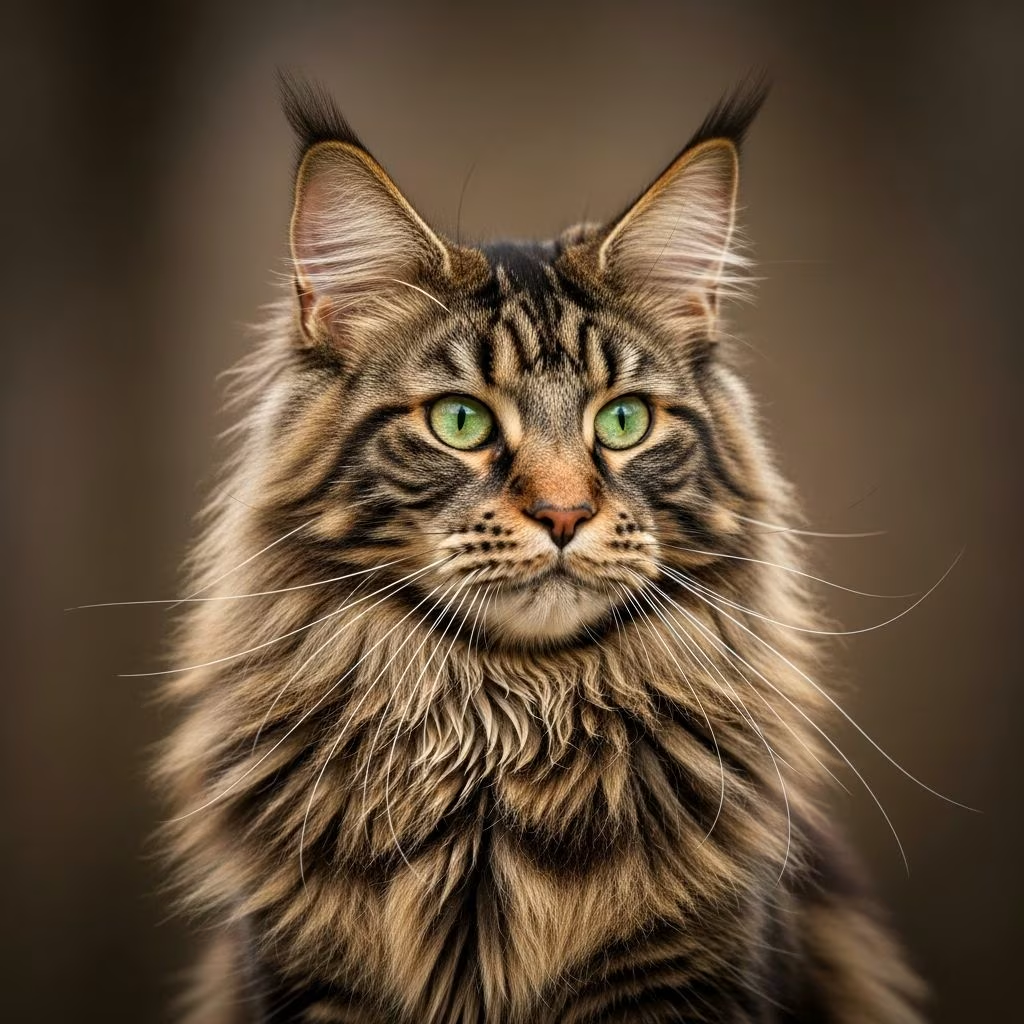
Maine Coon Cat Breed Overview
The Maine Coon is one of the most beloved and distinctive cat breeds in the world, earning its nickname as the “gentle giant” of the feline world. Originally hailing from the U.S. state of Maine, where it is the official state cat, this majestic breed has captured the hearts of cat enthusiasts globally. Known for their impressive size, luxurious coats, and surprisingly affectionate personalities, Maine Coons represent a perfect blend of strength and sweetness that makes them exceptional companions for families.
These shaggy, super-sized cats are among the best-known and most recognizable cat breeds worldwide, bred and shown across all continents. What truly sets Maine Coons apart from other cat breeds is their unique combination of physical grandeur and gentle temperament, making them remarkably sociable and loyal companions that seem to defy their impressive proportions.
Physical Characteristics and Appearance
Maine Coon cats are immediately recognizable by their impressive size and distinctive physical features. These muscular, heavily-boned felines are medium to large in stature, with males typically being significantly larger than females. The average female Maine Coon weighs up to 6 kilograms, while males average around 8 kilograms, though some exceptional males have reached weights of 13 kilograms or more.
Body Structure
The Maine Coon’s body is long and rectangular, featuring a muscular build with a broad chest and thick, straight legs. Their athletic bodies showcase a well-proportioned and balanced appearance where no single feature is exaggerated. Large, round paws with distinctive tufting between the toes are a hallmark of the breed, featuring five toes in front and four in back. These substantial paws, combined with their impressive size, contribute to their ability to navigate various terrains with remarkable grace.
Coat and Coloring
One of the most striking features of the Maine Coon is their magnificent coat. The fur is heavy, shaggy, and silky to the touch, with a unique characteristic distribution: shorter on the shoulders and longer on the stomach and britches (back legs). This semi-longhair coat is glossy and water-resistant, having evolved to protect these cats from the harsh New England winters. Many Maine Coons display a distinctive leonine ruff around their necks, adding to their majestic appearance.
Maine Coon coat colors are remarkably diverse, typically including brown tabby, blue, white, cream, black, and orange. The rarest and most coveted shades are gold and silver, which represent the pinnacle of coat color rarity in the breed. Additional patterns include tortoiseshell variations and smoke colorations, each contributing to the breed’s visual diversity.
Distinctive Features
Maine Coons possess several distinctive physical markers that distinguish them from other breeds. They have large, expressive eyes that are wide-set with an opened oval shape, slightly oblique in setting with a slant toward the outer base of the ear. Their ears are tall and pointed, often with tufts of fur extending from within them. The tail is particularly impressive—long, wide at the base, and tapering, with fur that is long and flowing, creating a plume-like appearance.
Temperament and Personality Traits
Despite their formidable size, Maine Coons are renowned for their sweet, gentle, and affectionate temperament. These cats possess a characteristic “clown-like” personality that delights owners with amusing habits, tricks, and their eager willingness to participate in family activities. Maine Coons are highly sociable creatures that thrive on human interaction and family involvement.
Social Behavior
Maine Coons are sociable and loyal cats that genuinely enjoy spending time with their family members. Rather than selecting a single favorite person, these cats tend to move from lap to lap, engaging with every family member equally. They are intelligent and playful, yet maintain a quiet and dignified demeanor that surprises many people unfamiliar with the breed. Maine Coons develop slowly and don’t achieve their full size until three to five years of age, meaning their playful, kittenish dispositions often persist throughout their lives.
Communication Style
An endearing quirk of Maine Coons is their unique communication style. These cats rarely meow in the traditional sense; instead, most produce soft chirps, trills, and purrs in tiny voices that seem entirely incongruous with their large size. Some Maine Coons are known to “sing” with a series of sounds ranging from growls to screams, creating a delightful soundtrack to family life.
Living Environment Adaptability
Maine Coons are remarkably adaptable cats that thrive in various living situations. While they particularly enjoy busy homes where they can engage with human company, they can also live contentedly in smaller households provided they receive adequate attention. These cats are fairly independent and require a moderate amount of human interaction, though they will insist upon it when their owners are available. Those who work from home may find that Maine Coons require a closed door to maintain concentration, as these friendly felines prefer to participate in all household activities.
Maine Coons and Family Dynamics
Maine Coons are excellent companions for large, active families and make particularly good companions for households with children and other animals. They generally get along well with kids and dogs, as well as other cats, making them ideal for multi-pet households. However, potential owners should be aware that both children and other animals may initially be intimidated by the Maine Coon’s large size, though this concern typically dissipates quickly once familiarity develops.
Play Behavior
One distinctive aspect of Maine Coon play behavior is their preference for ground-level activities rather than vertical climbing. Many Maine Coons will enthusiastically play “fetch” with their owners, a dog-like behavior that endears them further to cat lovers. Their water-resistant coats and large paws also make them excellent mouse hunters, a remnant of their working cat heritage. Many Maine Coons develop a fascination with water, watching dripping faucets with intense interest, washing food or toys, and even attempting to join their owners in the shower.
Grooming and Coat Maintenance
Despite their bulky and fluffy appearance, Maine Coons are generally easy-care cats compared to other long-haired breeds. The coat of Maine Coon cats contains a natural fat layer that rejects water, allowing their fur to dry quickly and making maintenance remarkably simple.
Grooming Requirements
The Maine Coon’s coat is mostly self-maintaining due to its light-density undercoat. Weekly combing is typically all that is required to keep the coat in top condition, making grooming significantly less demanding than for other long-haired breeds. The coat is subject to seasonal variation, with fur being thicker during winter months and thinner during summer, requiring occasional brushing and minimal washing.
Health Considerations
Like all cat breeds, Maine Coons are susceptible to certain genetic and breed-specific health concerns. Responsible breeders perform health screenings to minimize the occurrence of hereditary conditions. Potential owners should inquire about health testing and certifications when selecting a Maine Coon from a breeder.
Lifespan
Maine Coons typically enjoy a lifespan of 9 to 15 years, allowing for many wonderful years of companionship. Proper nutrition, regular veterinary care, and appropriate exercise contribute significantly to maintaining optimal health throughout their lives.
Nutrition and Exercise Requirements
Maine Coons require a well-balanced diet appropriate for their size and activity level. These intelligent cats benefit from mental stimulation and regular physical activity. Despite their large size, Maine Coons can be quite loud when running, yet their soft, quiet voices reassure owners that this lion-like appearance truly masks a gentle lamb’s heart.
Training and Intelligence
Originally working cats, Maine Coons are solid, rugged, and intelligent animals capable of enduring harsh climates. Just as their ancestors figured out where mice were hiding, today’s Maine Coons can deduce exactly where their favorite toys have been hidden and will uneartth them to continue a game. This intelligence makes them trainable and responsive to their owners’ needs, though they maintain sufficient independence to avoid being overly dependent.
Breed Standards and Show Ring
The most important features of the Maine Coon breed according to official standards are the head and body shape, and the texture and shag of the coat. Maine Coons have reclaimed their original glory in the show ring, with breeders working to preserve the breed’s natural, rugged qualities. Originally a working cat, the Maine Coon maintains its solid, rugged construction with a distinctive smooth, shaggy coat that reflects its heritage.
Frequently Asked Questions
Q: Are Maine Coons good family cats?
A: Yes, Maine Coons are excellent family cats. They are friendly, sweet-tempered, easy to train, and generally get along well with children and other pets, making them ideal for active families.
Q: How much grooming do Maine Coons need?
A: Maine Coons require minimal grooming compared to other long-haired breeds. Weekly combing is typically sufficient to maintain their coat in top condition.
Q: What is the average size of a Maine Coon?
A: Female Maine Coons typically weigh up to 6 kilograms, while males average around 8 kilograms, though some males can reach 13 kilograms or more.
Q: How long do Maine Coons live?
A: Maine Coons typically have a lifespan of 9 to 15 years with proper care and nutrition.
Q: Do Maine Coons meow?
A: Maine Coons rarely meow; instead, they communicate through soft chirps, trills, purrs, and occasionally a singing-like vocalization that sounds incongruous with their size.
Q: Are Maine Coons water-resistant?
A: Yes, Maine Coons have water-resistant coats with a natural fat layer that rejects water, allowing their fur to dry quickly. Many Maine Coons are fascinated by water and may even attempt to join their owners in the shower.
References
- Maine Coon Cat: A Complete Breed Profile — WHISKAS® UK. Accessed 2025. https://www.whiskas.co.uk/cat-breeds/maine-coon
- Maine Coon: Traits, Appearance, General, Character — VetAmerikan. Accessed 2025. https://www.vetamerikan.org/our-best-friends/cat-types/maine-coon
- Maine Coon Cat Breed Standard — The Cat Fanciers’ Association (CFA). Accessed 2025. https://cfa.org/breed/maine-coon-cat/
- Maine Coon Cat Breed — Hill’s Pet Nutrition. Accessed 2025. https://www.hillspet.com/cat-care/cat-breeds/maine-coon
- Maine Coon Breed Profile — The International Cat Association (TICA). Accessed 2025. https://tica.org/breed/maine-coon/
- Maine Coon — Wikipedia. Accessed 2025. https://en.wikipedia.org/wiki/Maine_Coon



