

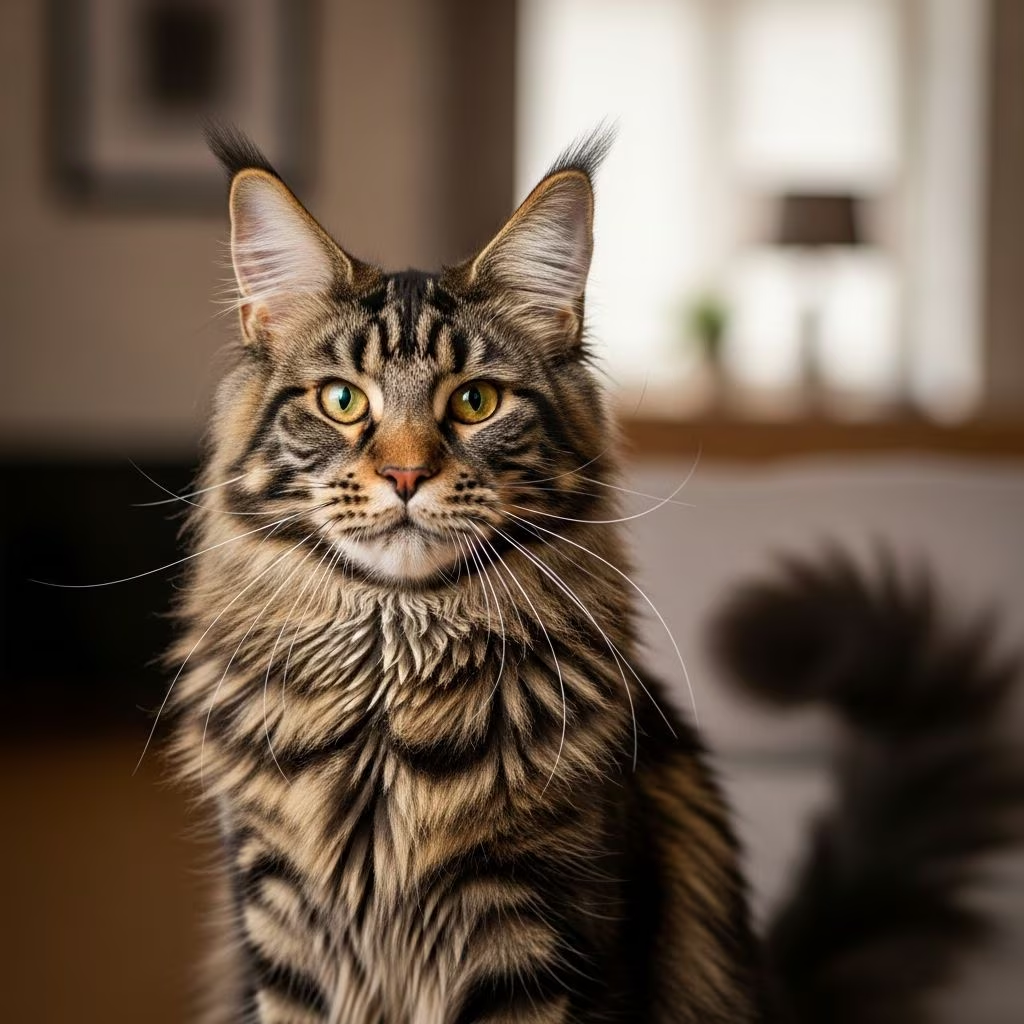
About the Maine Coon Cat Breed
The Maine Coon is one of the most recognizable and beloved cat breeds in the world, earning the affectionate nickname “gentle giant” due to its impressive size combined with a remarkably sweet and docile temperament. Originating from the state of Maine in the United States, this breed has become America’s native longhair and holds the distinction of being the official state cat of Maine. Maine Coons have captured the hearts of cat enthusiasts globally, and their popularity continues to grow among families seeking a large, affectionate, and intelligent feline companion.
Maine Coon Origins and History
The Maine Coon breed boasts a fascinating history deeply rooted in New England’s rugged landscape. Originally established as a hardy, working breed over a century ago, Maine Coons were well-equipped to survive the hostile New England winters. These cats evolved naturally to adapt to Maine’s harsh climate, developing physical characteristics that would help them thrive in challenging conditions. As working cats, they kept barns and homes clear of rodents, earning their place as valued members of Maine households. Today, breeders continue to preserve the Maine Coon’s natural, rugged qualities while maintaining the breed’s characteristic charm and intelligence.
Physical Characteristics and Appearance
Maine Coons are instantly recognizable by their impressive size and striking appearance. These cats are among the largest domesticated cat breeds, with males typically being larger than females. The average female weighs up to 6 kilograms, while males average up to 8 kilograms, though some exceptional males have reached 13 kilograms. In terms of height, female Maine Coons average 8-14 inches, while males typically stand 10-16 inches tall.
Body Structure
The Maine Coon’s body is long and rectangular with a muscular, heavily-boned frame. They possess a broad chest, straight forelegs, and powerful back legs that support their substantial frame. The body shape displays excellent proportions and balance, with no exaggerated features. These cats maintain a distinctive athletic build that reflects their heritage as working animals, combining strength with grace and elegance.
Head and Facial Features
Maine Coons have a large head with distinctly pointed ears that often feature characteristic ear tufts. Their large, expressive eyes are wide-set with an open oval shape, typically displaying a slight oblique setting that slants toward the outer base of the ear. The profile reveals a slight dip under the large eyes, contributing to the breed’s intelligent and alert expression. These facial features combine to create an appearance that communicates both wisdom and friendly approachability.
Coat and Coloration
One of the Maine Coon’s most distinctive features is its semi-longhair coat, which is heavy, shaggy, and remarkably silky. The coat has a unique texture that drapes longer on the stomach and behind the legs (known as “britches”) but remains shorter over the shoulders and neck. This specialized coat structure serves an important purpose: it is water-resistant and contains a natural fat layer that rejects water, allowing their fur to dry quickly. The coat is described as “almost maintenance-free,” requiring only a weekly combing to maintain its condition.
Maine Coons display a wide range of coat colors and patterns. Common coat colors include brown tabby, blue, white, cream, black, and orange. The rarest and most prized coat shades are gold and silver. Face and ear patterns can display tortoiseshell coloration with narrow bands of white at the base of hairs, and some individuals may feature a white ruff and ear tufts with blazes of red or cream on the face.
Tail
The Maine Coon’s tail is particularly impressive, being very long, wide at the base, and tapering to a point. The fur on the tail is long and flowing, creating the characteristic bushy, luxurious appearance that is instantly recognizable. This impressive tail serves both aesthetic and functional purposes, contributing to the breed’s balance and providing warmth during cold weather.
Temperament and Personality
Despite their substantial size, Maine Coons are renowned for their sweet-tempered, gentle, and friendly nature. The breed is often described as having a “dog-like” personality, displaying loyalty and affectionate behavior that many owners find more reminiscent of canine companions than typical cats. Maine Coons are sociable and love to spend time with their family members, displaying a clown-like personality characterized by amusing habits, entertaining tricks, and a willingness to “help” with any household activity.
Social Behavior
Maine Coons thrive in busy homes and particularly enjoy human company. Rather than selecting a single favorite person, they tend to go from one lap to another, enjoying interaction with every family member. They are relaxed and easy-going in just about everything they do and generally get along exceptionally well with children, dogs, and other cats. Both children and other animals may initially be intimidated by the Maine Coon’s large size, as these cats are larger than many small dog breeds, but their gentle nature quickly alleviates any concerns.
Intelligence and Independence
Maine Coons are highly intelligent and inquisitive, displaying problem-solving abilities that reflect their working cat heritage. Just as their ancestors figured out where mice were hiding, today’s Maine Coons can deduce exactly where their owners have hidden their preferred toys and will unearth them to continue a game. They are fairly independent but need a moderate amount of human interaction and will insist upon it when their owners are available. This balance between independence and affection makes them excellent companions for various household situations, from large, active families to smaller households where they can receive adequate attention.
Unique Vocalizations
Maine Coons are known for their distinctive vocalizations that differ from other cat breeds. Rather than the typical meow, Maine Coons often make a series of sounds that appear to be “singing,” ranging from a type of growl to screams, chirps, trills, and purrs. Interestingly, despite their large size, Maine Coons have soft, quiet voices that produce only occasional meows. This gentle vocalization has led to the affectionate observation that “this lion is truly a lamb.”
Water Affinity
Many Maine Coons display a distinctive fondness for water, which is unusual for cat breeds. They may watch a dripping faucet in fascination, wash their food or toys in water, or even attempt to join their owners in the shower. This water-loving tendency, combined with their water-resistant coat and large paws, makes them excellent mouse hunters with natural abilities that harken back to their working cat ancestry.
Size and Growth Development
An important characteristic to understand about Maine Coons is that they develop slowly and do not achieve their full size until they are three to five years old. This extended growth period means that young Maine Coons remain kittenish throughout their early years, maintaining playful and energetic dispositions even as they grow larger. Despite their impressive final size, Maine Coons retain gentle, good-natured personalities throughout their lives, making them wonderful companions as they transition from energetic kittens to majestic adult cats.
Grooming and Coat Care
Despite their bulky and fluffy appearance, Maine Coons are generally easy-care cats in terms of grooming requirements. The natural structure of their coat means that regular grooming is minimal compared to other longhaired breeds. The coat benefits from minimal to occasional grooming, with regular brushing recommended to maintain its condition and prevent matting. A weekly combing is usually all that is required to keep the coat in top condition. The water-resistant nature of their coat, combined with the natural fat layer present in their fur, means that their coat maintenance is straightforward and manageable for most owners.
Health and Lifespan
Maine Coons generally enjoy good health and longevity. The breed typically has a lifespan of 9-15 years, which is a respectable life expectancy for a large cat breed. Their hardy nature, inherited from their history as outdoor working cats adapted to harsh New England winters, contributes to their overall robust health. Regular veterinary care, appropriate exercise, and proper nutrition help ensure that Maine Coons maintain their health and vitality throughout their lives.
Exercise and Activity Needs
Maine Coons are active and energetic cats that require regular exercise and mental stimulation. Unlike some cat breeds that are highly vertically-oriented, Maine Coons prefer to chase objects on the ground, and many will even play “fetch” with their owners, further demonstrating their dog-like characteristics. They enjoy interacting with their families and need space to roam and exercise. When they run, they can be quite loud, but their soft voices reassure owners that despite their impressive size and energy, they remain gentle and controlled.
Maine Coons as Family Pets
Maine Coons make excellent companions for large, active families that also enjoy having dogs and other animals. Their sociable nature, combined with their intelligence and adaptability, means they can thrive in various living situations as long as they receive adequate exercise and human interaction. They are particularly suited for families with children, as their large size and gentle temperament create a safe and entertaining dynamic. Those who work from home may need to shut a door occasionally to maintain concentration, as Maine Coons will insist upon human interaction and companionship when their owners are available.
Show Quality and Breed Standards
For those interested in showing Maine Coons, the breed has reclaimed its original glory in the show ring. The important features judged include the head and body shape, as well as the texture and distinctive “shag” of the coat. Quality should never be sacrificed for size in breeding standards. Maine Coons originally evolved by adapting to a harsh Northeast climate, and this heritage remains evident in their physical standards and breed characteristics. The breed continues to be shown and celebrated worldwide, with Maine Coons earning recognition as one of the best-known and most successful cat breeds in competitive cat associations.
Frequently Asked Questions About Maine Coons
Q: Are Maine Coons good with children?
A: Yes, Maine Coons are excellent with children. They are gentle, patient, and enjoy interacting with family members of all ages. Their large size and mild temperament make them ideal family pets, though children should understand how to handle large cats appropriately.
Q: How much exercise does a Maine Coon need?
A: Maine Coons are active cats that need regular exercise and mental stimulation. They enjoy playing fetch, climbing, and exploring. Providing adequate space and interactive toys helps keep them physically and mentally engaged.
Q: Do Maine Coons shed a lot?
A: Maine Coons do shed, but their coat is relatively easy to maintain with regular weekly combing. Their semi-longhair coat is naturally water-resistant and tends to shed less than some other longhaired breeds.
Q: Are Maine Coons expensive?
A: Maine Coons from reputable breeders can be expensive due to their popularity and the breed’s impressive characteristics. However, they are available for adoption through rescue organizations and shelters as well.
Q: How can I tell if my Maine Coon is at a healthy weight?
A: Maine Coons are large cats and can weigh between 6-13 kilograms depending on gender and individual variation. Consult with your veterinarian to determine if your Maine Coon is at a healthy weight, as this helps prevent obesity-related health issues.
Q: Do Maine Coons get along with other pets?
A: Yes, Maine Coons generally get along well with other cats and dogs. Their friendly and sociable nature makes them excellent multi-pet household companions, though proper introductions are always recommended.
References
- Maine Coon Cat Breed Profile — Whiskas UK. 2024. https://www.whiskas.co.uk/cat-breeds/maine-coon
- Maine Coon: Traits, Appearance, General, Character — Veterinary Association (Vet Amerikan). 2024. https://www.vetamerikan.org/our-best-friends/cat-types/maine-coon
- Maine Coon Cat Breed Standard — The Cat Fanciers’ Association (CFA). 2024. https://cfa.org/breed/maine-coon-cat/
- Maine Coon Cat Breed — Hill’s Pet Nutrition. 2024. https://www.hillspet.com/cat-care/cat-breeds/maine-coon
- Maine Coon Breed Information — The International Cat Association (TICA). 2024. https://tica.org/breed/maine-coon/
- Maine Coon — Wikimedia Foundation, Inc. 2024. https://en.wikipedia.org/wiki/Maine_Coon



