

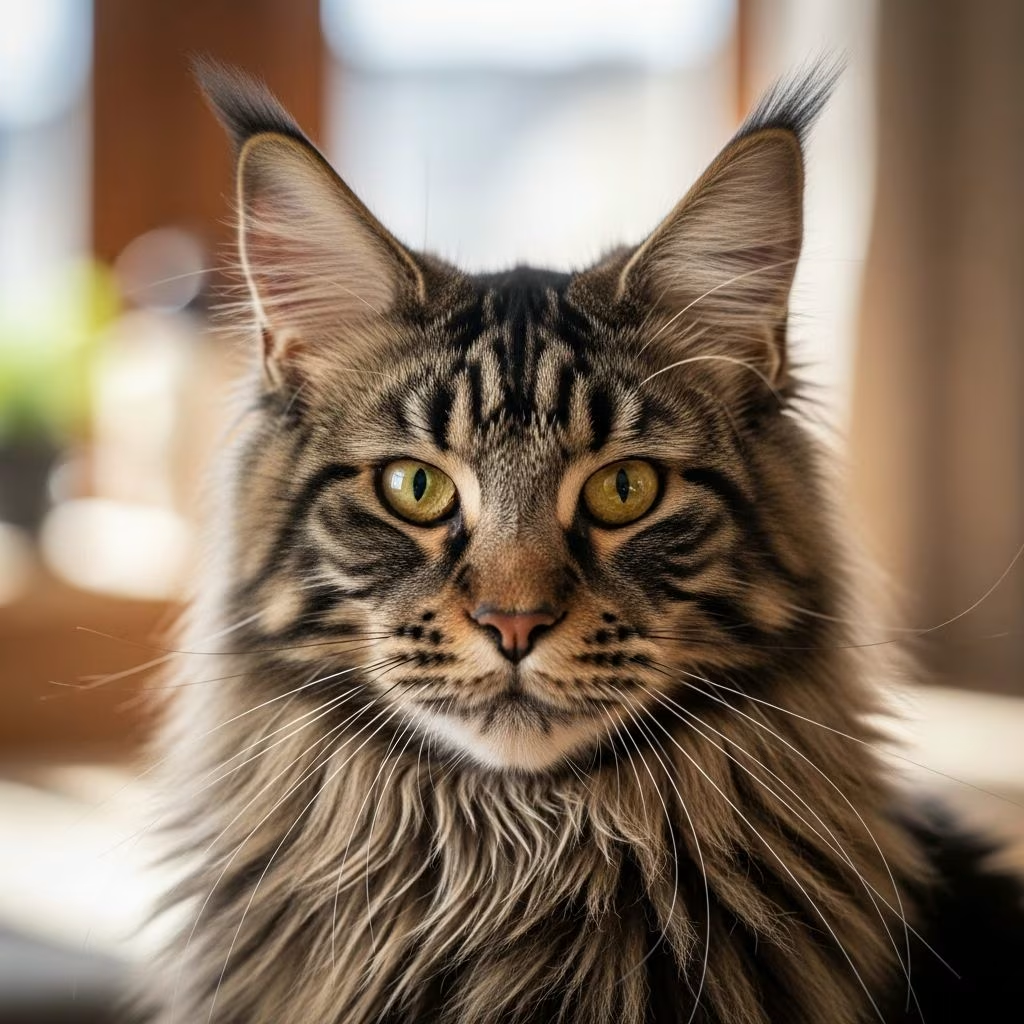
Maine Coon Cat Breed: Behavior, Traits & Care Guide
The Maine Coon stands as one of the most distinctive and beloved cat breeds in the world. These magnificent felines are known as the \”gentle giants\” of the cat world, combining impressive size with remarkably affectionate and playful personalities. Originally hailing from Maine, these cats have captured the hearts of cat enthusiasts worldwide with their unique blend of wild appearance and sweet temperament. Whether you’re considering bringing a Maine Coon into your home or simply want to learn more about this fascinating breed, understanding their behavior, physical characteristics, and care requirements is essential.
Physical Characteristics of Maine Coon Cats
Maine Coon cats possess one of the most striking appearances of any domestic cat breed. Their physical development reflects their evolutionary adaptation to harsh New England winters and outdoor living conditions.
Size and Build
Maine Coons are among the largest domestic cat breeds, with males often weighing between 13 to 18 pounds, though some can exceed this range. Their bodies feature a heavily muscled, long build with a broad, powerful chest that conveys strength and athleticism. Despite their substantial size, their structure remains balanced and proportionate, allowing for graceful movement and surprising agility for cats of their stature.
Distinctive Facial Features
One of the most recognizable characteristics of Maine Coons is their unique ear structure. These cats possess large, pointed ears with adorable tufts of hair along the edges, giving them an alert and intelligent expression. This distinctive ear shape not only contributes to their appealing appearance but also serves a practical purpose by helping them retain warmth in cold climates. Their eyes are large and alluring, ranging in color from green, blue, gold, or copper, and they display a slight dip beneath the eyes that adds to their expressive features. Maine Coons typically have an upright nose and display expressions that can range from a beastly wild look to a warm and adorable one, though their friendly nature is always apparent.
Coat Characteristics
The Maine Coon’s coat is one of its most impressive features. The fur is heavy yet silky, with a natural water-resistant quality that allows for quick drying. The coat is notably shaggy in texture, draping longer on the stomach and behind the legs (often called \”britches\”) while being shorter over the shoulders. Additionally, Maine Coons possess a dense, thick undercoat that provides excellent protection against cold climates, making them exceptionally well-suited to harsh weather conditions. The coloring of Maine Coons varies widely, with some cats displaying patches or stripes that make each individual appear distinct from one another. This variation in appearance adds to the visual appeal of the breed.
Paws and Tail
Maine Coons have large paws with tufts of hair along the edges, which serve a practical purpose in helping them traverse snowy terrain with greater ease. Their paws are perfectly adapted for their historical role as mousers and outdoor hunters. Perhaps one of the most captivating features of the Maine Coon is its long, strong, and fuzzy tail, which sets this breed apart from all other cat breeds. The tail provides warmth to these cats when wrapped around their body during cold weather, and Maine Coons are justifiably proud of this distinctive feature, which often captures attention as they walk past.
Personality and Behavioral Traits
Beyond their impressive physical appearance, Maine Coons are renowned for their exceptional personalities and behavioral characteristics. These cats are often described as having \”gentle giant\” temperaments, combining their imposing size with genuine affection and playfulness.
Social and Friendly Nature
Maine Coons are highly sociable cats that genuinely love their families and form strong bonds with their human companions. Unlike some cat breeds that prefer independence, Maine Coons are known as the \”social queens\” of the feline world. They will silently follow you around your home, supervising what you’re doing and showing genuine interest in your activities. If a door is closed to a room they wish to enter, they will patiently sit in the doorway, waiting for you to let them in. This desire for companionship is balanced with a lack of neediness; Maine Coons won’t constantly urge you to play with them, making them ideal for families with varying schedules.
Playfulness and Kitten-Like Behavior
Maine Coons are remarkably playful and maintain a love of play well into adulthood, a characteristic that distinguishes them from many other cat breeds. Male Maine Coons are especially prone to childish and playful behavior throughout their lives, while female cats tend to be more refined, though they too enjoy hunting play and interactive games. These cats possess great mousing skills and will instinctively pursue toys and grasp them with their large paws. They particularly enjoy games of fetch and will often bring small toys or balls back to their owners, much like a dog would. Young Maine Coons are more active and vigorous than older ones, though they maintain their playful nature even in their senior years.
Communication Style
Maine Coons are not typically considered highly vocal cats, though they do produce unique vocalizations that set them apart from other breeds. These cats often make a series of distinctive sounds ranging from soft chirps and cheeps to quiet trills and even a type of growling \”singing\” sound. Rather than relying heavily on meowing, Maine Coons use body language as their primary communication method. When a Maine Coon gives you a gentle head butt, it’s a sign that you are special to them. If they want to make requests, you’ll hear these soft chirping sounds rather than loud meows. Their relatively quiet demeanor, despite their large size, means they can be surprisingly unobtrusive companions.
Intelligence and Problem-Solving
Known for their exceptional intelligence, Maine Coons are capable of recognizing different words and commands, making them responsive to training. They willingly learn new tricks and enjoy playing with mentally stimulating cat toys and puzzles. These cats have a natural ability to sense threats and will act as protective guardians for their families. Their intelligence combined with their active nature means they thrive in environments that provide mental stimulation and interactive play opportunities.
Social Compatibility and Family Life
Maine Coons are excellent family companions, and their social nature extends beyond their human family members.
Behavior with Children
Maine Coons have great people skills and are wonderful with children. Their gentle disposition and playful nature make them suitable for families with kids, though their large size means supervision is necessary to ensure the cat doesn’t accidentally knock things over or children handle them too roughly. These cats’ calm and balanced character helps them remain composed around the normal chaos of family life.
Interaction with Other Pets
Due to their friendly and social nature, Maine Coons typically get along well with other pets, including dogs and other cats. Their hunting heritage means they may have a higher prey drive than some breeds, but proper socialization from a young age helps ensure they can coexist peacefully with other household animals. Many Maine Coons treat other pets in their household as part of their extended family.
Adaptability to Different Lifestyles
Maine Coons are highly adaptable cats that can adjust to various living situations and family dynamics. If you have a busy schedule and are not always at home, Maine Coons will keep themselves entertained with mentally stimulating toys and activities. Their independence means they won’t suffer from anxiety when left alone, though they do appreciate interactive time when you’re available. However, these cats thrive best in environments that provide adequate space for exploration and exercise.
Exercise and Activity Needs
Despite their somewhat laid-back personality compared to some breeds, Maine Coons are active cats that require regular exercise and mental stimulation.
Physical Activity Requirements
Maine Coons must have adequate exercise to maintain optimal health and prevent obesity, a breed tendency. These cats benefit from having cat trees and perches available throughout the home, as they enjoy climbing and exploring vertical spaces. While not extreme climbers compared to some breeds, they appreciate having options for vertical movement. They also need adequate running room to burn energy and maintain their muscular physique. When Maine Coons run, they can be surprisingly loud, so potential owners should be prepared for this characteristic.
Mental Stimulation
Maine Coons love interactive play and will play with every family member in the household. They appreciate toys that challenge their intelligence and provide problem-solving opportunities. These cats enjoy taking on challenges and thrive when provided with mentally engaging activities. A water bowl they can dabble in is also appreciated, as Maine Coons are unusually fond of water and snow, characteristics uncommon in most other cat breeds.
Grooming and Coat Maintenance
The Maine Coon’s luxurious coat requires regular grooming to maintain its health and appearance.
Brushing Requirements
The dense, long-haired coat of Maine Coons requires consistent brushing to prevent matting and to reduce shedding. Regular grooming sessions not only help maintain the coat’s beauty but also provide an opportunity for bonding with your cat. The water-resistant nature of their coat means it tends to dry quickly after getting wet, making bathing less of a challenge if needed.
Shedding Considerations
Maine Coons are moderate to heavy shedders, particularly during seasonal changes. Prospective owners should be prepared for regular hair removal from furniture and clothing. Consistent brushing can significantly reduce the amount of loose hair around the home.
Nutrition and Weight Management
Proper nutrition is crucial for Maine Coons, as this breed has a tendency to become overweight if not carefully monitored. The Maine Coon’s nutrition should be carefully controlled with high-quality food appropriate for their size and activity level. Due to their susceptibility to weight gain, portion control is essential, and regular exercise should be combined with a balanced diet. Consulting with a veterinarian about the appropriate caloric intake for your individual cat helps prevent obesity-related health issues.
Ideal Living Environment
Maine Coons adapt well to various living situations, but certain environments are particularly suited to their nature.
Space Requirements
While Maine Coons can adapt to apartment living, they truly thrive in environments with ample space for exploration and exercise. Homes with gardens or access to outdoor areas are particularly ideal, as Maine Coons enjoy exploring their surroundings and can exercise their natural instincts without limits. However, these cats can also adapt to indoor-only lifestyles as long as adequate space, enrichment, and interactive play are provided.
Family Suitability
Ownership of a Maine Coon is recommended for dynamic families who are already familiar with cats and can provide appropriate attention and care. These cats are particularly suited to families with active lifestyles who can provide regular interaction and play sessions. Whether the family includes children or not, what matters most is the ability to provide a stimulating and loving environment.
Health Considerations
While Maine Coons are generally hardy cats, certain health considerations are important for owners to understand. As larger cats, they may be prone to joint issues and heart conditions common to their size. Regular veterinary check-ups, appropriate exercise, weight management, and a balanced diet help maintain optimal health. Prospective owners should source kittens from reputable breeders who screen for genetic health issues.
Breed History and Recognition
Maine Coons have a fascinating history that shapes their current characteristics. Originally outdoor felines in Maine, they later became valued working cats who kept farms, barns, and homes clear of rodents through their exceptional mousing capabilities. The breed became famous towards the end of the 19th century for frequently winning prizes in cat beauty contests. The Maine Coon achieved full recognition as a breed by the American Cat Breeders Association in 1976, solidifying its status as one of the most sought-after and popular cat breeds regardless of size.
Behavioral Training and Socialization
Early socialization is crucial for Maine Coon kittens to ensure they develop into well-balanced and sociable adults. Special attention during the early stages of life helps prevent behavioral misbehavior later in life. Maine Coons are generally docile cats that don’t usually present behavioral problems, but proper handling and positive interactions during kittenhood establish the foundation for a well-adjusted adult cat. Their intelligence makes them responsive to training, and they can learn to follow commands and respond to their names.
Frequently Asked Questions
Q: What is the average lifespan of a Maine Coon cat?
A: Maine Coons typically live between 12 to 18 years with proper care, diet, and regular veterinary check-ups. Some have been known to live into their early 20s.
Q: Are Maine Coons hypoallergenic?
A: No, Maine Coons are not hypoallergenic. Their long, dense coat and regular shedding can trigger allergies in sensitive individuals. Regular grooming can help reduce allergens.
Q: Can Maine Coons be kept indoors?
A: Yes, Maine Coons can be kept indoors as long as they receive adequate exercise, mental stimulation, cat trees for climbing, and interactive playtime with their owners.
Q: How much does a Maine Coon kitten typically cost?
A: Maine Coon kittens from reputable breeders typically range from $400 to $1,500 or more, depending on lineage, health testing, and breeder reputation.
Q: Do Maine Coons require special care compared to other cat breeds?
A: Maine Coons require more regular grooming due to their long coat, careful weight management to prevent obesity, and ample exercise space. Otherwise, their care is similar to other breeds.
Q: Are Maine Coons good for first-time cat owners?
A: While Maine Coons are friendly and gentle, they’re best suited for families with some cat experience who can provide adequate space, exercise, and grooming. Their size and activity level require commitment.
Conclusion
The Maine Coon cat breed represents an exceptional combination of impressive size, stunning physical characteristics, and genuinely delightful personality traits. These gentle giants have earned their place as one of the most beloved and sought-after cat breeds worldwide. Their affectionate yet independent nature, combined with their intelligence and playfulness, makes them wonderful companions for the right families. Whether you’re drawn to their distinctive appearance, their engaging personality, or their unique vocalizations, Maine Coons offer a rewarding ownership experience for those prepared to meet their exercise, grooming, and care needs. Understanding their behavioral traits, physical requirements, and social nature ensures that both cat and owner can enjoy a harmonious and fulfilling relationship for many years to come.
References
- Maine Coon Cat Characteristics & Care Guide — Cat Evolution. Accessed November 28, 2025. https://catevolution.com.au/blogs/cat_tips_tricks/maine-coon-cat-characteristics
- Maine Coon Cat Breed — Vet Amerikan. Accessed November 28, 2025. https://www.vetamerikan.org/our-best-friends/cat-types/maine-coon
- Maine Coon Cat Breed – Hill’s Pet Nutrition — Hill’s Pet Nutrition. Accessed November 28, 2025. https://www.hillspet.com/cat-care/cat-breeds/maine-coon



