

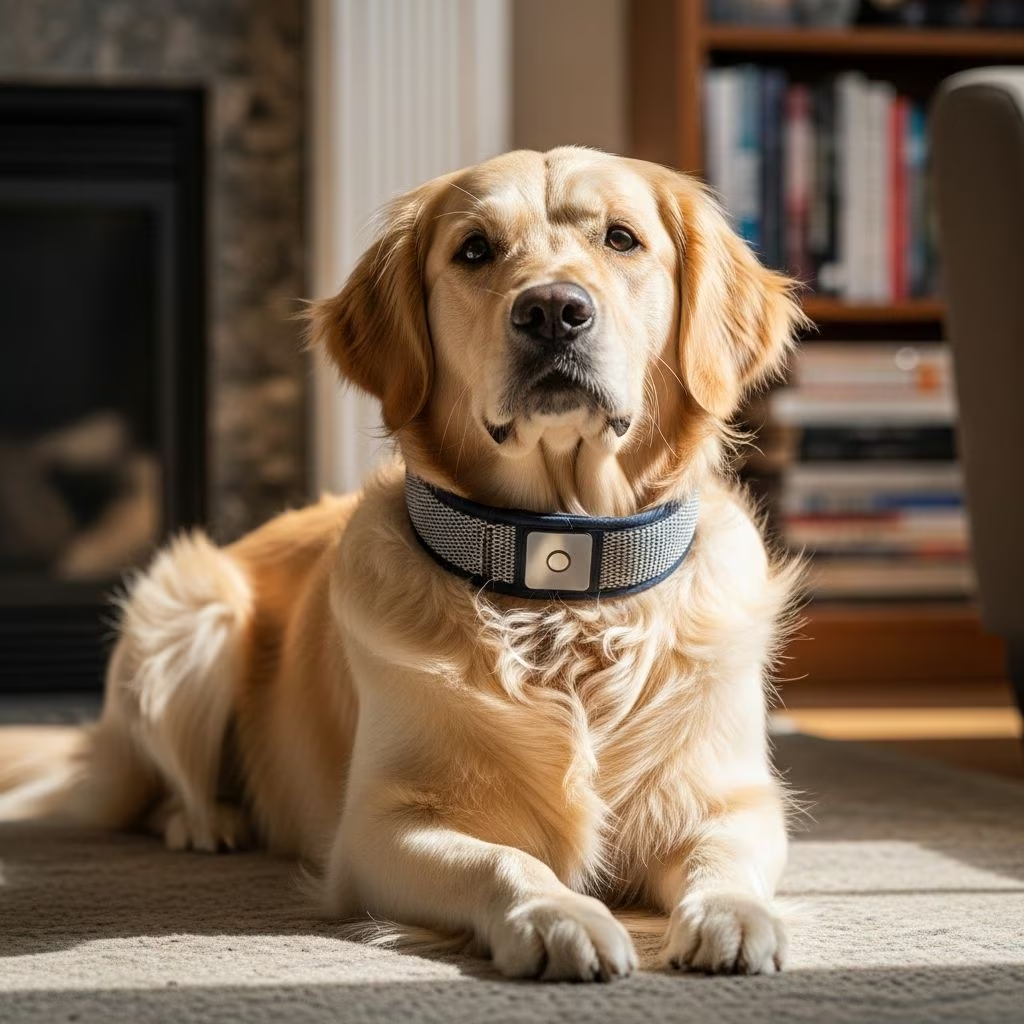
Magnetic collars have gained attention as a non-invasive option for helping dogs with arthritis manage pain and improve mobility. These devices use static magnets or advanced magnetic fields to potentially reduce inflammation and enhance circulation, offering relief without medications.
Understanding Canine Arthritis and Its Challenges
Arthritis, or osteoarthritis, affects many dogs, particularly those over five years old. It causes joint inflammation, stiffness, and pain that worsens with age or activity. Common signs include limping, reluctance to climb stairs, and difficulty rising after rest. Traditional treatments like NSAIDs provide relief but carry risks of side effects with long-term use. Owners seek complementary therapies to improve quality of life.
Magnetic therapy emerges as a gentle alternative, aiming to support the body’s natural healing by influencing blood flow and cellular activity. While not a cure, it may alleviate symptoms when used alongside veterinary care.
How Magnetic Collars Function in Dogs
Magnetic collars typically feature static magnets or innovative technologies like 360º resonance fields embedded in comfortable materials such as silicone or nylon. Placed around the neck, they create a field that interacts with the carotid artery, potentially improving circulation throughout the body.
- Static Magnets: These deliver a constant magnetic field believed to normalize cell charges in inflamed areas, reducing pain signals.
- Resonance Technology: Advanced collars use spinning energy fields without heat buildup, allowing 24/7 wear.
- Circulation Boost: Enhanced blood flow delivers more oxygen and nutrients to joints, flushing toxins and reducing swelling.
Unlike pulsed electromagnetic therapy, these collars are passive and safe for continuous use, even post-exercise.
Scientific Evidence Supporting Magnetic Collars
A 2024 blinded crossover study published in the Journal of the American Veterinary Medical Association examined 16 dogs with osteoarthritis. Dogs wore magnetic or placebo collars for four weeks each, with a washout period in between. Owners reported via the Canine Brief Pain Inventory.
| Metric | Placebo Change | Magnetic Change | Statistical Significance |
|---|---|---|---|
| Pain Severity Score | 0 (median) | -1.0 (median) | Significant reduction |
| Pain Interference Score | -0.1 (median) | -1.2 (median) | Significant reduction |
| Quality of Life Score | 0 (median) | 0 (median) | No significant change |
The study found significant drops in owner-reported pain severity and interference during magnetic collar use, with 40% of dogs on stable NSAIDs. No changes occurred with placebo. Researchers called for larger trials but noted promising preliminary results.
While more research is needed, this peer-reviewed evidence provides a credible foundation, unlike anecdotal claims alone.
Real Owner Experiences and Testimonials
Pet owners frequently share positive outcomes. For instance, an 11-year-old German Shepherd completed a two-hour walk without fatigue after using a StreamZ collar, jumping into the car effortlessly. Another owner reported their elderly collie regained mobility, running like a puppy post-collar use.
- A 10-year-old dog climbed stairs more easily after weeks of wear.
- Coats became shinier, suggesting internal health improvements.
- Dogs with stiffness showed overnight enhancements, avoiding euthanasia in one severe case.
Not all feedback is unanimous; one owner noted subtle benefits after 30 days on a German Shepherd, suggesting variability in response time. Agility competitors use collars for recovery and wellbeing, endorsing them for active and senior dogs alike.
Choosing the Right Magnetic Collar for Your Dog
Select based on size, technology, and wearability. Collars come in sizes for dogs 10-40kg and various breeds.
| Feature | Static Magnet Collar | Resonance Collar (e.g., StreamZ) |
|---|---|---|
| Technology | Constant field | Spinning energy, no heat |
| Wear Time | 12+ hours/day | 24/7 safe |
| Material | Nylon with sewn magnets | Magnetized silicone |
| Best For | Basic pain relief | Long-term, post-exercise use |
Ensure adjustability and durability. For dogs not wearing collars constantly, consider magnetic coats. Consult a vet before starting, especially with existing treatments.
Integrating Magnetic Collars into Daily Care
Introduce gradually: start with 8-12 hours daily, monitoring for comfort. Combine with weight management, joint supplements like glucosamine, low-impact exercise (swimming), and physical therapy. Track progress using pain scales or mobility journals.
Safety is high; non-invasive nature suits puppies to seniors. Avoid if your dog has pacemakers or metal implants, though rare in pets. No interference with medications reported.
Potential Limitations and Realistic Expectations
Benefits vary; not all dogs respond equally. Efficacy lacks large-scale confirmation beyond preliminary studies. It’s a complementary tool, not a replacement for vet diagnostics like X-rays. If symptoms persist, explore injections or surgery.
Cost ranges from affordable to premium, but reusability offers value. Patience is key—improvements may take weeks.
Frequently Asked Questions (FAQs)
Do magnetic collars really work for dog arthritis?
Preliminary research shows reduced owner-reported pain in osteoarthritis cases. Owner testimonials support mobility gains, but results vary.
How long should my dog wear the collar?
Ideally 12-24 hours daily for optimal effect, depending on type. Resonance models allow continuous wear.
Are there side effects?
Generally safe and non-invasive. Monitor for skin irritation; consult vets for underlying conditions.
Can puppies use them?
Yes, suitable for all ages as a wellness aid, not just arthritis.
What if there’s no improvement?
Reassess with a vet; combine with other therapies or try alternatives like laser therapy.
Alternatives to Magnetic Collars
- Acupuncture: Targets pain points directly.
- Hydrotherapy: Builds strength without joint stress.
- Supplements: Omega-3s and chondroitin for joint support.
- Orthopedic Beds: Reduce pressure during rest.
Magnetic collars fit well in holistic plans, enhancing conventional care.
References
- Magnetic collars improve owner-reported pain scores in dogs with osteoarthritis in a blinded crossover study — Journal of the American Veterinary Medical Association. 2024-01-12. https://pubmed.ncbi.nlm.nih.gov/38215525/
- Magnetic Dog Collar — DogSage. N/A. https://www.dogsage.ca/products/magnetic-dog-collar
- DOG StreamZ Magnetic Dog Collars — StreamZ Global. N/A. https://us.streamz-global.com/products/dog-streamz-magnetic-dog-collars
- Magnetic Dog Collars and The Benefits for Your Dogs — ZoomaDog. N/A. https://zoomadog.co.uk/blogs/blog/magnetic-dog-collars-and-the-benefits-for-your-dogs
- Should I buy a magnetic collar or dog coat? — Magnetix Therapy. N/A. https://www.magnetixtherapy.com/should-i-buy-a-magnetic-collar-or-dog-coat/
- Magnetic Therapy in Dogs — WagWalking. N/A. https://wagwalking.com/treatment/magnetic-therapy



