

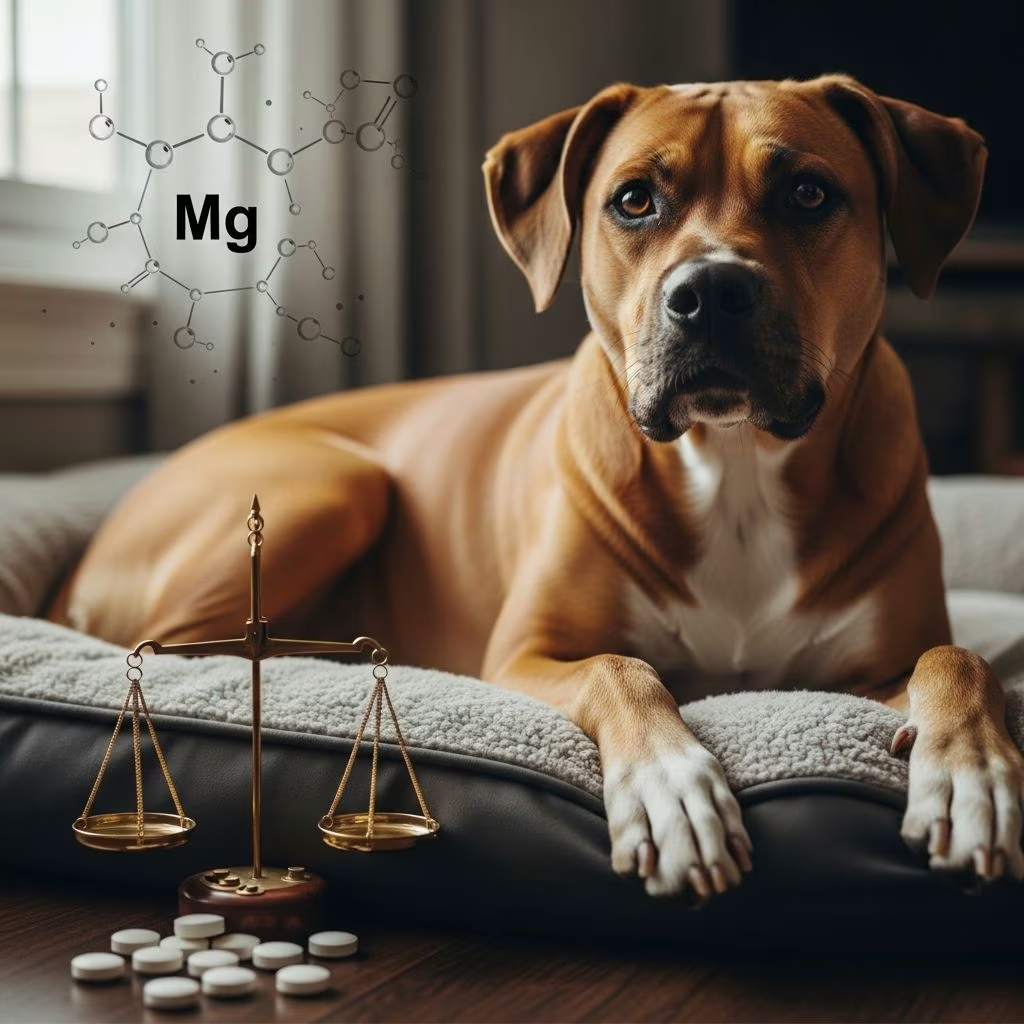
Magnesium is an essential mineral that supports numerous physiological processes in dogs, including muscle function, nerve signaling, and energy production. Imbalances, such as low (hypomagnesemia) or high (hypermagnesemia) magnesium levels, can lead to serious health complications. This guide delves into the physiology, clinical manifestations, diagnostic methods, and management strategies for these disorders, drawing from veterinary research to empower dog owners with actionable knowledge.
The Critical Role of Magnesium in Canine Physiology
Magnesium ranks as the fourth most abundant cation in the canine body, predominantly stored in bones (about 60%) and soft tissues (38%), with the liver and skeletal muscles holding significant amounts. It acts as a cofactor for over 300 enzymes, facilitating ATP production for cellular energy metabolism. Magnesium maintains electrical gradients across cell membranes, regulates neurotransmitter acetylcholine, and modulates calcium influx into smooth muscle cells, influencing vascular stability and contractile strength.
In dogs, magnesium homeostasis involves dietary absorption in the small intestine, primarily through passive paracellular transport in the jejunum and ileum, with active transcellular mechanisms in the colon under low intake conditions. The kidneys play a pivotal role in excretion, reabsorbing 70-80% of filtered magnesium via paracellular pathways in the proximal tubules and thick ascending limb, regulated by hormones like parathyroid hormone (PTH), calcitonin, and potentially estrogen. Normal serum magnesium levels range from 1.8-2.5 mg/dL, but ionized magnesium (iMg), the biologically active form, is more clinically relevant, comprising 60-70% of total magnesium.
| Parameter | Normal Range (Dogs) | Key Function |
|---|---|---|
| Total Serum Magnesium | 1.8-2.5 mg/dL | Overall mineral status |
| Ionized Magnesium (iMg) | 0.45-0.60 mmol/L | Active physiological form |
| Urinary Excretion | Variable, low in deficiency | Renal conservation marker |
Understanding Hypomagnesemia: When Magnesium Levels Drop
Hypomagnesemia, or magnesium deficiency, affects 45-67% of critically ill hospitalized dogs, often linked to acute illnesses, anorexia, or stress. It disrupts neuromuscular function, leading to muscle tetany, weakness, fasciculations, and severe cases progressing to seizures, ataxia, or coma. Cardiac effects include ventricular arrhythmias, torsades de pointes, and tachyarrhythmias due to altered membrane potentials and increased acetylcholine at motor endplates.
Primary Causes of Low Magnesium in Dogs
- Gastrointestinal Losses: Malnutrition, malabsorptive diseases like inflammatory bowel disease, chronic diarrhea, or vomiting reduce intake and absorption.
- Renal Disorders: Nephrotoxic drugs (e.g., aminoglycosides), diabetes mellitus with osmotic diuresis, or hypercalcemia-induced diuresis enhance urinary magnesium wasting.
- Endocrine and Metabolic Factors: Hyperaldosteronism, diabetic ketoacidosis, or reflux pancreatitis impair reabsorption.
- Therapeutic Interventions: Diuretics (loop or thiazide), prolonged IV fluid therapy without magnesium supplementation, or phosphate-containing enemas deplete stores.
- Critical Illness: Sepsis, trauma, or burns cause redistribution from extracellular to intracellular compartments, exacerbated by low albumin binding.
In septic peritonitis cases, 13.5% of dogs present with ionized hypomagnesemia, correlating with disease severity but not always survival.
Recognizing Symptoms of Magnesium Deficiency
Early signs are nonspecific: lethargy, anorexia, and vomiting. Progression yields hyperirritability, tremors, and muscle stiffness. Cardiovascular instability manifests as hypotension, arrhythmias, or refractory hypokalemia/hypocalcemia, as magnesium stabilizes potassium and calcium channels. Owners may notice belligerent behavior or sudden collapse in severe instances.
Hypermagnesemia: The Risks of Excess Magnesium
Though less prevalent (3-15% in hospitalized dogs), hypermagnesemia arises from impaired renal excretion or iatrogenic overdose. It depresses neuromuscular transmission, causing weakness, hypotension, bradycardia, and respiratory failure at levels above 4 mg/dL. In septic cases, 15% of dogs and 60% of cats show elevated iMg, with non-survivors exhibiting higher means (0.55 mmol/L vs. 0.49 mmol/L in survivors, p=0.042).
Key Triggers for High Magnesium
- Renal Failure: Acute kidney injury or chronic kidney disease reduces clearance, especially with high intake.
- Oversupplementation: Excessive oral/IV magnesium, particularly in azotemic patients or during aggressive hypomagnesemia correction.
- Endocrine Influences: Hypoparathyroidism or Addison’s disease alters handling.
- Critical Conditions: Sepsis may elevate iMg as a marker of cellular damage or acid-base shifts.
Total magnesium poorly correlates with ionized levels (r=0.3-0.6), especially in illness, due to albumin binding and intracellular shifts, making iMg measurement preferable.
Diagnostic Approaches for Magnesium Disorders
Diagnosis hinges on clinical suspicion, as symptoms overlap with other electrolyte issues. Measure total serum magnesium initially, but confirm with ionized magnesium via ion-selective electrodes for accuracy. Reference intervals: iMg 0.45-0.60 mmol/L in dogs.
Supportive tests include:
- Complete blood count, biochemistry panel (calcium, potassium, albumin, renal markers).
- Urine magnesium/creatinine ratio or fractional excretion to assess renal handling.
- ECG for arrhythmias (prolonged QT, torsades).
- Magnesium retention test: IV magnesium load with urinary recovery; deficient dogs retain >20%.
Differential diagnosis excludes hypocalcemia, hypokalemia, or toxin exposure. In ICU settings, 53-67% of dogs show derangements at admission.
Treatment Strategies for Imbalanced Magnesium
Managing Hypomagnesemia
Acute severe cases (<1.2 mg/dL with symptoms) require IV magnesium sulfate (0.5-1 mEq/kg over 4-24 hours), diluted to avoid phlebitis, with continuous ECG monitoring for bradycardia or hypotension. Concurrent calcium gluconate stabilizes membranes if hypocalcemia coexists. Oral supplementation (magnesium oxide, gluconate) follows for maintenance: 10-20 mg/kg/day divided doses.
Avoid rapid correction to prevent rebound hypermagnesemia. Monitor levels q12-24h initially.
Addressing Hypermagnesemia
Discontinue magnesium sources; enhance elimination with IV fluids (normal saline at 2x maintenance) and loop diuretics if renal function permits. Calcium gluconate antagonizes cardiac effects. Peritoneal dialysis is reserved for refractory cases. Prognosis improves with early intervention.
| Condition | Therapy | Monitoring |
|---|---|---|
| Hypomagnesemia | IV MgSO4 0.5-1 mEq/kg slow; oral 10-20 mg/kg/day | ECG, serum Mg q12h, Ca/K |
| Hypermagnesemia | Stop Mg, IV NS + furosemide, Ca gluconate | ECG, renal function, iMg |
Prevention and Long-Term Care for At-Risk Dogs
Balanced commercial diets suffice for healthy dogs, but at-risk breeds (e.g., those with GI/renal issues) benefit from magnesium-enriched foods. Regular bloodwork in chronic conditions like CKD or diabetes detects subclinical deficiencies. Avoid empiric supplementation without testing, as excess harms renally impaired pets. Post-treatment, recheck levels weekly until stable.
FAQs on Magnesium Disorders in Dogs
What are the first signs of low magnesium in my dog?
Lethargy, tremors, weakness, or irregular heartbeat; seek vet care promptly.
Can diet alone fix magnesium deficiency?
No, severe cases need IV therapy; diet supports recovery.
Is ionized magnesium testing widely available?
Increasingly so in referral centers; total Mg is a screening tool.
Which dogs are prone to hypermagnesemia?
Those with kidney disease or on high-dose supplements.
How does magnesium interact with other electrolytes?
It stabilizes calcium and potassium; deficiencies worsen those imbalances.
Prognosis and Research Insights
With prompt treatment, most dogs recover fully, though ICU mortality links to persistent derangements. Recent studies highlight iMg as a prognostic marker in sepsis, urging routine monitoring. Ongoing research explores genetic predispositions and optimal supplementation protocols.
References
- Ionized calcium and ionized magnesium disturbances in dogs and cats with septic peritonitis — Frontiers in Veterinary Science. 2025. https://www.frontiersin.org/journals/veterinary-science/articles/10.3389/fvets.2025.1550701/full
- Magnesium Deficiency in Dogs — PetMD. Accessed 2026. https://www.petmd.com/dog/conditions/endocrine/c_dg_hypomagnesemia
- Overview of Disorders of Magnesium Metabolism in Animals — Merck Veterinary Manual. Accessed 2026. https://www.merckvetmanual.com/metabolic-disorders/disorders-of-magnesium-metabolism/overview-of-disorders-of-magnesium-metabolism-in-animals
- Magnesium in dogs and cats – physiology, analysis, and pathophysiology — PubMed. 2018-04-01. https://pubmed.ncbi.nlm.nih.gov/29536460/
- Magnesium Disturbances in Critically Ill Patients — VetFolio. Accessed 2026. https://www.vetfolio.com/learn/article/magnesium-disturbances-in-critically-ill-patients
- Magnesium physiology and clinical therapy in veterinary critical care — Wiley Online Library. 2015. https://onlinelibrary.wiley.com/doi/10.1111/vec.12253



