
Magnesium Imbalances In Cats: A 2025 Vet Guide
Explore the causes, signs, diagnosis, and management of magnesium deficiencies and excesses in felines for optimal pet wellness.
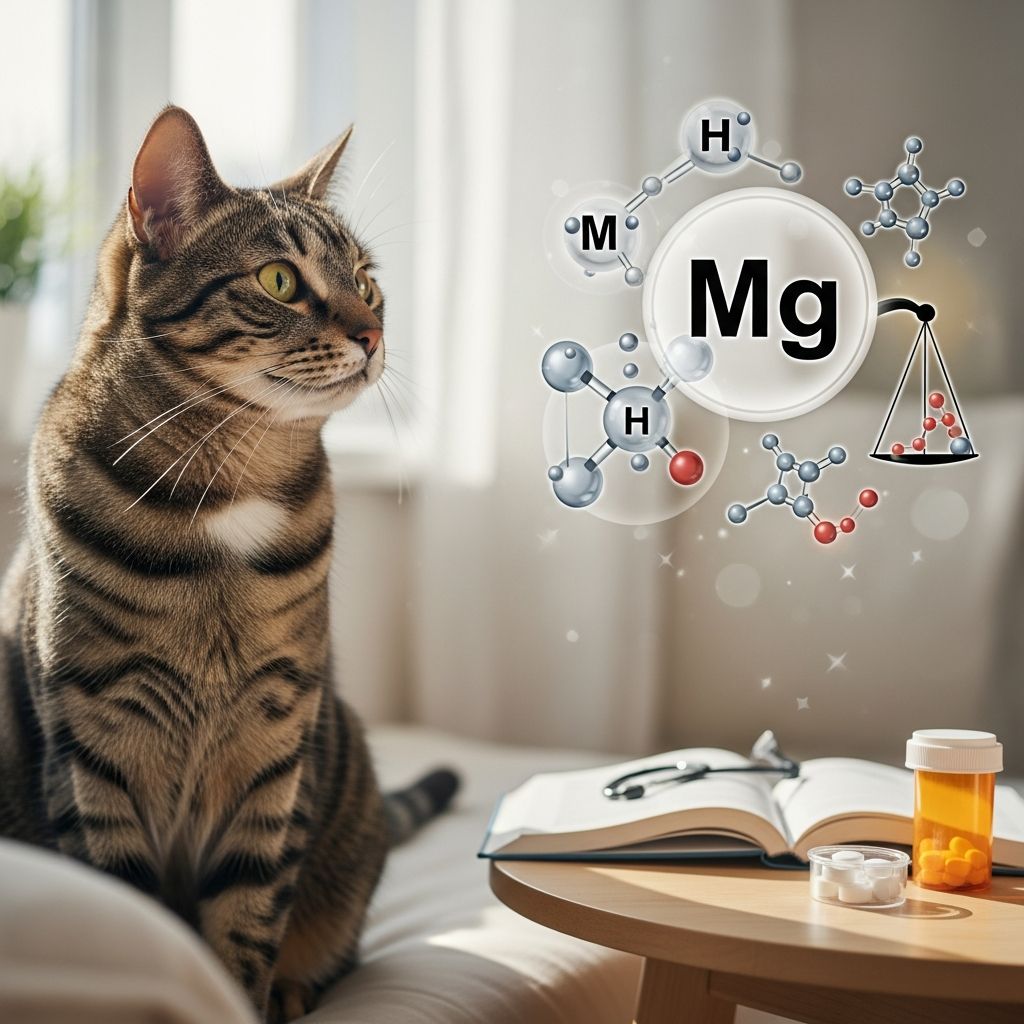
Magnesium plays a vital role in feline physiology, supporting muscle function, nerve signaling, and heart rhythm. Disruptions in magnesium levels, either too low (hypomagnesemia) or too high (hypermagnesemia), can lead to serious health complications in cats. Understanding these imbalances is crucial for timely intervention and improved outcomes.
The Importance of Magnesium in Feline Health
Magnesium is one of the most abundant intracellular minerals in cats, second only to potassium. It participates in over 300 enzymatic reactions, including energy production, protein synthesis, and DNA stability. In serum, magnesium exists in ionized, protein-bound, and complexed forms, with ionized magnesium being the biologically active fraction.
Normal serum magnesium levels in cats range from approximately 1.46 to 2.5 mg/dL (0.6 to 1.0 mmol/L), though ionized levels provide a more accurate assessment in critically ill patients. Deficiencies or excesses disrupt cellular processes, exacerbating conditions like cardiac arrhythmias and neuromuscular dysfunction.
Common Causes of Low Magnesium Levels
Hypomagnesemia, defined as serum magnesium below 1.46 mg/dL, affects 26-50% of hospitalized cats, particularly those in intensive care. Key contributing factors include:
- Dietary insufficiency: Homemade or unbalanced raw diets often lack adequate magnesium, unlike fortified commercial foods.
- Gastrointestinal issues: Malnutrition, malabsorption syndromes, or chronic diarrhea impair uptake.
- Renal and endocrine disorders: Chronic kidney disease, diabetes mellitus, and hyperthyroidism increase urinary magnesium loss.
- Medications and therapies: Diuretics, nephrotoxic drugs, and prolonged IV fluid therapy without magnesium supplementation deplete stores.
- Refeeding syndrome: Rapid reintroduction of nutrients after starvation shifts magnesium intracellularly, causing acute drops.
- Stress and critical illness: Sepsis or ICU admission triggers redistribution and excretion.
These factors often overlap, compounding the risk in vulnerable cats such as seniors or those with comorbidities.
Recognizing Signs of Magnesium Deficiency
Symptoms of hypomagnesemia vary by severity but commonly involve neuromuscular and cardiovascular systems. Early detection hinges on observing subtle changes.
| Severity Level | Key Symptoms |
|---|---|
| Mild | Lethargy, reduced appetite, irritability, muscle weakness |
| Moderate | Tremors, ataxia (wobbly gait), behavioral shifts like anxiety |
| Severe | Ventricular arrhythmias, seizures, fasciculations, coma |
Cats may also develop urinary issues like cystitis or stones due to magnesium’s role in crystal formation prevention. Concurrent electrolyte imbalances, such as hypokalemia or hypocalcemia, frequently accompany these signs, as magnesium facilitates their regulation.
Excess Magnesium: When Levels Are Too High
Hypermagnesemia, though less common than deficiency, occurs in up to 60% of cats with septic peritonitis and other critical conditions. It arises from:
- Renal failure impairing excretion.
- Excessive supplementation or magnesium-containing enemas.
- Critical illness causing redistribution.
Symptoms mirror hypomagnesemia in some ways, including weakness and bradycardia, but often include hypotension and respiratory depression. In septic cats, hypermagnesemia correlates with higher morbidity, though survival data varies.
How Veterinarians Diagnose Magnesium Disorders
Diagnosis begins with a thorough history, including diet, medications, and recent illnesses. Blood tests measure total and ionized magnesium, though total levels can mislead due to albumin binding.
Urinalysis assesses fractional excretion of magnesium, which is low in deficient cats. ECG monitoring detects arrhythmias like prolonged QT intervals, common in imbalances. Supporting tests evaluate concurrent issues:
- Complete blood count and chemistry panel for electrolytes (K+, Ca2+).
- Abdominal imaging for urinary stones.
- Culture for infections.
In ICU settings, prevalence reaches 46%, underscoring routine screening.
Treatment Strategies for Hypomagnesemia
Treatment targets the underlying cause while replenishing magnesium. A stepwise approach ensures safety.
- Stabilization: IV magnesium sulfate (0.5-1 mEq/kg over 4-24 hours) for severe cases, with cardiac monitoring.
- Oral supplementation: Magnesium oxide or citrate once stable, dosed at 5-10 mg/kg/day.
- Dietary correction: Transition to AAFCO-approved foods rich in magnesium.
- Address comorbidities: Manage kidney disease or diabetes concurrently.
Refractory hypokalemia often resolves post-magnesium therapy due to shared pathways. Hospitalized cats with corrections show improved survival (77% vs. 54%).
Managing Hypermagnesemia
Excess cases require stopping magnesium sources and promoting elimination via fluids and diuretics if renal function allows. Calcium gluconate counters effects in emergencies. Prognosis depends on the primary condition.
Preventing Magnesium Imbalances in Cats
Proactive steps reduce risk:
- Feed balanced, commercial diets; consult vets for homemade recipes.
- Annual bloodwork for at-risk cats (seniors, CKD patients).
- Avoid unnecessary supplements without guidance.
- Minimize stress through enrichment and routine.
High-risk groups like ICU patients benefit from protocolized electrolyte checks.
Prognosis and Long-Term Care
With prompt treatment, most cats recover fully, but delays increase mortality (62% survival in abnormals vs. 81% normals). Long-term monitoring involves periodic labs and diet reviews. Owners should watch for recurrence triggers like diet changes.
Frequently Asked Questions (FAQs)
What foods are high in magnesium for cats?
Commercial kibble and wet foods formulated for cats provide balanced magnesium. Avoid human foods high in magnesium without vet approval.
Can stress cause low magnesium in my cat?
Yes, stress accelerates excretion, especially in anxious or hospitalized felines.
Is magnesium deficiency common in healthy cats?
Rare in healthy cats on proper diets, but prevalent (up to 50%) in sick ones.
How quickly does IV magnesium work?
Improvements in symptoms like tremors can occur within hours, with full stabilization in days.
Should I supplement magnesium myself?
No—always consult a vet to avoid overdose or interactions.
References
- Magnesium Deficiency in Cats: Causes, Symptoms, and Treatment — PetCareRx. 2023. https://www.petcarerx.com/article/magnesium-deficiency-in-cats-causes-symptoms-and-treatment/6826
- Prevalence and incidence of serum magnesium abnormalities in hospitalized cats — PubMed (J Vet Emerg Crit Care). 2002-05-01. https://pubmed.ncbi.nlm.nih.gov/12041648/
- Magnesium Deficiency in Cats — PetMD. 2023. https://www.petmd.com/cat/conditions/endocrine/c_ct_hypomagnesemia
- Hypomagnesemia in Cats: Vet Guide 2025 — AskAVet. 2025. https://askavet.com/blogs/news/hypomagnesemia-in-cats-vet-guide-2025-%F0%9F%90%BE
- Ionized calcium and ionized magnesium disturbances in dogs and cats with septic peritonitis — Frontiers in Veterinary Science. 2025. https://www.frontiersin.org/journals/veterinary-science/articles/10.3389/fvets.2025.1550701/full
- Management of Severe Hypomagnesemia as the Primary Electrolyte Abnormality in a Cat — Dove Press (Veterinary Medicine: Research and Reports). 2023. https://www.dovepress.com/management-of-severe-hypomagnesemia-as-the-primary-electrolyte-abnorma-peer-reviewed-fulltext-article-VMRR
- Magnesium Disorders — Veterian Key. 2023. https://veteriankey.com/magnesium-disorders/
Similar Articles








Read full bio of Sneha Tete




