

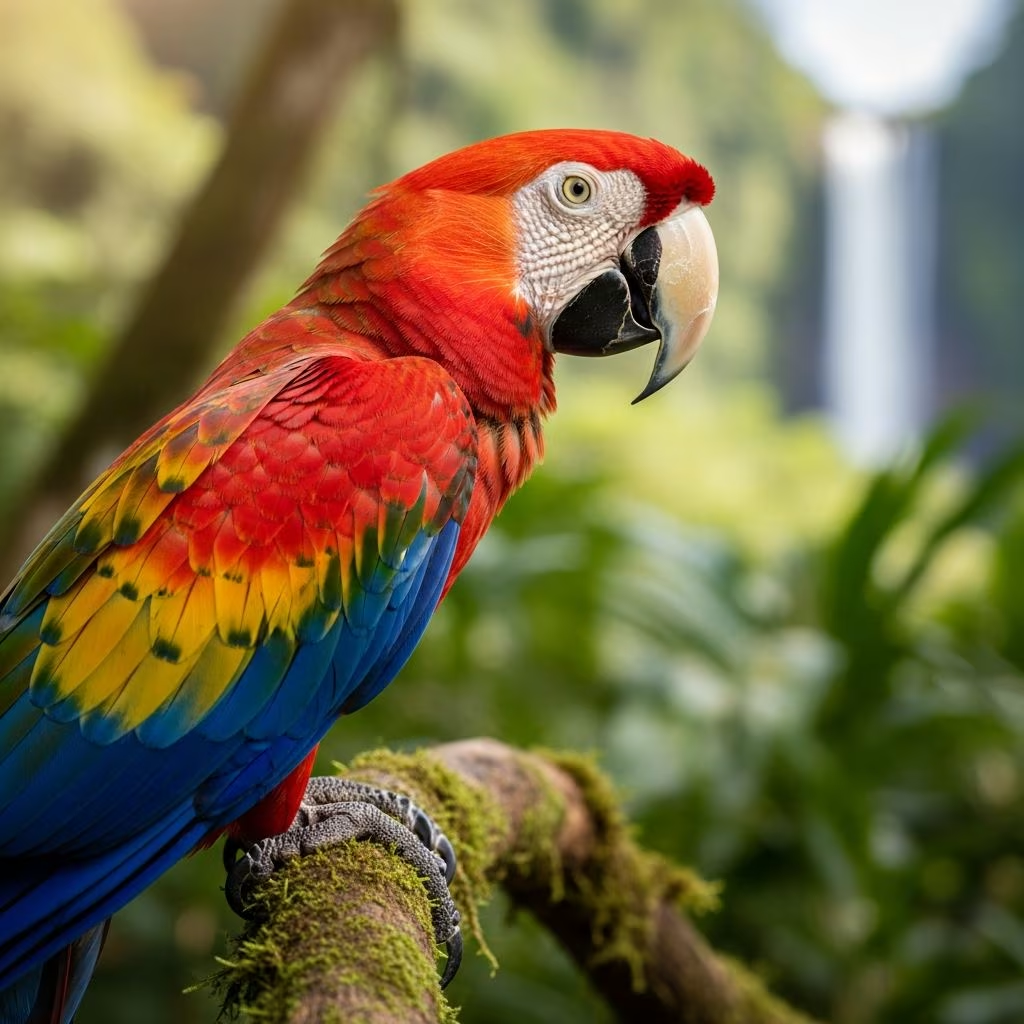
Macaws are among the most spectacular and intelligent birds in the world, captivating people with their vibrant plumage, impressive size, and engaging personalities. However, owning a macaw is a significant commitment that requires extensive knowledge, preparation, and dedication. If you’re considering bringing one of these magnificent birds into your home, understanding these 12 essential facts about macaws will help you make an informed decision and provide the best possible care.
1. Macaws Are Large, Magnificent Birds That Require Substantial Space
One of the most important things to understand about macaws is their sheer size. These birds can measure up to 3-4 feet in length, making them some of the largest parrots in the world. Their impressive wingspan and powerful bodies require adequate space to move comfortably. A cramped living environment can lead to behavioral problems, physical health issues, and psychological distress.
When considering housing, space should be your primary priority. The minimum cage size should be 65 inches wide by 30 inches deep by 75 inches high, though larger is always better. Open-top cages with perching areas are ideal for hand-raised birds as they provide more freedom and interaction opportunities with their family. The cage should never be placed directly in front of a window, as this can cause stress and temperature fluctuations.
2. Proper Nutrition Is Critical for Health and Longevity
A balanced diet is fundamental to maintaining your macaw’s health and well-being. Unlike smaller parrot species, macaws require a diet that includes a little more fat than most other parrots. The foundation of their diet should consist of high-quality formulated pellets specifically designed for large parrots, which should comprise 40-70% of their daily intake.
Fresh fruits and vegetables should be offered daily to provide essential vitamins, minerals, and fiber. Excellent vegetable options include carrots, beans, peas, corn, broccoli, and spinach. For fruits, apples (without seeds), various berries, and tropical fruits are beneficial. However, certain foods are toxic and must never be offered: avocado, chocolate, salt, and caffeine are all dangerous for macaws.
Additionally, macaws benefit from high-quality mixed seeds, soaked and sprouted pulses, whole grains, and occasional nuts like Brazil nuts, which provide necessary fats. Small portions of lean protein, such as boiled eggs or white chicken meat, can be included to enhance their diet. Fresh water should always be available and changed daily, as many macaws enjoy dunking their food in water.
3. Macaws Have Complex Social Needs and Require Daily Interaction
In the wild, macaws are highly social birds that live in flocks and maintain strong pair bonds. As pets, they require daily socialization with their human family members, whom they consider part of their flock. Macaws that don’t receive adequate social interaction often develop behavioral problems including aggression, biting, high-pitched screaming, and feather destruction.
These birds are intelligent and emotionally sophisticated, forming deep bonds with their owners. They need regular out-of-cage time to play, interact, and explore their environment. Never leave your macaw unattended when it’s outside its cage, and always ensure other family pets are kept separate to prevent any chance of injury.
4. Intelligence Demands Environmental Enrichment and Mental Stimulation
Macaws are exceptionally intelligent birds that require constant mental stimulation to prevent boredom and behavioral issues. Providing a variety of toys is essential for their psychological well-being. Toys should include soft wood tree branches, rope toys, cardboard toys, wooden toys, and leather items (vegetable-tanned only).
These aggressive chewers will destroy toys regularly, which is normal and healthy behavior. Perches and toys should be inspected daily for wear and replaced frequently. Rotating toys every week or two provides novelty and keeps your macaw engaged. Simple enrichment activities, such as hiding food in cardboard toilet rolls, can provide hours of entertainment. Toys that can be manipulated with their powerful feet are especially appreciated.
5. Grooming and Bathing Are Essential for Feather and Skin Health
In their natural habitat, macaws maintain their plumage by flying through wet leaves and rain. As pets, they require regular bathing to maintain feather health and hygiene. Bathing should be offered 3-5 times weekly through misting with a spray bottle or on a shower perch. Many macaws enjoy being sprayed with water from a hand sprayer, though care should be taken not to soak them completely or expose them to drafts while drying.
Professional grooming for beak and nail trims is recommended, as these tasks can be detrimental to the bird if done incorrectly and are often stressful when performed by untrained individuals. The nails of macaws can become long and sharp, requiring regular attention. Regular grooming sessions can become rewarding bonding moments between you and your bird.
6. Specialized Veterinary Care Is Necessary for Long-Term Health
Establishing a relationship with an avian veterinarian is crucial before bringing a macaw into your home. Regular check-ups every 6-12 months are important because birds are excellent at hiding illnesses until problems become severe. Early detection through routine veterinary exams can prevent serious health complications.
Any sudden changes in behavior, feeding habits, or stool appearance should warrant a veterinary examination, as these can be signs of illness or medical concerns. Additionally, microchipping is highly recommended, as it allows your contact details to be easily found if your bird escapes or becomes lost.
7. Macaws Need Proper Perching for Foot Health and Comfort
Perches are fundamental to your macaw’s physical health and comfort. You should provide a variety of perch sizes and materials to promote proper foot health and reduce pressure on any one area. Natural perches from native trees, such as eucalyptus, gum, grevillea, bottle brush, and lilly pilly, are ideal as they naturally vary in size and diameter.
Perches should be placed at various heights throughout the cage, with the softer perch being the highest, as this is where most parrots prefer to sleep. Natural wood perches also encourage natural beak maintenance and chewing behavior, allowing your macaw to properly exercise its feet and beak as it chews and strips the bark.
8. Lighting and Environment Affect Behavior and Health
Macaws are early risers, and proper lighting is important for their well-being. These birds require access to natural sunlight and well-lit environments, though direct sunlight exposure in the cage can cause stress and overheating. It’s important that macaw rooms are well lit and offer natural sunlight, but cages should never be placed directly in front of a window.
Lighting conditions influence sleep patterns and hormonal balance. At night, cages should be covered with a sheet or cage cover to prevent drafts and reduce visual stress, helping your macaw sleep properly. Adequate sleep is essential, as long-day light exposure can stimulate unwanted breeding behaviors.
9. Daily Cleaning and Sanitation Prevent Disease
Macaws are naturally messy birds, making regular cage maintenance essential for their health. Daily cleaning of the cage, specifically removing soiled perches and waste, prevents bacterial growth and disease. Weekly deep cleans are necessary due to the size and messiness of macaws.
Food and water dishes must be kept clean and washed daily to prevent bacterial overgrowth and food spoilage. Fresh food should not be left in the cage for extended periods, as spoiled fruit can gather bacteria and yeasts that can make your bird ill. Food and water should be placed where the bird can easily access them while being kept away from areas under perches to avoid fecal contamination.
10. Vitamin Supplements Support Long-Term Health
If your macaw is on a well-balanced diet with adequate fresh fruits and vegetables, vitamin supplements may not be necessary. However, calcium supplementation is particularly important, especially during the first year of life. Calcium and iodine can be provided through cuttlebone and iodine bells.
If you choose to supplement, vitamin supplements such as Soluvite D or Multivet can be added to your macaw’s water 2-3 times per week. Worming should be repeated every three months with a broad-spectrum bird wormer to prevent parasitic infections. A good quality calcium supplement should be given at least 3 times per week for the first year.
11. Behavioral Issues Often Signal Health or Environmental Problems
Behavioral changes in macaws—such as biting, high-pitched screaming, feather destruction, or aggression—can indicate either boredom and loneliness or underlying medical concerns. Any sudden change in behavior warrants a veterinary examination to rule out health problems before addressing behavioral issues through environmental modifications or additional training.
Providing adequate social interaction, environmental enrichment, proper diet, and healthcare typically prevents most behavioral problems. However, if behavioral issues persist despite meeting all these needs, professional guidance from an avian behaviorist or veterinarian may be necessary.
12. Macaws Require Long-Term Commitment and Preparation
Before acquiring a macaw, you must understand the magnitude of the commitment. These birds can live 40-60 years or longer in captivity, meaning they may outlive their owners. They require substantial financial investment in proper housing, veterinary care, quality nutrition, toys, and enrichment activities.
Your home must be macaw-proofed, and you should have access to an avian veterinarian. You’ll need to be prepared to spend significant time daily on social interaction, cage maintenance, and enrichment activities. This is not a bird for casual pet owners; it’s a commitment to providing decades of care for an intelligent, social, and demanding animal.
Frequently Asked Questions About Macaws
Q: How long do macaws live?
A: Macaws typically live 40-60 years or longer in captivity with proper care, making them a lifelong commitment.
Q: Can macaws be left alone?
A: No, macaws should never be left alone for extended periods. They are highly social birds that need daily interaction and can develop behavioral problems if isolated.
Q: What is the best diet for macaws?
A: A balanced diet includes high-quality pellets (40-70%), fresh vegetables and fruits daily, occasional nuts, and protein sources like boiled eggs or lean chicken.
Q: Do macaws need toys?
A: Yes, toys are essential for mental stimulation and preventing boredom. Macaws are aggressive chewers and need durable toys that should be rotated weekly.
Q: How often should macaws bathe?
A: Macaws should bathe 3-5 times weekly through misting with a spray bottle or showering on a perch to maintain feather health.
Q: Are macaws loud?
A: Yes, macaws can be very vocal and loud, especially in the early morning. They can communicate through various calls and may scream if bored or stressed.
References
- How to look after a Blue And Gold Macaw — Kellyville Pets. https://www.kellyvillepets.com.au/pages/how-to-look-after-a-blue-and-gold-macaw-kellyville-pets
- Caring For Your Pet Macaw — Pender Veterinary Centre. https://www.pendervet.com/blog/caring-for-your-pet-macaw
- Macaw Care — Chicago Exotics Animal Hospital. http://www.exoticpetvet.com/macaw-care.html
- Blue and Gold Macaw – Profile & Care Guide — Parrot Essentials. https://parrotessentials.co.uk/blog/blue-and-gold-macaw-profile-care-guide
- The Ultimate Guide to Owning a Macaw — Vet Verified. https://vetverified.com/articles/the-ultimate-guide-to-owning-a-macaw
- How to keep your macaw healthy and happy! — The Unusual Pet Vets. https://www.unusualpetvets.com.au/wp-content/uploads/2018/05/Macaw-Care-Sheet.pdf



