

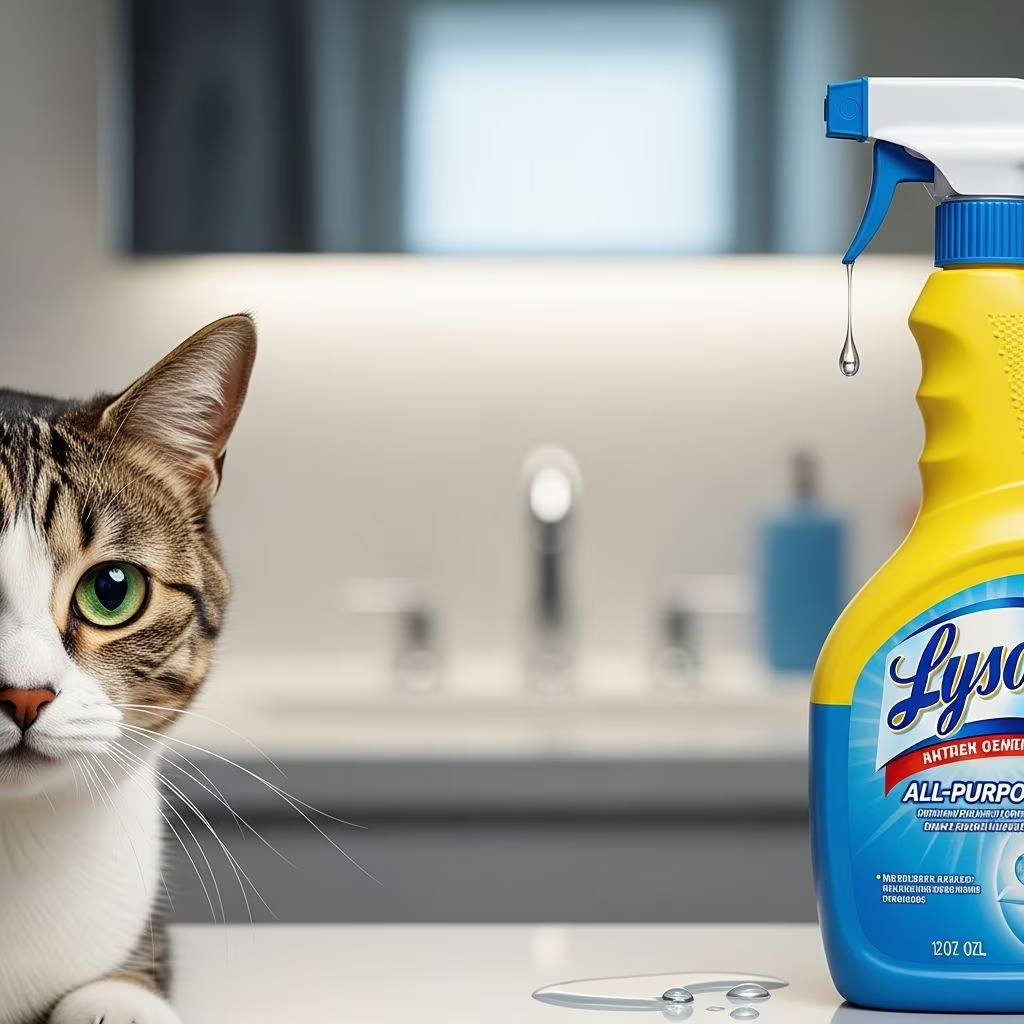
Cleaning products like Lysol contain potent chemicals that effectively kill germs but can harm cats through skin contact, inhalation, or ingestion during grooming. Benzalkonium chloride, a common active ingredient, acts as a cationic detergent irritating to feline systems, leading to delayed symptoms if cats walk on treated surfaces or lick residues.
Understanding the Chemical Dangers in Lysol
Lysol relies on quaternary ammonium compounds (QACs) such as benzalkonium chloride (BAC) for disinfection. These cationic detergents disrupt cell membranes in pathogens but also irritate mucous membranes and skin in animals. Cats lack sufficient UDP-glucuronosyltransferase enzyme, making them vulnerable to certain disinfectants, though BAC primarily causes irritation rather than metabolic breakdown issues seen with phenols.
Modern Lysol formulations may avoid older toxins like phenols or pine oil, but BAC remains a concern. Exposure often occurs indirectly: cats tread on sprayed floors, then groom paws, ingesting residues. Inhalation of aerosolized particles during cleaning adds respiratory risks.
Common Exposure Routes for Household Cats
- Skin Contact: Walking on freshly cleaned surfaces transfers chemicals to paws, leading to grooming ingestion.
- Inhalation: Sprays release vapors irritating airways, especially in poorly ventilated rooms.
- Ingestion: Direct licking of treated areas or contaminated fur during self-cleaning.
- Ocular Exposure: Splashes causing eye irritation or corneal damage.
These routes amplify during frequent cleaning, as in pandemic scenarios, heightening toxicity risks without precautions.
Recognizing Symptoms of Lysol Exposure
Symptoms from BAC in Lysol often delay by hours, complicating early detection. Respiratory signs from inhalation include sneezing, coughing, watery eyes, rapid breathing, open-mouth breathing, and bluish gums indicating oxygen deprivation.
| Exposure Type | Symptoms |
|---|---|
| Inhalation | Sneezing, coughing, watery eyes, trouble breathing, open-mouth breathing, bluish gums |
| Skin Contact | Redness, irritation, sores, blisters, rash, chemical burns |
| Ingestion/Grooming | Drooling, vomiting, oral ulcers, throat irritation, overgrooming, hair loss, itchy skin |
| Severe Cases | Pawing at mouth, lethargy, tremors, respiratory distress |
Skin reactions manifest as bumps, hair loss from excessive licking, or dermatitis. Oral exposure causes ulcers and hypersalivation.
Immediate Actions if Exposure Occurs
If suspecting Lysol contact, act swiftly: remove cat from area, rinse affected skin or eyes with lukewarm water for 15-20 minutes, and prevent further grooming. Do not induce vomiting without vet guidance, as some chemicals worsen esophageal damage.
Contact a veterinarian or pet poison hotline immediately. Provide product details for targeted advice. Delays exacerbate irritation to gastrointestinal or respiratory tracts.
Veterinary Treatment Approaches
Treatment focuses on decontamination, symptom relief, and support. Common interventions include:
- IV fluids for hydration and flushing toxins.
- Anti-emetics and gastroprotectants for GI upset.
- Pain relief and anti-inflammatories for irritation.
- Antibiotics if secondary infections arise.
- Oxygen therapy for breathing issues.
Monitoring vital signs ensures recovery; most mild cases resolve with prompt care.
Preventing Lysol Toxicity in Cat Homes
Proactive steps minimize risks:
- Confine cats to safe rooms during cleaning.
- Allow surfaces to dry completely before access.
- Ventilate spaces to disperse vapors.
- Wipe residues with damp cloths post-drying.
- Store products securely out of reach.
Avoid spraying near litter boxes or bedding where urine or organic matter could react, forming hazardous byproducts.
Safer Disinfectant Alternatives for Cat Owners
Opt for cat-friendly options over QAC-based Lysol. Veterinary guidelines recommend:
| Disinfectant | Pros | Cons | Safe for Cats? |
|---|---|---|---|
| Accelerated Hydrogen Peroxide (AHP) | Broad-spectrum, fast-acting, low residue | Less stable, needs proper dilution | Yes, if rinsed |
| Ethanol (70%+) | Virucidal, evaporates quickly | Flammable, oral toxicity | Moderate; ventilate |
| Peracetic Acid (PAA) | Cold-active, potent against spores | Corrosive odor | Yes, diluted and rinsed |
| Bleach (Diluted 1:32) | Economical, effective | Irritant fumes, not for organics | Yes, well-rinsed |
Avoid phenols, essential oils (tea tree, clove), and high-QAC products due to feline enzyme deficiencies and resistance risks. Silver-based or UV methods show promise for future use.
Long-Term Health Implications and Resistance Concerns
Repeated low-level QAC exposure fosters bacterial resistance, crossing to antibiotics like chloramphenicol, posing public health threats. In cats, chronic irritation may lead to dermatitis or respiratory sensitivity.
Household studies link cleaning chemical overuse to feline asthma exacerbations, underscoring moderation.
FAQs on Lysol and Cat Safety
Is all Lysol toxic to cats?
Most formulations contain BAC or similar irritants; check labels and avoid direct exposure.
Can cats recover from Lysol poisoning?
Yes, with prompt veterinary care; prognosis improves for mild cases.
What if my cat inhaled Lysol spray?
Move to fresh air, monitor breathing; seek vet if symptoms persist beyond minutes.
Are there Lysol products safe for pets?
No pet-safe Lysol exists; use alternatives like AHP cleaners.
How long after cleaning is it safe for cats?
Wait until fully dry and aired out, ideally 1-2 hours.
Maintaining a hygienic home doesn’t require risking pet health. By selecting appropriate disinfectants and following protocols, cat owners balance cleanliness with safety.
References
- Toxins – Lysol & Other products containing Benzalkonium Chloride — Oakville Vets. 2020-04-15. https://www.oakvillevets.com/blog/233155-toxins-lysol-amp-other-products-containing-benzalkonium-chloride
- GUIDELINE for Disinfectant choice in feline veterinary hospitals — ABCD Cats Vets. 2023-01-01. https://www.abcdcatsvets.org/guideline-for-disinfectant-choice-in-feline-veterinary-hospitals-shelters-and-cat-households/
- Common Cleaning Products That Can Harm Your Pets — PetMD. 2024-06-12. https://www.petmd.com/poisoning/cleaning-products-that-harm-pets
- Disinfectant choices in veterinary practices, shelters and households — PMC (NCBI). 2024-05-20. https://pmc.ncbi.nlm.nih.gov/articles/PMC11148928/
- Myths About Cleaning Solutions Thought to be Toxic to Pets — Patton Vet Hospital. 2022-03-10. https://pattonvethospital.com/blog/121548-toxic-cleaning-solution-myths
- Lysol Allergy and Adverse Reaction in Cats — WagWalking. 2023-11-05. https://wagwalking.com/cat/condition/lysol-allergy-and-adverse-reaction-



