

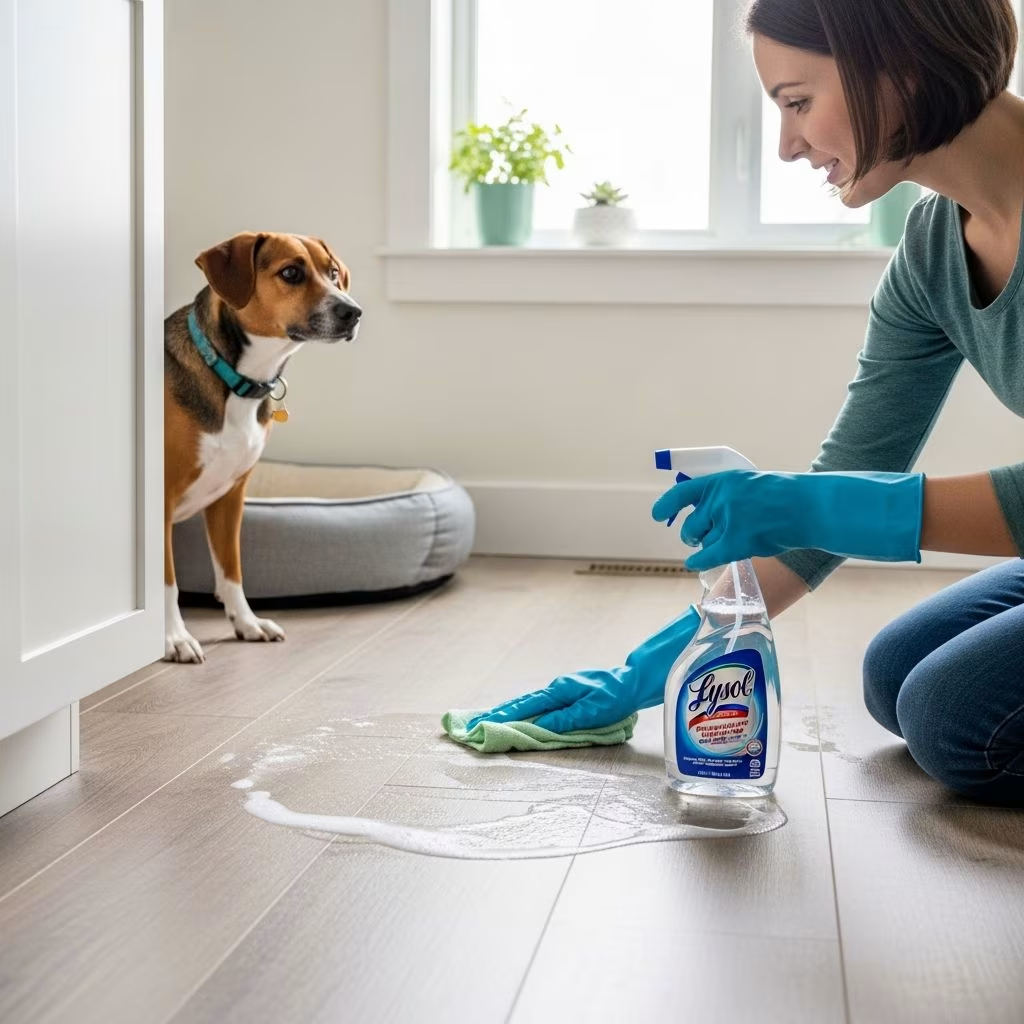
Lysol disinfectants can be incorporated into homes with dogs when applied correctly, but direct exposure risks irritation or gastrointestinal issues due to active chemicals like quaternary ammonium compounds.
Composition of Lysol Products and Canine Vulnerabilities
Lysol formulations primarily rely on benzalkonium chloride, a quaternary ammonium compound effective against microbes but potentially irritating to canine skin, eyes, and digestive systems upon contact or ingestion. These quats disrupt bacterial cell membranes yet can provoke inflammation in pets’ sensitive mucous membranes. Ethanol in some variants adds to respiratory concerns if inhaled in concentrated forms. Dogs, with their grooming habits, face heightened risks from residue on floors or furniture.
- Benzalkonium chloride: Targets pathogens but causes mucosal burns if undiluted.
- Ethanol: Evaporates quickly yet fumes irritate airways in poorly ventilated spaces.
- Other additives: Fragrances may allure curious sniffers, increasing accidental exposure.
Pet-specific Lysol lines, like Pet Solutions, target odors on hard surfaces but mandate animal removal during application and full drying.
Secure Application Methods in Dog Households
To harness Lysol’s disinfecting power without endangering dogs, isolate pets during spraying, ensure thorough ventilation, and verify dryness before re-entry. Cabinets or high shelves prevent access to bottles, curbing impulsive chewing incidents common in puppies.
| Step | Action | Rationale |
|---|---|---|
| 1. Preparation | Relocate dog to another area | Prevents inhalation of aerosolized particles |
| 2. Application | Spray per label dilutions | Minimizes residue potency |
| 3. Post-Cleaning | Air out room 15-30 minutes; wipe/rinse high-touch zones | Eliminates lingering vapors and films |
| 4. Reintroduction | Confirm total dryness | Averts paw-licking ingestion |
For crates or bedding, dilute heavily and air-dry outdoors if feasible, as fabrics retain scents longer.
Recognizing and Responding to Exposure Indicators
Dogs exposed to Lysol may exhibit drooling, paw-chewing, coughing, or lethargy—prompt veterinary consultation is essential. Skin contact demands immediate lukewarm water rinsing for 10-15 minutes; eye exposure requires similar flushing plus professional assessment to rule out corneal damage.
- Mild signs: Excessive licking, mild sneezing—monitor with fresh air exposure.
- Severe signs: Vomiting, labored breathing, eye redness—seek emergency care.
- Ingestion response: Avoid inducing vomit; provide water and contact poison control or vet.
Small breeds and those with pre-existing conditions like asthma amplify symptom severity due to body mass disparities.
Pet-Approved Disinfectant Substitutes
Natural options sidestep chemical hazards: vinegar solutions (1:1 water mix) tackle bacteria mildly; hydrogen peroxide (3%) suits non-porous disinfection; essential oil blends like tea tree demand extreme dilution to evade toxicity. Commercial pet-safe sprays from veterinary channels prioritize enzymatic formulas for organic messes.
| Cleaner | Best For | Safety Notes |
|---|---|---|
| Vinegar + Water | Floors, counters | Non-toxic; repels some pests |
| Hydrogen Peroxide | Hard surfaces | Bleaches fabrics; store securely |
| Baking Soda Paste | Stains, odors | Mild abrasive; rinse thoroughly |
| Enzymatic Cleaners | Pet accidents | Breaks down proteins effectively |
Lysol’s Pet Odor Eliminator suits soft surfaces post-drying, but alternatives excel for daily routines.
Common Queries on Lysol and Canine Coexistence
Are Lysol Wipes Suitable Near Dogs?
Wipes share quat ingredients, so discard used ones securely and dry surfaces fully—avoid direct pet proximity during wiping.
Can Lysol Treat Dog Bowls or Toys?
Steer clear; residue risks oral transfer. Opt for hot soapy water or pet dishwashers instead.
Does Lysol Offer Dog-Specific Formulas?
Pet Solutions line deodorizes messes on hard surfaces, but re-entry follows drying mandates—no direct pet application.
What If My Dog Licks a Lysol-Treated Floor?
Rinse mouth gently; observe for upset stomach and consult vet if persistent.
Is Lysol Riskier for Puppies or Seniors?
Yes, immature or compromised systems heighten toxicity potential—prioritize alternatives.
Balancing Cleanliness and Canine Health Priorities
Vigilant Lysol deployment upholds hygiene sans undue peril, yet integrating gentler cleaners fosters worry-free environments. Routine vacuuming and prompt spill management complement chemical use, diminishing overall disinfectant reliance. Consult vets for tailored regimens, especially amid outbreaks requiring robust sanitation.
Expand cleaning efficacy with zoned approaches: Lysol for human-only zones, naturals for pet hubs. This duality ensures germ control aligns with welfare.
References
- Is Lysol Safe to Use Around Dogs? Vet-Approved Facts & FAQ — Dogster. 2023. https://www.dogster.com/dog-health-care/is-lysol-safe-to-use-around-dogs
- Is Lysol Safe For Pets? (Explained) — Karen’s Green Cleaning. 2023. https://www.karensgreencleaning.com/blog/is-lysol-safe-for-pets
- Pet Solutions | Lysol US — Lysol. 2025. https://www.lysol.com/products/pet-solutions/
- Pet-safe coronavirus cleaners — Tampa Veterinary Hospital. 2023. https://www.tampavet.com/DrWebsters-Blog/pet-safe-coronavirus-cleaners/
- LYSOL® Pet Odor Eliminator 15oz | Lysol US — Lysol. 2025. https://www.lysol.com/products/disinfectant-spray/lysol-pet-odor-eliminator-15oz/



