

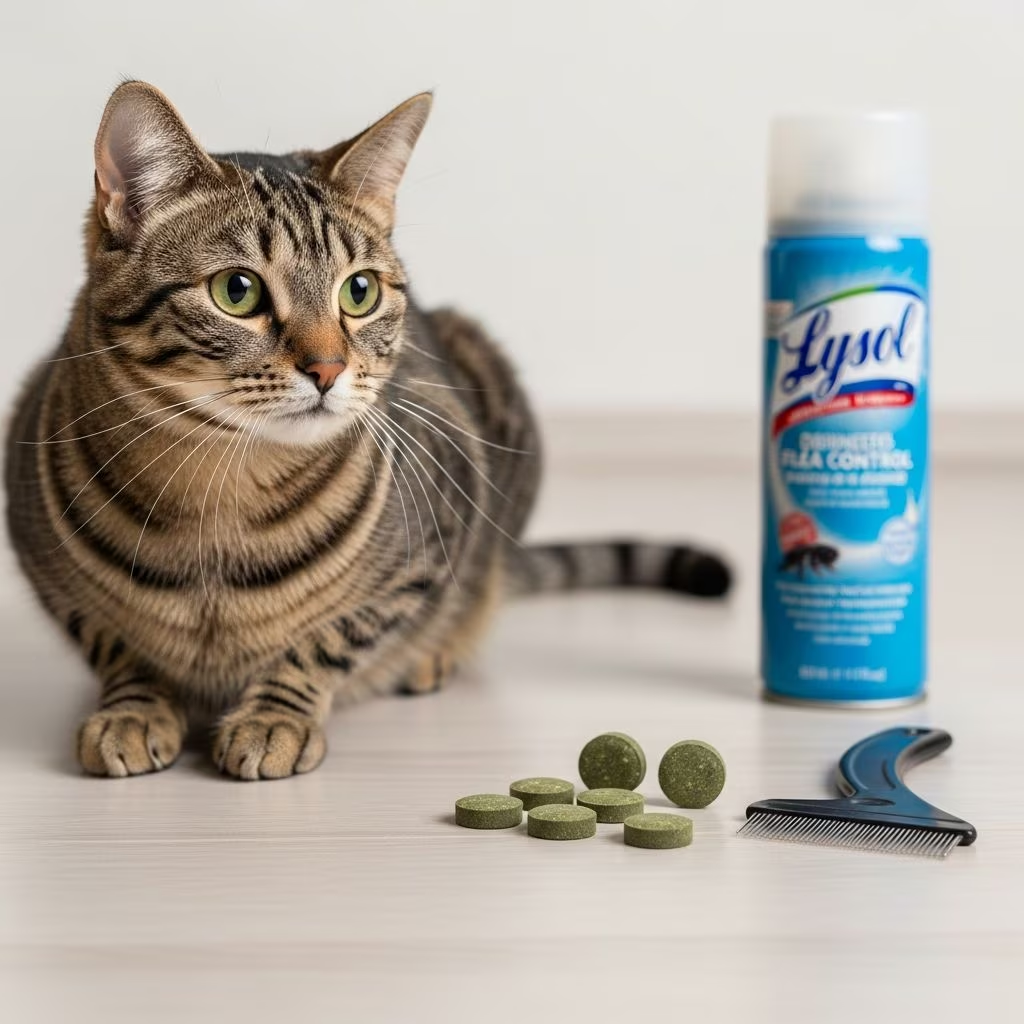
When flea infestations strike, pet owners often reach for household products they already have on hand. Lysol, a common disinfectant found in most homes, might seem like a quick solution. However, using Lysol on or around cats requires careful consideration due to safety concerns and limited effectiveness. Understanding why this product falls short and what alternatives genuinely work is essential for protecting your feline companion while successfully eliminating fleas.
The Chemical Composition and Purpose of Lysol
Lysol is formulated primarily as a disinfectant designed to eliminate bacteria and viruses on hard surfaces. While it may incidentally kill some insects through its antimicrobial properties, the product was never developed or tested specifically for pest control applications. The active ingredients in Lysol work by disrupting cellular membranes in microorganisms, but this mechanism does not necessarily translate to effective flea elimination.
Different Lysol formulations contain varying active ingredients, and some products include phenol, a compound that poses particular risks to feline health. Pet owners should recognize that just because a substance kills germs does not mean it will safely or effectively address parasitic infestations.
Why Lysol Has Limited Effectiveness Against Flea Life Stages
Understanding the flea life cycle is crucial when evaluating any pest control product. Fleas progress through four distinct life stages: eggs, larvae, pupae, and adults. In any given flea infestation, approximately 95 percent of the population exists in pre-adult stages, with only about 5 percent being mature fleas. This distribution creates a major problem when relying on Lysol for flea management.
While Lysol may kill adult fleas on contact through its antimicrobial properties, it offers minimal to no effectiveness against flea eggs and larvae. Flea eggs are protected by a sticky coating that adheres them to fabrics and carpets, while larvae burrow into fibers and cushioning materials. Since Lysol was not designed to penetrate these protective structures or target insect life stages, it cannot interrupt the flea reproductive cycle. Consequently, even if you spray Lysol throughout your home, the infestation will likely persist as eggs hatch and larvae mature into breeding adults.
Health and Safety Concerns When Using Lysol Around Cats
The most significant concern with Lysol is its potential toxicity to cats. Felines are uniquely vulnerable to certain chemical compounds due to their liver’s limited enzymatic capabilities. While this specific concern applies to pyrethrin and pyrethroid compounds in flea treatments, it reflects a broader principle: cats metabolize substances differently than other animals, and products safe for general household use may pose risks in feline environments.
Lysol should never be sprayed directly on cats or applied to their fur, skin, or bedding. Direct contact can cause skin irritation and respiratory irritation if the mist is inhaled. Some Lysol formulations contain phenol, which can be toxic if cats ingest residue through grooming or licking treated surfaces. Even when used on household surfaces, volatile organic compounds released during and after spraying can affect cats in closed spaces.
When using any disinfectant in a home with cats, ventilation is essential, and cats should be confined to separate, unsprayed areas during application and for an extended period afterward.
Surface Limitations and Application Challenges
Lysol works most effectively on hard, smooth surfaces such as tile, wood floors, and countertops. However, fleas concentrate in areas that are difficult to treat with general-purpose disinfectants. Carpets, rugs, upholstered furniture, and bedding—the primary habitats for flea eggs and larvae—are not appropriate surfaces for Lysol application.
Pet bedding, in particular, represents a critical flea hot spot that should never be treated with Lysol. The residues left on fabric can irritate your cat’s skin and cause respiratory issues when the cat lies on the bedding. Furthermore, Lysol cannot penetrate deeply into fabric fibers to eliminate eggs and larvae hiding within cushioning materials.
Why Professional Flea Control Products Are Superior
Products specifically formulated for flea control have been developed through rigorous testing and are designed to target fleas at multiple life stages. Prescription flea preventatives approved by veterinarians contain active ingredients that either kill adult fleas on contact or prevent eggs and larvae from developing into mature insects.
Prescription options such as Advantage II, Bravecto, and Revolution Plus have undergone safety testing specifically in cats and are formulated at appropriate dosages for feline metabolism. These products are designed to work synergistically with environmental control measures rather than as standalone solutions.
Comprehensive Flea Management Strategy
Effective flea control requires a multi-faceted approach rather than reliance on a single product. This integrated pest management strategy includes:
- Treating all cats in the household with veterinarian-prescribed flea preventatives, even if some show no visible symptoms
- Washing pet bedding in hot water regularly to eliminate eggs and larvae
- Vacuuming all carpets, rugs, and upholstered furniture thoroughly, with special attention to areas where cats rest and sleep
- Disposing of vacuum bags or cleaning canister contents after each use to prevent flea reinfestation
- Maintaining year-round flea prevention rather than using seasonal treatment patterns, as warmer winters have extended flea activity
- Using appropriate household disinfectants on hard surfaces where fleas cannot establish breeding populations
This comprehensive approach addresses fleas at every life stage while maintaining a safe environment for your cat.
Understanding Safe Disinfectant Alternatives
If you need to disinfect household surfaces for general cleanliness while maintaining a cat-safe environment, sodium hypochlorite-based disinfectants are relatively safe options around cats and are widely recommended in veterinary settings. However, even these safer alternatives should not be used on surfaces where cats spend considerable time or on their belongings.
When using any disinfectant, ensure proper ventilation, allow surfaces to dry completely, and keep cats away from treated areas until all fumes have dissipated.
Timeline for Flea Elimination
One important consideration is that complete flea elimination takes time. Once a flea preventative lapses, it can take 24 to 48 hours for the next dose to establish protection. This window of vulnerability is critical because a single adult female flea can lay 40 to 50 eggs daily. Consistency with preventative dosing and environmental management is essential for success.
Frequently Asked Questions
Can I Use Lysol on My Cat’s Fur or Skin?
No. Lysol should never be applied directly to your cat’s body. This can cause skin irritation, respiratory distress, and potential toxicity if ingested during grooming.
Is Lysol Safe to Use in Rooms Where Cats Sleep?
It is not recommended. Cats in enclosed spaces can inhale volatile compounds and suffer respiratory irritation. If you must use Lysol indoors, confine your cat to a separate, well-ventilated area and allow sufficient time for fumes to dissipate.
What Should I Do if My Cat Is Exposed to Lysol?
If your cat has direct contact with Lysol or inhales significant amounts, move the cat to fresh air immediately and contact your veterinarian for guidance. Have the product label available to share with the veterinary team.
Why Can’t I Just Spray Lysol on My Cat’s Bedding?
Lysol residues on fabric can irritate your cat’s skin and respiratory system. Additionally, Lysol cannot penetrate fabric fibers to eliminate flea eggs and larvae where they actually hide, making it ineffective for this purpose.
How Often Should I Apply Flea Preventatives to My Cat?
Follow your veterinarian’s specific recommendations, which vary by product. Some are applied monthly, others every two to three months. Never skip doses, as lapsed protection creates windows for flea reinfestation.
Moving Forward with Safe Flea Control
While Lysol may seem like an economical solution for flea problems, its limitations far outweigh any potential benefits. The product was not designed for pest control, offers minimal effectiveness against flea life stages that comprise 95 percent of any infestation, and poses safety risks to cats in your household. Investing in veterinarian-approved flea preventatives and implementing comprehensive environmental management provides superior protection for your feline companion while actually solving the infestation problem.
When facing a flea infestation, consult with your veterinarian to develop a treatment plan tailored to your cat’s age, weight, and health status. Professional guidance ensures you select products proven safe and effective while protecting both your pet and your household.
References
- Does Lysol Kill Fleas? Debunking Myths and Exploring Effective Pest Control Strategies — Dog and Cat Boarding Kennels. Accessed 2026-01-29. https://dogandcatboardingkennels.com/does-lysol-kill-fleas-debunking-myths-and-exploring-effective-pest-control-strategies/
- Does Lysol Kill Fleas? Vet Reviewed Safety & Effectiveness — Hepper. Accessed 2026-01-29. https://articles.hepper.com/does-lysol-kill-fleas/
- Safe Cat Flea Treatments | Preventive Vet — Preventive Vet. Accessed 2026-01-29. https://www.preventivevet.com/cats/safe-cat-flea-treatments-the-danger-of-pyrethrin-and-pyrethroid-toxicity
- GUIDELINE for Disinfectant choice in feline veterinary hospitals, shelters and cat households — ABCD Cats Vets. Accessed 2026-01-29. https://www.abcdcatsvets.org/guideline-for-disinfectant-choice-in-feline-veterinary-hospitals-shelters-and-cat-households/



