

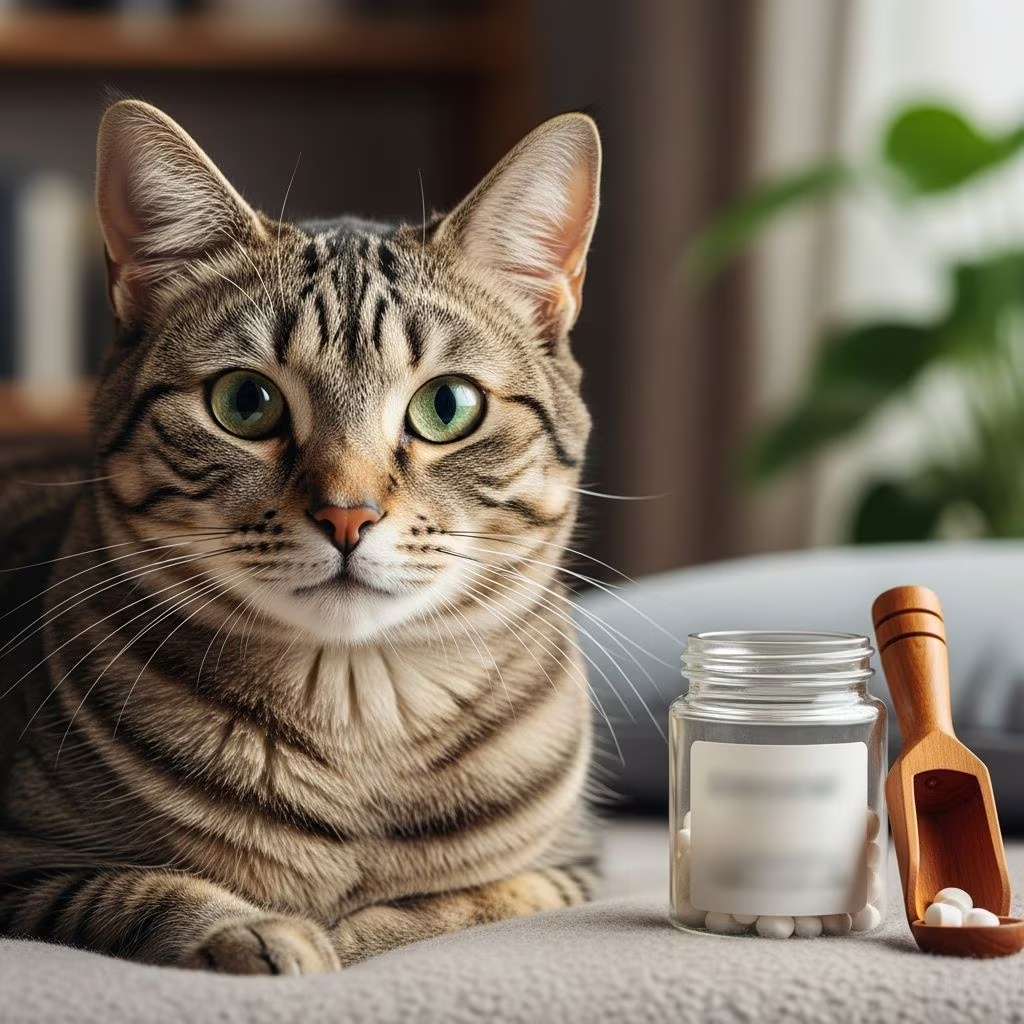
Understanding Lysine for Cats
Lysine, commonly known as L-lysine, is an amino acid supplement that has been widely used in veterinary medicine to address symptoms associated with feline herpesvirus type 1 (FHV-1) infection in cats. This supplement is available under several brand names, including Enisyl-F®, Incremin®, Viralys®, Felisyl®, and Optixcare, making it one of the most commonly recommended treatments for cats experiencing upper respiratory infections and ocular manifestations of herpesvirus.
Cats infected with feline herpesvirus often experience uncomfortable symptoms such as eye inflammation, excessive tearing, sneezing, and nasal discharge. These clinical signs can significantly impact a cat’s quality of life, particularly during stressful situations or periods of immune system compromise. Lysine supplementation has become a popular approach among veterinarians to help manage these symptoms and support the cat’s natural immune response to the viral infection.
What is Lysine?
Lysine is an essential amino acid that plays important roles in various physiological processes within the feline body. Unlike amino acids that cats can synthesize on their own, lysine must be obtained through diet or supplementation. When used therapeutically for herpesvirus infections, lysine is administered as a dietary supplement rather than as a pharmaceutical medication in the traditional sense.
The proposed mechanism of action for lysine in treating feline herpesvirus involves its interaction with another amino acid called arginine. The theory suggests that lysine may interfere with the replication of the FHV-1 virus by affecting arginine concentration in the body. Arginine is believed to be necessary for the herpesvirus to replicate effectively, so theoretically reducing arginine levels through lysine supplementation could help suppress viral replication and associated symptoms.
How Effective is Lysine for Feline Herpesvirus?
The scientific evidence surrounding lysine’s effectiveness for treating feline herpesvirus presents a complex picture. While limited studies have been conducted in client-owned cats, there is anecdotal evidence from pet owners and veterinarians suggesting that lysine may work to suppress symptoms associated with feline herpesvirus infection. Many cat owners report noticeable improvements in their cats’ eye health and respiratory symptoms after beginning lysine supplementation.
However, it is important to note that comprehensive clinical research specifically evaluating lysine’s efficacy in cats remains limited. Most of the theoretical basis for lysine use derives from studies on human herpesvirus type 1 (HHV-1), which shares similarities with feline herpesvirus but exists in a different biological system. Despite the prevalence of lysine recommendations in veterinary practice, with approximately 91% of cat hospitals recommending it according to survey data, the scientific foundation for these recommendations continues to be debated within the veterinary medical community.
When lysine is effective for individual cats, improvements are typically gradual. Most veterinarians advise that this supplement may take several weeks before full therapeutic effects become apparent, though many cats show subtle improvements within the first few days of treatment. This gradual response means consistency and patience are essential when administering lysine to cats with herpesvirus infections.
How is Lysine Administered to Cats?
Lysine supplements for cats are available in multiple convenient formulations, allowing pet owners to choose the option that works best for their specific cat and situation. The various delivery methods make it easier to incorporate lysine into a cat’s daily routine.
Formulation Options
Lysine is available in several different forms to accommodate different administration preferences:
- Powder: The powder form can be mixed into a small amount of the cat’s regular food unless your veterinarian provides different instructions. This format offers flexibility in dosing and is often cost-effective.
- Crushed or Whole Tablets: Some cats may tolerate tablets, which can be given directly or crushed and mixed with food. Tablets offer precise dosing and ease of storage.
- Chewable Tablets: Formulated to appeal to cats’ palates, these tablets may be more palatable than standard tablets for some felines.
- Paste or Gel: These formulations are often highly flavored to encourage consumption and can be applied directly into the cat’s mouth or mixed with food.
- Treats: Specialized treats infused with lysine provide a tasty delivery method that many cats readily consume.
Administration Guidelines
When administering lysine powder, the most straightforward approach is to mix it with a small portion of your cat’s regular food. This ensures the supplement is consumed along with nutrition. However, always follow your veterinarian’s specific instructions, as some formulations or individual cases may require different administration methods.
Consistency is crucial when giving lysine supplements. Establishing a regular daily routine helps ensure your cat receives the supplement as recommended. Most cats adapt well to receiving their daily lysine, especially when it is incorporated into their regular feeding schedule or combined with their favorite treats.
Timeline for Observing Results
Understanding the expected timeline for lysine’s effects helps manage expectations and ensures appropriate continuation of treatment. Results from lysine supplementation are typically gradual rather than immediate:
- Initial improvements may be noticed within the first few days of beginning supplementation
- More significant therapeutic effects generally develop over a period of one to four weeks
- Full effects of the supplement may take several weeks to become completely apparent
- Consistency in daily administration is essential for achieving optimal results
If your cat shows no improvement after four weeks of consistent lysine supplementation, discuss alternative treatment strategies with your veterinarian. Some cats may respond better to other therapeutic approaches or combination treatments.
Safety and Risk Factors
One of the advantages of lysine supplementation is its generally favorable safety profile. Unlike some pharmaceutical medications used in veterinary medicine, lysine has no specific contraindications for the vast majority of cats.
General Safety Profile
Lysine supplementation is considered safe for most cats when administered at appropriate dosages. The supplement has been used extensively in feline medicine without reports of serious adverse effects in the general cat population. This safety profile contributes to its popularity as a first-line supplement for managing feline herpesvirus symptoms.
Special Populations
Pregnant and lactating cats represent a special consideration when using lysine supplementation. While studies specifically evaluating lysine use in these populations are limited, existing evidence suggests that lysine supplementation is likely safe even during pregnancy and lactation. However, veterinarians recommend using lysine cautiously in these animals and consulting with your veterinarian before beginning supplementation if your cat is pregnant or nursing kittens. Your veterinarian can assess the individual risks and benefits for your specific cat.
Important Drug Interactions
While lysine is generally safe, it is important to be aware of potential interactions with other substances. Certain medications and supplements should be used with caution when given concurrently with lysine:
Medications to Use Cautiously with Lysine
- Arginine Supplements: Since lysine’s theoretical mechanism involves interfering with arginine, concurrent use of arginine supplements may counteract lysine’s potential benefits. These should not be given together without veterinary guidance.
- Oral Calcium Supplements: Lysine may affect calcium absorption or metabolism, so oral calcium supplements should be used cautiously when lysine is being administered.
General Interaction Considerations
Vitamins, herbal therapies, and other dietary supplements have the potential to interact with each other as well as with prescription and over-the-counter medications. The interaction potential depends on the specific substances involved and the individual cat’s metabolism and health status.
It is critically important to inform your veterinarian about all medications, vitamins, supplements, and herbal therapies your cat is currently taking before beginning lysine supplementation. This comprehensive disclosure ensures your veterinarian can identify any potential interactions and make the safest recommendations for your cat’s specific situation. Your veterinarian may adjust dosages, adjust timing of administration, or recommend alternative treatments based on your cat’s complete medication profile.
Preventive Use of Lysine
Beyond treating active symptoms of feline herpesvirus, lysine is sometimes recommended for preventive purposes. Some veterinarians suggest starting lysine supplementation before anticipated stressful events that might trigger a herpesvirus flare-up in susceptible cats.
Stressful situations that may trigger herpesvirus reactivation in previously infected cats include:
- Introduction of new pets to the household
- Large social gatherings or parties
- Veterinary visits or medical procedures
- Changes in living environment
- Dietary changes
- Other significant life disruptions
To use lysine preventively, begin supplementation several days before the anticipated stressful event. The goal is to establish adequate lysine levels in the cat’s system so that viral replication is suppressed sufficiently to prevent the virus from taking advantage of the cat’s stressed immune system response. This preventive approach may help reduce the frequency and severity of herpesvirus flare-ups in cats with chronic recurrent infections.
Frequently Asked Questions About Lysine for Cats
Q: How long should I continue giving my cat lysine?
A: The duration of lysine supplementation depends on your individual cat’s response and your veterinarian’s recommendation. Some cats benefit from continuous supplementation, while others may require it only during periods of active symptoms or anticipated stress. Discuss the appropriate duration with your veterinarian based on your cat’s specific situation.
Q: Can lysine cure feline herpesvirus?
A: No, lysine cannot cure feline herpesvirus. Once a cat is infected with FHV-1, the virus remains dormant in nerve tissue for life. Lysine may help manage symptoms and reduce viral replication, but it does not eliminate the virus entirely. The goal of treatment is symptom management and improving quality of life.
Q: Is lysine safe for kittens?
A: Lysine is generally considered safe for kittens with feline herpesvirus infections. Many lysine products are specifically formulated for kittens, and the supplement is commonly used in young cats. However, always use products formulated appropriately for your kitten’s age and weight, and follow your veterinarian’s dosing recommendations.
Q: What are the side effects of lysine in cats?
A: Lysine is well-tolerated by most cats, and serious side effects are rare. Some cats may experience mild digestive upset, but this is uncommon. If your cat experiences any unusual symptoms after beginning lysine, contact your veterinarian.
Q: Can lysine be used for other feline health conditions?
A: Lysine is specifically recommended for feline herpesvirus and associated symptoms. While lysine is a natural amino acid important for overall health, its use as a supplement is primarily indicated for FHV-1 management. Discuss other potential uses with your veterinarian.
Q: Does lysine help with eye infections in cats?
A: Lysine may help reduce ocular symptoms associated with feline herpesvirus, such as eye inflammation and excessive tearing. However, eye infections in cats can have multiple causes. Your veterinarian should examine your cat’s eyes to determine the underlying cause before recommending lysine.
Conclusion
Lysine supplementation has become a widely used approach for managing the symptoms of feline herpesvirus type 1 infection in cats. While scientific evidence supporting its efficacy remains limited compared to pharmaceutical medications, many veterinarians and cat owners report positive experiences with lysine supplementation. The supplement offers several advantages, including multiple convenient delivery methods, an excellent safety profile, and minimal risk of serious adverse effects.
Available in powders, tablets, chewable formulations, pastes, and treats, lysine can be easily incorporated into most cats’ daily routines. Results are typically gradual, with noticeable improvements usually appearing within a few days to several weeks of consistent administration. For cats prone to recurrent herpesvirus flare-ups triggered by stress, preventive lysine supplementation may help reduce symptom severity.
As with any supplement or medication, it is essential to work closely with your veterinarian when considering lysine for your cat. Your veterinarian can assess whether lysine is appropriate for your cat’s specific situation, recommend an appropriate formulation and dosage, and monitor your cat’s response to treatment. By informing your veterinarian about all other medications and supplements your cat is taking, you ensure safe and effective management of your cat’s feline herpesvirus symptoms.
References
- Lysine — VCA Animal Hospitals. 2024. https://vcahospitals.com/know-your-pet/lysine
- Lysine supplementation is not effective for the prevention or treatment of feline herpesvirus 1 infection in cats — National Center for Biotechnology Information (NCBI). 2015. https://pmc.ncbi.nlm.nih.gov/articles/PMC4647294/
- Lysine for Cats: Uses, Dosage, Side Effects — GoodRx. 2024. https://www.goodrx.com/pet-health/cat/lysine-for-cats
- What is L-lysine and How Can It Help Your Cat — Healthy Paws Pet Insurance. 2024. https://www.healthypawspetinsurance.com/blog/what-is-l-lysine-and-how-can-it-help-your-cat
- Tips to prevent goopy eyes in your cat — VCA Animal Hospitals. 2024. https://vcahospitals.com/shop/home/articles/tips-to-prevent-goopy-eyes-in-your-cat



