

Understanding Lysine for Cats
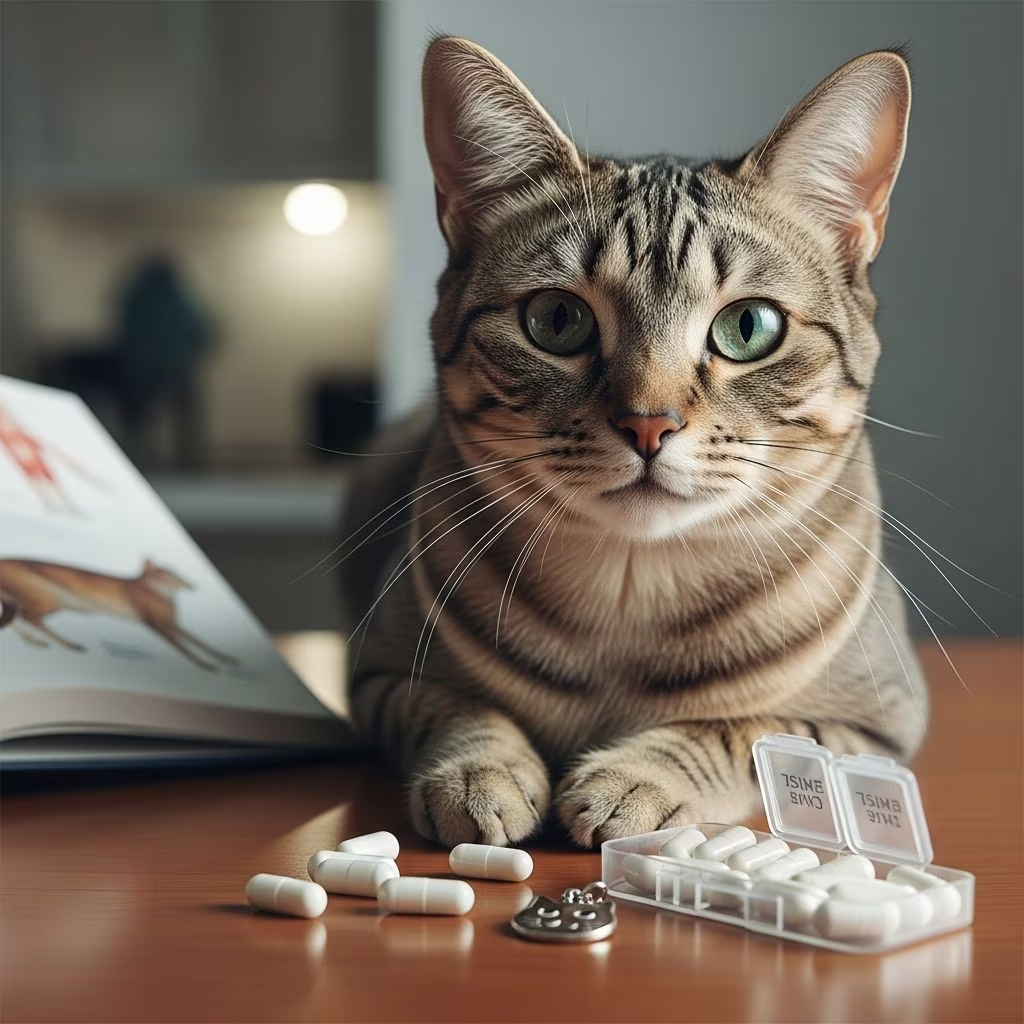
Lysine is an essential amino acid supplement specifically formulated to help manage clinical signs associated with feline herpes virus (FHV-1) infection in cats. This supplement has become widely recommended by veterinarians as a supportive therapy for cats experiencing recurrent upper respiratory infections, eye infections, and other symptoms linked to herpesvirus. Available under multiple brand names including Enisyl-F®, Incremin®, Viralys®, Felisyl®, and Optixcare, lysine supplements are offered in various convenient formats to accommodate different cats and their owners’ preferences.
Feline herpes virus is a common viral infection that affects cats of all ages, though it is particularly problematic in shelters, multi-cat households, and catteries. Once a cat contracts FHV-1, the virus remains dormant in the cat’s body and can reactivate during periods of stress, illness, or immune compromise. The clinical manifestations of feline herpesvirus can range from mild sneezing and nasal discharge to severe eye infections that may lead to corneal ulceration and temporary vision impairment.
How Lysine Works in Cats
The proposed mechanism of action for lysine supplementation involves its interaction with another amino acid called arginine. Research suggests that lysine may interfere with the viral replication process by affecting arginine levels within the body. The theory is that by increasing lysine levels, the ratio between lysine and arginine becomes more favorable for suppressing viral replication. However, it is important to understand that lysine itself does not possess direct antiviral properties; rather, it works by potentially modulating the conditions that allow herpesvirus to multiply.
In the cat’s body, arginine is an amino acid that herpesvirus requires for effective replication. When lysine supplementation increases, it may theoretically lower the amount of available arginine, thereby creating an environment less favorable for viral reproduction. This antagonistic relationship between lysine and arginine forms the basis of lysine therapy for feline herpes virus management.
Effectiveness of Lysine Supplementation
The effectiveness of lysine for treating feline herpes virus remains a subject of ongoing discussion within the veterinary community. Limited controlled studies in privately owned cats have been conducted, but there is considerable anecdotal evidence suggesting that lysine works to suppress the symptoms of FHV-1 infection. Many veterinarians report observing clinical improvements in their patients receiving lysine supplementation, though these observations are largely based on owner-reported symptom reduction rather than rigorous scientific measurement.
It is worth noting that the scientific consensus regarding lysine’s effectiveness has been questioned by some researchers who have conducted systematic reviews of available evidence. Despite these controversies, the supplement remains widely recommended and utilized in veterinary practice due to its long history of use and the generally positive anecdotal reports from both veterinarians and cat owners.
Administration and Dosage Guidelines
Lysine is administered orally to cats and is available in multiple convenient formulations to suit different preferences and individual cat needs. The supplement is offered as a powder, crushed tablet, chewable tablet, or paste/gel formulation.
Administration Methods
Powder Form: When administering lysine powder, mix it thoroughly into a small amount of your cat’s regular food unless your veterinarian directs otherwise. This method works well for cats that readily eat their food. Ensure the powder is completely mixed to guarantee your cat receives the full dose.
Tablets: Crushed tablets can be incorporated into wet food or treats. Some cats may accept chewable tablets as treats. Always follow your veterinarian’s instructions regarding crushing or breaking tablets, as some formulations should not be altered.
Paste/Gel: Paste and gel formulations can be given directly to the cat’s mouth or mixed with wet food. These formulations are often flavored to improve palatability and increase the likelihood that cats will accept them willingly.
Timeline for Results
Patience is essential when beginning lysine supplementation. While this medication can take up to several weeks before achieving full therapeutic effects, gradual improvements are usually noticeable after just a few days of consistent administration. Most veterinarians recommend maintaining lysine supplementation for at least three to four weeks before evaluating its effectiveness.
Dosage Recommendations
Typical lysine dosing for cats varies depending on the specific product and the individual cat’s needs. Most commercial preparations recommend a dosage ranging from 250 to 500 milligrams given once or twice daily. Your veterinarian will determine the appropriate dose based on your cat’s weight, age, overall health status, and the severity of clinical signs.
Safety and Contraindications
Lysine is generally considered a safe supplement for cats when administered as directed. There are no specific contraindications for lysine use in the general cat population. However, certain precautions should be observed in specific situations.
Special Populations
Use lysine cautiously in pregnant and lactating cats, as comprehensive safety studies are limited in these populations. Although lysine supplementation is likely safe during pregnancy and lactation based on available evidence, consulting with your veterinarian before administering lysine to pregnant or nursing cats is prudent.
Potential Side Effects
Adverse reactions to lysine supplementation are uncommon in cats. Some cats may experience mild gastrointestinal upset, including nausea or reduced appetite, when first starting the supplement. These side effects typically resolve after a brief adjustment period. If your cat experiences persistent vomiting, diarrhea, or loss of appetite after beginning lysine supplementation, discontinue the supplement and contact your veterinarian.
Drug Interactions and Medications
Several medications and supplements should be used with caution when given concurrently with lysine supplementation:
Medications to Monitor
Arginine: Do not give lysine supplements together with arginine supplementation, as these amino acids work antagonistically. Using them simultaneously may reduce the potential benefits of lysine therapy.
Oral Calcium Supplements: Lysine may interfere with the absorption of oral calcium supplements. Separate the administration of these two supplements by at least two to three hours to maximize calcium absorption.
General Medication Interactions
Vitamins, herbal therapies, and supplements have the potential to interact with each other and with both prescription and over-the-counter medications. It is absolutely essential to inform your veterinarian about all medications, vitamins, supplements, and herbal therapies your cat is currently receiving. This comprehensive disclosure allows your veterinarian to screen for potential interactions and adjust treatment protocols if necessary.
Preventive Use of Lysine
Beyond treating active infections, lysine can be used preventively in cats prone to recurrent herpes virus outbreaks. Stress is a major trigger for FHV-1 reactivation, and many cats experience symptoms following stressful events such as boarding, veterinary visits, household changes, or the introduction of new animals to the home.
To use lysine preventively, begin supplementation several days before an anticipated stressful situation. The goal is to establish protective lysine levels that can help suppress viral replication and prevent or minimize clinical signs from emerging during the stress period. This preventive approach is particularly valuable for cats with a history of stress-induced herpes virus flare-ups.
Frequently Asked Questions About Lysine for Cats
Q: Is lysine safe for long-term use in cats?
A: Yes, lysine is generally considered safe for long-term supplementation in cats. Many cats receive lysine therapy for months or years without developing adverse effects. Your veterinarian can monitor your cat’s response and adjust dosing as needed.
Q: How quickly will I see improvement in my cat’s symptoms?
A: While full effects may take several weeks, most cat owners notice gradual improvements within a few days of beginning lysine supplementation. Some cats may show more dramatic improvements than others.
Q: Can I stop giving lysine once my cat’s symptoms improve?
A: Do not discontinue lysine without consulting your veterinarian. Your veterinarian will advise whether to continue, reduce, or stop supplementation based on your cat’s individual response and the nature of the infection.
Q: What should I do if my cat refuses to take lysine supplements?
A: Try different formulations available on the market. If your cat refuses tablets or powder, the paste or gel formulations may be more palatable. You can also ask your veterinarian about mixing the supplement with especially tasty foods.
Q: Will lysine prevent my cat from contracting feline herpes virus?
A: Lysine may help reduce the severity of symptoms in already-infected cats, but it is not a preventative vaccine. Vaccination is the primary method for preventing FHV-1 infection in uninfected cats.
Q: Can lysine be given to kittens?
A: Yes, lysine can be given to kittens with FHV-1 infection. Your veterinarian will recommend appropriate dosing based on the kitten’s weight and age.
Consulting Your Veterinarian
Before starting any supplementation protocol, including lysine, schedule a consultation with your veterinarian. Your veterinarian will perform a thorough examination, potentially including viral testing, to confirm that feline herpes virus is responsible for your cat’s clinical signs. This step is essential because other conditions can cause similar symptoms, and misdiagnosis may lead to inappropriate treatment.
Your veterinarian will also review your cat’s complete medical history and current medications to identify any potential interactions or contraindications. They will determine the most appropriate lysine dosage and formulation for your individual cat and establish a monitoring schedule to assess the supplement’s effectiveness. If lysine proves ineffective after an adequate trial period, your veterinarian can recommend alternative or complementary treatment approaches.
Regular communication with your veterinarian ensures that your cat receives optimal care and that any adverse effects are identified and addressed promptly. Your veterinarian remains your best resource for questions about lysine supplementation and your cat’s overall health management.
References
- Lysine — VCA Animal Hospitals. 2024. https://vcahospitals.com/know-your-pet/lysine
- Lysine supplementation is not effective for the prevention or treatment of feline herpesvirus 1 infection in cats — National Institutes of Health, PubMed Central. PMC4647294. https://pmc.ncbi.nlm.nih.gov/articles/PMC4647294/
- Lysine for Cats: Uses, Dosage, Side Effects — GoodRx. 2024. https://www.goodrx.com/pet-health/cat/lysine-for-cats
- What is L-lysine and How Can It Help Your Cat — Healthy Paws Pet Insurance. 2024. https://www.healthypawspetinsurance.com/blog/what-is-l-lysine-and-how-can-it-help-your-cat
- Fortify your cat’s immune system with L-lysine — VCA Animal Hospitals. 2024. https://vcahospitals.com/shop/home/supplements-articles/fortify-your-cats-immune-system-with-l-lysine



