

Lymphoma in Dogs: A Comprehensive Guide to Diagnosis and Treatment
Lymphoma is one of the most common cancers diagnosed in dogs, accounting for a significant portion of canine malignancies. This disease involves the uncontrolled growth of malignant lymphocytes, which are important white blood cells in the immune system. Understanding lymphoma, its signs, diagnosis, and treatment options is essential for dog owners who want to provide the best possible care for their pets. Early detection and appropriate treatment can significantly improve quality of life and extend survival time.
What is Lymphoma?
Lymphoma is a cancer that develops from lymphocytes, a type of white blood cell found throughout the body. These cancer cells can multiply uncontrollably and accumulate in lymph nodes, spleen, liver, bone marrow, and other organs. The disease can progress rapidly or slowly depending on its type and grade. Dogs with lymphoma may have various forms of the disease, each with different characteristics and treatment responses.
The underlying causes of malignant lymphoma in dogs remain incompletely characterized, though research suggests multiple contributing factors. Potential risk factors include infectious viruses or bacteria, environmental contamination with phenoxyacetic acid herbicides, chemical exposures, strong magnetic fields, chromosomal abnormalities, and immune dysfunction. Advanced genetic studies have revealed that lymphoma in dogs can be molecularly distinguished and categorized into discrete groups that correlate with biological aggressiveness.
Types of Lymphoma in Dogs
Veterinarians classify lymphoma into several types based on location and characteristics:
Multicentric Lymphoma: This is the most common form, occurring when cancer cells infiltrate multiple lymphoid tissues throughout the body. Dogs typically present with enlarged external lymph nodes in the neck, armpits, groin, and behind the knees.
Gastrointestinal Lymphoma: This form affects the stomach and intestines, typically presenting with symptoms such as vomiting, watery diarrhea, and weight loss. The diarrhea is often very dark in color.
Mediastinal Lymphoma: This type involves the lymph nodes and tissues within the chest cavity.
Cutaneous Lymphoma: This form affects the skin and may present with lesions or unusual skin changes.
Indolent Lymphoma: This slower-growing form of lymphoma may not require immediate aggressive treatment and can sometimes be managed with low-intensity protocols.
Clinical Signs of Lymphoma
The clinical presentation of lymphoma varies depending on the type and stage of disease. In dogs with multicentric lymphoma, the first sign is often swelling of the lymph nodes, which owners or veterinarians may notice during physical examinations. The lymph nodes most commonly affected include those located in the neck (submandibular lymph nodes), under the jaw, behind the knees (popliteal lymph nodes), and in front of the shoulders (prescapular lymph nodes).
Many dogs do not display clinical signs of illness at the time of initial diagnosis. However, as the disease progresses, additional symptoms may develop:
Common symptoms include:
– Weight loss and decreased or loss of appetite- Lethargy and fatigue- Swelling of the face or legs (edema)- Vomiting and diarrhea- Increased thirst and urination- Difficulty breathing or coughing (if chest lymph nodes are enlarged)- Weakness and general malaise
In dogs with gastrointestinal lymphoma, symptoms specifically include severe gastrointestinal distress with dark-colored diarrhea and significant weight loss. Dogs with enlarged chest lymph nodes may experience respiratory symptoms and difficulty breathing.
Diagnosis of Canine Lymphoma
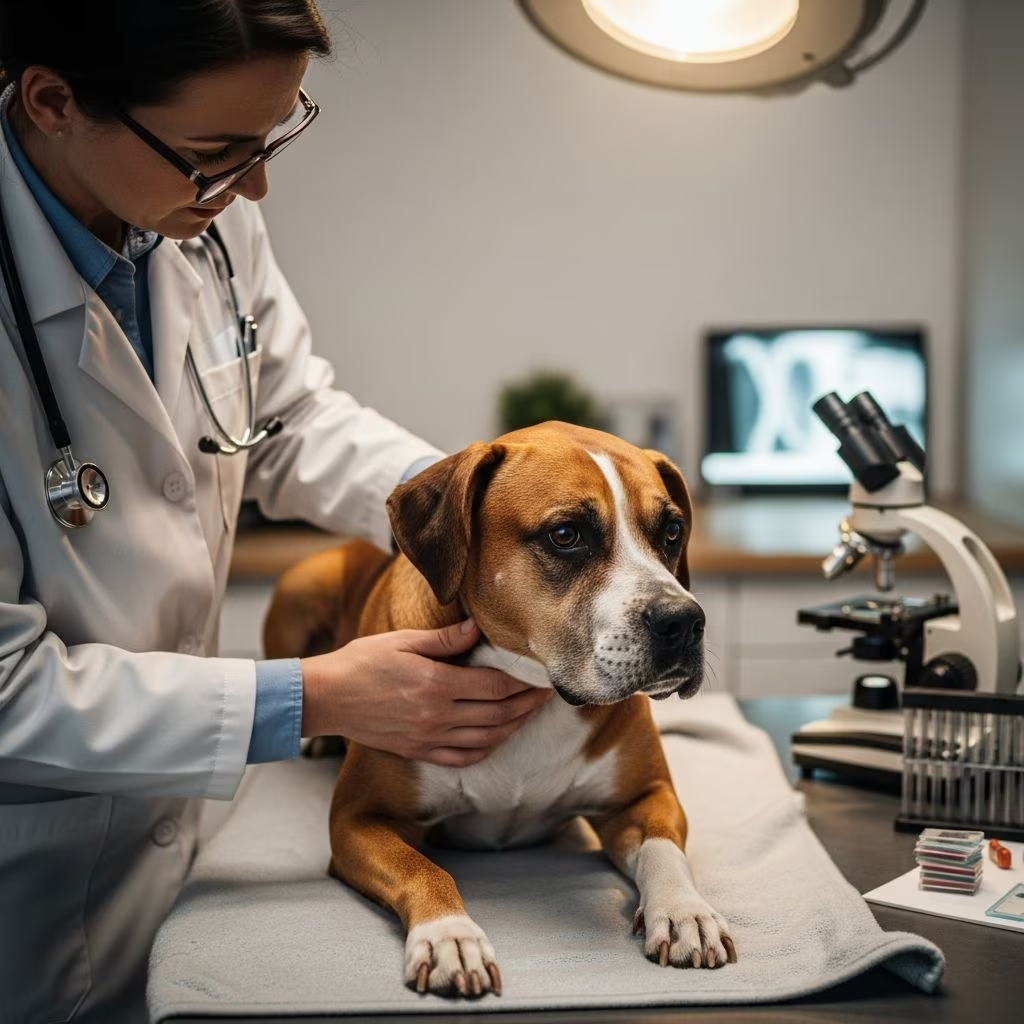
Veterinarians employ several diagnostic methods to confirm lymphoma and determine its type and stage. Diagnosis begins with a thorough physical examination, during which enlarged lymph nodes may be palpated.
Diagnostic techniques include:
– Fine-needle aspiration with cytologic evaluation: A needle is used to collect cells from enlarged lymph nodes, which are then examined under a microscope.- Lymph node biopsy with histologic evaluation: A tissue sample is collected and examined to confirm the diagnosis.- Flow cytometry: This molecular diagnostic technique analyzes cell characteristics to classify lymphoma type.- PCR for antigen receptor rearrangement (PARR) assay: This genetic testing helps identify specific types of lymphoma.- Blood tests and chemistry panels: These assess overall health and organ function.- Imaging studies: Chest radiographs and abdominal ultrasound help identify internal involvement and stage the disease.
Once lymphoma is confirmed, staging helps determine the extent of disease and guides treatment decisions. Staging typically involves imaging to assess whether lymph nodes, organs, and bone marrow are involved.
Lymphoma Treatment Options
Treatment decisions for canine lymphoma depend on the type of lymphoma, stage of disease, dog’s overall health, and owner preferences. The primary goal of treatment is palliative care—improving quality of life and extending survival time—since only a small fraction of dogs achieve a complete cure.
Chemotherapy
Chemotherapy is the most effective and commonly recommended treatment for canine lymphoma. Dogs generally tolerate chemotherapy much better than humans, rarely losing their hair or appearing significantly ill during treatment. Chemotherapy protocols typically consist of injections administered weekly at veterinary clinics.
Standard chemotherapy protocols include:
– CHOP protocol: This multi-agent approach combines cyclophosphamide, doxorubicin (hydroxydaunorubicin), vincristine, and prednisone. CHOP-based protocols are considered highly effective for most lymphoma cases, with initial response rates of 90% or higher. The UW-25 protocol is a variant of CHOP commonly used for multicentric lymphoma.- Lomustine (CCNU): This is considered the most effective protocol for treating cutaneous lymphoma.- Low-intensity protocols: For indolent lymphoma, protocols using chlorambucil and prednisone orally often provide prolonged survival times exceeding 2 years.- Additional agents: L-asparaginase may be added to standard protocols, particularly for clinically ill dogs or cases of relapse.
Benefits of chemotherapy:
– 80-90% of dogs achieve remission with no symptoms at all, with remission lasting an average of 6-12 months- Most dogs experience improved quality of life and greater overall survival time- Dogs tolerate the treatment relatively well compared to humans- Treatment can be adjusted based on response and side effects
Side effects of chemotherapy:
The most common side effects include bone marrow suppression, vomiting, diarrhea, and decreased appetite, though not all dogs experience these effects. These effects are often temporary and usually resolve once treatment is finished or discontinued. Veterinarians can prescribe additional medications to minimize or control these side effects.
Prednisone Monotherapy
Some owners choose to treat lymphoma with steroids alone, particularly if chemotherapy is not an option due to financial constraints or patient factors. Prednisone can temporarily reduce clinical signs and improve comfort, allowing the dog additional time with manageable symptoms.
However, prednisone does not induce remission like chemotherapy does and generally provides less survival benefit than combination chemotherapy protocols. This treatment option is typically considered when chemotherapy is not feasible.
Surgery and Radiation Therapy
In certain cases, surgical intervention or radiation therapy may be recommended. Surgery can be beneficial for dogs with localized and low-grade disease, such as splenic involvement, without requiring adjuvant chemotherapy. Veterinarians may recommend removal of affected lymph nodes or organs in specific situations.
Radiation therapy may be used to kill cancer cells, particularly for localized forms of lymphoma. Recent developments suggest that some dogs could benefit from bone marrow transplants, though this remains experimental and is only available through specialized veterinary centers.
Palliative Care Strategies
Palliative care focuses on maintaining comfort and quality of life, especially when curative treatment is not pursued or has been exhausted. Common strategies include:
– Pain management: Using anti-inflammatories or opioids as needed- Appetite stimulation: Medications such as capromorelin (Entyce) administered daily by mouth help improve appetite and maintain weight- Anti-nausea medication: Medications like maropitant (Cerenia) or ondansetron (Zofran) help control nausea and vomiting- Gastrointestinal support: Probiotics, fiber supplements, bland diets, and certain antibiotics help control diarrhea- Nutritional support: High-quality diets tailored to the dog’s needs
Prognosis and Survival Rates
The prognosis for dogs with lymphoma depends on several factors, including the type of lymphoma, stage at diagnosis, response to treatment, and owner commitment to therapy. Dogs with multicentric lymphoma treated with chemotherapy typically experience remission lasting 6-12 months on average. Some dogs achieve longer remission periods with retreatment protocols.
However, eventual disease relapse is expected in most dogs, with disease that progressively becomes refractory to continued treatment. Despite this, lymphoma is considered treatable, and long-lasting remissions can be achieved, allowing dogs additional quality time with their families.
Dogs with indolent lymphoma treated with low-intensity protocols may achieve survival times exceeding 2 years. The stage of cancer at the time of treatment and the treatment choice itself significantly influence outcomes.
Managing Side Effects
While chemotherapy side effects are generally manageable and temporary, proactive management improves the dog’s experience during treatment. Veterinarians can prescribe antiemetics for nausea, antimotility agents for diarrhea, and appetite stimulants to maintain nutrition. Some dogs may benefit from dietary modifications, such as smaller, more frequent meals or easily digestible foods. Regular monitoring through blood work helps detect and address bone marrow suppression early.
Frequently Asked Questions About Canine Lymphoma
Q: How common is lymphoma in dogs?
A: Lymphoma is one of the most common cancers diagnosed in dogs, affecting a significant portion of the canine population. It can occur in dogs of any age but is more common in middle-aged and older dogs.
Q: Can lymphoma be prevented?
A: While prevention is not always possible since causes remain incompletely understood, minimizing exposure to environmental toxins, maintaining a healthy diet, and regular veterinary check-ups can support overall health and early detection.
Q: What is the cost of lymphoma treatment?
A: Chemotherapy costs vary but can range from several hundred to several thousand dollars depending on the protocol and number of treatments required. Financial constraints are a valid reason to discuss alternative options with your veterinarian.
Q: How long does chemotherapy take?
A: Most chemotherapy protocols involve weekly injections over several weeks to months. Treatment duration depends on the specific protocol and the dog’s response to treatment.
Q: Will my dog lose hair during chemotherapy?
A: Unlike humans, dogs rarely lose their hair during chemotherapy. However, they may experience other temporary side effects such as decreased appetite or mild gastrointestinal upset.
Q: Can lymphoma be cured?
A: While complete cure is rare in most cases, lymphoma is considered treatable. Many dogs achieve remission lasting months to years with appropriate treatment, allowing for extended quality time with their families.
Q: What should I do if I notice swollen lymph nodes on my dog?
A: Contact your veterinarian immediately for evaluation. While swollen lymph nodes can have various causes, prompt assessment is important for early detection and diagnosis of any underlying conditions.
Conclusion
Lymphoma in dogs is a serious diagnosis, but with modern treatment options and supportive care, many dogs can achieve remission and extended quality of life. Chemotherapy remains the most effective treatment, offering high response rates and good tolerability in most dogs. Whether pursuing aggressive treatment or palliative care, working closely with your veterinarian to develop an appropriate treatment plan tailored to your dog’s specific situation is essential. Early detection, prompt diagnosis, and timely initiation of treatment provide the best opportunity for positive outcomes.
References
- Canine Lymphoma Research — College of Veterinary Medicine, Purdue University. 2025. https://vet.purdue.edu/wcorc/cancer-research/canine-lymphoma-research.php
- Lymphoma in Dogs — VCA Animal Hospitals. 2025. https://vcahospitals.com/know-your-pet/lymphoma-in-dogs
- Lymphoma in Dogs: Treatment, Palliative Care, and When It’s Time — Paws at Peace. 2025. https://pawsatpeace.com/lymphoma-in-dogs/
- Lymphoma in Dogs – Circulatory System — MSD Veterinary Manual. 2025. https://www.msdvetmanual.com/circulatory-system/lymphoma-in-dogs/lymphoma-in-dogs
- Lymphoma in Dogs: Signs, Stages, Treatment, and Prognosis — Best Friends Animal Society. 2025. https://bestfriends.org/pet-care-resources/lymphoma-dogs-signs-stages-treatment-and-prognosis
- Lymphoma in Dogs: Symptoms, Diagnosis, and Treatment — American Kennel Club. 2025. https://www.akc.org/expert-advice/health/lymphoma-in-dogs/
- Canine Lymphoma – AKC Canine Health Foundation — AKC Canine Health Foundation. 2025. https://www.akcchf.org/disease-history/canine-lymphoma/



