

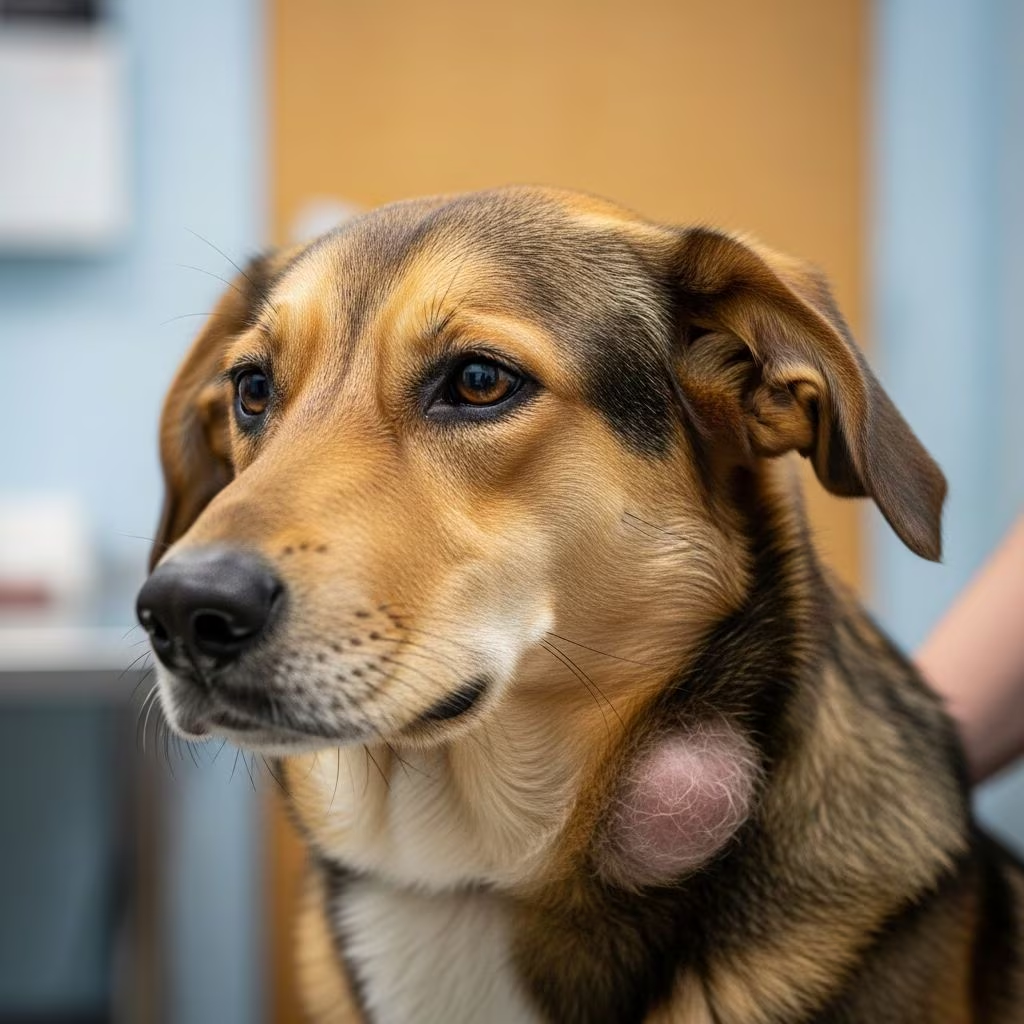
Lymphoma represents one of the most prevalent cancers in dogs, originating from lymphocytes, a type of white blood cell crucial to the immune system. This disease often manifests as abnormal cell growth in lymph nodes and various organs, requiring prompt veterinary intervention for optimal management.
Understanding the Nature of Canine Lymphoma
At its core, lymphoma involves the uncontrolled proliferation of lymphocytes, which can infiltrate multiple body systems. While the precise causes remain multifactorial, potential contributors include genetic predispositions, environmental exposures such as herbicides, and immune system irregularities. Advanced genetic analyses have identified distinct molecular subtypes, each with varying levels of aggressiveness.
Dogs of any age or breed can develop lymphoma, though certain breeds like Boxers, Golden Retrievers, and Bulldogs show higher susceptibility. Early recognition is vital, as this cancer progresses rapidly without treatment.
Primary Types of Lymphoma Affecting Dogs
Canine lymphoma presents in several forms, each targeting specific anatomical regions:
- Multicentric lymphoma: The predominant variant, accounting for 80-85% of cases, characterized by widespread lymph node enlargement throughout the body.
- Alimentary lymphoma: Targets the gastrointestinal tract, leading to digestive disturbances.
- Mediastinal lymphoma: Involves the chest cavity, particularly the thymus and mediastinal lymph nodes, often resulting in respiratory issues.
- Cutaneous lymphoma: A less common skin-based form, presenting as lesions or plaques.
- Extranodal lymphoma: Affects sites outside lymph nodes, such as eyes, kidneys, or central nervous system.
These classifications guide diagnostic and therapeutic strategies, with multicentric being the most frequently encountered.
Recognizing Early Warning Signs
Owners play a critical role in identifying lymphoma through observable changes. The hallmark of multicentric lymphoma is painless swelling of peripheral lymph nodes, notably submandibular (under the jaw), prescapular (front leg), axillary (armpit), inguinal (groin), and popliteal (behind the knee).
Additional symptoms vary by type but commonly include:
- Lethargy and reduced energy levels.
- Appetite loss and unintended weight reduction.
- Vomiting, dark diarrhea, or abdominal discomfort in alimentary cases.
- Respiratory distress, coughing, or facial/leg swelling if chest or vascular involvement occurs.
- Polyuria (excessive urination) and polydipsia (increased thirst).
Many dogs appear clinically normal initially, with symptoms emerging as the disease advances untreated.
Diagnostic Approaches for Accurate Confirmation
Veterinarians employ a multi-step process to confirm lymphoma and assess its extent. A thorough physical examination often reveals enlarged, non-painful lymph nodes. Cytological evaluation via fine-needle aspiration provides rapid preliminary diagnosis, while biopsy offers definitive histological analysis.
Staging involves:
| Diagnostic Test | Purpose |
|---|---|
| Complete blood count (CBC) and chemistry panel | Detect anemia, organ dysfunction, or hypercalcemia. |
| Urinalysis | Assess kidney involvement or infection. |
| Chest/abdominal radiographs | Identify thoracic or abdominal masses. |
| Abdominal ultrasound | Evaluate spleen, liver, and intestinal tract. |
| Bone marrow aspirate | Check for marrow infiltration in advanced stages. |
| Flow cytometry or PARR assay | Differentiate lymphoma subtypes molecularly. |
Staging from I (localized) to V (disseminated with marrow involvement) informs prognosis and treatment intensity.
Treatment Strategies: From Chemotherapy to Supportive Care
The cornerstone of lymphoma management is chemotherapy, achieving remission in 80-90% of cases. Multi-agent protocols like CHOP (cyclophosphamide, doxorubicin [hydroxydaunorubicin], vincristine [Oncovin], prednisone) are standard for high-grade forms, administered weekly via injections or orally.
Dogs tolerate chemotherapy remarkably well compared to humans, rarely experiencing hair loss. Common side effects—gastrointestinal upset, myelosuppression—are manageable with supportive medications.
- Radiation therapy: Ideal for localized or mediastinal lymphomas.
- Surgery: Considered for solitary masses, such as splenic lymphoma.
- Steroid monotherapy (prednisone): Palliative option for non-treatment candidates, inducing temporary remission but risking rapid resistance.
- Emerging therapies: Bone marrow transplants (experimental) or targeted agents for indolent subtypes.
For low-grade cases, oral chlorambucil with prednisone can yield survival exceeding two years.
Prognosis and Factors Influencing Outcomes
Untreated lymphoma leads to death within weeks to months. With prednisone alone, survival averages 1-2 months. CHOP protocols extend median survival to 10-14 months, with 25% of dogs surviving over two years.
Key prognostic factors include:
- Substage (a: no symptoms; b: ill) — substage a fares better.
- Immunophenotype: B-cell responds superiorly to CHOP vs. T-cell.
- Stage and anatomic form: Early, multicentric B-cell offers best outlook.
- Response rapidity: Quick remission predicts longer duration.
Relapse is common, often refractory, necessitating protocol adjustments.
Enhancing Quality of Life During Treatment
Beyond curing, treatment prioritizes comfort. Monitor for side effects, provide anti-nausea drugs, and maintain nutrition. Regular veterinary check-ins track lymph node size and bloodwork. Appetite stimulants and pain management sustain well-being.
Owners should assess quality of life using scales considering eating, mobility, joy, and pain. When these decline irreversibly—e.g., severe infections in cutaneous cases or disinterest in activities—humane euthanasia merits compassionate discussion.
Prevention, Risk Reduction, and Ongoing Research
No guaranteed prevention exists, but minimizing herbicide exposure, supporting immune health via balanced diet and vaccinations, and routine wellness exams aid early detection. Research advances subtype-specific therapies and immunotherapies.
Frequently Asked Questions (FAQs)
What is the most common first sign of lymphoma in dogs?
Swollen lymph nodes, particularly under the jaw or behind the knees.
Do dogs lose their hair during chemotherapy?
Rarely; dogs have different hair follicles than humans.
How long can a dog live with lymphoma untreated?
Typically 4-6 weeks, depending on progression.
Is lymphoma painful for dogs?
Usually not initially, but advanced disease can cause discomfort.
Can lymphoma be cured in dogs?
Cure is uncommon; treatment focuses on remission and extended survival.
This guide equips owners with knowledge to navigate lymphoma, emphasizing veterinary collaboration for tailored care.
References
- Canine Lymphoma Research — Purdue University College of Veterinary Medicine. 2023. https://vet.purdue.edu/wcorc/cancer-research/canine-lymphoma-research.php
- Lymphoma in Dogs — VCA Animal Hospitals. 2024. https://vcahospitals.com/know-your-pet/lymphoma-in-dogs
- Lymphoma in Dogs: Signs, Stages, Treatment, and Prognosis — Best Friends Animal Society. 2024. https://bestfriends.org/pet-care-resources/lymphoma-dogs-signs-stages-treatment-and-prognosis
- Lymphoma in Dogs — Paws at Peace. 2023. https://pawsatpeace.com/lymphoma-in-dogs/
- Canine Lymphoma Awareness — Billings Animal Family Hospital. 2024. https://billingsanimalfamilyhospital.com/post/canine-lymphoma-awareness
- Lymphoma in Dogs — MSD Veterinary Manual. 2025-01-15. https://www.msdvetmanual.com/circulatory-system/lymphoma-in-dogs/lymphoma-in-dogs
- Canine Lymphoma — AKC Canine Health Foundation. 2023. https://www.akcchf.org/disease-history/canine-lymphoma/



