

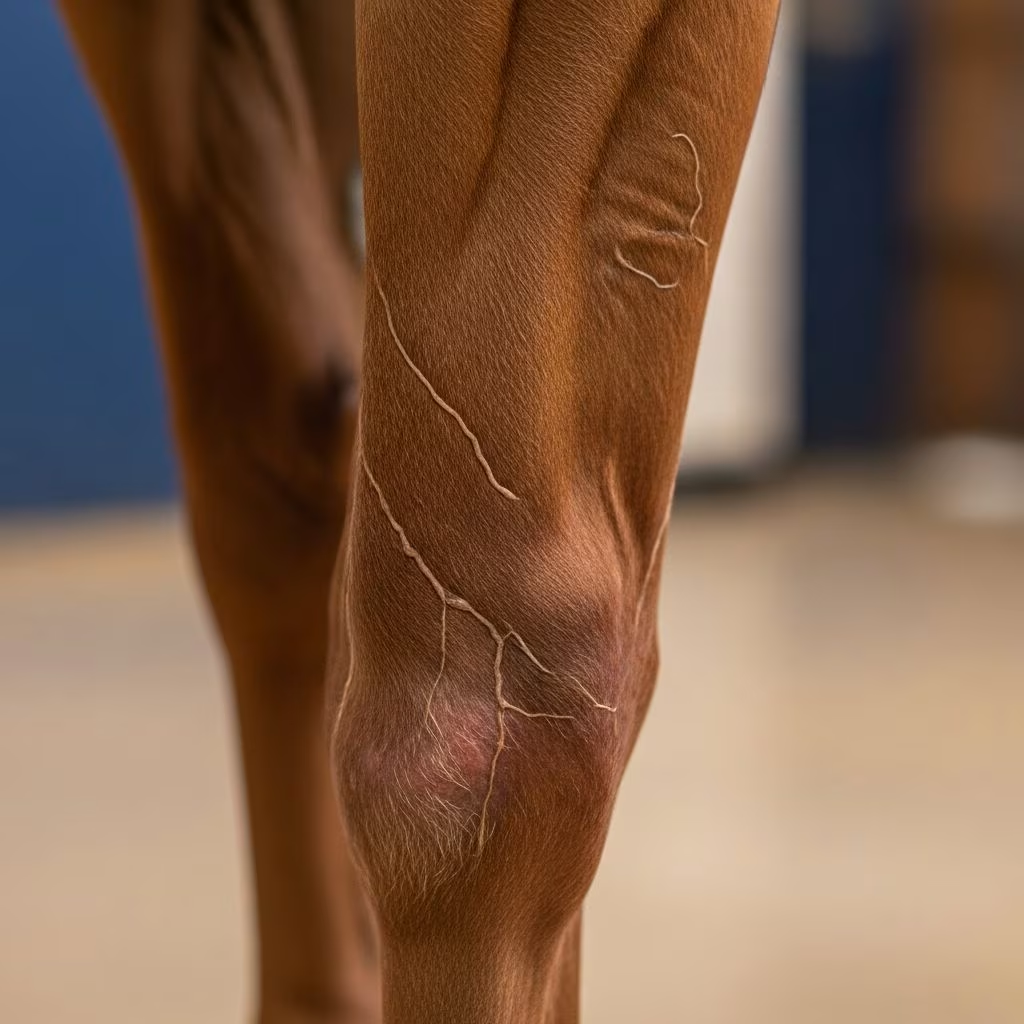
Lymphangitis represents a serious inflammatory condition affecting the lymphatic vessels in horses, primarily manifesting as acute swelling in one or more limbs. This disorder often stems from bacterial invasions through skin breaches, leading to profound discomfort and potential chronic complications if not addressed swiftly.
Understanding the Lymphatic System in Equines
The lymphatic system in horses functions as a vital network responsible for fluid balance, immune defense, and waste removal. Lymph vessels transport clear fluid from tissues back to the bloodstream, filtering pathogens via lymph nodes. In lymphangitis, infection disrupts this flow, causing fluid accumulation, tissue damage, and systemic illness.
Unlike veins, lymphatic vessels lack robust muscular walls, relying on limb movement for propulsion. When inflamed, they fail to drain effectively, exacerbating swelling and fostering abscess formation. This vulnerability explains why lower limbs, prone to injuries in muddy or abrasive environments, are common sites.
Primary Causes and Risk Factors
Bacterial pathogens predominate in equine lymphangitis cases. Common culprits include Corynebacterium pseudotuberculosis, Staphylococcus aureus, Streptococcus species, and Escherichia coli. These microbes enter via cuts, scrapes, or punctures, thriving in compromised skin barriers softened by moisture.
Fungal variants, such as epizootic lymphangitis from Histoplasma farciminosum, occur less frequently but cause similar vessel inflammation, often in endemic regions. Secondary triggers include untreated cellulitis, where bacterial spread damages lymphatics, transitioning to full lymphangitis.
- Prolonged exposure to wet, muddy conditions erodes skin’s protective oils.
- Minor wounds ignored during turnout or trailering heighten susceptibility.
- Compromised immunity from stress or poor nutrition accelerates infection progression.
Horses in stagnant pastures or those with pre-existing dermatitis face elevated risks, underscoring the need for vigilant wound care.
Recognizing Clinical Signs Early
Symptoms emerge abruptly, often overnight, distinguishing lymphangitis from benign stocking up. A single limb—typically a hind leg—swells dramatically from coronet to hock or knee, feeling hot, tense, and painful to touch.
| Symptom | Description | Severity Indicator |
|---|---|---|
| Swelling | Firm, pitting edema extending proximally | Severe if doughnut-shaped around pastern |
| Pain/Lameness | Non-weight-bearing stance, trembling | Extreme; horse may sweat profusely |
| Systemic Signs | Fever (>101.5°F), depression, anorexia | Critical if lethargy persists |
| Skin Changes | Ulcers, nodules, cracking pastern skin | Worrisome if bleeding or suppurative |
Owners report horses refusing to move, with rapid breathing and elevated heart rates signaling distress. Dark, wart-like proliferations may appear, bleeding when disturbed. Prompt recognition prevents escalation to sepsis or limb necrosis.
Differentiating from Similar Conditions
Lymphangitis mimics cellulitis, edema disease, or thrombophlebitis, necessitating veterinary differentiation. Cellulitis involves subcutaneous tissues without primary lymphatic damage, resolving faster with antibiotics. Stocking up affects multiple legs bilaterally and dissipates with exercise, lacking heat or pain.
Ulcerative forms feature nodules and draining tracts, while sporadic cases show diffuse edema. Ultrasound or cytology aids confirmation, ruling out fractures or tendon injuries.
Diagnostic Approaches
Veterinarians rely on history, physical exam, and targeted tests. Limb inspection reveals characteristic heat and edema patterns. Ultrasonography visualizes vessel dilation and abscesses; fine-needle aspirates yield bacterial cultures for sensitivity testing.
Bloodwork assesses systemic involvement via leukocytosis or elevated fibrinogen. Radiographs exclude bony issues. Early diagnosis via swab cultures guides antibiotic selection amid rising resistance concerns.
Immediate Treatment Protocols
Treatment prioritizes infection eradication, inflammation reduction, and lymph flow restoration. Prognosis is guarded, with chronicity common despite intervention.
Antimicrobial Therapy
Broad-spectrum antibiotics like penicillin or trimethoprim-sulfadiazine target common bacteria, administered systemically for 4-6 weeks. Culture-directed choices optimize efficacy.
Pain and Swelling Management
NSAIDs such as phenylbutazone (2-4 mg/kg BID) or flunixin meglumine control pain, enabling movement essential for drainage. IV DMSO (1g/kg) and corticosteroids reduce edema; diuretics promote diuresis.
Supportive Hydrotherapy and Drainage
Cold hosing (15-20 min sessions) constricts vessels; avoid prolonged wetting. Lance mature abscesses under sedation for flushing, preventing rupture. Bandaging risks constriction, so use cautiously.
Rehabilitation and Long-Term Care
Post-acute phase emphasizes controlled exercise: hand-walking 20-30 min daily promotes lymphatic pumping. Gradual turnout prevents reinjury.
Compression boots or stable bandages maintain shape during flares, though evidence is anecdotal. Nutritional support with omega-3s bolsters immunity; monitor for relapses quarterly.
- Daily limb flexions encourage circulation.
- Avoid mud pits; use dry bedding.
- Regular farrier checks prevent pastern cracks.
Fibrotic scarring may persist, causing permanent thickening and lameness. Euthanasia considerations arise in refractory cases with hoof sloughing.
Prevention Strategies for Horse Owners
Proactive measures mitigate risks significantly. Inspect legs post-exercise for abrasions, cleaning promptly with antiseptics. Stable wounds reduce contamination.
Maintain turnout hygiene: rotate paddocks, ensure dry lots. Boost immunity via balanced forage, deworming, and vaccinations. Early cellulitis treatment averts progression.
Prognosis and Complications
Acute cases respond in 1-3 weeks with aggressive care, but 30-40% develop internal abscesses from C. pseudotuberculosis, carrying high mortality. Recurrent episodes scar vessels, mimicking human lymphedema, restricting athletics.
Factors worsening outlook: delayed treatment, fungal etiology, or immunosuppression. Vigilance yields best outcomes.
Frequently Asked Questions
What triggers lymphangitis outbreaks?
Bacterial entry through leg wounds in wet conditions primarily initiates infection.
Can lymphangitis resolve without vet care?
No; untreated cases progress to chronic swelling or sepsis, risking life.
Is bandaging always helpful?
Not in acute phases—swelling may trap above wraps; use post-stabilization.
How long does recovery take?
Weeks for acute resolution, months for rehab; full normalcy rare.
Does breed predispose horses?
All breeds affected equally; management practices dictate risk.
Owner Testimonials and Case Insights
Horse owners describe harrowing rapid-onset swelling, with one noting a hind leg doubling overnight, fever spiking to 104°F. Prompt antibiotics and hydrotherapy salvaged the limb, though fibrosis lingers. Another faced recurrent flares until pasture improvements curbed mud exposure.
References
- Lymphangitis in Horses: Symptoms, Causes, Treatment & Recovery — Mad Barn. 2023. https://madbarn.com/lymphangitis-in-horses/
- Lymphangitis of Horses and Cattle — MSD Veterinary Manual. 2023-10-17. https://www.msdvetmanual.com/circulatory-system/lymphadenitis-and-lymphangitis-of-large-animals/lymphangitis-of-horses-and-cattle
- Cutaneous Lymphangitis in Horses — University of Kentucky Ag Equine Programs. 2022. https://equine.mgcafe.uky.edu/news-story/cutaneous-lymphangitis-horses
- Lymphangitis: A Frustrating Condition in Horses — The Horse. 2019-11-01. https://thehorse.com/148795/lymphangitis-a-frustrating-condition-in-horses/
- Lymphangitis — Equine Vets. 2023. https://equine-vets.com/health/l/lymphangitis/
- Lymphangitis in Horses — Merck Veterinary Manual. 2023. https://www.merckvetmanual.com/horse-owners/blood-disorders-of-horses/lymphangitis-in-horses



