

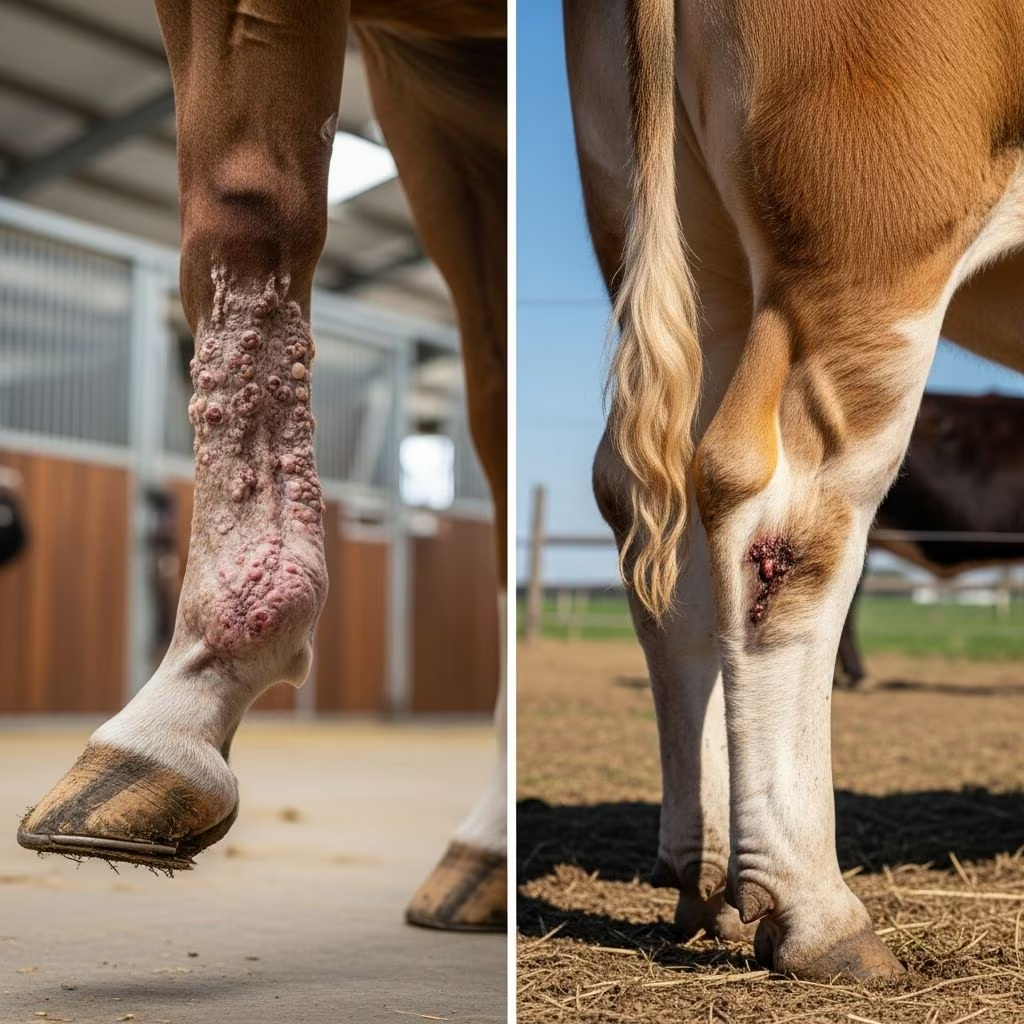
Lymphangitis represents a serious inflammatory condition affecting the lymphatic vessels in large animals such as horses and cattle. This disease often stems from bacterial invasions following injuries, leading to pronounced limb swelling, discomfort, and potential long-term damage if not addressed promptly. Understanding its pathology, clinical presentation, and management is crucial for livestock owners and veterinarians aiming to restore animal welfare and functionality.
Understanding the Lymphatic System’s Role
The lymphatic system functions as a vital network in equines and bovines, responsible for draining excess fluids, proteins, and cellular debris from tissues back into the bloodstream. It comprises vessels, nodes, and fluid known as lymph. In lymphangitis, these vessels become inflamed and obstructed, causing fluid buildup known as edema, particularly in the limbs where gravity exacerbates pooling. This disruption impairs immune surveillance, allowing infections to proliferate unchecked.
Unlike veins, lymphatic vessels lack robust muscular walls, relying on muscle contractions and respiration for fluid propulsion. When compromised, the result is firm, non-pitting swelling that resists manual compression, distinguishing it from simpler edemas.
Primary Causes and Risk Factors
Bacterial agents are the predominant culprits, entering via skin breaches like cuts, punctures, or abrasions common in pasture or stable environments. In horses, pathogens such as Corynebacterium pseudotuberculosis (linked to pigeon fever) trigger ulcerative variants, while sporadic bacteria cause acute episodes. Fungal infections occasionally contribute, though rarer in temperate climates.
Cattle experience similar triggers, often from traumatic wounds during handling or rough terrain navigation. Secondary factors include compromised immunity from stress, malnutrition, or concurrent illnesses. Pre-existing cellulitis—bacterial invasion of subcutaneous tissues—can evolve into lymphangitis if untreated, as inflammation extends to lymphatic channels.
- Common entry points: Leg wounds, wire cuts, or thorn pricks.
- Predisposing conditions: Poor wound hygiene, damp environments fostering bacterial growth.
- Species differences: Horses more prone to ulcerative forms; cattle to diffuse swelling.
Clinical Signs and Progression Stages
Acute lymphangitis manifests rapidly with heat, pain, and marked limb enlargement, often doubling girth within hours. Affected animals exhibit lameness, reluctance to bear weight, elevated body temperature (fever above 102°F/38.9°C), and systemic signs like depression or appetite loss. Skin may crack over pressure points such as fetlocks, oozing serum and inviting further contamination.
In progressive cases, nodular growths or abscesses form along lymphatic paths, palpable as firm cords under taut skin. Chronic phases feature fibrosis—scar tissue deposition—resulting in permanent thickening and recurrent flares. Severe neglect risks laminitis in horses or supportive limb loss, occasionally necessitating humane euthanasia.
| Stage | Symptoms in Horses | Symptoms in Cattle |
|---|---|---|
| Acute | Hot, painful swelling; fever; lameness | Diffuse leg edema; stiffness; anorexia |
| Subacute | Ulcers, nodules; serum discharge | Abscesses; lymph node enlargement |
| Chronic | Fibrous thickening; recurrent pain | Leg deformity; persistent lameness |
Differential Diagnosis Challenges
Swollen limbs demand ruling out mimics like cellulitis (softer, pitting edema without lymphatic cords), deep vein thrombosis, or traumatic injuries. Ultrasound reveals dilated, thrombosed lymphatics in true lymphangitis, while bloodwork shows neutrophilia indicating infection. Cytology from aspirates or cultures confirms pathogens, guiding targeted therapy.
Pigeon fever-specific ulcerative lymphangitis in horses features thick, tan drainage from fetlock sores, contrasting cleaner exudates in bacterial cases. Radiographs exclude fractures, and thermography highlights inflammatory hotspots.
Comprehensive Treatment Strategies
Management prioritizes infection eradication, inflammation reduction, and lymphatic restoration. Early intervention markedly improves outcomes, with veterinarians orchestrating multimodal plans.
Pharmacological Interventions
Broad-spectrum antibiotics like penicillin or ceftiofur target initial infections, often extended 4-6 weeks for internal abscesses. Culture-directed choices enhance efficacy. Non-steroidal anti-inflammatories (NSAIDs) such as phenylbutazone or flunixin control pain and fever, enabling mobility crucial for decongestion.
Adjuncts include DMSO (anti-inflammatory solvent), corticosteroids for refractory swelling, and diuretics to mobilize fluids. Avoid prolonged steroid use due to immunosuppression risks.
Physical and Supportive Therapies
Hydrotherapy—cold hosing followed by thorough drying—reduces edema without macerating skin. Hand-walking or turnout post-pain relief promotes lymph flow; stall confinement worsens stasis. Abscess lancing under sedation drains purulent material, alleviating pressure.
Compression wraps, post-acute phase, aid residual fluid resorption, applied bilaterally to counter compensatory overload. Magnetic therapy lacks robust evidence but anecdotally supports circulation.
Surgical Options
Rarely, persistent fistulas require debridement or vessel ligation. In cattle, severe cases may involve supportive slings for weight relief.
Prognosis and Long-Term Management
Acute cases respond favorably (70-80% full recovery) with prompt care, though scarring persists in 20-30%. Chronic lymphangitis carries guarded forecasts, with relapse risks from damaged vessels. Internal dissemination (abscesses in liver or lungs) halves survival odds despite antimicrobials.
Monitoring entails girth measurements, gait assessments, and serial cultures. Recovered animals benefit from clean environments and vigilant wound care.
Prevention: Proactive Measures for Herd Health
Foremost is impeccable wound management: immediate cleaning with antiseptics, bandaging, and veterinary consultation for breaches. Stable hygiene, fly control, and nutritional bolstering via vitamin E/selenium mitigate risks.
- Daily leg inspections during turnout.
- Vaccination against pigeon fever where endemic.
- Avoid overcrowding to minimize trauma.
Quarantine affected individuals prevents contagious spread, especially epizootic fungal forms.
Species-Specific Considerations
Horses
Performance breeds face higher stakes due to career implications. Recurrent episodes demand farrier input to avert hoof extrusion.
Cattle
Dairy herds suffer productivity losses from mastitis links; beef operations note slaughter value deductions from fibrosis.
Frequently Asked Questions (FAQs)
What triggers lymphangitis most commonly?
Bacterial entry through leg wounds, often from C. pseudotuberculosis in horses.
Can lymphangitis resolve without veterinary help?
Rarely; delays foster chronicity and sepsis risks.
Is bandaging advisable during acute swelling?
Avoid initially—swelling surges above wraps; use post-stabilization.
How long does recovery take?
Weeks for acute; months for fibrosis regression.
Are there breed predispositions?
No strong links, but drafts may scar prominently due to leg conformation.
This condition underscores the lymphatic system’s fragility in large animals. Swift recognition and intervention preserve mobility and economic viability.
References
- Lymphangitis in Horses: Symptoms, Causes, Treatment & Recovery — Mad Barn. 2023. https://madbarn.com/lymphangitis-in-horses/
- Cutaneous Lymphangitis in Horses — University of Kentucky Ag Equine Programs. 2022-10-15. https://equine.mgcafe.uky.edu/news-story/cutaneous-lymphangitis-horses
- Lymphangitis: A Frustrating Condition in Horses — The Horse. 2018-05-01. https://thehorse.com/148795/lymphangitis-a-frustrating-condition-in-horses/
- Lymphangitis in Horses: How Compression Products Can Help — EquiCrown US. 2023. https://equicrownus.com/blogs/equine-bandages/lymphangitis-in-horses-how-compression-products-can-help
- Lymphangitis in Horses – Horse Owners — MSD Veterinary Manual. 2024. https://www.msdvetmanual.com/horse-owners/blood-disorders-of-horses/lymphangitis-in-horses



