

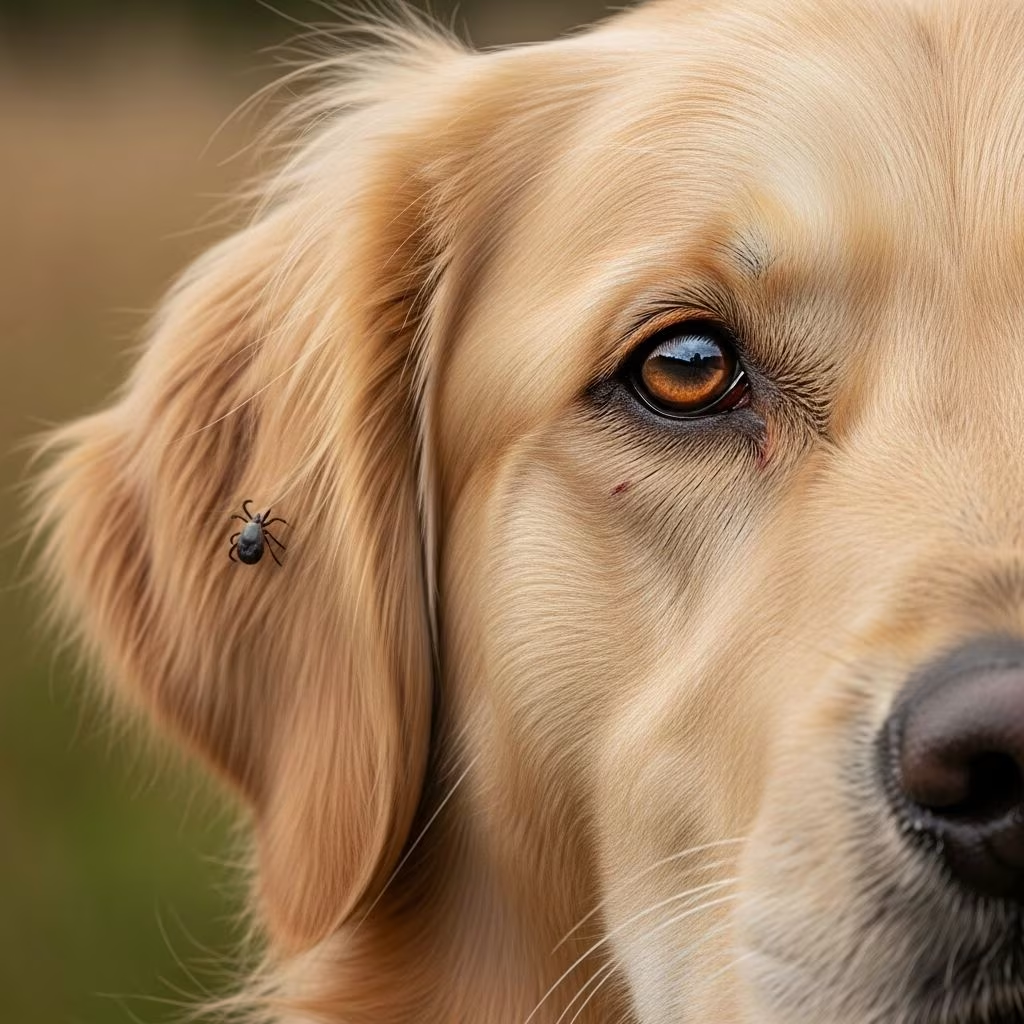
Lyme disease, caused by the bacterium Borrelia burgdorferi, poses a significant threat to dogs in tick-endemic areas. Transmitted primarily through bites from infected black-legged ticks, this condition can lead to a range of symptoms from mild discomfort to severe organ damage if not addressed promptly.
Understanding the Transmission and Risk Factors
Ticks acquire the bacteria from infected wildlife hosts like deer and rodents, then pass it to dogs during feeding. Not all tick bites result in infection; it typically requires the tick to be attached for 24-48 hours. Regions with high deer populations and wooded areas see elevated incidence rates, making prevention crucial year-round, especially in spring and fall.
- Geographic hotspots: Northeastern, Mid-Atlantic, and Upper Midwest U.S.
- Seasonal peaks: Warmer months when ticks are active
- High-risk activities: Hiking, hunting, or yard work in grassy, leafy environments
Dogs of any age or breed can contract Lyme, but outdoor enthusiasts and those in rural settings face greater exposure. Many infected dogs remain asymptomatic carriers, complicating detection.
Recognizing the Signs: Symptoms to Watch For
Symptoms often appear 2-5 months post-bite, starting subtly before escalating. The hallmark is intermittent lameness that shifts between legs, mimicking walking on eggshells due to joint inflammation.
| Symptom | Description | Frequency |
|---|---|---|
| Shifting lameness | Sudden limping that moves from leg to leg | Most common (up to 90% of cases) |
| Fever | Temperature above 103°F (39.4°C) | Frequent |
| Joint swelling | Painful, hot joints sensitive to touch | Common |
| Lethargy and anorexia | Reduced activity and appetite loss | Often present |
| Swollen lymph nodes | Enlarged nodes near affected areas | Occasional |
In rare cases (1-5%), Lyme nephritis develops, causing kidney failure with signs like vomiting, diarrhea, edema, and rapid weight loss. This form can be fatal without intervention. Respiratory distress or neurological issues are less common but signal advanced disease.
Diagnostic Approaches: Confirming Lyme Infection
Diagnosis combines history, clinical signs, and lab tests, as no single test is definitive. Veterinarians start with a physical exam noting tick exposure and symptoms.
- SNAP 4Dx or IDEXX 4Dx tests: Detect antibodies via ELISA, positive in 60-70% of cases but may indicate past exposure.
- PCR testing: Identifies bacterial DNA in joint fluid or blood, more specific for active infection.
- Complete blood work: Checks for elevated kidney values, anemia, or thrombocytopenia.
- Urinalysis: Screens for proteinuria, a nephritis red flag.
Treatment response often confirms diagnosis; improvement within days supports Lyme. False positives from vaccination or prior exposure necessitate ruling out other arthropathies or infections.
Effective Treatment Protocols
Antibiotics form the cornerstone, targeting the spirochete effectively in most cases. Doxycycline is first-line at 10 mg/kg orally every 12 hours for 4 weeks, yielding rapid symptom relief (1-3 days).
- Alternatives: Amoxicillin (20 mg/kg every 8 hours) or azithromycin for doxycycline-intolerant dogs.
- Pain management: Gabapentin for neuropathic joint pain; avoid NSAIDs initially to preserve immunosuppression options.
- Severe cases: Hospitalization with IV fluids, renal support, and immunosuppressants like mycophenolate for nephritis.
Complete the full course to prevent relapse, even if symptoms resolve early. About 10-20% experience recurrent signs, requiring re-evaluation. Asymptomatic seropositive dogs need proteinuria monitoring for one year but not routine antibiotics.
Potential Complications and Long-Term Management
Untreated Lyme can trigger polyarthritis or glomerulonephritis. Kidney involvement demands aggressive care: ACE inhibitors like benazepril for proteinuria, antihypertensives (amlodipine), and anti-thrombotics (clopidogrel).
Post-treatment, some dogs remain seropositive due to persistent antibodies, not active infection. Annual screening in endemic areas tracks silent progression. Vaccination efficacy is debated; consult vets on risks vs. benefits.
Prevention Strategies: Keeping Ticks at Bay
Proactive measures reduce risk by 90%+. Daily tick checks after outdoor time, focusing on ears, armpits, groin, and paws, allow prompt removal.
| Method | Pros | Cons |
|---|---|---|
| Topical preventives (e.g., fipronil) | Kills ticks on contact | Monthly application |
| Oral isoxazolines (e.g., fluralaner) | Long-lasting (1-3 months) | Prescription required |
| Tick collars (e.g., seresto) | 8-month protection | May irritate skin |
| Environmental control | Yard-safe for all pets | Labor-intensive |
Mow lawns short, create tick barriers with gravel or wood chips, and avoid wooded trails. Year-round protection is ideal, as ticks thrive indoors via rodents. Lyme vaccines provide partial immunity but aren’t universally recommended.
FAQs: Common Questions About Lyme in Dogs
Can my dog get Lyme from drinking water?
No, Lyme transmits solely via tick bites, not water, food, or dog-to-dog contact.
Is Lyme disease curable in dogs?
Yes, antibiotics cure most acute cases, though chronic kidney damage may persist in severe instances.
Should I vaccinate my dog against Lyme?
Discuss with your vet; it’s advised for high-risk dogs but not all, given variable efficacy.
How soon after a tick bite does Lyme develop?
Symptoms emerge 2-5 months later, allowing ample prevention window.
Can humans catch Lyme from their dogs?
No direct transmission; shared ticks pose the risk.
Monitoring Your Dog Post-Diagnosis
Follow-up bloodwork at 1, 3, and 6 months post-treatment assesses resolution. Watch for relapse signs like renewed lameness. Maintain preventives indefinitely in endemic zones.
By staying vigilant, pet owners can minimize Lyme’s impact, ensuring active, healthy lives for their canine companions.
References
- Lyme Disease in Dogs: Symptoms, Treatment, and Prevention — Mountainside Veterinary. 2023. https://www.mountainsidevets.com/blog/lyme-disease-in-dogs
- Lyme Borreliosis in Animals – Infectious Diseases — Merck Veterinary Manual. 2024-09-01. https://www.merckvetmanual.com/infectious-diseases/lyme-borreliosis/lyme-borreliosis-in-animals
- Lyme Disease in Dogs — PetMD. 2024. https://www.petmd.com/dog/conditions/infectious-parasitic/lyme-disease-dogs
- Treatment & Cure for Lyme Disease in Dogs — English Creek Vet. 2024-05-31. https://www.englishcreekvet.com/site/blog/2024/05/31/treatment-cure-lyme-disease-dogs
- Diagnosis and Treatment of Lyme Borreliosis in Dogs — Today’s Veterinary Practice. 2023. https://todaysveterinarypractice.com/parasitology/lyme-borreliosis-in-dogs/
- Lyme Disease in Dogs: Signs, Treatment, and Prevention — MedVet. 2024. https://www.medvet.com/lyme-disease-in-dogs/
- Lyme Disease in Dogs — VCA Animal Hospitals. 2024. https://vcahospitals.com/know-your-pet/lyme-disease-in-dogs



