

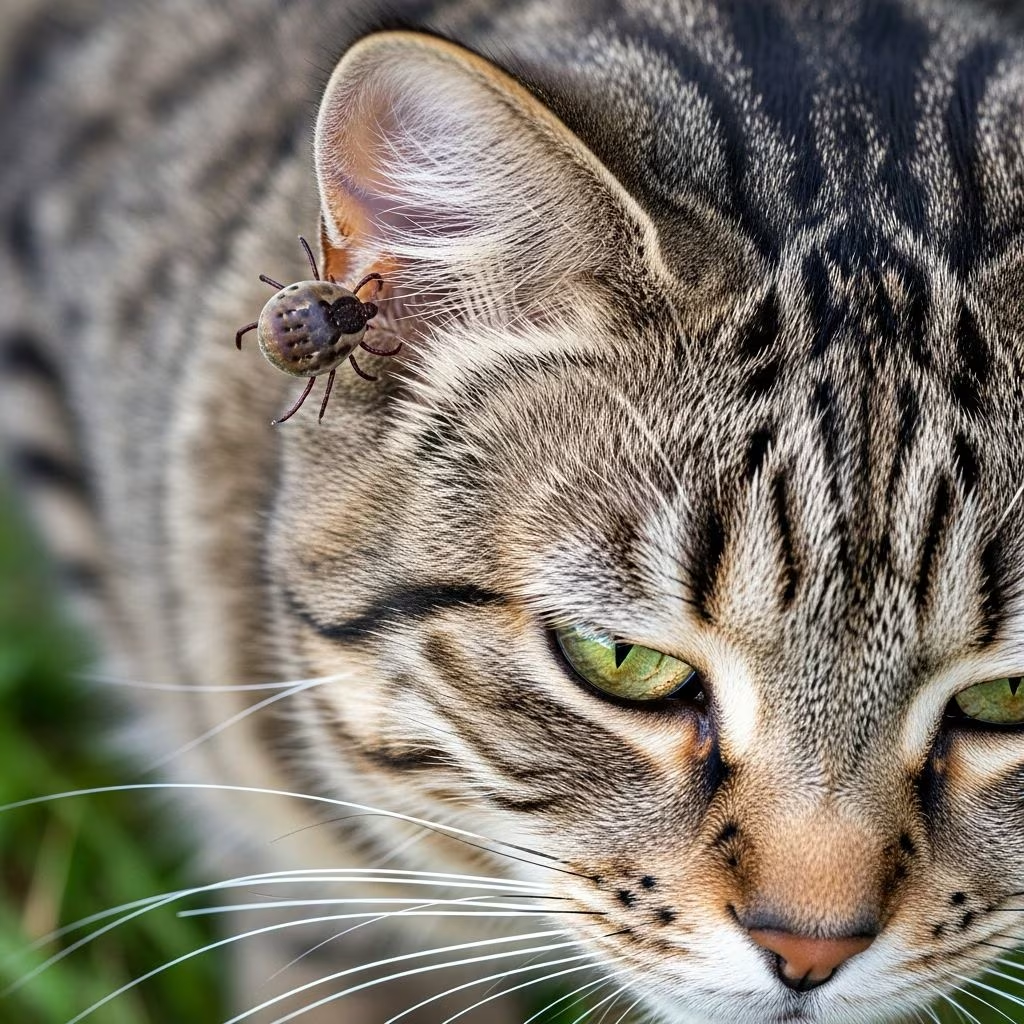
Lyme disease, a tick-transmitted bacterial infection, primarily affects dogs but can occur in cats, often without obvious signs. Prompt recognition and intervention are key to managing potential joint, kidney, or systemic complications in felines.
Understanding the Nature of Lyme Disease
Lyme disease, also called Lyme borreliosis, stems from the spirochete bacterium Borrelia burgdorferi. In cats, infections are less common than in canines, with many carriers showing no clinical illness despite exposure. The bacterium thrives in tick vectors, particularly black-legged or deer ticks, which acquire it from infected wildlife hosts like rodents or deer during blood meals.
Geographically, Lyme disease hotspots align with tick-prevalent regions, such as the northeastern, mid-Atlantic, and upper midwestern United States, though cases appear worldwide where suitable ticks exist. Cats roaming outdoors in wooded, grassy, or brushy areas face elevated risk, especially during peak tick seasons—spring and fall for nymphs and adults. Indoor-only cats have negligible exposure unless ticks hitchhike indoors on clothing or other pets.
Transmission Pathways to Felines
Infection occurs exclusively through bites from infected ticks. Immature nymph-stage ticks, tiny and hard to spot, pose the greatest threat as they quest in spring. Adult ticks activate in cooler seasons. Crucially, transmission requires 24-48 hours of tick attachment, allowing Borrelia bacteria to migrate via saliva into the host’s bloodstream.
Once inside, the bacteria disseminate rapidly, evading immune detection by hiding in tissues like joints, skin, and kidneys. Cats may not manifest symptoms for 2-5 months post-bite, complicating early detection. No cat-to-cat or cat-to-human spread happens directly; ticks alone bridge transmission.
Common Clinical Manifestations
Most infected cats remain asymptomatic, serving as silent carriers. When signs emerge, they mimic other ailments, demanding veterinary discernment. Primary indicators include:
- Intermittent lameness: Known as ‘shifting-leg lameness,’ cats limp on one leg for 3-4 days, recover briefly, then affect another.
- Fever: Often pairs with lameness episodes, signaling systemic inflammation.
- Joint issues: Stiff gait, arched back, touch sensitivity from polyarthritis.
- Respiratory distress: Panting or labored breathing in moderate cases.
Severer progression targets kidneys, yielding glomerulonephritis—inflammation impairing filtration. Untreated, this advances to failure, manifesting as vomiting, anorexia, weight loss, polyuria, and polydipsia. Rare cardiac or neurologic involvement may cause fatigue, swelling, or coordination loss.
| Symptom Category | Early Signs | Advanced Signs |
|---|---|---|
| Joints/Limbs | Lameness, stiffness | Persistent swelling, pain |
| Systemic | Fever, lethargy | Anorexia, weight loss |
| Kidneys | Increased thirst | Vomiting, edema |
| Other | Panting | Heart/neuro issues |
Veterinary Diagnostic Approaches
Diagnosis hinges on history—outdoor access, tick exposure—and clinical presentation, as no single test is definitive. Vets initiate with physical exams, probing for lymphadenopathy or joint effusion. Bloodwork screens for antibodies via ELISA or IFA, though false positives occur from past exposures.
Confirmatory PCR detects bacterial DNA in blood or fluids, while urinalysis and X-rays exclude mimics like fractures or infections. Joint taps analyze synovial fluid for inflammation. Differential diagnoses span abscesses, calicivirus, or immune-mediated arthritis. Early vet visits upon symptom onset enhance accuracy.
Therapeutic Interventions and Protocols
Treatment centers on antibiotics, with doxycycline as first-line for 4 weeks, targeting bacterial replication. Cats intolerant to doxycycline receive alternatives like amoxicillin. Joint symptoms often abate within days, though full resolution varies; relapses necessitate repeat courses.
Supportive care addresses complications: NSAIDs or analgesics ease pain, IV fluids combat dehydration, and anti-nausea drugs aid appetite in renal cases. Hospitalization suits severe organ involvement. Prognosis excels with prompt therapy—most cats recover fully outpatient. Persistent infection may linger, demanding vigilance.
Long-Term Management and Monitoring
Post-treatment, complete the antibiotic regimen despite symptom relief to curb resistance. Monitor for flares via regular check-ups, bloodwork, and urine tests, especially in high-risk cats. Borrelia‘s immune evasion means occasional boosters. Nutritional support bolsters recovery, favoring renal diets if kidneys suffered.
Prevention: Shielding Cats from Ticks
Proactive measures trump treatment. Daily tick checks post-outdoors remove parasites pre-transmission. Topical preventives (fipronil, permethrin—cat-safe formulations) or collars repel ticks. Keep yards mowed, avoid wooded fringes, and use diatomaceous earth barriers.
Vaccination, proven in dogs, lacks feline approval due to rarity. Indoor living slashes risk dramatically. Human vigilance—tick-free clothing—protects multi-pet homes.
Frequently Asked Questions
Can indoor cats get Lyme disease?
Rarely, but possible if ticks enter via owners or dogs. Strict prevention minimizes this.
How quickly does treatment work?
Many improve in 1-2 days; full course is 4 weeks.
Is Lyme disease fatal in cats?
Not typically if treated early; untreated renal damage can be severe.
Should I vaccinate my cat?
No approved vaccine exists for cats; focus on tick control.
Can Lyme spread to humans from my cat?
No direct transmission; ticks are the vector.
Key Takeaways for Cat Owners
- Monitor outdoor cats for ticks and early lameness.
- Seek vet care promptly for fever or limping.
- Antibiotics cure most cases when started soon.
- Prevention via checks and repellents is simplest.
References
- Lyme Disease in Cats: Causes, Symptoms & Treatment — Purina. 2023. https://www.purina.com/articles/cat/health/symptoms/lyme-disease-in-cats
- Lyme Disease (Lyme Borreliosis) in Cats – Cat Owners — Merck Veterinary Manual. 2024-02-01. https://www.merckvetmanual.com/cat-owners/disorders-affecting-multiple-body-systems-of-cats/lyme-disease-lyme-borreliosis-in-cats
- Lyme Disease in Cats — Small Door Veterinary. 2023. https://www.smalldoorvet.com/learning-center/medical/lyme-disease-in-cats
- Lyme Disease in Cats — PetMD. 2024. https://www.petmd.com/cat/conditions/infectious-parasitic/c_ct_lyme_disease
- Lyme Borreliosis in Animals — MSD Veterinary Manual. 2024. https://www.msdvetmanual.com/infectious-diseases/lyme-borreliosis/lyme-borreliosis-in-animals



