
Lyme Disease in Dogs: Prevention, Symptoms & Treatment
Complete guide to Lyme disease in dogs: symptoms, diagnosis, treatment, and prevention strategies.
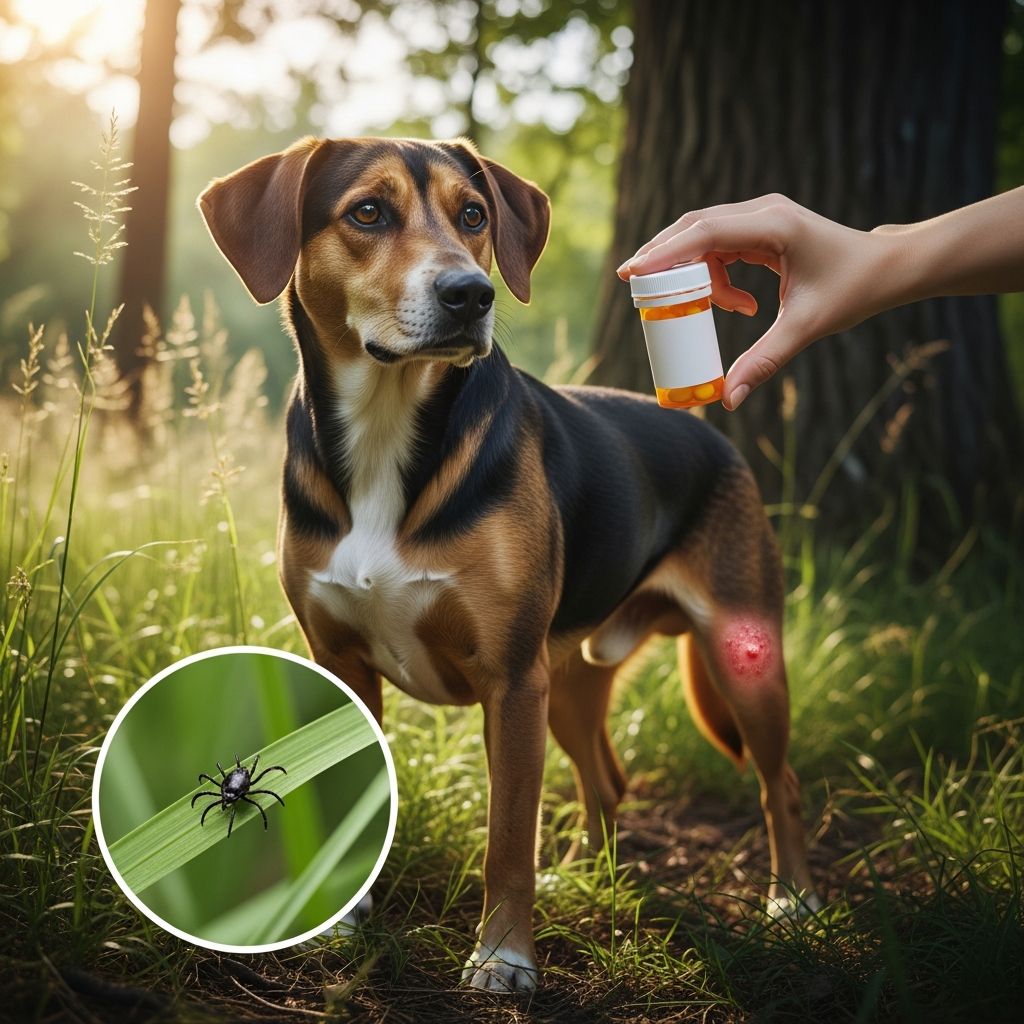
Lyme Disease in Dogs: What Dog Owners Should Know
Lyme disease, also known as borreliosis, is a bacterial infection that affects dogs across the United States and beyond. This tick-borne illness has become increasingly prevalent in recent years, posing a significant health risk to canine companions. While the disease can also affect humans, it’s important to note that dogs do not transmit Lyme disease to their owners. However, infected dogs can harbor ticks that may subsequently bite humans, creating an indirect transmission pathway. Understanding this disease is crucial for dog owners who want to protect their pets from serious complications that can arise if the infection goes untreated.
What Is Lyme Disease in Dogs?
Lyme disease in dogs is caused by a spiral-shaped bacterium called Borrelia burgdorferi. This pathogenic bacterium is transmitted to dogs through the bite of infected black-legged ticks, commonly referred to as deer ticks or Ixodes ticks. When an infected tick feeds on a dog’s blood, the bacteria migrate from the tick’s saliva directly into the dog’s bloodstream. Once in circulation, these bacteria can spread throughout the body and infect various tissues, including the joints, heart, brain, and spinal cord.
The severity of infection varies considerably among individual dogs. Some infected dogs may remain asymptomatic and show no obvious signs of illness throughout their lives. Other dogs may develop severe symptoms that significantly impact their quality of life. This variation in clinical presentation largely depends on the strength of the dog’s immune system and how quickly treatment is initiated after infection occurs.
Geographic Distribution and Seasonal Patterns
Lyme disease in dogs is not uniformly distributed across the United States. While cases can occur in most states, the disease shows higher prevalence in specific regions. The Midwest, Northeast, Southeast, and Western United States report the highest concentrations of canine Lyme disease cases. Additionally, cases follow seasonal patterns, with the majority of diagnoses occurring during spring, summer, and fall when weather conditions are warmer and tick populations are at their peak activity levels. Understanding your regional risk and seasonal variation helps inform preventive strategies appropriate for your location.
Clinical Signs and Symptoms
The symptoms of Lyme disease in dogs can vary significantly and may not appear for several months following initial infection. This delayed presentation makes early detection challenging and underscores the importance of consistent tick prevention measures. Infected dogs may display a range of clinical signs, ranging from mild and subtle to severe and debilitating.
The most commonly observed symptoms include:
- Joint pain or swelling, particularly affecting the legs
- Lameness or reluctance to bear weight on affected limbs
- High fever, often elevated above normal body temperature
- Lethargy and general lack of energy
- Weakness and general malaise
- Decreased appetite or anorexia
- Enlarged lymph nodes
- Generalized pain and discomfort
One particularly characteristic sign of Lyme disease is “shifting leg lameness,” where the dog appears to favor different legs at different times. Some veterinarians describe affected dogs as appearing to walk “on eggshells” due to the joint pain and discomfort they experience. The lameness may appear suddenly and shift from one leg to another, and if left untreated, may temporarily disappear only to recur weeks or months later.
It’s important to recognize that not all infected dogs display symptoms. Studies indicate that the majority of naturally exposed dogs remain clinically normal despite carrying the bacteria. Only approximately 5 to 10 percent of infected dogs actually develop clinical signs of the disease.
Serious Complications of Untreated Lyme Disease
While many dogs with Lyme disease recover well with proper treatment, untreated or inadequately treated infections can lead to severe complications. The most serious complication is kidney failure, a condition known as Lyme nephropathy or protein-losing glomerulopathy. This condition can be life-threatening and fatal if not managed appropriately. Dogs developing kidney complications may exhibit additional symptoms including edema (fluid accumulation), weight loss, vomiting, and diarrhea.
Some dogs may develop chronic disease characterized by persistent polyarthritis and progressive joint changes. In rare cases, even aggressive antibiotic therapy may not fully resolve the arthritis, leading to long-term joint damage and chronic pain. These complications emphasize why dogs showing symptoms of Lyme disease should be treated as medical emergencies requiring immediate veterinary attention.
Diagnosis of Lyme Disease in Dogs
Accurate diagnosis of Lyme disease requires a combination of clinical evaluation, patient history, and diagnostic testing. Veterinarians typically begin by discussing your dog’s recent travel history, exposure to tick-infested areas, and observed symptoms. This information provides important context for the diagnostic process.
Diagnostic testing for Lyme disease typically involves blood tests that detect antibodies against Borrelia burgdorferi. Importantly, these antibodies typically don’t become detectable until 4 to 6 weeks following infection, which means early testing may yield false-negative results. If clinical suspicion remains high despite negative early testing, repeat testing may be warranted after several weeks have passed.
The most commonly used diagnostic tests include enzyme-linked immunosorbent assays (ELISA) and multiplex tests that detect antibodies specific to Lyme disease. Some veterinarians may also recommend testing for coinfecting tick-borne pathogens, as ticks can transmit multiple diseases simultaneously. Additionally, urinalysis and other bloodwork may be performed to assess kidney function and detect any complications before they become severe.
Treatment of Lyme Disease in Dogs
Lyme disease in dogs responds well to antibiotic therapy when treatment is initiated promptly. The primary antibiotic used to treat canine Lyme disease is doxycycline, a tetracycline-class antibiotic that effectively penetrates infected tissues and eliminates the bacterial infection.
Antibiotic Options and Duration
Doxycycline is typically administered for a minimum of 30 days to ensure complete elimination of the bacteria and prevent recurrence of the infection. Most dogs begin showing clinical improvement within 24 hours of starting antibiotic treatment, with significant symptom resolution typically occurring within one to two days. The choice of antibiotic and duration of treatment may be adjusted based on the severity of clinical signs, the stage of disease, and the individual dog’s overall health status.
For dogs that are sensitive to doxycycline or cannot tolerate this medication, alternative antibiotics are available. These alternatives include amoxicillin and cefovecin, which can effectively treat Lyme disease when doxycycline is contraindicated. However, it’s crucial that the full course of antibiotics be completed exactly as prescribed, even if the dog appears to be feeling better. Discontinuing treatment prematurely significantly increases the risk of incomplete bacterial elimination and disease recurrence.
Severe Disease and Hospitalization
Dogs presenting with severe symptoms or complications may require hospitalization and intensive supportive care. In these cases, intravenous fluid therapy, pain management, kidney support, and monitoring for secondary complications become necessary components of treatment. Close veterinary oversight during severe infection significantly improves prognosis and reduces the risk of long-term complications.
Recovery and Long-Term Prognosis
When Lyme disease is diagnosed early and treated appropriately, the prognosis is excellent. Most dogs recover completely and go on to live normal, healthy lifespans. The swift response to antibiotic therapy means that most dogs show marked improvement within the first few days of treatment initiation.
However, the long-term outcome depends on several factors. Dogs that develop symptomatic Lyme arthritis that persists for extended periods may experience permanent joint damage resulting in chronic arthritis even after successful bacterial elimination. Similarly, dogs that develop kidney disease secondary to Lyme infection are unlikely to recover normal kidney function, though supportive care can extend quality of life. Additionally, some dogs experience recurrence of clinical signs requiring additional antibiotic treatment.
Special Considerations for Adopted Dogs with Lyme Disease
Dogs adopted from shelters may already be undergoing treatment for Lyme disease. When adopting such a dog, it’s important to work closely with shelter staff to understand what treatment has already been started and obtain complete medical history. Most dogs will have mild or resolved symptoms by adoption time if treatment was initiated in the shelter. Upon adoption, schedule an appointment with your veterinarian to ensure continuity of care and to develop an ongoing management plan.
In general, most dogs can be adopted with confidence, as Lyme disease can be effectively managed and treated. The typical course of antibiotic treatment lasts approximately one month, after which most dogs make full recoveries.
Prevention Strategies
Prevention of Lyme disease is significantly more effective and less costly than treating established infection. Multiple prevention strategies can work together to minimize your dog’s risk of tick exposure and tick-borne disease.
Tick Identification and Removal
Regular daily tick checks are among the most effective prevention strategies. Examine your dog’s body thoroughly, paying particular attention to areas where ticks commonly attach, including the head, ears, neck, armpits, and between the toes. When ticks are discovered, remove them promptly using a fine-tipped tweezers or tick removal tool. Grasp the tick as close to the skin as possible and pull steadily upward without twisting. Do not crush the tick or use home remedies like petroleum jelly or nail polish, as these may cause the tick to regurgitate infected material into the wound.
Environmental Management
Avoid tick habitats whenever possible. Ticks thrive in tall grasses, wooded areas, leaf litter, and brushy vegetation. When hiking or spending time in potential tick habitat, consider using insect repellents designed for dogs and checking your pet thoroughly when returning home. Keeping your yard well-maintained by mowing grass regularly and removing leaf debris reduces tick populations in your immediate environment.
Acaricidal Products
Year-round tick prevention using acaricides (tick-killing products) is strongly recommended. These products are available in multiple formulations including topical treatments, oral medications, collars, and shampoos. Modern tick prevention products are highly effective and prevent ticks from attaching to your dog’s skin. Discuss with your veterinarian which tick prevention product is most appropriate for your dog based on factors including age, weight, health status, and lifestyle.
Lyme Vaccination
A Lyme disease vaccine is available for dogs and may be recommended based on your dog’s lifestyle, geographic location, and risk factors. The vaccine helps prevent infection by stimulating the immune system to recognize and neutralize Borrelia burgdorferi before it can establish infection. However, vaccination should be combined with other prevention strategies rather than used as a sole prevention method.
Frequently Asked Questions About Lyme Disease in Dogs
Q: Can my dog catch Lyme disease from me?
A: No. Dogs cannot catch Lyme disease from humans. Lyme disease is only transmitted through tick bites. However, infected dogs can harbor ticks that may subsequently bite humans and transmit the disease.
Q: What happens if my dog tests positive for Lyme disease?
A: If your dog tests positive for Lyme disease, your veterinarian will develop an appropriate treatment plan based on whether your dog is showing symptoms. Mildly symptomatic dogs typically receive a month-long course of antibiotics. Dogs with severe disease may require hospitalization and supportive care.
Q: Can dogs with Lyme disease make a full recovery?
A: In dogs treated early, full recovery is generally expected. Dogs that have experienced symptomatic Lyme arthritis for extended periods may have persistent joint damage. Dogs that develop kidney disease are unlikely to recover normal kidney function, though supportive care can help manage the condition.
Q: How long does Lyme disease treatment take?
A: Lyme disease treatment with antibiotics typically lasts a minimum of 30 days. Most dogs show improvement within 24 hours, with significant symptom resolution within one to two days. However, completing the full course of treatment is essential to prevent recurrence.
Q: Is Lyme disease in dogs fatal?
A: With early diagnosis and treatment, Lyme disease is rarely fatal. However, untreated Lyme disease can lead to kidney failure, which can be fatal. This is why prompt veterinary care is essential when symptoms are observed.
Q: How can I reduce my dog’s risk of Lyme disease?
A: Reduce risk through daily tick checks, avoiding tick-infested areas, using year-round tick prevention products, maintaining your yard, and considering Lyme vaccination. Combining multiple prevention strategies is most effective.
References
- Lyme Disease in Dogs: What Dog Owners Should Know — Virginia Tech College of Veterinary Medicine. 2024-04. https://news.vt.edu/articles/2024/04/vetmed-lyme-disease-dogs.html
- Lyme Disease in Dogs – PetMD — PetMD. 2025. https://www.petmd.com/dog/conditions/infectious-parasitic/lyme-disease-dogs
- Lyme Disease in Dogs — VCA Animal Hospitals. 2025. https://vcahospitals.com/know-your-pet/lyme-disease-in-dogs
- Lyme Disease – Companion Animal Parasite Council — Companion Animal Parasite Council (CAPC). 2025. https://capcvet.org/guidelines/lyme-disease/
- Ticks and Lyme Disease: Symptoms, Treatment, and Prevention — U.S. Food and Drug Administration Center for Veterinary Medicine. 2025. https://www.fda.gov/consumers/consumer-updates/ticks-and-lyme-disease-symptoms-treatment-and-prevention
Similar Articles








Read full bio of Sneha Tete


