

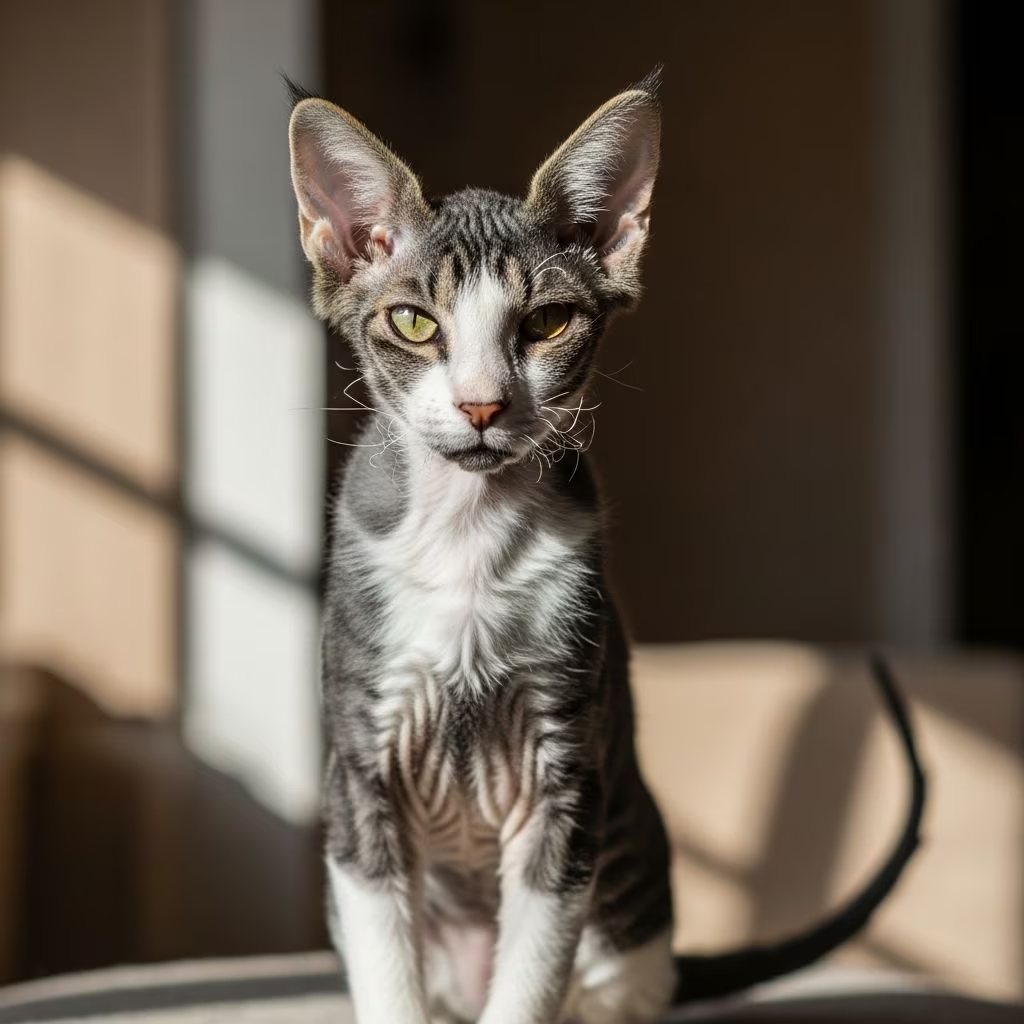
The Lykoi, often called the werewolf cat due to its distinctive partial hairlessness and roan coat, is a relatively new breed with a unique appearance inspired by wolves. Originating from natural genetic mutations in feral cats, these felines combine intelligence, playfulness, and loyalty with a striking look featuring sparse fur around the face, eyes, and muzzle. While generally hardy, their specialized coat and physique require attentive health management to prevent issues like skin irritations or nutritional deficiencies. This guide provides an in-depth look at maintaining optimal wellness for Lykoi cats.
Understanding the Lykoi Breed’s Physical Traits
Lykoi cats exhibit a medium build, with males typically weighing 8-13 pounds and females slightly smaller. Their wedge-shaped heads, large pointed ears, and bright golden eyes contribute to the wolfish aesthetic. Born fully furred in solid black, kittens develop the signature roan pattern—intermixed black and colorless hairs—within one to two weeks, alongside areas of hairlessness that can vary seasonally. Unlike the Sphynx, Lykoi are genetically distinct, with a soft, coarse-textured coat lacking an undercoat, which sheds and regrows cyclically.
This variability means some Lykoi appear nearly bald during certain periods, while others retain more coverage. Their lean, muscular bodies support high energy levels, strong prey drives, and dog-like behaviors such as fetching and pack play. Lifespan averages 10-15 years with proper care, comparable to domestic shorthairs.
Primary Health Concerns for Lykoi Cats
Though bred without significant inbreeding, Lykoi’s partial hairlessness exposes their skin to environmental risks. Key concerns include:
- Skin Conditions: Exposed areas around the face, ears, and paws are prone to dryness, oil buildup, and infections like dermatitis. Seasonal hair loss can exacerbate acne or folliculitis if not cleaned regularly.
- Hypertrophic Cardiomyopathy (HCM): While not breed-specific, vigilant screening is advised as with many purebreds. Early echocardiograms detect this heart muscle thickening.
- Nutritional Imbalances: High metabolism from activity demands calorie-rich diets; deficiencies in taurine or fatty acids can lead to skin issues or heart problems.
- Dental Health: Sparse facial fur increases plaque exposure; gingivitis risks rise without brushing.
- Joint and Mobility: Active lifestyles may strain lean frames, potentially causing patellar luxation in predisposed lines.
Overall, Lykoi prove resilient, competing well in shows due to robust genetics.
Skin and Coat Management Essentials
The Lykoi’s roan coat, soft yet sparse, requires daily attention to prevent matting or greasiness. Bathing every 1-2 weeks with cat-safe, moisturizing shampoos removes excess oils, especially post-hair cycles.
| Coat Stage | Care Routine | Frequency |
|---|---|---|
| Fully Coated | Brushing, spot cleaning | Weekly |
| Partially Hairless | Full baths, moisturizers | Bi-weekly |
| Bald Phase | Wipes, sunscreen outdoors | Daily |
Apply vet-approved lotions to prevent cracking; avoid human products. Sun exposure darkens skin beneficially but risks burns—limit outdoor time. Monitor for redness, indicating allergies or parasites.
Nutrition Tailored for Lykoi Vitality
These energetic hunters need diets high in animal proteins (40%+), moderate fats for skin health, and omega-3s like fish oil. Wet food prevents dehydration, crucial for hairless-prone breeds.
- Portion control: 200-300 calories daily, adjusted for activity.
- Supplements: Taurine (for heart/eyes), biotin (coat strength).
- Avoid grains: May trigger sensitivities manifesting as itchy skin.
Fresh water fountains encourage intake; obesity risks low due to metabolism but watch seniors.
Exercise and Mental Stimulation Strategies
Lykoi’s intelligence and prey drive demand 30-60 minutes daily play. Interactive toys mimic hunting: laser pointers, feather wands, puzzle feeders.
They thrive in enriched environments—cat trees, tunnels, rotating toys prevent boredom-induced stress, which can worsen skin flare-ups. Socialization early builds confidence; they bond loyally but assess strangers cautiously. Multiple Lykoi interact harmoniously, forming ‘packs’.
Veterinary Care and Preventive Measures
Annual exams include skin scrapes, bloodwork, and HCM screening via ultrasound. Vaccinations follow standard protocols; flea/tick preventives are non-negotiable for exposed skin.
Spay/neuter by 6 months curbs roaming instincts. Dental cleanings yearly maintain oral health. Track weight, coat cycles, and behavior for anomalies.
Age-Specific Health Considerations
Kittens (0-1 Year)
Vulnerable to hairlessness extremes; ensure warmth (80-85°F), deworming, and socialization. Monitor growth to 4-6kg adults.
Adults (1-7 Years)
Peak activity; focus on exercise, grooming. Screen for HCM at year 2.
Seniors (8+ Years)
Increased shedding; joint supplements like glucosamine aid mobility. Renal diets preempt kidney issues common in long-lived breeds.
Lykoi Lifestyle and Environmental Tips
Indoor living suits their cautious nature, with safe outdoor enclosures for sunbathing. Calm homes preferred—not ideal for chaotic families. Provide scratching posts to protect furniture and nails.
Temperament: Affectionate yet independent, vocal, trainable. They fetch, problem-solve, and guard their domain.
Frequently Asked Questions (FAQs)
Are Lykoi cats hypoallergenic?
No, but minimal shedding reduces allergens compared to full-coated breeds. Regular bathing helps.
Do Lykoi need special diets?
High-protein, skin-supporting formulas yes; consult vets for tailored plans.
Can Lykoi go bald completely?
Temporarily yes, regrowing seasonally unlike permanent Sphynx hairlessness.
Are they good with children or dogs?
With supervision; their prey drive suits gentle intros. Loyal to family.
How often should I groom a Lykoi?
Daily wipes, weekly baths during sparse phases.
Conclusion: Thriving with Your Lykoi Companion
With proactive care, Lykoi cats enjoy vibrant, healthy lives marked by playfulness and unique beauty. Their hardy genetics and engaging personalities make them rewarding pets for dedicated owners.
References
- Lykoi – TICA – The International Cat Association — TICA. 2023. https://tica.org/breed/lykoi/
- Lykoi Cat: What to Know – WebMD — WebMD. 2024. https://www.webmd.com/pets/cats/what-to-know-about-a-lykoi
- Lykoi Cat Breed Information | Purina UK — Purina. 2024. https://www.purina.co.uk/find-a-pet/cat-breeds/lykoi
- Get to know the Lykoi Cat – a.k.a. the Werewolf Cat – Scrumbles — Scrumbles. 2023. https://scrumbles.co.uk/blogs/news/get-to-know-the-lykoi-cat-a-k-a-the-werewolf-cat
- Lykoi – Wikipedia — Wikipedia. 2025. https://en.wikipedia.org/wiki/Lykoi



