

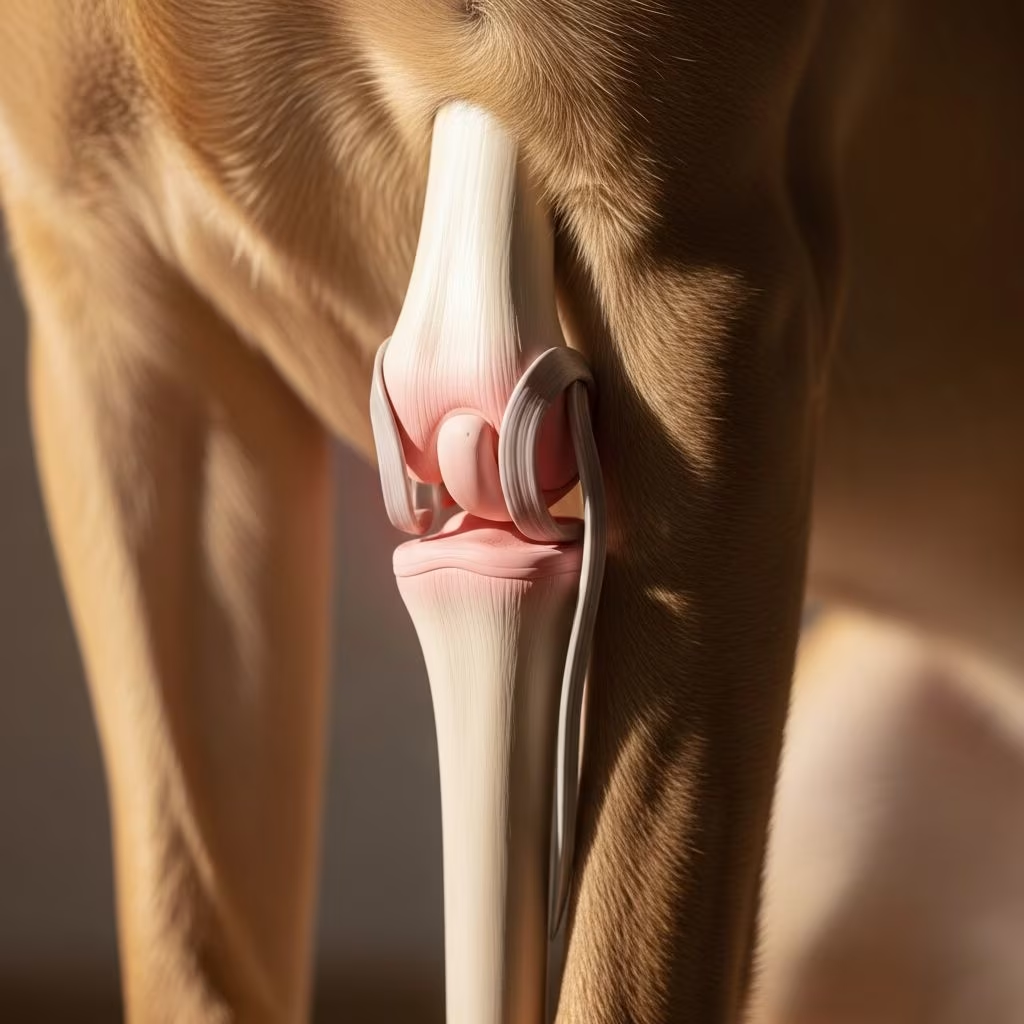
Understanding Luxating Patella in Dogs
Luxating patella, also known as patellar luxation or a slipped kneecap, is one of the most common orthopedic conditions affecting dogs. This condition occurs when the patella (kneecap) moves out of its normal position within the groove of the femur (thighbone). While some dogs may experience only intermittent symptoms, others can develop chronic pain and lameness that significantly impacts their quality of life. Understanding this condition is crucial for dog owners, as early recognition and appropriate management can prevent progression and maintain your pet’s mobility and comfort.
The patella is a small bone that sits within a groove at the end of the femur and is attached to muscles and tendons that help extend the knee joint. When the anatomical structures supporting the patella are compromised—whether due to genetic predisposition, injury, or other factors—the kneecap can slip medially (toward the center of the body) or laterally (toward the outside), causing pain, instability, and functional impairment.
What Causes Luxating Patella in Dogs?
Luxating patella has both genetic and acquired causes. The condition has a strong hereditary component, which is why certain breeds are significantly more predisposed to developing this problem. Genetic factors influence the overall structure of the knee joint, including the depth of the femoral groove, the angle of the knee, and the strength of the surrounding ligaments and muscles.
Breed Predisposition: Small dog breeds are particularly susceptible to luxating patella, though larger breeds can also develop the condition. Toy and miniature breeds, including Chihuahuas, Pomeranians, Yorkshire Terriers, Boston Terriers, and Poodles, have higher incidence rates. Medium-sized breeds such as Beagles and some Spaniel breeds also show increased prevalence.
Acquired Causes: Beyond genetics, luxating patella can result from trauma to the knee, excessive weight gain placing strain on the joints, poor conformation, or weakened muscles around the knee joint. Obesity is a significant risk factor, as excess weight increases stress on the knee structures.
Clinical Signs of Patellar Luxation
The symptoms of luxating patella can vary widely depending on the severity and frequency of patellar displacement. Pet owners should be aware of the following clinical signs:
Intermittent Limping or Skipping
One of the most recognizable signs is a sporadic skip in the dog’s gait or brief periods of lameness where the dog holds up a hind leg for a few steps before returning it to normal use. This often occurs after exercise or play and may resolve temporarily when the patella spontaneously relocates.
Reluctance to Exercise or Jump
Affected dogs may show decreased interest in physical activities, hesitate to jump on or off furniture, or avoid running and playing. This behavioral change often reflects pain or instability in the affected knee.
Abnormal Gait or Leg Alignment
You may notice your dog walking with an unusual posture, holding one or both hind legs at an odd angle. The hind leg may appear to turn inward or outward, or the dog may walk in a bowlegged or knock-kneed manner.
“Kicking” Motion
Some dogs will periodically extend or “kick” their hind leg out behind them in an attempt to pop the kneecap back into its normal position. This is often followed by temporary relief and normal movement.
Sudden Yelps or Vocalizations
Dogs may cry out suddenly while running or playing, indicating acute pain from patellar displacement. Some dogs may become reluctant to move or refuse to bear weight on the affected limb.
Stiffness After Rest
Dogs with luxating patella often experience stiffness after periods of inactivity and may have difficulty rising from a sitting or lying position, especially if the patella has become temporarily displaced.
Joint Swelling
In some cases, inflammation around the knee joint may be visible, causing swelling and heat in the affected area.
Important Note: If left untreated, luxating patella can progressively worsen, leading to chronic pain, degenerative joint disease, arthritis, and permanent lameness that requires more extensive medical intervention.
Grading System for Luxating Patella
Veterinarians use a standardized four-grade classification system to assess the severity of patellar luxation. This grading helps determine the appropriate treatment approach and prognosis:
| Grade | Description | Clinical Presentation | Typical Treatment |
|---|---|---|---|
| Grade I | Patella can be manually luxated but returns to position spontaneously with little discomfort | Rarely symptomatic; may never show clinical signs | Conservative management; surgery often not needed |
| Grade II | Patella occasionally dislocates during normal activity or when extended; returns spontaneously or with manual pressure | Intermittent limping, occasional skipping; symptoms worsen with activity | Non-surgical treatments recommended; surgery often needed as many progress to Grade III or IV |
| Grade III | Patella is frequently or constantly out of place but can be manually returned; frequently dislocates again | Persistent lameness, consistent abnormal gait, reluctance to exercise | Surgery commonly recommended |
| Grade IV | Patella is permanently dislocated and cannot be manually returned to normal position | Severe lameness, significant pain, inability to bear weight, severe functional impairment | Surgery essential for pain relief and function restoration |
Diagnostic Evaluation
A thorough veterinary examination is essential for diagnosing luxating patella. Your veterinarian will perform a physical examination of the hind limbs, assessing patellar movement and stability. During the exam, the vet will attempt to manually luxate the patella to determine the grade of severity. Radiographic imaging (X-rays) may be recommended to evaluate the underlying bone structure, rule out other joint problems, and assess for concurrent conditions such as hip dysplasia or arthritis.
Non-Surgical Treatment Options
For mild to moderate cases of luxating patella, conservative management can effectively control symptoms and improve quality of life, potentially delaying or preventing the need for surgery.
Weight Management
Maintaining your dog at an optimal body weight is one of the most important aspects of managing patellar luxation. Excess weight places additional stress on the knee joint and surrounding structures. A veterinary nutritionist or your primary veterinarian can recommend an appropriate diet to help your dog achieve and maintain a healthy weight.
Exercise Restriction
Limiting high-impact activities and avoiding activities that exacerbate symptoms can help reduce pain and prevent further damage. This may include restricting jumping on and off furniture, limiting running and playing, using leashes during walks, and avoiding stairs when possible. However, gentle, controlled exercise is beneficial for maintaining muscle strength and joint mobility.
Anti-Inflammatory Medications
Nonsteroidal anti-inflammatory drugs (NSAIDs) such as carprofen, firocoxib (Previcox), and galliprant (grapiprant) can reduce pain and inflammation associated with patellar luxation. These medications improve comfort and mobility, allowing your dog to maintain activity levels necessary for muscle development.
Joint Supplements
Supplements containing glucosamine and chondroitin sulfate support cartilage health and joint lubrication. Products like Dasuquin, which includes ASU (avocado-soybean unsaponifiables), may provide additional anti-inflammatory benefits and help slow progression of degenerative joint disease.
Physical Therapy and Hydrotherapy
Specialized exercises and water therapy can strengthen the muscles surrounding the knee joint, improving stability and function. Physical therapy may include controlled walking, targeted strengthening exercises, balance work, and underwater treadmill therapy. These modalities can significantly improve outcome and delay or prevent surgical intervention.
Early intervention with these conservative treatments can delay the need for surgery, preserve your dog’s mobility, and maintain a good quality of life for many years.
Surgical Treatment for Luxating Patella
Surgery is recommended for moderate to severe cases (Grade III and IV) or when conservative management has failed to adequately control symptoms. The goal of surgical intervention is to correct the anatomical abnormalities contributing to patellar instability and restore normal knee function.
Surgical Procedures
The specific surgical approach depends on the individual case characteristics and the underlying anatomical problems contributing to luxation.
Trochlear Wedge Resection
This procedure deepens the groove (trochlea) in the femur where the patella rests, providing a deeper channel that helps keep the kneecap in proper position and prevents lateral movement. This is often one of the primary procedures performed in luxating patella surgery.
Tibial Tuberosity Transposition
The surgeon relocates the point where the patellar tendon attaches to the tibia (shin bone) to correct abnormal forces pulling the patella out of position. This repositioning helps restore proper alignment and reduces the tendency for luxation.
Lateral Capsular Imbrication
Tightening the joint capsule and ligaments on the outer (lateral) aspect of the knee joint provides additional support and stability to prevent medial patellar luxation.
Additional Stabilization Techniques
Depending on the case, your surgeon may recommend additional procedures such as de-rotation or valgus osteotomies, placement of supportive implants, or other techniques designed to correct underlying anatomical abnormalities.
Surgical correction generally has high success rates in restoring mobility, reducing pain, and preventing progression of degenerative joint disease. However, as with any surgical procedure, there are potential risks and complications that should be discussed with your veterinary surgeon.
Recovery and Long-Term Management
Medical Management Recovery: Dogs managed with conservative treatment may require several weeks to show significant improvement. The results of medical management may need to be repeated periodically throughout your dog’s life, depending on how often symptoms flare up. Exercise is a common trigger for flare-ups, though sometimes episodes occur without apparent cause.
Surgical Recovery: Surgical correction requires a longer recovery period, typically at least eight weeks, and often longer depending on the procedures performed. Pain management during recovery is important, and your veterinarian will prescribe appropriate analgesics. Regular rechecks with your veterinary surgeon are crucial to monitor healing progress and adjust rehabilitation protocols as needed. Most dogs show significant improvement in mobility and comfort within the first few weeks after surgery, with continued improvement over the following months.
Regardless of treatment approach, long-term management often includes continued weight management, exercise moderation, joint supplements, and periodic veterinary reassessment to monitor joint health and prevent arthritis development.
Prevention and Genetic Considerations
While genetic predisposition cannot be changed, certain preventive measures can reduce the severity of luxating patella or delay its onset:
– Maintaining appropriate body weight throughout life- Providing regular, moderate exercise to maintain muscle strength- Using joint supplements, particularly in predisposed breeds- Avoiding high-impact activities that stress the knee- Responsible breeding practices to reduce genetic prevalence in puppies- Early intervention if symptoms develop
When to Seek Veterinary Care
If you notice any signs of patellar luxation in your dog—including intermittent limping, skipping gait, reluctance to exercise, sudden yelps of pain, or abnormal hind leg positioning—contact your veterinarian promptly. Early diagnosis and intervention can significantly impact your dog’s long-term outcomes and quality of life. Do not delay seeking care, as untreated luxating patella can progress to severe degenerative joint disease and chronic pain.
Frequently Asked Questions (FAQs)
Q: Can luxating patella resolve on its own without treatment?
A: No, luxating patella will not improve without intervention. While some Grade I cases may remain relatively stable with exercise restriction and medication, progression is likely as dogs age, leading to arthritis and increased pain and lameness.
Q: Is surgery always necessary for luxating patella?
A: No, not all cases require surgery. Grade I and II cases can often be managed with conservative treatments. However, Grade III and IV cases typically require surgical correction for adequate pain relief and function restoration.
Q: What is the success rate of luxating patella surgery?
A: Surgical correction has high success rates, with most dogs experiencing significant improvement in mobility and pain reduction. However, success depends on the individual case, surgical technique, and post-operative rehabilitation.
Q: How long does recovery take after luxating patella surgery?
A: Full recovery typically takes at least 8 weeks, though some dogs may require 12 weeks or longer. Your veterinarian will provide specific recovery guidelines based on the procedures performed.
Q: Can my dog develop luxating patella in the other knee?
A: Yes, bilateral (both knees) involvement is common, particularly in dogs with genetic predisposition. Your veterinarian can monitor the other knee and recommend preventive measures if early signs develop.
Q: What is the cost of luxating patella treatment?
A: Treatment costs vary widely depending on severity, geographic location, and whether surgery is needed. Conservative management is significantly less expensive than surgical intervention. Pet insurance may help offset surgical costs.
Q: Can supplements alone treat luxating patella?
A: Supplements support joint health but are not a complete treatment. They work best as part of a comprehensive management plan including weight control, exercise restriction, anti-inflammatory medication when needed, and physical therapy.
Q: Is hydrotherapy effective for luxating patella?
A: Yes, hydrotherapy and physical therapy can be very effective for strengthening muscles around the knee joint and improving stability, especially for mild to moderate cases. Many dogs show significant improvement with proper rehabilitation.
References
- Luxating Patella in Dogs — VCA Animal Hospitals. 2024. https://vcahospitals.com/know-your-pet/luxating-patella-in-dogs
- Luxating Patella in Dogs: What Is It, and How Is It Treated? — PetMD. 2024. https://www.petmd.com/dog/conditions/musculoskeletal/luxating-patella-in-dogs
- Luxating Patella: Causes, Symptoms, and Treatment — American Kennel Club. 2024. https://www.akc.org/expert-advice/health/luxating-patella-dog/
- Luxating Patella in Dogs: Symptoms and Treatment — Purina. 2024. https://www.purina.com/articles/dog/health/symptoms/luxating-patella-in-dogs
- Luxating patella in dogs — PDSA. 2024. https://www.pdsa.org.uk/pet-help-and-advice/pet-health-hub/conditions/luxating-patella-in-dogs
- Luxating Patella in Dogs: Prevention, Symptoms, Treatment, and Surgery — Animal Outpatient Surgery. 2024. https://animaloutpatientsurgery.com/blog/luxating-patella-in-dogs-prevention-symptoms-treatment-and-surgery/



