

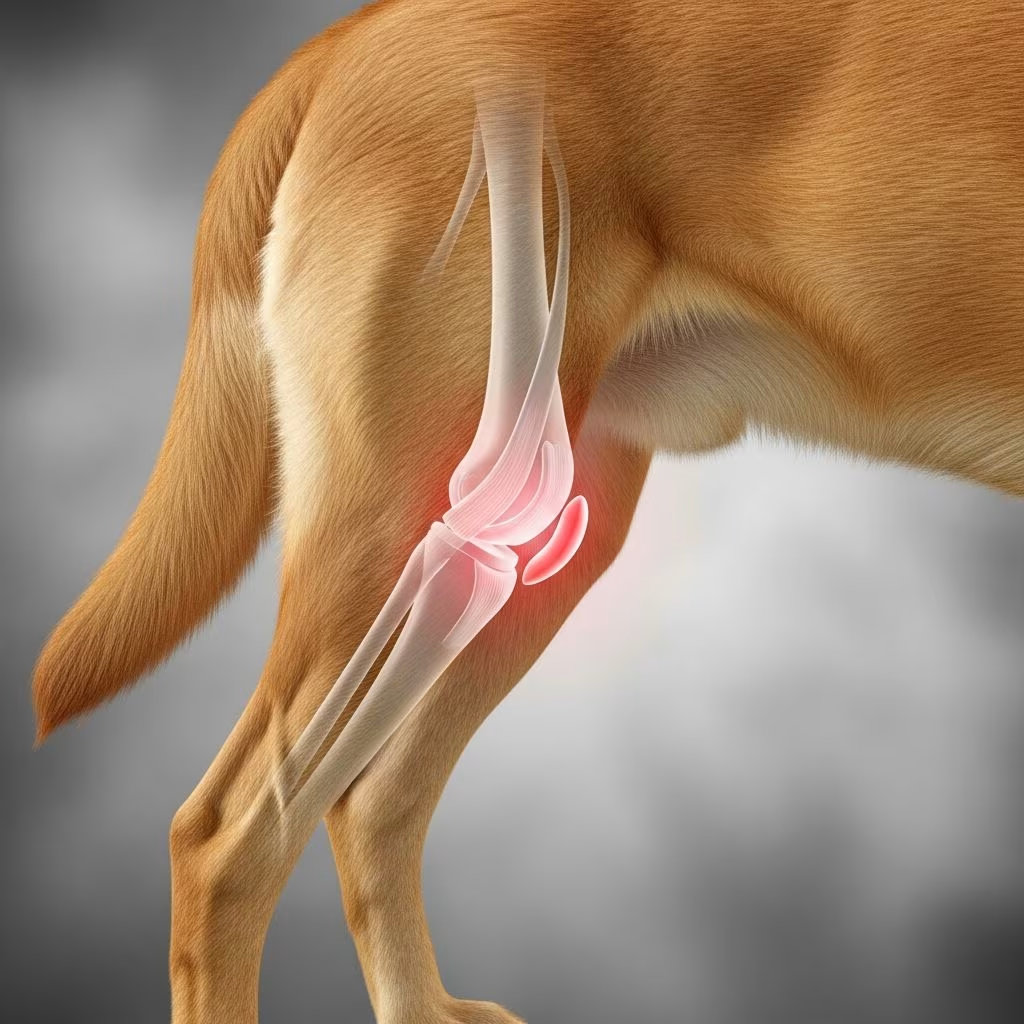
Luxating patella, a frequent orthopedic issue in canines, occurs when the kneecap dislocates from its normal position in the groove of the femur. This condition primarily impacts small dog breeds but can affect any size, leading to pain, lameness, and potential long-term joint damage if unmanaged.
Understanding the Anatomy of a Dog’s Knee
The canine stifle joint, equivalent to a human knee, relies on the patella—or kneecap—to stabilize the joint during movement. Ligaments and muscles hold it in a trochlear groove on the femur. When these structures weaken or misalign, the patella slips medially (inward) or laterally (outward), disrupting normal function.
This misalignment strains surrounding tissues, causing inflammation and instability. Over time, repeated dislocations erode cartilage, fostering arthritis and chronic discomfort.
Primary Causes Behind Kneecap Dislocation
Several factors contribute to luxating patella. Genetic predisposition tops the list, with shallow trochlear grooves or malformed tibiae common in affected lineages.
- Trauma: Injuries from falls or rough play can displace the patella acutely.
- Congenital defects: Puppies born with angular limb deformities face higher risks.
- Obesity: Excess weight overloads joints, exacerbating instability.
- Muscle weakness: Atrophy from inactivity fails to support the joint adequately.
Breed-specific vulnerabilities arise from selective breeding prioritizing aesthetics over structural integrity.
Recognizing Early Warning Signs
Dogs rarely vocalize knee pain outright, but behavioral changes signal trouble. Watch for:
- Intermittent limping or holding up a hind leg.
- Skipping or hopping gait, as if kicking to reposition the kneecap.
- Reluctance to jump, climb stairs, or engage in play.
- Hunched posture or bow-legged stance in hind limbs.
- Sudden yelps during activity or stiffness after rest.
Advanced signs include swelling, muscle wasting, or grinding sensations in the knee. Early detection prevents progression.
Grading the Severity: From Mild to Critical
Veterinarians classify luxating patella into four grades based on exam findings, guiding treatment decisions.
| Grade | Description | Typical Symptoms | Management |
|---|---|---|---|
| I | Patella manually luxates but pops back spontaneously. | Mild, infrequent lameness. | Conservative: weight control, exercise. |
| II | Occasional spontaneous luxation; manual reduction needed sometimes. | Intermittent skipping; progresses if untreated. | Therapy, meds; monitor for surgery. |
| III | Patella out of place most times; manually reducible. | Persistent lameness, pain. | Surgery often recommended. |
| IV | Permanently luxated; non-reducible; deformities present. | Severe lameness, instability. | Surgical correction essential. |
Bilateral involvement occurs in up to 50% of cases, complicating mobility.
High-Risk Breeds and Genetic Factors
Small, toy, and miniature breeds dominate statistics due to inherited shallow grooves and poor angulation.
- Pomeranians
- Yorkshire Terriers
- Maltese
- Chihuahuas
- Poodles (toy/miniature)
- Boston Terriers
Larger breeds like Labrador Retrievers occasionally suffer from traumatic cases. Responsible breeding screens for hip and patella evaluations via OFA certification.
Non-Surgical Management Strategies
Mild grades (I-II) respond well to conservative care, aiming to strengthen muscles, reduce inflammation, and control weight.
- Medications: NSAIDs like carprofen or grapiprant alleviate pain and swelling.
- Supplements: Glucosamine, chondroitin, omega-3s support joint health.
- Physical therapy: Controlled exercises build quadriceps; hydrotherapy minimizes joint stress.
- Weight management: Low-calorie diets prevent overload.
- Activity modification: Leash walks, no jumping; ramps for furniture.
Improvement may take 3-6 weeks, with periodic flare-ups possible.
Surgical Interventions for Advanced Cases
Grades III-IV or unresponsive grade II demand surgery to realign anatomy and avert arthritis.
- Trochlear deepening: Groove resection or block creates deeper housing.
- Tibial tuberosity transposition: Realigns patellar tendon attachment.
- Capsular tightening: Imbrication stabilizes soft tissues.
- Fabellar sutures: Temporary joint stabilization.
Success rates exceed 90% for return to function, though bilateral surgeries stagger to aid recovery.
Post-Treatment Recovery Roadmap
Conservative paths allow gradual activity resumption. Surgical recovery spans 8-12 weeks:
- Weeks 1-2: Strict crate rest, pain meds, short leash walks.
- Weeks 3-6: Passive physio, controlled exercises.
- Weeks 7+: Graduated activity; rechecks at 2, 6, 12 months.
Complications like infection or re-luxation are rare (<5%) with skilled surgeons.
Preventive Measures for Healthy Joints
Proactive steps mitigate risks:
- Maintain ideal body weight via portion control and exercise.
- Select breeders with orthopedic certifications.
- Incorporate low-impact activities like swimming.
- Start joint supplements early in at-risk breeds.
- Regular vet exams catch issues early.
Puppies benefit from controlled growth to avoid rapid bone development stressing joints.
When to Consult a Veterinary Specialist
Seek immediate care for sudden lameness, swelling, or pain. Orthopedic vets use X-rays, stress tests for diagnosis. Delaying worsens prognosis, escalating costs—surgeries range $2,000-$5,000 per knee.
Frequently Asked Questions (FAQs)
Can luxating patella heal without surgery?
Yes, grades I-II often manage with therapy and lifestyle changes, though monitoring prevents progression.
Is luxating patella hereditary?
Strongly genetic in predisposed breeds; breeding from affected dogs perpetuates it.
How much does surgery cost?
Typically $1,500-$5,000 per knee, varying by location, complexity, and clinic.
Will my dog fully recover after treatment?
Most regain normal activity; severe cases may have mild limitations or arthritis.
Can large dogs get luxating patella?
Less common, usually from trauma rather than genetics.
Long-Term Outlook and Quality of Life
With timely intervention, dogs thrive pain-free. Untreated cases devolve into debilitating arthritis, curtailing lifespan and joy. Owners report dramatic mobility gains post-treatment, underscoring vigilance’s value.
References
- Luxating Patella in Dogs | Dogwood Veterinary Hospital — Dogwood Veterinary Hospital. 2023. https://dogwoodvet.com/blog/luxating-patella-in-dogs/
- Luxating Patella in Dogs: Prevention, Symptoms, Treatment, and Surgery — Animal Outpatient Surgery. 2024. https://animaloutpatientsurgery.com/blog/luxating-patella-in-dogs-prevention-symptoms-treatment-and-surgery/
- Luxating Patella in Dogs: What Is It, and How Is It Treated? — PetMD. 2024-01-15. https://www.petmd.com/dog/conditions/musculoskeletal/luxating-patella-in-dogs
- Understanding Luxating Patellas in Dogs: Causes, Symptoms, and Treatment — Austin Canine Rehab. 2023. https://www.austincaninerehab.com/blog/luxating-patella-in-dogs
- Luxating Patella in Dogs: Symptoms, Treatment Options & Prognosis — Bond Vet. 2024. https://bondvet.com/blog/luxating-patella-dog
- Luxating Patella in Dogs: Causes, Symptoms, & Treatment — TPLO Info. 2023. https://tploinfo.com/blog/luxating-patella-in-dogs-causes-symptoms-treatment/



