

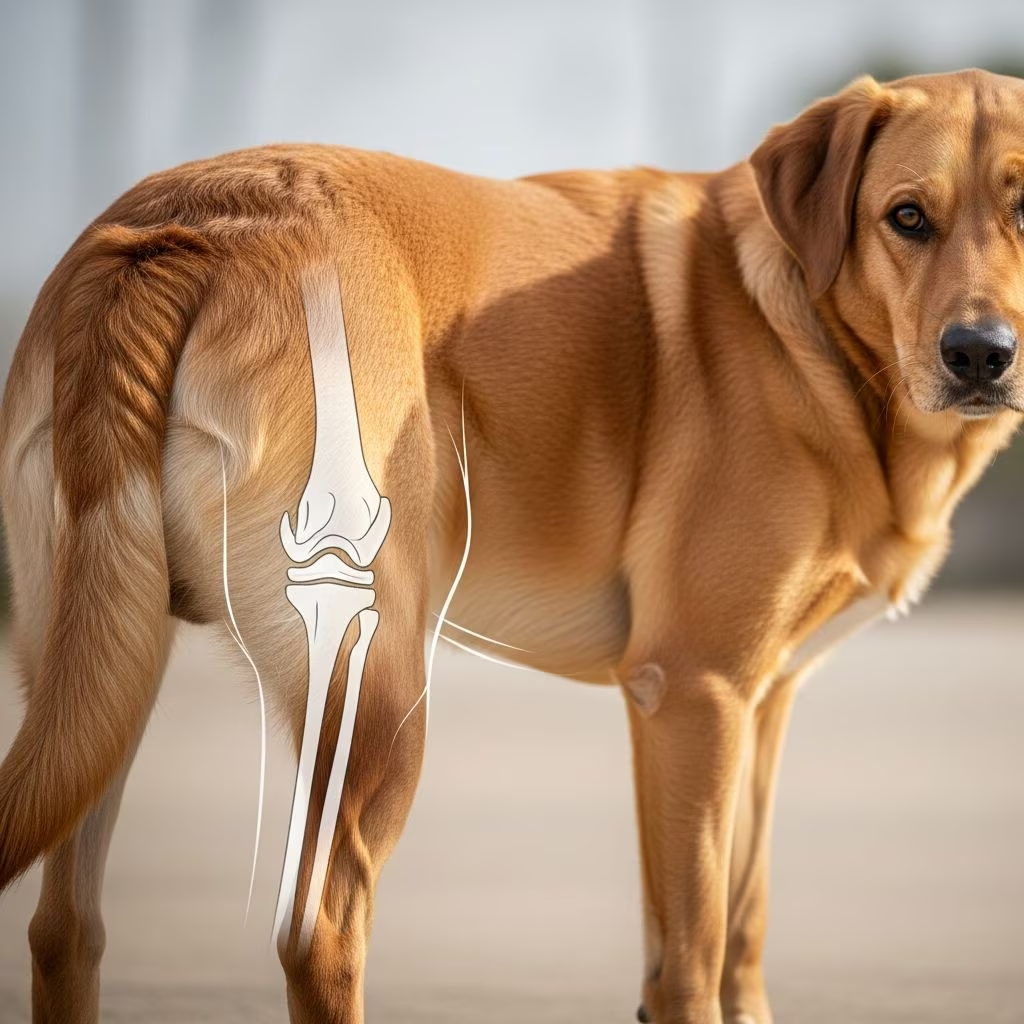
Understanding Luxating Patella in Dogs
Luxating patella, also known as patellar luxation or slipping kneecap, is a common orthopedic condition in dogs where the kneecap (patella) temporarily or permanently moves out of its normal position within the groove of the femur. This condition affects the hind legs and can range from mild to severely debilitating depending on the grade and frequency of dislocation. Understanding this condition is crucial for dog owners, particularly those with small breed dogs, as early detection and appropriate management can significantly improve your pet’s quality of life and prevent long-term complications.
What Causes Luxating Patella?
Luxating patella develops due to a combination of anatomical and genetic factors. The condition has a strong hereditary component, making certain breeds significantly more susceptible to developing it. Small dog breeds are particularly prone to this condition, including Chihuahuas, Pomeranians, Yorkshire Terriers, and Maltese dogs. Larger breeds can also develop luxating patella, though it occurs less frequently.
The underlying causes include abnormal bone structure, particularly shallow femoral grooves or improper alignment of the bones and ligaments in the knee joint. Additionally, trauma or injury to the knee can trigger or exacerbate the condition. Dogs that are overweight are at increased risk, as excess weight places additional stress on the joints. Environmental factors such as repetitive jumping, landing awkwardly, or sudden physical stress can precipitate luxation episodes.
Recognizing the Symptoms of Luxating Patella
Pet owners should be alert to various signs that may indicate luxating patella in their dogs. The symptoms can vary depending on the severity and frequency of patellar displacement.
Common Symptoms Include:
- Intermittent Limping or Lameness: One of the most noticeable signs, especially after exercise or physical activity. Dogs may favor one hind leg, holding it up for a few steps.
- Skipping or Hopping Motion: Dogs may seem to skip while walking or running, lifting one hind leg off the ground briefly.
- “Kicking” Motion: Some dogs will extend or “kick” their affected leg to pop the kneecap back into place, particularly after exercise.
- Reluctance to Exercise: Dogs may show unwillingness to run, jump, or engage in physical activities they previously enjoyed.
- Difficulty Rising: Your dog may experience stiffness after rest periods and require time to loosen up before moving normally.
- Sudden Yelps or Vocalizations: Pain may cause your dog to cry out unexpectedly, especially during play or movement.
- Abnormal Gait or Leg Alignment: You may notice the hind legs appear bow-legged or knock-kneed, or the legs turn inward or outward abnormally.
- Swelling Around the Knee: Inflammation around the affected knee joint may be visible or palpable.
- Reluctance to Bear Weight: Dogs may avoid putting full weight on the affected leg.
Without early intervention, these symptoms can progressively worsen, leading to chronic pain, arthritis, and severe lameness that requires more extensive medical intervention.
Grading System for Luxating Patella
Veterinarians classify luxating patella into four grades based on the severity of the condition and the ease with which the patella can be displaced. Understanding these grades helps determine the most appropriate treatment approach.
Grade I: Mild Luxation
In Grade I, the patella can be manually luxated (moved out of position) by a veterinarian but spontaneously returns to its normal position when released. Dogs with Grade I luxation typically exhibit little to no pain or discomfort and may not show any noticeable symptoms. Many dogs with Grade I patellar luxation do not require surgical intervention and can be managed with conservative approaches.
Grade II: Moderate Luxation
Grade II represents a more significant condition where the patella can be manually luxated or may spontaneously luxate on its own during normal activity. The kneecap does not always return to its normal position without manual manipulation. Dogs with Grade II luxation typically exhibit intermittent lameness or discomfort, particularly after exercise. Non-surgical treatments can be quite helpful in managing symptoms, though many Grade II cases progress to Grade III or IV without surgical intervention, making surgery typically recommended at this stage.
Grade III: Severe Luxation
In Grade III, the patella is frequently luxated and remains out of position most of the time. Manual manipulation is often necessary to return it to its normal position. Dogs with Grade III patellar luxation experience persistent lameness and discomfort. Surgical intervention is commonly recommended to prevent further joint damage, alleviate pain, and restore proper function.
Grade IV: Permanent Luxation
Grade IV represents the most severe form of luxating patella, where the patella is permanently dislocated and cannot be manually returned to its normal position. This grade causes significant deformity and is accompanied by severe lameness, chronic pain, and often degenerative joint disease. Dogs with Grade IV luxation require surgical intervention as soon as possible to restore function and provide pain relief, as non-surgical management cannot address the permanent nature of the dislocation.
Diagnosis and Veterinary Examination
If you suspect your dog has luxating patella, your veterinarian will conduct a thorough examination. During the physical examination, the vet will manipulate the hind legs to assess patellar mobility and determine the grade of luxation. Radiographic imaging (X-rays) may be performed to evaluate the bone structure, assess for arthritis, and rule out other conditions. Some veterinarians may recommend advanced imaging such as CT scans or MRI for complex cases requiring surgical planning.
Treatment Options for Luxating Patella
Treatment approaches for luxating patella depend on the grade of the condition, the severity of symptoms, and the individual dog’s response to conservative management. Treatment plans should be tailored to each dog’s specific needs.
Conservative (Non-Surgical) Management
For mild cases, particularly Grade I and some Grade II cases, conservative management can effectively control symptoms and improve quality of life.
- Weight Management: Maintaining an ideal body weight reduces stress on the joints and decreases the likelihood of luxation episodes. Overweight dogs should be placed on a controlled diet and exercise program under veterinary guidance.
- Exercise Control: Limiting high-impact activities and avoiding excessive jumping or running can prevent luxation episodes. Regular, controlled low-impact exercise is beneficial for maintaining muscle strength.
- Anti-Inflammatory Medications: Veterinarians may prescribe nonsteroidal anti-inflammatory drugs (NSAIDs) to reduce pain and swelling. These medications help keep dogs comfortable while managing the condition.
- Joint Supplements: Glucosamine and chondroitin supplements support cartilage health and joint lubrication, potentially slowing degenerative changes and reducing symptoms over time.
- Physical Therapy and Rehabilitation: Specialized exercises and physical therapy strengthen the muscles surrounding the knee joint, improving stability and preventing luxation. Hydrotherapy (water therapy) is particularly beneficial as it allows safe exercise while reducing joint stress.
- Pain Management: Prescription pain medications can help manage discomfort associated with luxation episodes and arthritis.
- Joint Bracing: In some cases, specialized knee braces or supports may help stabilize the joint and prevent luxation.
Surgical Treatment
For Grade III and Grade IV cases, or when conservative management proves insufficient, surgical intervention offers the best solution for restoring mobility and reducing pain. Surgical procedures are highly effective and have high success rates in improving functional outcomes.
Surgical Procedures May Include:
- Deepening the femoral groove to provide better mechanical stability for the patella
- Reconstructing and tightening soft tissues around the patella
- Repositioning the tibial tuberosity (the attachment point of the patellar ligament on the shin bone)
- Tightening the joint capsule around the kneecap
- Placement of implants on the inner side of the knee to prevent future dislocations
The specific surgical approach depends on the individual case, the underlying anatomical abnormalities, and the surgeon’s assessment of the best method to stabilize the patella.
Post-Surgical Recovery and Rehabilitation
Proper post-operative care is essential for successful outcomes. The recovery period typically follows a structured timeline:
Weeks 1-2: Immediate Post-Operative Care
- Pain management with prescribed medications
- Wound care and monitoring for signs of infection
- Strict activity restriction (crate rest or confinement to a small area)
- Use of an Elizabethan collar to prevent licking or chewing at the surgical site
Weeks 3-6: Early Rehabilitation Phase
- Gradual increase in activity as advised by the veterinarian
- Short, controlled leashed walks (5-10 minutes, 2-3 times daily)
- Continued monitoring of the surgical site for proper healing
Weeks 6-8: Progressive Recovery
- Further increase in activity levels under veterinary guidance
- Gradually lengthening walks on a leash
- Follow-up appointments with the veterinarian for reevaluation and assessment of healing progress
Advanced Rehabilitation Modalities
Beyond standard post-operative care, advanced modalities can enhance recovery and long-term joint health. Hydrotherapy promotes healing while allowing safe exercise. Massage therapy improves circulation and reduces muscle tension. Therapeutic laser treatment reduces inflammation and promotes tissue healing. A well-designed rehabilitation program can accelerate recovery and improve long-term joint health and functionality.
Prognosis and Long-Term Management
With appropriate treatment, the prognosis for dogs with luxating patella is generally favorable. Dogs with mild to moderate cases managed conservatively often lead normal, comfortable lives with minimal symptoms. Surgically corrected cases typically show dramatic improvement in mobility and pain levels, with high success rates in restoring function. However, dogs that undergo surgery may develop arthritis in the affected joint over time, necessitating long-term management with supplements, anti-inflammatory medications, and activity modification.
Regular follow-up visits with your veterinarian are important to monitor for complications and adjust treatment as needed. Maintaining an appropriate weight, providing controlled exercise, and continuing joint supplements can help maximize long-term outcomes and quality of life.
Prevention and Breed Considerations
While luxating patella has a strong genetic component that cannot be completely prevented, responsible breeding practices by reputable breeders can reduce the incidence in future generations. Prospective dog owners, particularly those choosing small breed dogs, should inquire about the health history and genetic screening of parent dogs. Maintaining a healthy weight, providing appropriate exercise, and avoiding high-impact activities can help reduce the risk of developing or worsening the condition in susceptible dogs.
Frequently Asked Questions
Q: Is luxating patella painful for dogs?
A: Yes, luxating patella can be painful, especially during and after dislocation episodes. The severity of pain varies depending on the grade and frequency of luxation. Grade I may cause minimal discomfort, while Grade III and IV cases typically cause significant pain and lameness.
Q: Can luxating patella resolve on its own without treatment?
A: Mild Grade I cases may not worsen significantly over time, but Grade II, III, and IV cases typically progress without intervention. Conservative management can slow progression and manage symptoms, but surgical correction is often necessary for severe cases to prevent chronic pain and arthritis.
Q: What is the success rate of surgery for luxating patella?
A: Surgical procedures for luxating patella have high success rates, typically ranging from 85-90% for restoring mobility and reducing pain. Most dogs show significant improvement in lameness and function following surgical correction.
Q: How long does recovery take after patellar luxation surgery?
A: Initial recovery typically takes 6-8 weeks, with most dogs returning to normal activity within this timeframe. However, complete tissue healing and optimal joint function may continue to improve over several months of rehabilitation.
Q: Can I manage my dog’s luxating patella at home without veterinary intervention?
A: While mild cases can be managed at home with weight control, exercise restriction, and supplements, veterinary oversight is essential to monitor progression and prevent complications. Even mild cases should be evaluated by a veterinarian and monitored regularly.
Q: Are certain dog breeds more prone to luxating patella?
A: Yes, small dog breeds are significantly more prone to luxating patella, including Chihuahuas, Pomeranians, Yorkshire Terriers, Maltese, and Poodles. However, the condition can affect dogs of any breed or size.
References
- Luxating Patella in Dogs: Causes, Symptoms, and Treatment — American Kennel Club (AKC). Accessed 2025-11-28. https://www.akc.org/expert-advice/health/luxating-patella-dog/
- Patellar Luxation — Cornell University College of Veterinary Medicine, Riney Canine Health Center. Accessed 2025-11-28. https://www.vet.cornell.edu/departments-centers-and-institutes/riney-canine-health-center/canine-health-information/patellar-luxation
- Luxating Patella in Dogs — PDSA (People’s Dispensary for Sick Animals). Accessed 2025-11-28. https://www.pdsa.org.uk/pet-help-and-advice/pet-health-hub/conditions/luxating-patella-in-dogs
- Luxating Patella in Dogs: Prevention, Symptoms, Treatment, and Surgery — Animal Outpatient Surgery. 2025-11-28. https://animaloutpatientsurgery.com/blog/luxating-patella-in-dogs-prevention-symptoms-treatment-and-surgery/
- Luxating Patella in Dogs: Symptoms, Treatment Options & Prognosis — Bond Vet. 2025-11-28. https://bondvet.com/blog/luxating-patella-dog
- Luxating Patella in Dogs — Dogwood Veterinary Hospital. 2025-11-28. https://dogwoodvet.com/blog/luxating-patella-in-dogs/
- Luxating Patella in Dogs: Causes, Symptoms, & Treatment — TPLO Info. 2025-11-28. https://tploinfo.com/blog/luxating-patella-in-dogs-causes-symptoms-treatment/



