

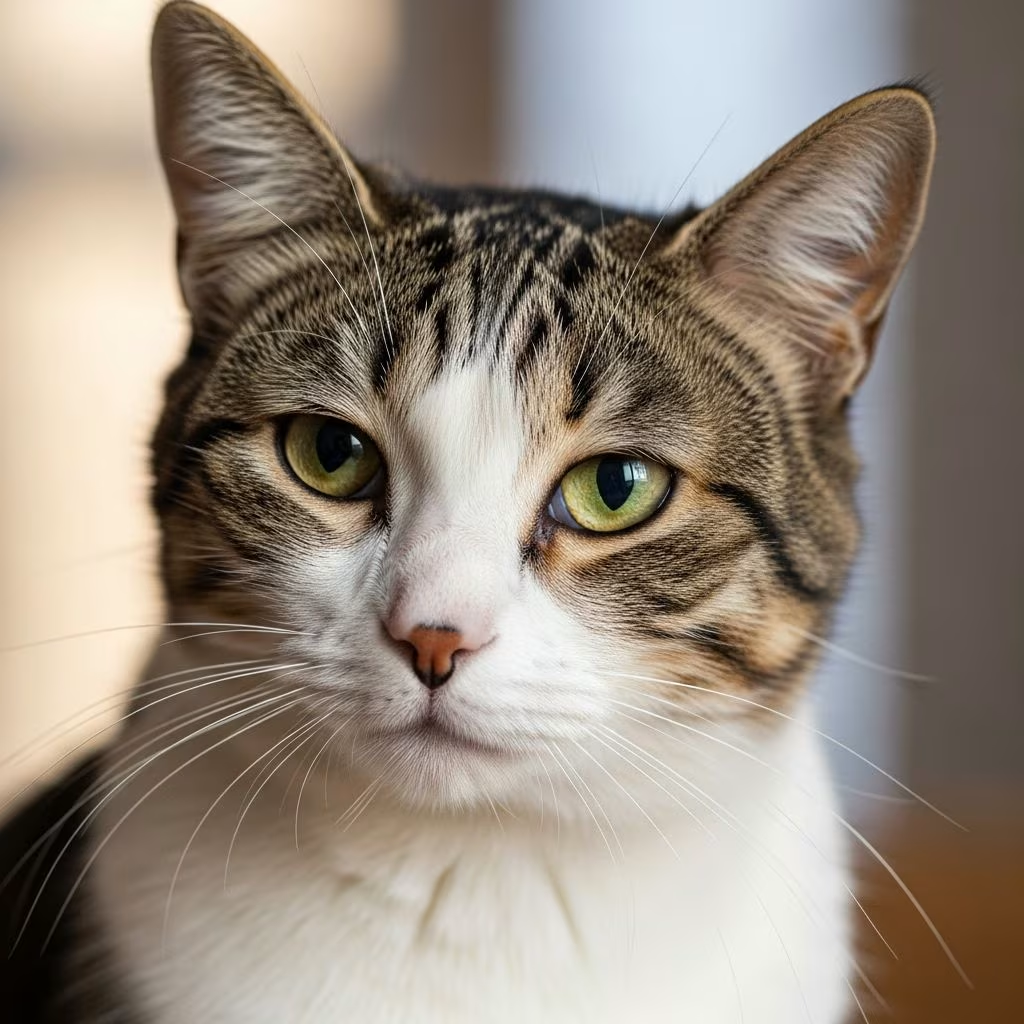
Lupus, formally known as systemic lupus erythematosus (SLE) in veterinary medicine, represents a challenging autoimmune condition that affects feline patients. Unlike many other feline diseases, lupus is relatively uncommon but carries significant implications for affected cats and their owners. This condition occurs when a cat’s immune system malfunctions, mistakenly attacking the body’s own healthy tissues and cells rather than protecting against external threats. Understanding this disease is crucial for cat owners, as early recognition of symptoms can lead to better management outcomes.
The Nature of Feline Lupus: Breaking Down the Autoimmune Process
At its core, feline lupus is an autoimmune disorder characterized by the formation of immune complexes and the development of antibodies targeting the cat’s own body tissues. The immune system, which normally serves a protective function, becomes dysregulated and begins attacking various body systems simultaneously. This misdirected immune response creates widespread inflammation that can affect multiple organs and tissues throughout the body.
The fundamental mechanism involves the production of autoantibodies—antibodies that recognize and attack the body’s own cells. These autoantibodies combine with antigens to form immune complexes that circulate through the bloodstream. When these complexes become trapped in various tissues, particularly in the kidneys and skin, they trigger an inflammatory cascade that damages the affected structures. This explains why lupus in cats can present with such diverse and varied symptoms affecting different body systems.
Two Distinct Forms: How Discoid and Systemic Lupus Differ
Veterinarians recognize two primary presentations of feline lupus, each with distinct characteristics and severity levels.
Discoid Lupus Erythematosus (DLE)
Discoid lupus erythematosus represents the localized form of the disease, primarily affecting the skin and mucous membranes. This variant is generally considered less severe because it typically does not involve internal organs or systemic complications. Cats with DLE usually develop characteristic lesions concentrated around facial areas, including the nose, ears, and mouth. These lesions often appear as crusty, erosive patches that may result in depigmentation—a loss of normal skin coloring in affected regions. The condition can be exacerbated by sun exposure, with affected cats showing worsening symptoms following periods in sunlight.
Systemic Lupus Erythematosus (SLE)
Systemic lupus erythematosus represents the more serious form of feline lupus, capable of affecting multiple organ systems simultaneously. This multisystem involvement distinguishes SLE from its discoid counterpart and typically requires more aggressive therapeutic intervention. SLE can damage joints, kidney tissue, blood cells, skin, and various internal organs. The widespread nature of this condition means affected cats may experience a complex array of symptoms that can complicate diagnosis and treatment planning.
Recognizing the Clinical Presentation: Symptoms and Signs in Affected Cats
The manifestation of lupus in cats varies considerably depending on which body systems become involved. Clinical signs may appear suddenly, develop gradually over time, or follow a pattern of periodic flare-ups and remission periods.
Skin and Dermatological Signs
Approximately 60 percent of cats with lupus present with visible skin lesions. These cutaneous manifestations most commonly appear on the face, ears, and paws, though generalized distribution across the body can occur. The skin may display reddening, ulcerations, erosions, crusting, and areas of hair loss (alopecia). Some cats experience painful blistering or open wounds on the skin surface. Additionally, affected cats may lose normal skin pigmentation in areas where lesions develop, creating distinctive depigmented patches.
Systemic Illness Indicators
Beyond skin involvement, cats with lupus frequently exhibit signs of systemic illness affecting overall health and function:
- Fever unresponsive to antibiotics: A persistent fever that does not resolve with standard antibiotic therapy often suggests an underlying autoimmune process rather than bacterial infection
- Joint and musculoskeletal problems: Lameness, joint swelling and pain, stiffness, and an abnormal gait reflect immune-mediated arthritis
- Oral complications: Painful ulcerations develop inside the mouth, affecting the cat’s ability to eat comfortably
- Constitutional symptoms: Lethargy, decreased energy levels, loss of appetite, and general malaise indicate systemic inflammatory effects
- Photosensitivity: Some cats develop increased sensitivity to sunlight, with sun exposure triggering or worsening skin symptoms
The Diagnostic Challenge: How Veterinarians Identify Lupus
Diagnosing lupus in cats presents a significant challenge because many clinical signs mimic other feline diseases. A comprehensive diagnostic approach combining multiple testing modalities is necessary to establish a definitive diagnosis.
Laboratory Investigations
The diagnostic workup typically includes several laboratory tests:
- Complete blood count (CBC): May reveal anemia and thrombocytopenia (low platelet count)
- Biochemistry profile: Assesses organ function and identifies any metabolic abnormalities
- Urinalysis: Evaluates kidney function and detects proteinuria (protein in urine)
- Antinuclear antibody test (ANA): The most important diagnostic test for lupus, a positive ANA titer supports the diagnosis when combined with clinical findings
Histopathological Examination
Skin biopsy specimens provide critical diagnostic information. Under microscopic examination, affected tissue typically shows interface dermatitis and interface folliculitis—inflammation at the junction between the epidermis and dermis involving lymphocytes, mast cells, and neutrophils. These histopathological findings, combined with clinical signs and laboratory results, form the basis for diagnosis.
Diagnostic Criteria Application
Veterinarians apply diagnostic criteria adapted from human rheumatology. A cat meeting four or more criteria—including facial dermatitis, oral ulceration, thrombocytopenia, anemia, positive ANA test, and supportive skin biopsy findings—supports a diagnosis of systemic lupus erythematosus. It is important to note that some cats may meet fewer criteria initially but develop additional signs months or years after initial examination.
Age and Risk Factors: Who Develops Feline Lupus
While lupus can theoretically affect any cat, certain populations face increased risk. Middle-aged cats show higher incidence compared to younger or geriatric animals. Additionally, female cats appear more prone to developing autoimmune conditions than males, though both sexes can be affected. Some purebred cats, particularly Persians and Himalayans, demonstrate genetic predisposition to autoimmune conditions, suggesting hereditary factors contribute to disease development.
Various triggers may precipitate lupus development or exacerbate existing disease. Genetic susceptibility appears fundamental, as does exposure to certain infections, including feline leukemia virus, feline immunodeficiency virus, and feline infectious peritonitis virus. Food allergies have also been implicated as potential contributory factors in some cases.
Management Strategies: Treating Feline Lupus
While no cure exists for lupus, veterinary management focuses on controlling inflammation, managing symptoms, and improving quality of life. Treatment approaches vary based on disease severity and which body systems are involved.
Immunosuppressive Therapy
Most cats with lupus require medications that suppress excessive immune system activity. These drugs reduce the production of harmful autoantibodies and limit inflammatory responses. The selection and dosing of immunosuppressive agents depend on individual patient factors and disease manifestations.
Symptomatic Care
Managing secondary complications forms an important component of overall treatment. For example, cats with kidney involvement may require therapeutic diets and monitoring of kidney function. Those with oral ulcerations need pain management and dietary modifications to accommodate eating difficulties. Skin care protocols help manage dermatological lesions and prevent secondary infections.
Environmental Modifications
For cats with photosensitivity, limiting sun exposure becomes important. This may involve restricting outdoor access during peak sun hours or providing shaded indoor environments. Protecting affected skin from ultraviolet radiation can prevent symptom exacerbation.
Long-Term Outlook: Prognosis and Quality of Life
The prognosis for cats with lupus varies depending on disease severity and involved organ systems. Cats with localized discoid lupus generally have better long-term outcomes than those with systemic disease. However, many cats with SLE can maintain acceptable quality of life with appropriate veterinary management and owner commitment to consistent care.
Signs in affected cats may follow a variable course—appearing suddenly, developing gradually, or waxing and waning over extended periods. Some cats achieve disease remission with appropriate treatment, while others experience chronic ongoing symptoms requiring continuous management. Regular veterinary monitoring helps adjust treatment protocols as disease progression or improvement occurs.
Differential Diagnosis: Distinguishing Lupus from Other Conditions
The clinical similarity between lupus and other feline diseases complicates diagnosis. Fungal infections, bacterial infections, other autoimmune conditions, and neoplastic diseases can present with superficially similar signs. Comprehensive diagnostic workup including cultures, biopsies, and serological testing helps differentiate lupus from these alternative diagnoses. This thorough approach ensures affected cats receive appropriate treatment for their specific condition.
Working with Your Veterinarian: Essential Considerations for Lupus Management
Successful management of feline lupus requires close collaboration between veterinarians and cat owners. Regular follow-up appointments allow monitoring of disease progression and treatment response. Owners should report any new or worsening symptoms promptly, as these may indicate the need for treatment adjustments. Consistent medication administration, even when the cat appears healthy, helps maintain immune system control and prevent flare-ups.
Affected cats benefit from stable environments with minimized stress, as stress can trigger immune system dysregulation. Attention to nutrition, with consideration given to potential food sensitivities, supports overall health. Environmental modifications to limit sun exposure and protect affected skin also contribute to improved comfort and symptom control.
References
- SLE in the cat: Clinical signs vary dramatically — DVM360. https://www.dvm360.com/view/sle-cat-clinical-signs-vary-dramatically
- New findings associated with presumptive systemic lupus — National Center for Biotechnology Information (NCBI). https://pmc.ncbi.nlm.nih.gov/articles/PMC7758563/
- Autoimmune Disease in Cats: Types and Symptoms — PetMD. https://www.petmd.com/cat/conditions/immune/autoimmune-disease-in-cats
- Disorders Involving Immune Complexes (Type III Reactions) in Cats — Merck Manual Veterinary. https://www.msdvetmanual.com/cat-owners/immune-disorders-of-cats/disorders-involving-immune-complexes-type-iii-reactions-in-cats
- Systemic Lupus in Cats — VCA Hospitals. https://vcahospitals.com/know-your-pet/systemic-lupus-in-cats



