

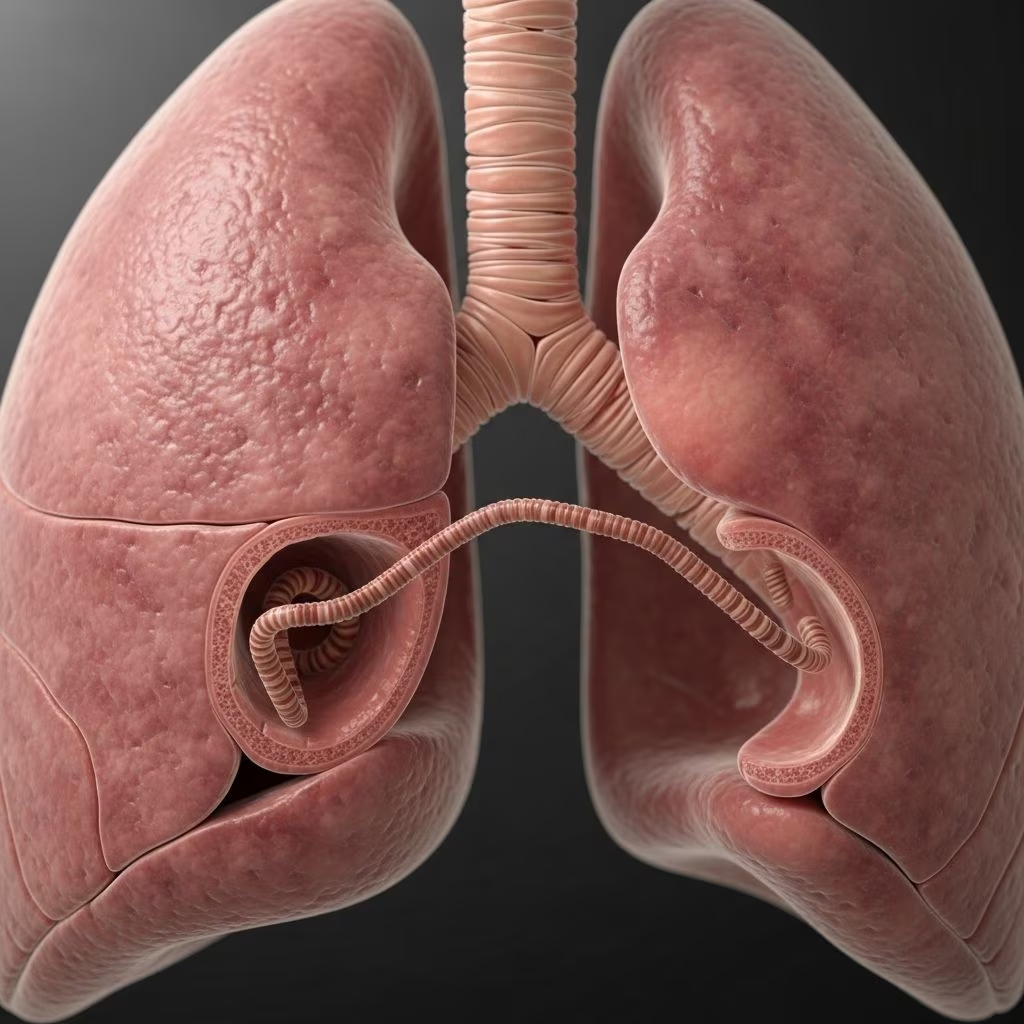
Lungworms represent a serious parasitic infection that targets a dog’s respiratory system, potentially leading to chronic coughing, breathing difficulties, and even life-threatening complications if ignored. These nematodes, primarily Angiostrongylus vasorum and Crenosoma vulpis, reside in the lungs or blood vessels, disrupting normal function and inviting secondary infections.
The Nature of Lungworm Parasites
Canine lungworms are elongated worms that complete their life cycle through intermediate hosts such as slugs, snails, frogs, and occasionally contaminated grass or water. Dogs ingest infective larvae while exploring gardens, parks, or rural areas, allowing the parasites to migrate from the intestines to the lungs via the bloodstream. Once mature, adult worms produce eggs and larvae that are coughed up, swallowed, and shed in feces, perpetuating the cycle.
Unlike common intestinal worms, lungworms specifically invade pulmonary tissues, causing inflammation and damage that mimics other respiratory conditions like kennel cough or pneumonia. Certain breeds, such as retrievers and hounds that hunt or scavenge outdoors, face higher exposure risks.
Recognizing Early Warning Signs
Symptoms often develop gradually, starting subtly before escalating. Pet owners should monitor for:
- Persistent dry cough: Worsens with exercise or excitement, sometimes producing bloody mucus.
- Labored breathing: Rapid, shallow respirations or wheezing, especially after activity.
- Lethargy and weakness: Reduced energy, reluctance to play, and exercise intolerance.
- Weight loss and poor appetite: Despite normal eating habits initially.
Advanced cases reveal more alarming indicators, including nosebleeds, blood in urine or stool, pale gums, seizures, collapse, or neurological issues like disorientation. Some infections remain subclinical, with no outward signs until routine checks uncover them.
| Symptom Category | Early/Moderate Signs | Severe/Advanced Signs |
|---|---|---|
| Respiratory | Dry cough, sneezing | Respiratory distress, wheezing |
| General | Lethargy, appetite loss | Weight loss, collapse |
| Coagulation | Mild bruising | Nosebleeds, blood in fluids |
| Neurological | Mild confusion | Seizures, blindness |
How Lungworms Spread in Canine Populations
Transmission hinges on environmental factors. Slugs and snails thrive in damp, temperate climates, peaking in autumn and spring. Dogs contract the parasite by:
- Directly eating infected mollusks during play or hunting.
- Chewing grass blades with dried slug slime containing larvae.
- Drinking from puddles or bowls contaminated by wildlife feces.
Frogs and lizards serve as paratenic hosts in some regions, amplifying risks for dogs in ponds or woodlands. Puppies and young adults are vulnerable due to exploratory behaviors, while urban dogs on leashes may encounter less exposure unless gardens harbor slugs.
Diagnostic Approaches for Accurate Identification
Veterinarians rely on a multi-step process since symptoms overlap with allergies, heart disease, or bacterial pneumonia. Key methods include:
- Fecal flotation or Baermann technique: Detects L1 larvae in stool samples, though multiple tests may be needed due to intermittent shedding.
- Imaging: Chest X-rays reveal lung patterns like nodules or consolidation.
- Airway procedures: Transtracheal wash or bronchoalveolar lavage under anesthesia retrieves larvae from airways for microscopic confirmation.
- Blood tests: Antigen detection kits identify circulating proteins from adult worms, offering higher sensitivity.
Early diagnosis improves outcomes, as untreated infestations burden the heart and coagulopathy risks rise.
Comprehensive Treatment Protocols
Treatment targets parasite elimination while managing inflammation from dying worms, which can temporarily worsen symptoms. Core components:
- Anthelmintics: Oral dewormers like fenbendazole, milbemycin oxime, moxidectin, or ivermectin administered for 10-30 days. Specific drugs match the lungworm species.
- Anti-inflammatories: Corticosteroids reduce lung swelling and cough.
- Supportive therapies: IV fluids for hydration, oxygen for distress, antibiotics for secondary infections, or transfusions for coagulopathy.
Hospitalization occurs in critical cases. Recovery timelines vary: mild infections resolve in weeks, while severe ones demand months of monitoring. Prognosis excels with prompt intervention, though heavy burdens lower success rates.
Prevention Strategies for Long-Term Protection
Proactive measures minimize risks without constant vigilance. Essential tactics:
- Monthly preventives: Prescription spot-ons or tablets (e.g., those containing moxidectin or milbemycin) cover lungworms alongside heartworms and fleas.
- Yard maintenance: Clear slugs/snails at dusk using barriers, pet-safe baits, or by removing standing water and debris.
- Supervised outings: Discourage eating grass, wildlife, or puddles; train “leave it” commands.
- Routine vet checks: Annual fecal exams and heartworm tests catch subclinical cases.
Consult vets for region-specific advice, as prevalence varies (e.g., higher in Europe and coastal U.S.).
Risks and Complications of Untreated Infections
Beyond respiratory strain, lungworms impair clotting via proteins that hinder platelet function, causing spontaneous bleeds. Chronic cases lead to pulmonary hypertension, right-heart failure, or disseminated intravascular coagulation (DIC). Neurological migration risks paralysis or vision loss. Puppies and seniors suffer amplified effects due to immature or weakened immunity.
Secondary bacterial pneumonias exploit damaged airways, prolonging recovery. Fatalities, though rare, stem from respiratory failure or hemorrhage in advanced stages.
FAQs: Lungworms in Dogs
Can my indoor dog get lungworms?
Yes, if they access gardens or eat contaminated items brought indoors by family members.
How long until symptoms appear after exposure?
Typically 4-10 weeks as larvae mature.
Are lungworms contagious dog-to-dog?
No, direct transmission is impossible; it requires intermediate hosts.
What if my dog tests negative but symptoms persist?
Retest or pursue advanced diagnostics like airway washes, as larvae shedding is inconsistent.
Do natural remedies work against lungworms?
No reliable evidence supports them; vet-prescribed meds are essential.
Is lungworm coverage in all dewormers?
No—select products specifically labeled for lungworms.
Comparing Lungworm Species in Dogs
| Type | Primary Location | Main Symptoms | Common Treatment |
|---|---|---|---|
| Angiostrongylus vasorum (French Heartworm) | Blood vessels to lungs | Bleeding disorders, cough, heart issues | Moxidectin, Milbemycin |
| Crenosoma vulpis | Bronchi/bronchial tree | Chronic cough, no bleeding | Fenbendazole |
| Oslerus osleri | Trachea | Nodular cough, exercise intolerance | Ivermectin, surgical if needed |
This table highlights distinctions to aid vets in targeted therapy.
Arming yourself with knowledge empowers timely action. Regular preventives and vigilance transform lungworm from a stealthy foe into a manageable concern, ensuring your dog’s vitality.
References
- Lungworm Infection in Dogs: Symptoms, Treatment, and Prevention — PetCareRx. 2023. https://www.petcarerx.com/article/lungworm-infection-in-dogs-symptoms-treatment-and-prevention/6696
- Lungworms in Dogs: Symptoms, Causes, Treatment, and FAQs — PetMD. 2024-01-15. https://www.petmd.com/dog/conditions/respiratory/c_dg_lungworms
- Lungworm in Dogs: Causes, Symptoms and Treatment — Purina. 2023-05-20. https://www.purina.com/articles/dog/health/parasites/lungworms-in-dogs
- Lungworm in Dogs: Signs and Prevention — Veteris. 2022-11-10. https://veteris.co.uk/petcare-advice/lungworm-in-dogs-signs-and-prevention
- Lungworm Infections in Dogs — VCA Animal Hospitals. 2024. https://vcahospitals.com/know-your-pet/lungworm-infections-in-dogs
- Lungworm Infection in Dogs — MSD Veterinary Manual. 2025-02-01. https://www.msdvetmanual.com/dog-owners/lung-and-airway-disorders-of-dogs/lungworm-infection-in-dogs
- Lungworm in dogs — PDSA. 2023-08-12. https://www.pdsa.org.uk/pet-help-and-advice/pet-health-hub/conditions/lungworm-in-dogs



