

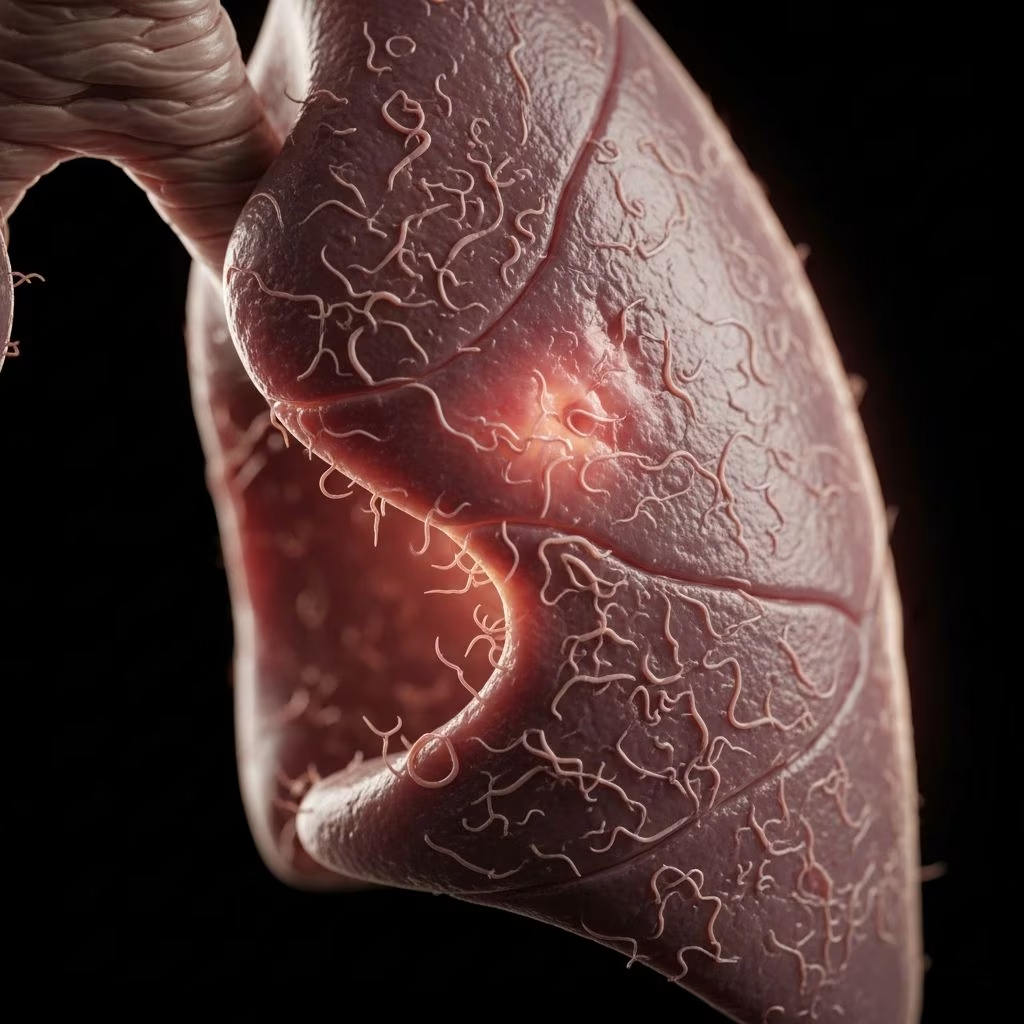
Understanding Lungworm Infections in Dogs
Lungworm infections represent a serious parasitic condition affecting dogs that has become increasingly prevalent over the past two decades. Angiostrongylus vasorum, the primary causative agent, is a nematode that has emerged as a significant vector-borne respiratory pathogen in canine populations. This parasitic infection can manifest in various ways, ranging from subclinical presentations with no visible symptoms to severe respiratory compromise requiring emergency intervention. Understanding the nature of lungworm infections is essential for dog owners seeking to recognize early warning signs and pursue appropriate veterinary care.
The infection occurs when dogs consume contaminated food or water containing larvated eggs. These eggs hatch within the intestine and subsequently migrate through the circulatory system to reach the lungs, where larvae mature approximately 40 days after initial infection. The progression of the disease and its manifestations depend heavily on the infection severity, the dog’s immune response, and the timing of therapeutic intervention.
Recognizing Symptoms of Lungworm Infection
Lungworm infections in dogs present a complex clinical picture, as symptoms vary significantly among affected animals. Early detection can be challenging because the disease often produces vague and intermittent signs that may easily be mistaken for other common conditions.
Early Warning Signs
The initial manifestations of lungworm infection are often subtle and may develop gradually over time. Pet owners should remain vigilant for the following early indicators:
– A persistent cough lasting longer than two weeks, which may be nonproductive or produce minimal mucus- Mild lethargy and reduced overall activity levels- Decreased appetite or changes in eating habits- Gastrointestinal upset including diarrhea and vomiting- Slightly increased breathing rate, particularly noticeable at rest- Moderate coughing or sneezing, especially when the dog is stressed or excited
Progressive and Severe Symptoms
As the parasitic burden increases and lung damage progresses, symptoms become more pronounced and alarming. Dogs may develop severe coughing, wheezing, and respiratory distress. Exercise intolerance becomes increasingly evident, with affected dogs becoming out of breath more easily and unable to engage in prolonged physical activity. Additional serious symptoms include:
– Severe respiratory distress and difficulty breathing- Labored breathing patterns and rapid respiratory rates- Unexpected and rapid weight loss- Pale gums indicating possible anemia- Bleeding tendencies manifesting as bruising, nosebleeds, or bloodshot eyes- General weakness or episodes of collapse- Seizures or other neurological manifestations- Hemoptysis or coughing up blood
The cardiorespiratory system bears the primary burden of infection, with dyspnea, pulmonary hypertension, and persistent coughing representing the most common presenting complaints. Some dogs may experience coagulation disorders with associated hemorrhagic complications, while others develop neurological signs that can be particularly alarming to pet owners.
Subclinical Infections
In some cases, dogs harbor lungworm infections without displaying any visible clinical signs. These subclinical infections may be discovered incidentally when veterinarians perform diagnostic testing for unrelated health concerns. This underscores the importance of regular veterinary checkups and appropriate screening, particularly in dogs living in endemic areas or with potential exposure to contaminated water sources.
Diagnostic Approaches for Lungworm Detection
Accurate diagnosis of lungworm infection is essential for initiating appropriate treatment. Veterinarians employ multiple diagnostic techniques to confirm the presence of parasites and assess infection severity.
Fecal Testing
Fecal examination using the Baermann technique remains a primary diagnostic tool for detecting lungworm larvae in dog feces. This specialized flotation procedure concentrates larvae for microscopic identification, though negative results do not definitively exclude infection, as shedding may be intermittent.
Radiographic Imaging
Chest radiographs can reveal characteristic lung changes associated with lungworm infection, including infiltrates and inflammatory patterns. These images help veterinarians assess the extent of pulmonary involvement and guide treatment planning.
Airway Wash Procedures
When standard diagnostic methods prove inconclusive, veterinarians may recommend advanced diagnostic techniques including transtracheal wash (TTW) or bronchoalveolar lavage (BAL). These procedures, performed under anesthesia, allow direct sampling of fluid from the dog’s airways and lungs. The obtained samples may contain lungworm larvae, eggs, and inflammatory cells, providing definitive diagnostic confirmation.
Treatment Options for Canine Lungworm Infection
Effective treatment of lungworm infection requires a multifaceted approach addressing both parasite elimination and symptom management. The treatment plan is customized based on infection severity, symptom presentation, and individual patient factors.
Antiparasitic Medications
Eliminating the parasites represents the cornerstone of lungworm treatment. Multiple antiparasitic options have demonstrated efficacy, including:
– Ivermectin- Fenbendazole (Panacur™), with efficacy of 91.3% for a 20-day protocol- Moxidectin combined with imidacloprid (Advantage Multi®), demonstrating 85.2% efficacy for a single dose- Milbemycin oxime combined with praziquantel (Interceptor Plus™)- Milbemycin oxime combined with afoxolaner (Nexgard Spectra®)
Treatment duration typically involves oral administration of deworming medication for approximately 14 days, though some protocols may extend longer depending on treatment response. Dogs receiving initial treatment showing persistent larval shedding may require additional dosing to achieve complete parasite clearance. For instance, studies demonstrate that additional doses of imidacloprid/moxidectin in previously treated dogs achieve complete Baermann-negative results.
Supportive Care and Symptom Management
Beyond antiparasitic treatment, dogs require comprehensive supportive care to manage symptoms and facilitate recovery. When dogs’ symptoms are moderate, veterinarians typically prescribe anti-inflammatory medications to alleviate respiratory inflammation and reduce lung tissue fibrosis. Corticosteroids play a crucial role in controlling inflammatory responses and preventing progressive lung damage.
Dogs with severe infestations require intensive supportive care measures:
– Oxygen therapy to improve oxygen saturation and ease respiratory distress- Intravenous fluid administration to prevent dehydration during recovery- Anti-inflammatory medications to reduce inflammatory damage- Antibiotics for secondary bacterial infections- Bronchodilators to facilitate airway opening- Blood transfusions in cases of significant blood loss- Anti-seizure medication if neurological complications arise
Many dogs experience an initial worsening of symptoms shortly after beginning treatment, as the immune system generates inflammation in response to dead and dying worms and larvae. This temporary deterioration is expected and typically resolves as treatment progresses. However, dogs undergoing deworming require careful monitoring, as the rapid death of numerous parasites can occasionally trigger serious allergic reactions.
Treatment Duration and Recovery Timeline
Recovery duration varies significantly based on infection timing and severity. Dogs with mild infections caught early typically recover rapidly without long-term consequences. However, infections present for extended periods require prolonged recovery. Antiparasitic treatment may continue for up to 2 months in certain cases. In advanced infections with extensive lung damage, treatment may prove unsuccessful despite appropriate intervention.
Prevention Strategies for Lungworm Infection
Prevention remains far superior to treatment in managing lungworm infection risk. Monthly preventive medications offer significant protection against infection development.
Imidacloprid/moxidectin monthly formulations demonstrate 100% efficacy against L4 larvae and immature adults (L5) of Angiostrongylus vasorum, providing robust protection against patent infection development. Similarly, milbemycin oxime administered monthly reduces infection levels with demonstrated efficacy of 94.9% for worm count reduction.
Pet owners should discuss regular lungworm prevention with their veterinarians, particularly if their dogs have potential exposure to contaminated water sources or live in endemic regions. Prevention is always preferable to treatment, as it eliminates the risks associated with infection severity and the stress of managing clinical disease.
Treatment Success Rates and Prognosis
The prognosis for dogs with lungworm infection is generally favorable when treatment is initiated appropriately. However, success rates depend significantly on infection severity and parasite burden at the time of diagnosis. Dogs with early-stage infections and prompt treatment typically achieve excellent outcomes with complete recovery and no lasting health effects. In contrast, dogs with advanced infections involving extensive lung damage and potential complications face less predictable prognoses. Death from lungworm infection remains relatively uncommon in dogs with appropriate treatment, though some cases with extreme severity may result in fatal outcomes.
Understanding Complications Associated with Lungworm
Beyond respiratory manifestations, lungworm infections can cause systemic complications affecting multiple body systems. Coagulopathy, or blood clotting disorders, represents a significant complication where dogs develop bleeding tendencies. Dogs experiencing acute hemorrhage or at risk of hypovolemic shock require fresh frozen plasma or type-matched whole blood to replace missing clotting factors while underlying infection treatment proceeds. These complications require emergency veterinary intervention and intensive monitoring.
Neurological complications including seizures occur in some infected dogs, likely resulting from inflammatory processes or parasitic migration affecting the nervous system. Dogs developing neurological signs require additional medications and monitoring alongside standard lungworm treatment.
Frequently Asked Questions About Lungworm in Dogs
Q: How do dogs contract lungworm infections?
A: Dogs become infected by consuming contaminated food or drinking water containing larvated eggs. The eggs hatch in the intestine and travel through the bloodstream to the lungs, where they mature over approximately 40 days.
Q: Can lungworm infection be fatal?
A: While death from lungworm is relatively uncommon in dogs receiving appropriate treatment, severe infections with complications can potentially be fatal. Early diagnosis and treatment significantly improve survival outcomes.
Q: How long does lungworm treatment take?
A: Treatment typically involves oral deworming medication for approximately 14 days, though some cases require extended treatment lasting up to 2 months. Recovery duration depends on infection severity and timing of intervention.
Q: Is lungworm preventable?
A: Yes, monthly preventive medications such as imidacloprid/moxidectin or milbemycin oxime provide excellent protection against lungworm infection. Discussion with your veterinarian about appropriate prevention is recommended, especially for dogs in endemic areas.
Q: What should I expect when my dog begins lungworm treatment?
A: Dogs often experience temporary worsening of symptoms shortly after starting treatment, as the immune system responds to dead and dying parasites. This is normal and typically resolves as treatment progresses. Close monitoring is essential during this period.
Q: Are there any serious complications from lungworm infection?
A: Yes, complications can include coagulation disorders with bleeding tendencies, neurological signs including seizures, and severe respiratory distress requiring hospitalization. Systemic inflammation can affect multiple body systems beyond the lungs.
References
- Lungworm in dogs: signs, latest insight and treatment protocols — Vet Times. 2024. https://www.vettimes.com/news/vets/small-animal-vets/lungworm-in-dogs-signs-latest-insight-and-treatment-protocols
- Lungworm in Dogs: Signs and Prevention — Veteris. 2024. https://veteris.co.uk/petcare-advice/lungworm-in-dogs-signs-and-prevention
- Lungworms in Dogs: Symptoms, Causes, Treatment, and FAQs — PetMD. 2024. https://www.petmd.com/dog/conditions/respiratory/c_dg_lungworms
- Lungworm Infections in Dogs — VCA Animal Hospitals. 2024. https://vcahospitals.com/know-your-pet/lungworm-infections-in-dogs
- Lungworm Infection in Dogs — Merck Veterinary Manual. 2024. https://www.merckvetmanual.com/dog-owners/lung-and-airway-disorders-of-dogs/lungworm-infection-in-dogs
- Lungworm in dogs — PDSA. 2024. https://www.pdsa.org.uk/pet-help-and-advice/pet-health-hub/conditions/lungworm-in-dogs



