

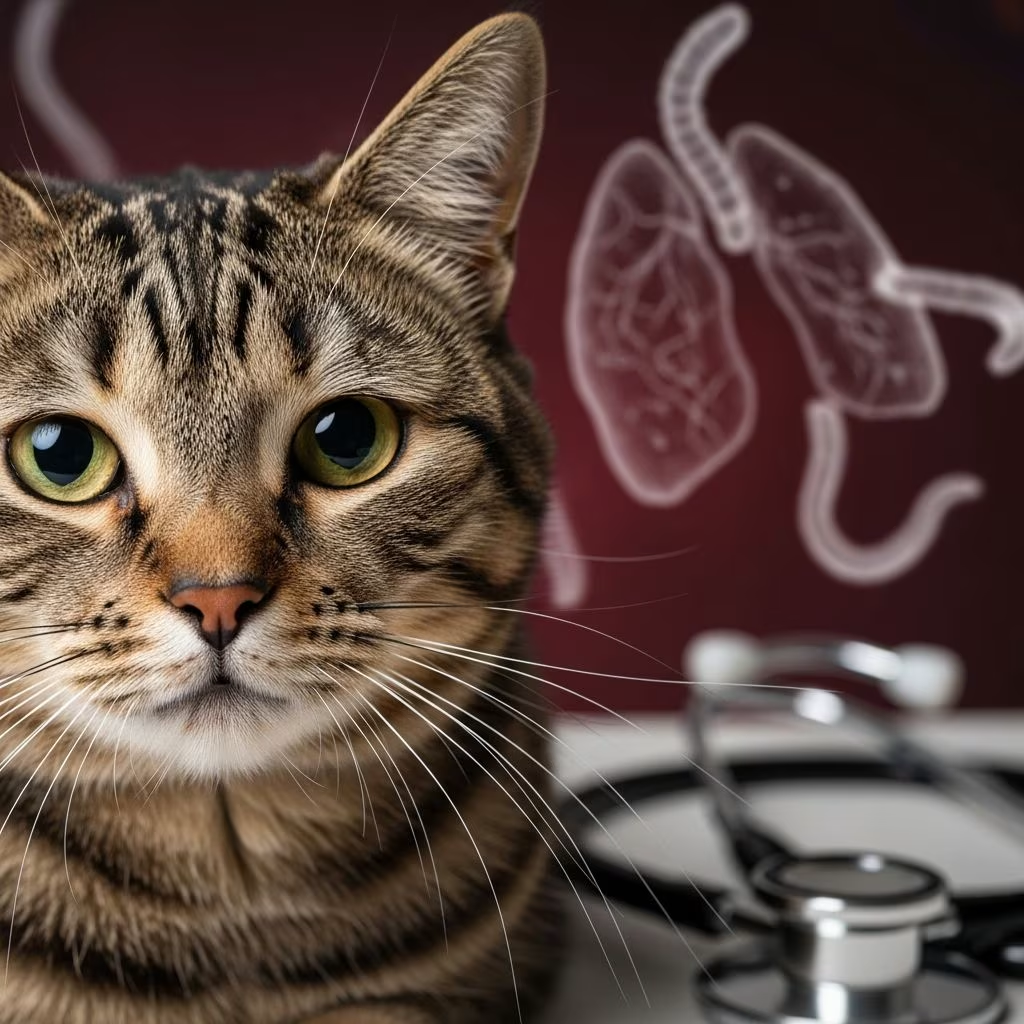
Understanding Lungworm Infections in Cats
Lungworm infections represent a significant parasitic concern for cat owners and veterinary professionals alike. These infections occur when cats become infested with parasitic worms that establish themselves in the respiratory tract, potentially causing a range of health complications. While some cats may harbor these parasites without showing obvious symptoms, others experience considerable respiratory distress and systemic illness. Understanding the nature of lungworm infections, their clinical manifestations, diagnostic approaches, and treatment options is essential for maintaining feline respiratory health and ensuring prompt intervention when infection occurs.
What Are Lungworm Infections?
Lungworms are parasitic nematodes that inhabit the lungs and respiratory passages of cats. Several species can affect felines, each with specific pathogenic characteristics and transmission patterns. These parasites typically establish chronic infections within the pulmonary tissue, where they trigger inflammatory responses that lead to the clinical signs observed in infected animals. The severity and manifestation of infection depend on multiple factors including the parasite species, the number of worms present, the cat’s immune status, and the specific site of infection within the respiratory tract.
The parasites cause disease primarily through the body’s inflammatory response to their presence rather than through direct tissue destruction. This means that treatment focuses not only on eliminating the parasites but also on managing the inflammation they trigger within the lungs and airways.
Clinical Signs of Lungworm Infection
The clinical presentation of lungworm infection varies considerably among infected cats, ranging from asymptomatic carriers to severely symptomatic animals. The manifestation of signs depends on the parasite burden, the cat’s immune system competency, and the location of infection within the respiratory tract.
Common Respiratory Symptoms
Cats with lungworm infections frequently display respiratory symptoms that may initially appear similar to other respiratory conditions. These include:
- Coughing, which may resemble retching or attempted vomiting
- Wheezing and abnormal breathing patterns
- Sneezing and nasal discharge
- Open-mouth breathing or panting
- Heavy or labored breathing
- Rapid breathing rates (tachypnea)
- Respiratory distress in severe cases
Systemic and Constitutional Signs
Beyond respiratory symptoms, infected cats may display general signs of illness including poor appetite or complete loss of appetite (anorexia), weight loss, fever, enlarged lymph nodes, lethargy and decreased energy levels, increased sleep, and eye or nasal discharge. These constitutional signs often reflect the body’s systemic response to infection and inflammation.
Special Considerations for Kittens
Kittens present a unique clinical picture when infected with lungworms. Due to their immature immune systems and smaller respiratory tract diameter, young cats typically develop more pronounced and severe clinical signs compared to adult cats. Vertical transmission, where kittens acquire infection from their mothers, can occur, leading to early onset disease that requires prompt intervention.
Asymptomatic Infections
A significant proportion of cats infected with lungworms show no visible symptoms. These asymptomatic infections may be discovered incidentally when veterinarians perform diagnostic testing for unrelated health concerns. This reality underscores the importance of regular veterinary examinations and diagnostic screening, particularly for cats with potential exposure risks.
Diagnosis of Lungworm Infections
Accurate diagnosis of lungworm infection requires a systematic approach combining clinical evaluation, diagnostic imaging, and parasitological examination. Veterinarians employ multiple diagnostic modalities to confirm the presence of infection and determine the appropriate treatment strategy.
Fecal examination represents one of the primary diagnostic tools, as infected cats shed larval stages of the parasites in their feces. Veterinarians perform fecal flotation or other concentration techniques to identify and visualize these larvae microscopically. However, some cats may not shed parasites consistently, potentially resulting in false-negative results.
Chest radiographs provide valuable information about the extent of pulmonary involvement. Radiographic findings may reveal bronchial patterns, alveolar infiltrates, or other evidence of respiratory compromise associated with the parasitic infection. In some cases, cats may present with more severe complications such as pleural effusion or pneumothorax.
Bronchoscopy and bronchoalveolar lavage represent more advanced diagnostic techniques that allow direct visualization of the respiratory tract and collection of fluid samples for analysis. These procedures can reveal the presence of adult worms or larvae within the airways.
Treatment of Lungworm Infections
The primary treatment goals for lungworm infection are twofold: eliminating the parasites from the respiratory tract and controlling the inflammation caused by their presence. Fortunately, effective antiparasitic medications are available, and treatment success rates are generally good.
Antiparasitic Medications
Several effective medications can kill lungworms, with selection depending on the specific parasite species and individual patient factors. The most commonly used antiparasitic drugs include:
- Ivermectin: An injectable or oral antiparasitic commonly used for lungworm treatment
- Fenbendazole (Panacur®): An oral medication effective against multiple parasite species
- Moxidectin + imidacloprid (Advantage Multi®): A topical spot-on treatment combining two active ingredients
- Selamectin (Revolution®): A topical parasiticide applied directly to the skin
- Emodepside + praziquantel (Profender®): A topical combination product effective against various parasites
Treatment Duration
The duration of antiparasitic treatment varies based on infection severity and individual circumstances. While some cats may clear infection with a single course of treatment, most require medication administration for several weeks to several months. Veterinarians establish specific treatment schedules based on the antiparasitic selected, the parasite species involved, and the cat’s response to therapy. Strict adherence to prescribed treatment protocols and completion of the full course is essential for successful parasitic elimination.
Supportive and Adjunctive Treatments
Beyond antiparasitic medications, veterinarians may prescribe additional treatments to manage inflammation and support respiratory function. For cats with moderate respiratory symptoms, anti-inflammatory medications such as corticosteroids may be recommended to reduce airway swelling. Bronchodilators can help improve breathing ease in symptomatic cats.
Immune system support supplements and omega fatty acid supplements may be beneficial in managing inflammation and supporting overall health during treatment. These adjunctive therapies can enhance the cat’s recovery and improve clinical outcomes.
Severe Cases and Hospitalization
In rare instances where cats develop severe respiratory distress or respiratory failure, hospitalization becomes necessary. These critically ill patients require intensive supportive care including oxygen therapy, intravenous fluid support, and continuous monitoring. Severely affected cats may require broad-spectrum antibiotics if secondary bacterial infections develop, along with corticosteroids and other medications to manage respiratory compromise.
Treatment Success and Recovery
The prognosis for cats with lungworm infection is generally favorable, particularly when treatment is initiated promptly. Cats with mild infections typically show complete recovery within a few weeks of initiating appropriate antiparasitic therapy. Most cats infected with lungworms can be cured with prescription antiparasitic treatment, and some infections may even resolve spontaneously without intervention.
However, the success rate depends significantly on infection severity, the number of parasites present, and the extent of respiratory damage. Very young kittens, immunocompromised cats, and cats with lowered immune systems may have more guarded prognoses. While deaths from lungworm infection are relatively uncommon, they can occur, particularly in severely affected animals or those with complications.
Following the prescribed treatment course completely is critical for successful outcomes. Veterinary follow-up visits and repeat diagnostic testing ensure that treatment is effective and that parasites have been completely eliminated.
Frequently Asked Questions About Lungworm Infections in Cats
Q: Can lungworm infections in cats be prevented?
A: Prevention involves minimizing exposure to intermediate hosts (snails and slugs) and maintaining appropriate antiparasitic protocols. Keeping cats indoors reduces exposure risk significantly. Some preventative antiparasitic medications administered regularly may help prevent infection in cats with outdoor access.
Q: How long does lungworm treatment typically last?
A: Most cats require antiparasitic medication for several weeks to two months, depending on the specific medication used and infection severity. Your veterinarian will establish an appropriate treatment schedule for your cat’s individual circumstances.
Q: Are lungworm infections contagious between cats?
A: Lungworm infections are not directly contagious between cats. Transmission typically occurs through exposure to infected intermediate hosts (snails and slugs) in the environment.
Q: What should I do if I suspect my cat has lungworms?
A: Contact your veterinarian promptly if you notice respiratory symptoms in your cat. Early diagnosis and treatment significantly improve outcomes and reduce the risk of complications.
Q: Can indoor cats get lungworms?
A: While less common in strictly indoor cats, infection can still occur if intermediate hosts (snails or slugs) enter the home through gardens, potted plants, or other means. Outdoor or indoor-outdoor cats face significantly higher infection risk.
Q: Will my cat need follow-up testing after treatment?
A: Yes, follow-up veterinary visits and diagnostic testing are important to confirm that treatment has been successful and that parasites have been completely eliminated from your cat’s respiratory tract.
References
- Lungworm Infections in Cats — VCA Animal Hospitals. Accessed 2025. https://vcahospitals.com/know-your-pet/lungworm-infections-in-cats
- Diagnosis and Management of Lungworm Infections in Cats — National Center for Biotechnology Information (NCBI/PMC). 2024. https://pmc.ncbi.nlm.nih.gov/articles/PMC11148874/
- Lungworm Infection in Cats — Merck Veterinary Manual. 2024. https://www.merckvetmanual.com/cat-owners/lung-and-airway-disorders-of-cats/lungworm-infection-in-cats
- Guideline for Lungworm Disease — ABCD (Advisory Board on Cat Diseases). 2024. https://www.abcdcatsvets.org/guideline-for-lungworm-disease/
- Lungworms in Cats: What Are They, and How Do You Treat Them? — PetMD. 2024. https://www.petmd.com/cat/conditions/infectious-parasitic/lungworms-cats



