

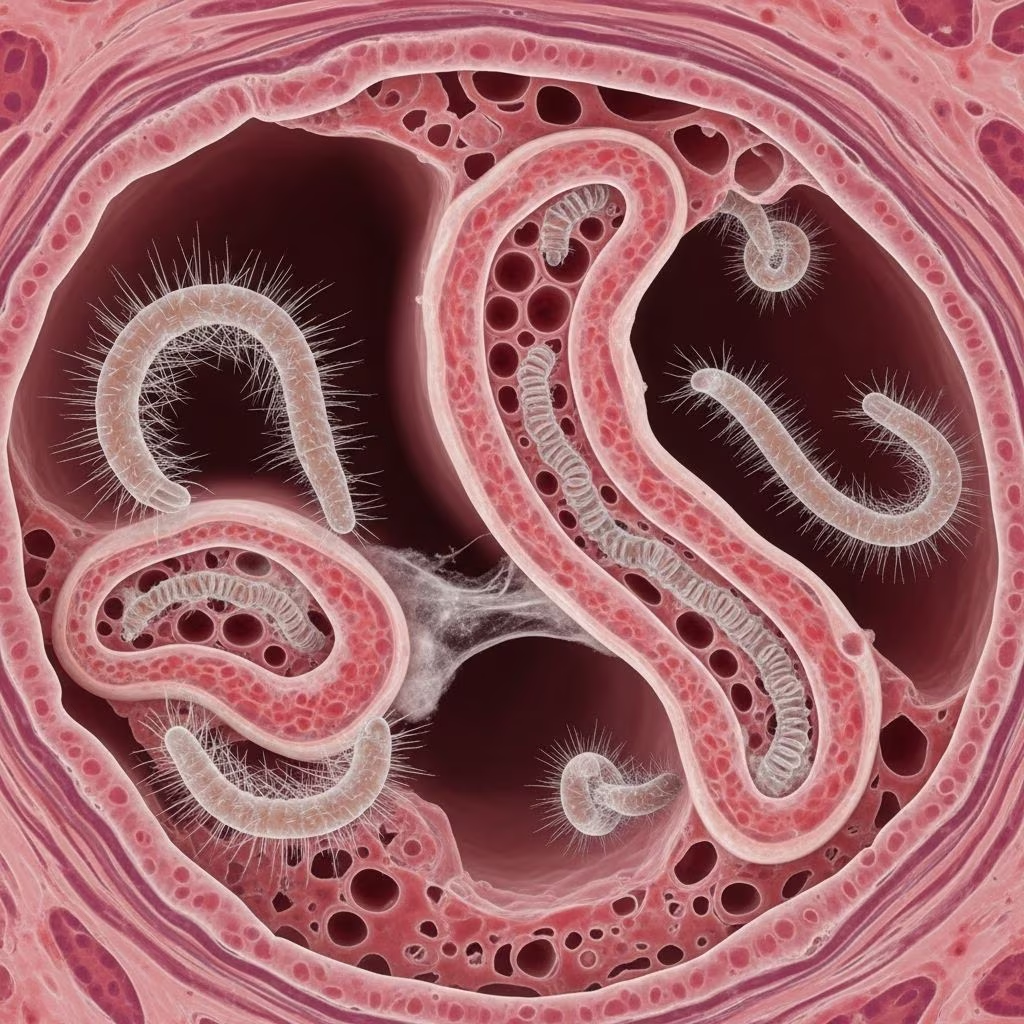
Lungworms are parasitic nematodes that target the respiratory systems of various animals, leading to a spectrum of health issues from mild irritation to life-threatening conditions. These parasites thrive in the lungs, bronchi, and associated tissues, disrupting normal breathing and overall vitality. Common in livestock like cattle and sheep, as well as companion animals such as dogs and cats, lungworm infections demand prompt recognition and intervention to prevent widespread herd or flock impacts.
The Nature and Diversity of Lungworms
Lungworms belong to several genera, each adapted to specific host species. In ruminants, Dictyocaulus viviparus stands out as a primary culprit, causing ‘husk’ or ‘hoose’—a condition marked by parasitic bronchitis. Dogs face threats from Angiostrongylus vasorum, which resides in pulmonary arteries and can trigger severe cardiorespiratory complications, while Eucoleus aerophilus affects the bronchi and nasal passages. Cats may encounter Aelurostrongylus abstrusus, leading to bronchopneumonia. Horses and other species are susceptible too, though less commonly documented.
These parasites vary in size and morphology but share a propensity for larval migration through the host’s airways and bloodstream, culminating in adult worms producing eggs or larvae that perpetuate the cycle. Understanding this diversity is crucial for targeted management.
Life Cycles: How Lungworms Spread
The transmission of lungworms hinges on intricate life cycles involving direct environmental contamination or intermediate hosts. For bovine lungworm, eggs laid in the lungs hatch into first-stage larvae (L1) that are coughed up, swallowed, and passed in feces. These develop into infective third-stage larvae (L3) on pasture, ingested by grazing animals.
In dogs, A. vasorum relies on gastropods like slugs and snails as intermediate hosts. Dogs ingest L3 larvae by eating infected snails, frogs, or contaminated vegetation. Larvae penetrate the gut, migrate via blood to the lungs, and mature in 40-50 days. E. aerophilus features a direct cycle with larvated eggs shed in feces, hatching in the environment for re-ingestion.
Cats acquire A. abstrusus via paratenic hosts like birds or transport hosts such as snails. Puppies often get Oslerus osleri through maternal saliva during grooming. These cycles underscore the role of pastures, wildlife, and hygiene in perpetuating infections.
- Ruminants: Direct fecal-patency cycle on pasture.
- Dogs: Intermediate hosts (slugs, frogs) or direct egg ingestion.
- Cats: Paratenic hosts like rodents or birds.
- Horses: Inhalation or ingestion of larvae from contaminated feed.
Pathophysiology: Damage from Within
Once established, lungworms inflict damage through mechanical obstruction, inflammation, and immune responses. Developing larvae provoke eosinophilic infiltrates in bronchioles, blocking airways and causing alveolar collapse. In heavy infections, this leads to interstitial emphysema, pulmonary edema, and rapid death, especially pre-patent phase.
Post-patent, adult worms and eggs trigger proliferative alveolitis, with type II cell hyperplasia exacerbating fibrosis. In dogs, A. vasorum induces pulmonary hypertension, coagulopathies, and bleeding disorders due to vascular migration. Neurological signs arise from aberrant larval migrations. Overall, the host’s immune status and larval burden dictate severity.
Recognizing the Signs: Clinical Manifestations
Symptoms vary by species and infection intensity but center on respiratory distress. In cattle, initial tachypnea and exercise-induced coughing progress to open-mouth breathing, anorexia, and emaciation. Milk yield drops, and weight gain stalls.
| Species | Common Signs | Severity Indicators |
|---|---|---|
| Cattle/Sheep | Coughing, rapid breathing, weight loss | Respiratory failure, emphysema |
| Dogs | Dyspnea, coughing, coagulopathies | Pulmonary hypertension, hemorrhage |
| Cats | Sneezing, nasal discharge, dyspnea | Bronchopneumonia, pleural effusion |
| Horses | Chronic cough, poor performance | Secondary bacterial infections |
Subclinical cases abound, particularly in adults with prior exposure, yet they contribute to pasture contamination. In dogs, signs mimic heartworm or kennel cough, complicating differentiation.
Diagnostic Approaches: Confirming Infection
Diagnosis integrates history, clinical exams, and lab tests. Fecal Baermann technique detects L1 larvae, gold standard for ruminants and some dogs. For A. vasorum, antigen ELISAs offer sensitivity, though antibody tests may persist post-infection.
Imaging like radiographs reveals lung patterns—consolidation, emphysema—while bronchoscopy yields tracheal washes for larvae. Bloodwork shows eosinophilia, thrombocytopenia in canine cases.[10] Molecular PCR confirms species in challenging scenarios.
- Collect fresh feces for Baermann or flotation.
- Perform serology for circulating antigens.
- Use endoscopy for direct visualization.
- Correlate with regional prevalence.
Treatment Strategies: Eradicating the Parasites
Anthelmintics form the cornerstone, selected by species and location. Macrocyclic lactones (ivermectin, moxidectin, eprinomectin) excel against D. viviparus, offering persistent protection. Dogs respond to fenbendazole (10 days), milbemycin oxime, or advocate monthly preventives.
Supportive care includes oxygen, bronchodilators, and antibiotics for secondary infections. Monitor coagulopathies in angiostrongylosis with transfusions if needed. Efficacy hinges on early intervention; untreated cases carry high mortality.
Prevention and Control Measures
Proactive strategies curb outbreaks. Vaccines for bovine lungworm (irradiated L3 larvae) prevent clinical disease in Europe, administered pre-grazing. Strategic deworming—pulse treatments at peak transmission—reduces pasture larvae.
For dogs, monthly macrocyclic lactone preventives deter A. vasorum. Discourage slug/snail hunting; prompt feces removal limits environmental load. Pasture management—mixed grazing, hay feeding—lowers risk in ruminants. Quarantine new animals and monitor high-risk areas.
Species-Specific Insights
Ruminants: Managing Herd Health
First-season grazers suffer most; prophylactic anthelmintics build immunity without over-suppression. Monitor for ‘periparturient rise’ in adults.
Canines: Emerging Threats
A. vasorum expands geographically; test symptomatic dogs in endemic zones. Puppies via dams highlight maternal screening.
Felines: Subtle but Serious
Often overlooked; PCR on feces aids detection. Indoor lifestyles reduce exposure.
FAQs on Lungworm Infections
Q: Can lungworms spread to humans?
A: No, these are host-specific and pose no zoonotic risk.
Q: How long until symptoms appear?
A: Pre-patent periods range 3-8 weeks, varying by species.
Q: Is vaccination available for dogs?
A: Not routinely; preventives are preferred.
Q: What if my pet eats a slug?
A: Monitor for signs; consult vet for preventives in high-risk areas.
Q: Can infections be chronic?
A: Yes, subclinical patent infections contaminate environments.
Future Directions in Lungworm Research
Ongoing studies map expanding ranges due to climate change and pet travel. Novel diagnostics like point-of-care PCR and multi-valent vaccines promise better control. Integrated pest management, blending chemo- and immunoprophylaxis, optimizes outcomes.
Routine screening in endemic areas, owner education, and veterinary vigilance remain pivotal. By demystifying lungworms, we empower proactive care for thriving animal populations.
References
- Lungworm in dogs: signs, latest insight and treatment protocols — Vet Times. 2023-approx. https://www.vettimes.com/news/vets/small-animal-vets/lungworm-in-dogs-signs-latest-insight-and-treatment-protocols
- Lungworm Infection in Animals – Respiratory System — Merck Veterinary Manual. 2023-approx. https://www.merckvetmanual.com/respiratory-system/lungworm-infection/lungworm-infection-in-animals
- Lungworm Infection in Dogs – Dog Owners — Merck Veterinary Manual. 2023-approx. https://www.merckvetmanual.com/dog-owners/lung-and-airway-disorders-of-dogs/lungworm-infection-in-dogs
- Lungworm Infections in Dogs — VCA Animal Hospitals. 2023-approx. https://vcahospitals.com/know-your-pet/lungworm-infections-in-dogs
- Lungworm Infection in Dogs – Dog Owners — MSD Veterinary Manual. 2023-approx. https://www.msdvetmanual.com/dog-owners/lung-and-airway-disorders-of-dogs/lungworm-infection-in-dogs



