

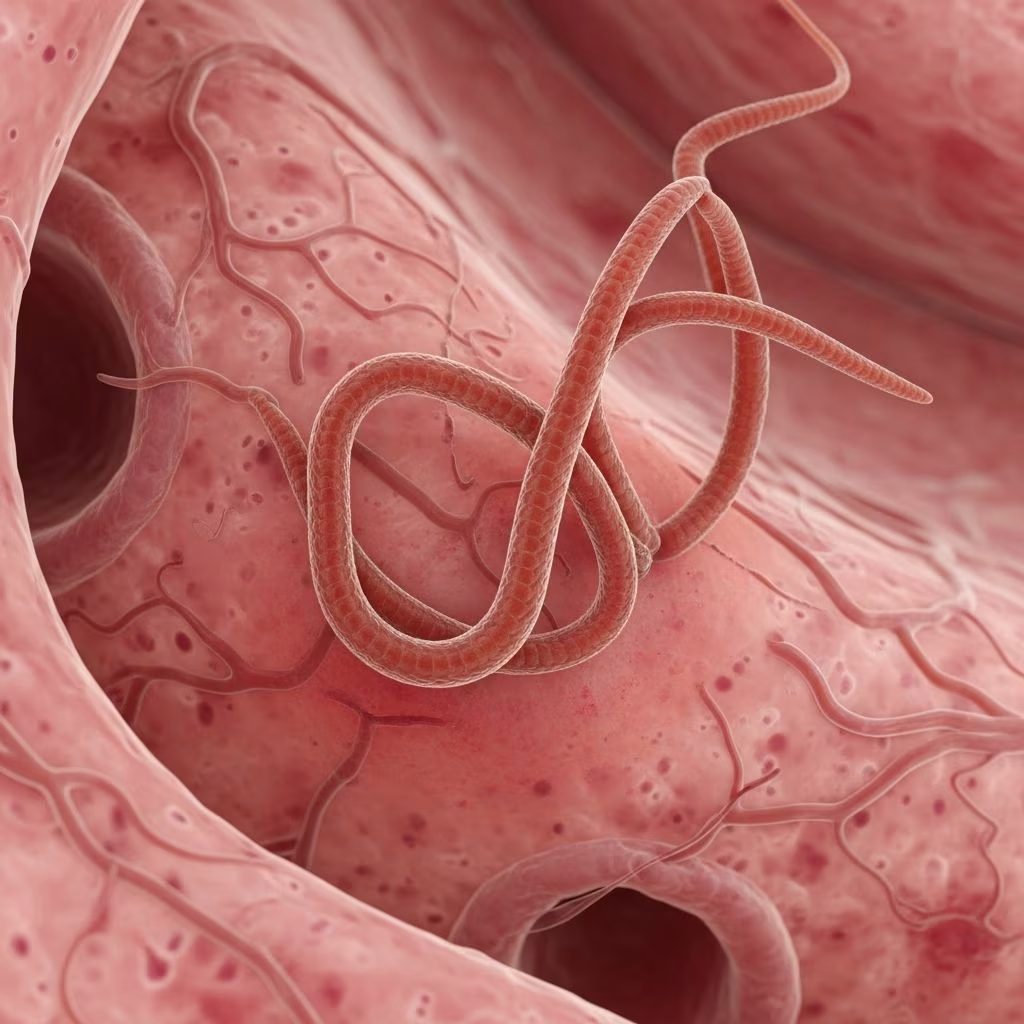
Canine lungworm infections, primarily caused by parasites like Angiostrongylus vasorum, have become increasingly common in dogs worldwide, posing risks to their lungs, heart, and even coagulation systems. These nematodes reside in the lungs or blood vessels, leading to inflammation and potentially life-threatening complications if untreated. Early detection and intervention are crucial for recovery, as symptoms can mimic other respiratory conditions.
Understanding the Biology of Lungworms
Lungworms are parasitic roundworms that target a dog’s respiratory tract. The most prevalent species in dogs is A. vasorum, known as the French heartworm, which lives in the pulmonary arteries and right ventricle of the heart. Adult worms produce larvae that migrate through the lungs, causing tissue damage and immune responses. Dogs ingest infective larvae from intermediate hosts such as slugs, snails, frogs, or contaminated grass and water. Once ingested, larvae penetrate the intestinal wall, enter the bloodstream, and reach the lungs within weeks, maturing into egg-laying adults around 40 days post-infection.
Other less common lungworms include Crenosoma vulpis (fox lungworm), which inhabits the bronchi and trachea, and Oslerus osleri, causing nodular lesions in the trachea. These parasites trigger chronic coughing and nasal issues through larval migration and host inflammatory reactions. Recent emergence in regions like the UK highlights environmental factors and wildlife reservoirs aiding spread.
Recognizing the Signs of Infection
Symptoms vary by worm species, infection stage, and worm burden but often center on the respiratory system. Common indicators include:
- Persistent dry cough: Often non-productive, worsening with exercise or excitement.
- Breathing difficulties: Rapid or labored respiration, wheezing, or dyspnea.
- Exercise intolerance: Dogs tire quickly, showing lethargy or reluctance to play.
- Coagulation issues: Bleeding gums, nosebleeds, blood in urine, bruising, or mucus.
Advanced cases of A. vasorum may present neurological signs like seizures, blindness, or collapse due to larval migration to the brain or coagulopathies leading to hemorrhages. Weight loss, vomiting, diarrhea, and appetite loss can also occur. Some infections remain subclinical, discovered incidentally during routine checks. Severity escalates with heavy infestations, potentially causing pulmonary hypertension or heart failure.
Risk Factors and Transmission Pathways
Dogs in rural, wooded, or snail-prone areas face higher risks. Puppies, young adults, and hunting breeds like spaniels are overrepresented due to foraging behaviors. Intermediate hosts thrive in damp environments, making autumn and spring peak seasons. Direct dog-to-dog transmission doesn’t occur; it’s environmental via infected hosts or feces-contaminated water. Global spread, noted in Europe and North America, correlates with fox populations as definitive hosts shedding larvae in feces.
| Species | Location in Dog | Intermediate Host | Key Symptoms |
|---|---|---|---|
| Angiostrongylus vasorum | Pulmonary arteries/heart | Slugs, snails, frogs | Cough, bleeding disorders, seizures |
| Crenosoma vulpis | Bronchi/trachea | Snails, slugs | Coughing, sneezing, nasal discharge |
| Oslerus osleri | Tracheal nodules | None (direct) | Chronic cough, exercise intolerance |
Diagnostic Approaches for Accurate Identification
Veterinarians rely on clinical history, symptoms, and targeted tests. Fecal Baermann technique detects A. vasorum larvae with high sensitivity, though intermittent shedding may require repeat samples. Blood tests reveal eosinophilia or antigen/PCR assays for confirmation. Imaging like chest X-rays shows lung patterns, infiltrates, or heart enlargement indicative of pulmonary hypertension. Advanced diagnostics include airway washes (transtracheal or bronchoalveolar lavage) under anesthesia to retrieve larvae from airways. Coagulation panels assess bleeding risks, guiding supportive care.
Differential diagnoses include heartworm disease, pneumonia, allergies, or kennel cough. Combining fecal flotation, serology, and imaging yields definitive results, especially challenging in early or light infections.
Effective Treatment Strategies
Treatment targets parasite elimination, symptom control, and complication management. Antiparasitic drugs are selected based on worm type:
- Imidacloprid/moxidectin: Single or two-dose topical; 85-100% efficacy against adults and larvae.
- Milbemycin oxime: Monthly oral, 94.9% preventive efficacy; multiple weekly doses for treatment.
- Fenbendazole: 20-day oral course, comparable to spot-ons.
- Others like ivermectin or milbemycin combinations for specific cases.
Post-treatment, dying worms provoke inflammation, so corticosteroids reduce lung damage. Severe respiratory distress warrants oxygen therapy, bronchodilators, or hospitalization. Coagulopathic dogs receive plasma or blood transfusions. Monitoring via repeat Baermann tests ensures clearance, with full recovery typical if addressed promptly. Prognosis is good for mild cases but guarded in advanced heart/lung involvement.
Prevention: Proactive Steps for Protection
Monthly preventives covering lungworm (e.g., Advocate, NexGard Spectra) block larval development, outperforming broad-spectrum dewormers. Avoid raw prey, discourage frog/slug hunting, and clear garden debris nightly to minimize exposure. Regular vet check-ups, year-round parasite control, and awareness in endemic areas form a robust defense. Unlike heartworm, no widespread testing programs exist, emphasizing prevention.
FAQs on Lungworm in Dogs
Can lungworm be fatal in dogs?
Yes, untreated severe infections can lead to respiratory failure, hemorrhages, or neurological crises, though most recover with timely treatment.
How long does treatment take?
Deworming spans 1-4 weeks, with follow-up tests; supportive care varies by severity.
Is lungworm contagious to other dogs or humans?
No direct transmission; humans are not typical hosts, but hygiene prevents environmental spread.
What breeds are most at risk?
Hunting breeds like spaniels and those in rural areas, but any dog can be affected.
Can I treat lungworm at home?
No, veterinary diagnosis and prescription drugs are essential; self-treatment risks complications.
Long-Term Outlook and Monitoring
Post-recovery, dogs benefit from lung function checks and ongoing preventives to avert reinfection. Owners should watch for relapse signs like recurring coughs. Research into pathogenesis informs targeted therapies, reducing fibrosis and relapse risks. By integrating prevention into routines, the rising prevalence of lungworm need not threaten canine companions.
This comprehensive approach empowers owners to safeguard their pets against this insidious parasite, ensuring active, healthy lives.
References
- Lungworm in dogs: signs, latest insight and treatment protocols — Vet Times. 2023-10-01. https://www.vettimes.com/news/vets/small-animal-vets/lungworm-in-dogs-signs-latest-insight-and-treatment-protocols
- Lungworms in Dogs: Symptoms, Causes, Treatment, and FAQs — PetMD. 2024-05-15. https://www.petmd.com/dog/conditions/respiratory/c_dg_lungworms
- Lungworm Infections in Dogs — VCA Animal Hospitals. 2023-11-20. https://vcahospitals.com/know-your-pet/lungworm-infections-in-dogs
- Lungworm Infection in Dogs — MSD Veterinary Manual. 2025-01-10. https://www.msdvetmanual.com/dog-owners/lung-and-airway-disorders-of-dogs/lungworm-infection-in-dogs
- Lungworm in Dogs | Symptoms and Prevention — Blue Cross. 2024-02-28. https://www.bluecross.org.uk/advice/dog/health-and-injuries/lungworm-in-dogs



