

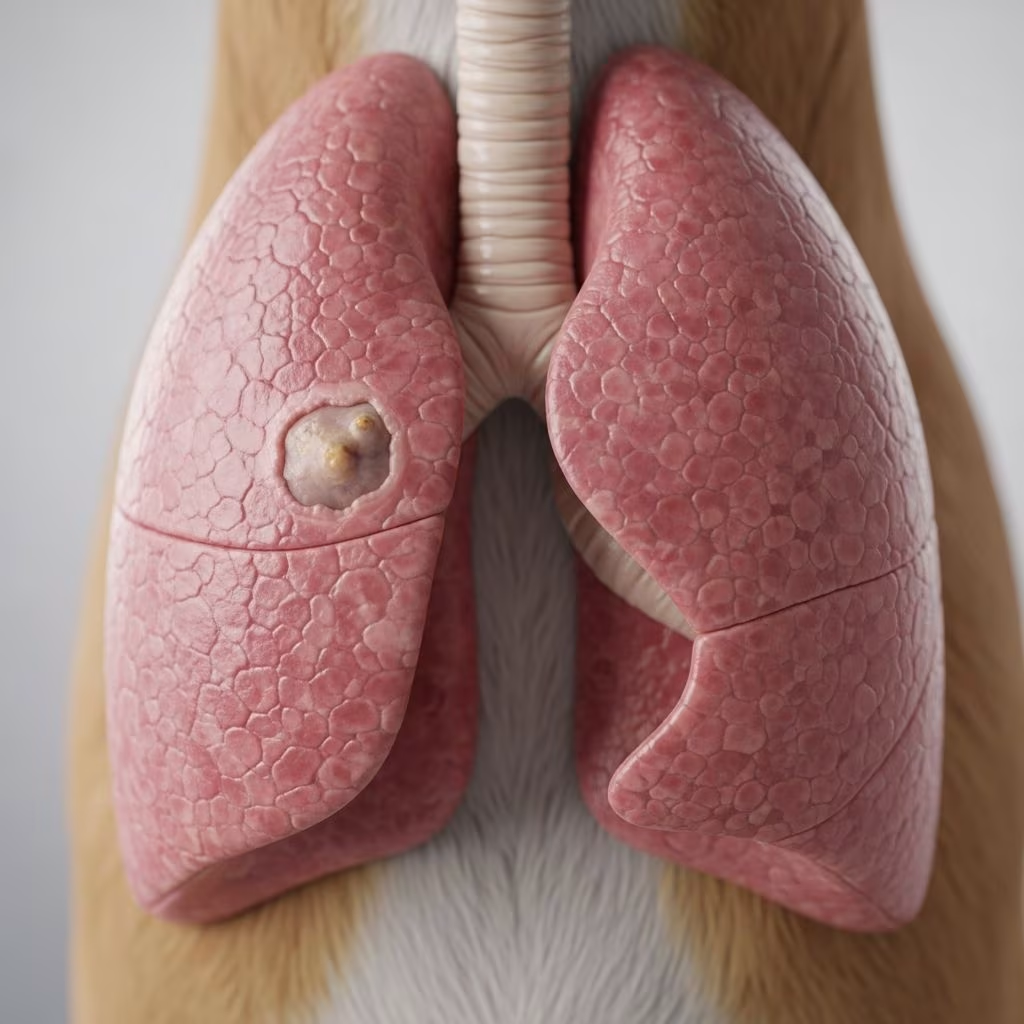
Understanding Lung Tumors in Dogs
Lung tumors represent a significant health concern for canine companions, particularly as dogs age. These malignant growths originate in the lung tissue and can substantially impact your pet’s quality of life and longevity. Understanding the nature of lung tumors, their presentation, and available treatment options is crucial for pet owners seeking to provide the best possible care for their dogs.
Primary lung tumors in dogs occur when cancer cells develop directly within the lung tissue itself. Unlike secondary lung cancer, which results from metastasis of tumors originating elsewhere in the body, primary lung tumors are those that begin in the lungs. The prevalence of primary lung tumors in dogs ranges from relatively uncommon to moderately common depending on age and other risk factors, with older dogs being at significantly higher risk.
Types of Lung Tumors
Veterinary pathologists recognize several histological types of lung tumors in dogs, each with distinct characteristics and treatment implications. The most commonly diagnosed types include adenocarcinoma, squamous cell carcinoma, and small cell carcinoma. Adenocarcinoma represents the majority of primary lung tumors in dogs and typically arises from the glandular epithelial cells lining the airways.
Bronchoalveolar carcinoma, a subtype of adenocarcinoma, originates from cells in the alveoli and can present in either solitary or diffuse patterns. Squamous cell carcinomas develop from the stratified squamous epithelium of the airways and tend to be more aggressive. Large cell carcinomas and undifferentiated carcinomas also occur but with less frequency. The histological type influences treatment selection and prognostic expectations.
Clinical Signs and Symptoms
Dogs with developing lung tumors often display subtle early signs that pet owners may overlook. The most common symptom is a persistent dry cough that may last for weeks or months without improvement. This cough typically worsens with excitement or physical activity and may occasionally produce blood-tinged sputum.
As disease progresses, additional clinical signs may manifest:
- Dyspnea (difficulty breathing) or labored breathing, particularly during exercise
- Lethargy and decreased exercise tolerance
- Loss of appetite and weight loss
- Weakness and fatigue
- Pale or bluish mucous membranes due to poor oxygenation
- Wheezing or abnormal lung sounds
- Reluctance to engage in normal activities
In advanced cases, dogs may develop respiratory distress and show signs of systemic illness. Some dogs remain asymptomatic until tumors reach substantial sizes, making early detection challenging without diagnostic imaging.
Diagnostic Procedures
Accurate diagnosis of lung tumors requires a systematic diagnostic approach combining clinical examination, imaging studies, and tissue sampling when possible.
Physical Examination
The veterinary examination begins with careful auscultation of the lungs and heart. Abnormal lung sounds, cardiac arrhythmias, or evidence of systemic disease may be detected. Your veterinarian will assess your dog’s overall condition and identify other health concerns that may impact treatment decisions.
Thoracic Radiography
Chest X-rays represent the primary imaging modality for evaluating suspected lung tumors. Radiographs can reveal masses within the lung fields, assess their location and size, and identify evidence of metastasis to regional lymph nodes or pleural effusion (fluid around the lungs). Multiple radiographic views provide comprehensive visualization of all lung lobes.
Advanced Imaging
Computed tomography (CT) scans offer superior detail compared to radiographs and provide three-dimensional imaging of lung masses. CT imaging helps determine tumor size, exact anatomical location, and relationship to vital structures, which is essential for surgical planning. CT scans are particularly valuable for assessing whether tumors are resectable and for detecting metastatic disease.
Tissue Diagnosis
Definitive diagnosis requires identification of cancer cells through histopathology or cytopathology. Fine needle aspiration (FNA) using ultrasound or CT guidance can obtain cell samples for analysis. Bronchoscopy with bronchoalveolar lavage (BAL) may be performed to collect samples from airways and lower respiratory tract. Percutaneous needle biopsy or core needle biopsy can provide tissue samples when other methods are non-diagnostic.
Staging Evaluation
Complete staging includes thoracic imaging to assess metastatic disease within the chest, abdominal ultrasound to evaluate abdominal organs, and potentially lymph node sampling to determine if cancer has spread regionally. This comprehensive staging guides treatment planning and establishes baseline disease status.
Treatment Options
Treatment selection for lung tumors depends on tumor type, stage, size, patient age, overall health status, and owner preferences. Several modalities are available, often used in combination for optimal outcomes.
Surgical Resection
Surgery remains the gold standard for primary lung tumors when feasible. Complete surgical removal of the affected lung lobe offers the best prognosis, particularly for solitary tumors without evidence of metastasis. The procedure, called pulmonary lobectomy, involves removal of part or all of the affected lobe through a thoracotomy incision. Most dogs recover remarkably well from this procedure, with many returning home within 24-48 hours post-operatively. Median survival times following successful surgical resection range from 8-12 months for dogs with single tumors, with some dogs surviving considerably longer.
Minimally invasive thoracoscopic techniques are increasingly available at specialized facilities, offering reduced surgical trauma and faster recovery compared to traditional thoracotomy approaches. However, surgical intervention is not appropriate for dogs with advanced inoperable disease, widespread metastasis, or severe comorbidities.
Chemotherapy
Chemotherapy drugs work by targeting rapidly dividing cancer cells and are particularly valuable for advanced, inoperable disease. Vinorelbine, a semi-synthetic vinca alkaloid chemotherapy agent, has demonstrated particular promise for advanced primary lung cancer in dogs. This medication reaches 300-fold higher concentrations in lung tissue compared to plasma, allowing for effective local drug delivery. Studies show vinorelbine produces partial response in approximately 80% of dogs with advanced lung carcinoma when used as first-line treatment, with median survival times of 100 days and median time to progression of 88 days.
Other chemotherapy agents used for canine lung cancer include carboplatin, doxorubicin, and combination protocols. However, chemotherapy alone without surgical resection does not significantly reduce tumor size in most cases and should typically be combined with other modalities when possible.
Radiation Therapy
Stereotactic radiation therapy (SRT), also known as stereotactic body radiation therapy (SBRT) or Cyberknife treatment, represents one of the newest alternatives to traditional surgery. This advanced technique delivers focused high-dose radiation directly to tumors while minimizing exposure to surrounding healthy lung tissue. SRT is particularly valuable for dogs who are poor surgical candidates due to age, comorbidities, or owner preference for less invasive treatment. Conventional external beam radiation therapy can also be considered when specialized stereotactic equipment is unavailable.
Targeted Therapy
Targeted therapies represent an emerging treatment category for canine lung cancer. Tyrosine kinase inhibitors (TKIs) such as toceranib phosphate (Palladia), the first FDA-approved targeted therapy for dogs, and masitinib (Masivet) block specific enzymes required for cancer cell growth and division. These oral medications can be administered at home, providing convenience compared to intravenous chemotherapy. Research has identified common mutations in the ERBB2 gene (HER2) in canine pulmonary carcinoma, leading to exploration of HER2 inhibitors like lapatinib as potential treatment options.
Supportive and Palliative Care
Regardless of treatment approach, supportive care medications enhance quality of life and manage treatment side effects. Corticosteroids such as prednisone or dexamethasone reduce inflammation and may improve breathing comfort. Pain management medications address discomfort from tumors or treatment-related effects. Anti-nausea medications, appetite stimulants, and nutritional support help maintain body condition. Oxygen supplementation may be necessary for dogs with significant respiratory compromise.
Prognosis and Survival Rates
Prognosis for canine lung tumors varies considerably based on disease characteristics and treatment approach. Dogs with single, resectable tumors treated surgically generally have the most favorable outcomes, with average survival times of 8-12 months following lobectomy. Some dogs survive substantially longer with appropriate follow-up care.
Dogs with advanced, inoperable disease have more guarded prognoses. Without treatment, median survival is typically 2-3 months. With palliative chemotherapy or radiation therapy, survival may be extended, though complete cure remains rare. The presence of metastatic disease significantly worsens prognosis, reducing median survival to approximately 2 months.
Individual factors affecting prognosis include tumor grade and histological type, tumor size, extent of disease, patient age and overall health status, and response to initial therapy. Some dogs demonstrate exceptional responses to treatment and survive well beyond expected timelines, while others progress despite aggressive therapy.
Managing Side Effects of Treatment
Cancer treatments can produce side effects that require careful monitoring and management. Chemotherapy commonly causes myelosuppression manifested as neutropenia (low white blood cell counts), along with gastrointestinal disturbances including nausea, vomiting, diarrhea, and constipation. Radiation therapy may cause inflammation in treated tissues. Targeted therapies can produce various side effects depending on the specific medication.
Veterinary oncologists work with pet owners to manage these side effects through prophylactic medications, dietary modifications, and dose adjustments when necessary. Most side effects are manageable and reversible upon treatment discontinuation.
Quality of Life Considerations
When facing a lung tumor diagnosis, quality of life should remain paramount in treatment decisions. Pet owners should honestly discuss their dog’s condition, prognosis, and treatment goals with their veterinary oncologist. Some owners prioritize extending survival time regardless of treatment intensity, while others prefer gentler palliative approaches that maintain comfort and normal activities. Both approaches have validity depending on individual circumstances and values.
Monitoring your dog during and after treatment helps assess whether chosen interventions are maintaining acceptable quality of life. Successful treatment should allow your dog to eat, play, interact with family, and experience comfort and happiness.
Frequently Asked Questions About Canine Lung Tumors
Q: Can lung tumors in dogs be prevented?
A: While no prevention strategy eliminates cancer risk entirely, minimizing exposure to secondhand smoke, maintaining healthy body weight, providing a balanced diet, and ensuring regular veterinary care may reduce risk. However, many dogs develop lung tumors despite preventive efforts, as age and genetic factors contribute significantly to cancer development.
Q: What is the typical age when dogs develop lung tumors?
A: Lung tumors most commonly affect older dogs, typically those over 10 years of age. However, younger dogs can occasionally develop lung cancer. The risk increases substantially with advancing age.
Q: Are certain dog breeds predisposed to lung tumors?
A: While breed predisposition is not firmly established for lung tumors, some research suggests potential associations. Larger dog breeds may have slightly higher incidence rates. Genetic factors likely play a role in individual susceptibility.
Q: How long will my dog survive after diagnosis?
A: Survival time varies widely based on disease stage, tumor type, treatment approach, and individual factors. Dogs with early-stage, surgically resectable tumors may survive 8-12 months or longer. Advanced inoperable disease carries shorter median survival times of 2-3 months without treatment, potentially extended with palliative therapy.
Q: Is surgery always recommended for lung tumors?
A: Surgery is the recommended first-line treatment for dogs with single, resectable lung tumors and no evidence of metastatic disease. However, surgery may not be appropriate for very elderly dogs, those with severe comorbidities, or cases with advanced metastatic disease. Your veterinarian will help determine if surgery is feasible.
Q: What happens if my dog is not a surgical candidate?
A: Non-surgical options include chemotherapy, radiation therapy (particularly stereotactic radiation), targeted therapy, or palliative care. These approaches may extend survival and maintain quality of life, though outcomes typically differ from surgical treatment.
Q: Will my dog need ongoing monitoring after treatment?
A: Yes, post-treatment monitoring is essential. Regular chest X-rays, physical examinations, and blood work help detect recurrence or metastatic progression early. Your veterinary oncologist will recommend appropriate monitoring intervals based on your dog’s specific situation.
References
- Vinorelbine as First-Line Treatment in Stage IV Canine Primary Lung Carcinoma — National Center for Biotechnology Information (NCBI). 2024. https://pmc.ncbi.nlm.nih.gov/articles/PMC10747721/
- Lung Cancer in Dogs: Understanding Treatment Options — FidoCure. 2024. https://fidocure.com/fidocure-blog/what-to-know-about-pulmonary-adenocarcinoma-2/
- Radiation Oncology: Lung Cancer in Dogs and Cats — NC State University College of Veterinary Medicine. https://hospital.cvm.ncsu.edu/services/small-animals/cancer-oncology/radiation-oncology/lung-cancer-in-dogs-and-cats/
- Lung Lobe Tumors — American College of Veterinary Surgeons (ACVS). https://www.acvs.org/small-animal/lung-lobe-tumors/
- Lung Cancer In Dogs — PetMD. https://www.petmd.com/dog/conditions/cancer/lung-cancer-dogs
- Types, Treatments & Symptoms of Lung Cancer in Dogs — Northeast Veterinary Services. 2020. https://www.northeast-vet.com/site/pet-care-blog-plains-vet/2020/10/15/lung-cancer-in-dogs-symptoms-and-treatments
- Understanding Dog Lung Tumors: Symptoms, Diagnosis, and Treatments — ImpriMed. https://www.imprimedicine.com/blog/dog-lung-tumors



