

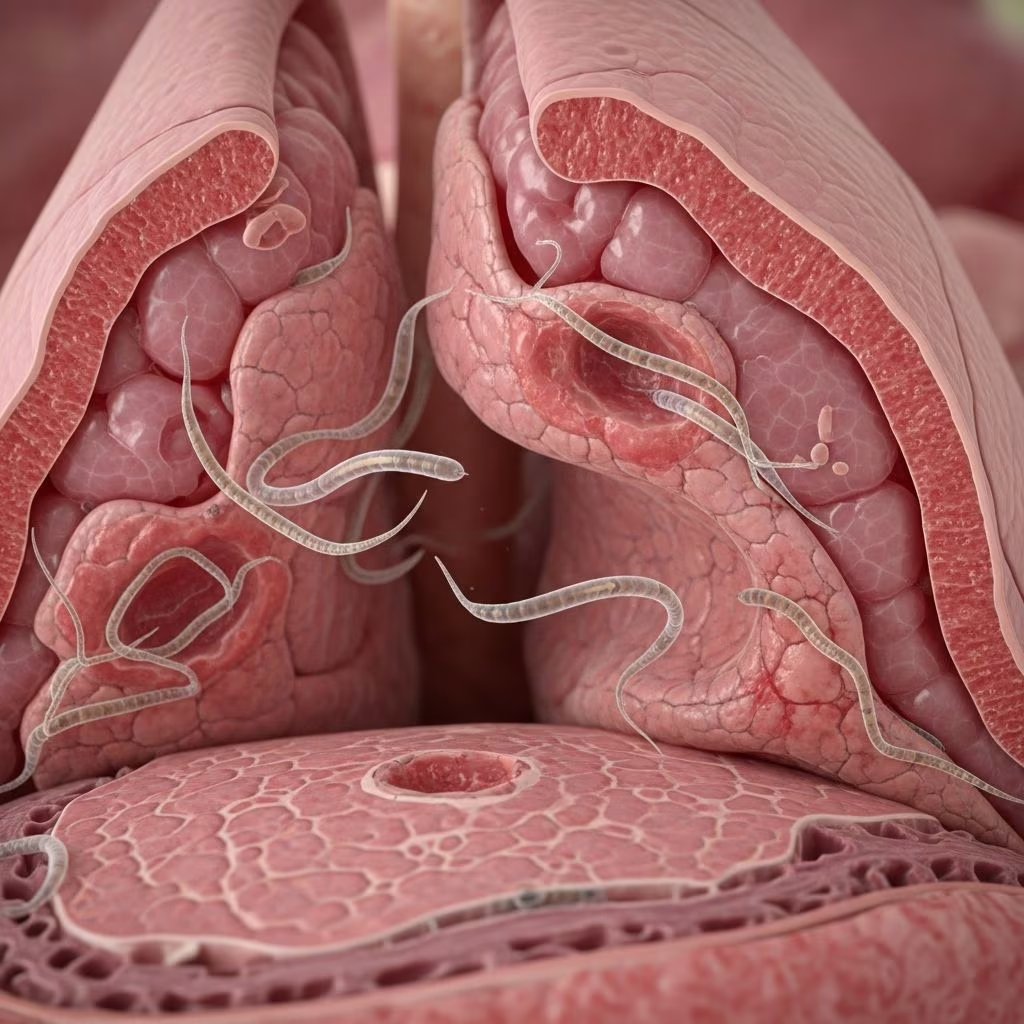
Lung nematodes, commonly known as lungworms, represent a significant parasitic threat to small animals such as dogs and cats. These roundworms reside primarily in the respiratory system, leading to conditions ranging from mild coughing to severe pneumonia and even death if untreated. Understanding their biology, transmission, and control is crucial for pet owners and veterinarians alike.
Understanding Lungworm Parasites
Lungworms belong to various nematode families, with adults typically inhabiting the lungs, bronchi, or pulmonary arteries. In dogs, prominent species include Angiostrongylus vasorum, which lives in the pulmonary arteries and right ventricle, causing cardiorespiratory issues like dyspnea and pulmonary hypertension. Cats may suffer from Aelurostrongylus abstrusus or Troglostrongylus brevior, leading to bronchitis and pulmonary hemorrhages. These parasites disrupt normal lung function through mechanical obstruction, inflammation, and secondary infections.
The life cycle of most lungworms involves intermediate hosts like snails or slugs, where infective larvae develop. Animals ingest these larvae directly or via paratenic hosts such as frogs or birds, allowing the parasite to migrate to the lungs after maturing in the bloodstream or tissues.
Transmission Pathways and Risk Factors
Infection spreads environmentally through contaminated feces containing first-stage larvae (L1), which are ingested by gastropods. Dogs and cats roaming in endemic areas, especially those hunting or eating prey, face higher risks. Geographic expansion of parasites like A. vasorum has been noted in Europe and North America due to climate changes and pet travel.
- Environmental exposure: Damp, snail-infested gardens increase likelihood.
- Behavioral factors: Hunting dogs or outdoor cats are primary targets.
- Age and immunity: Young or immunocompromised pets show worse outcomes.
Prevalence varies; in Mediterranean regions, protostrongylid lungworms affect sheep and goats, but small companion animals see rising cases globally.
Clinical Manifestations in Pets
Symptoms often mimic other respiratory diseases, complicating initial diagnosis. Common signs include persistent coughing, exercise intolerance, rapid breathing, and weight loss. In severe A. vasorum cases, coagulopathies lead to bleeding disorders, neurological issues, or abdominal pain.
For cats, T. brevior causes catarrhal bronchitis, lung consolidation, and emphysema, sometimes resulting in irreversible pulmonary hypertension in kittens. Prepatent phases involve larval migration damaging lung tissue, while patent infections provoke eosinophilic pneumonia from eggs and larvae.
| Species | Primary Host | Key Symptoms |
|---|---|---|
| Angiostrongylus vasorum | Dogs | Coughing, dyspnea, pulmonary hypertension |
| Aelurostrongylus abstrusus | Cats | Chronic cough, weight loss |
| Troglostrongylus brevior | Cats | Bronchitis, hemorrhages |
| Crenosoma vulpis | Dogs | Chronic bronchitis |
Pathophysiological Effects
Lungworms induce damage at multiple stages. During migration, larvae trigger eosinophilic infiltrates, blocking bronchioles and causing alveolar collapse. Adult worms and their progeny provoke granulomatous reactions, with macrophages, giant cells, and eosinophils forming plaques in lung lobes. Complications like interstitial emphysema, edema, and bacterial superinfections heighten mortality risks.
In heavy infestations, smooth muscle hyperplasia and mucous overproduction exacerbate airflow obstruction. Survivors may develop chronic hypersensitivity, leading to prolonged respiratory distress even post-expulsion.
Diagnostic Approaches
Early detection relies on fecal analysis using the Baermann technique, which concentrates motile L1 larvae from fresh samples collected over three days. Sensitivity improves with molecular tests like PCR for species identification.
Additional methods include:
- Imaging: Radiographs reveal bronchial patterns, consolidations, or hyperinflation.
- Serology: Antigen or antibody tests for A. vasorum.
- Cytology: Bronchoalveolar lavage showing eosinophils and larvae.
Anterior chamber paracentesis in eyes can visualize larvae in advanced cases, though it’s invasive. Combining techniques enhances accuracy, especially with intermittent shedding.
Treatment Protocols
Anthelmintics form the cornerstone, with spot-on formulations like imidacloprid/moxidectin effective against adults, L4, and L5 stages of A. vasorum, achieving 100% efficacy monthly for prevention. Fenbendazole or milbemycin oxime treat various lungworms.
Supportive care addresses complications:
- Oxygen therapy for dyspnea.
- Anticoagulants for coagulopathies.
- Antibiotics for secondary infections.
Treatment success hinges on timely intervention; delays increase fatality.
Prevention Strategies
Monthly preventives targeting heartworm also cover many lungworms. Avoid raw prey and snail-prone areas. Regular fecal screening in high-risk regions aids early detection.
Vaccines exist for bovine lungworms like Dictyocaulus viviparus, but not yet for small pets. Education on emerging hotspots is vital amid range expansions.
Emerging Concerns and Research
Climate-driven spread heightens vigilance needs. Studies emphasize integrated diagnostics—microscopy plus PCR—for optimal outcomes. In small ruminants, mixed protostrongylid infections underscore broad-spectrum deworming.
Frequently Asked Questions (FAQs)
What are the first signs of lungworm in dogs?
Coughing, breathing difficulties, and lethargy are early indicators, often worsening with exercise.
Can cats get lungworms from dogs?
No, species are host-specific, but both require similar preventive measures.
How long does treatment take?
Most pets improve within weeks, but follow-up tests confirm clearance.
Are lungworms fatal?
Untreated heavy infections can be, especially in young animals, but prompt care saves most.
Is prevention necessary year-round?
Yes, due to persistent environmental larvae and indoor-outdoor pet lifestyles.
References
- Lungworm in dogs: signs, latest insight and treatment protocols — Vet Times. 2023. https://www.vettimes.com/news/vets/small-animal-vets/lungworm-in-dogs-signs-latest-insight-and-treatment-protocols
- Lungworm Infection in Animals — Merck Veterinary Manual. 2023. https://www.merckvetmanual.com/respiratory-system/lungworm-infection/lungworm-infection-in-animals
- Dictyocaulus viviparus — Western College of Veterinary Medicine, University of Saskatchewan. 2023. https://wcvm.usask.ca/learnaboutparasites/parasites/dictyocaulus-viviparus.php
- Small-Lungworm (Protostrongylidae) Infections in Relation to Meat Sheep — PMC (NCBI). 2024. https://pmc.ncbi.nlm.nih.gov/articles/PMC12115696/
- GUIDELINE for Lungworm disease — ABCD cats & vets (European Advisory Board on Cat Diseases). 2023. https://www.abcdcatsvets.org/guideline-for-lungworm-disease/



