
Lung Flukes In Pets: Essential Guide For Owners
Discover the hidden threat of lung flukes in dogs and cats: symptoms, diagnosis, treatment, and prevention strategies for pet owners.
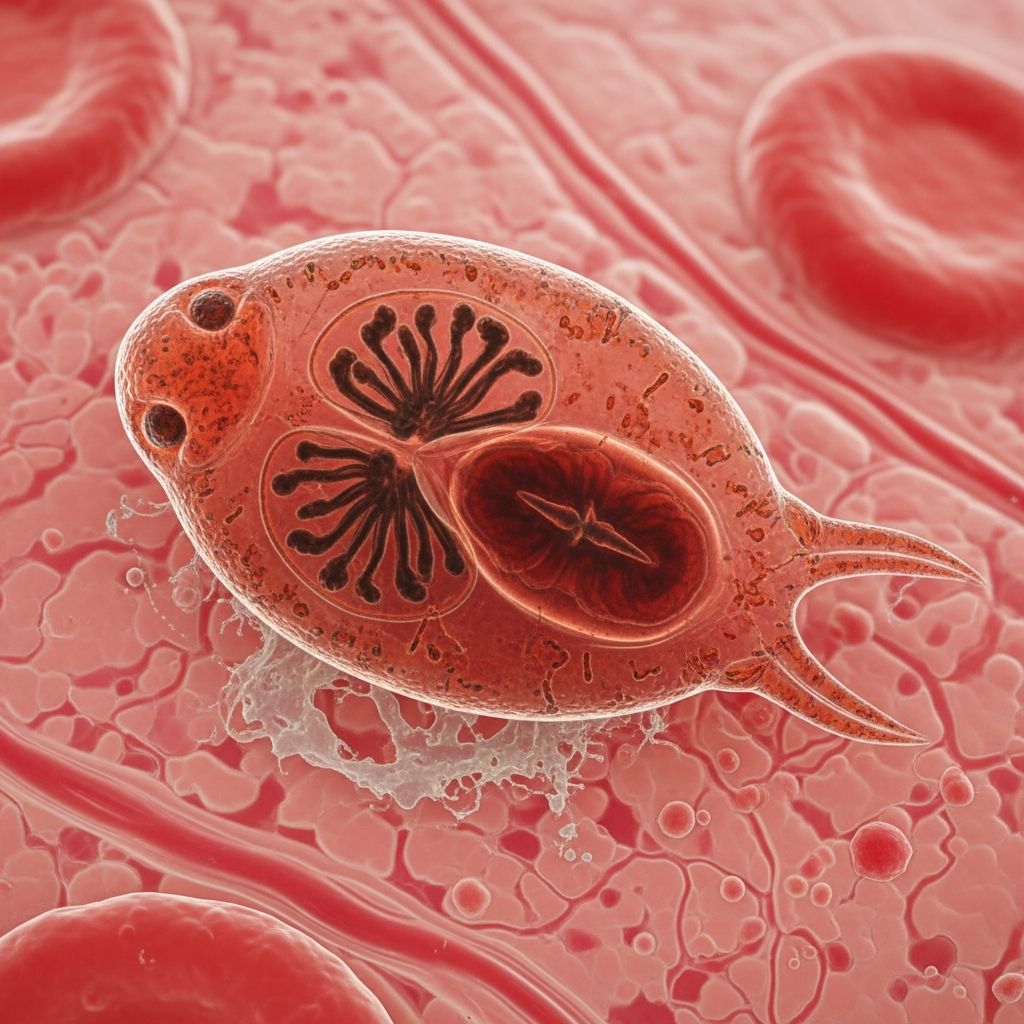
Lung flukes represent a significant yet often overlooked parasitic concern for dogs and cats, primarily involving species like Paragonimus kellicotti. These trematodes target the lungs, leading to a spectrum of health issues from subtle coughing to life-threatening respiratory distress. Understanding this infection is crucial for pet owners in endemic regions, such as areas near freshwater bodies in North America.
The Biology and Life Cycle of Lung Flukes
Lung flukes belong to the genus Paragonimus, with P. kellicotti being the predominant species in North America affecting companion animals. The parasite’s complex life cycle begins in aquatic environments, where eggs released from infected hosts hatch into miracidia that infect snails as intermediate hosts. Inside snails, they develop into cercariae, which then encyst as metacercariae on crayfish, crabs, or freshwater shrimp— the key sources of infection for dogs and cats.
Pets become infected by consuming raw or undercooked crustaceans harboring metacercariae. Once ingested, the immature flukes excyst in the intestine, penetrate the gut wall, and migrate through the peritoneal and pleural cavities to the lungs. There, they mature into adults within 2-3 weeks, forming fibrous cysts in the bronchioles. Mature flukes produce operculated eggs, which are coughed up, swallowed, and excreted in feces, restarting the cycle. The prepatent period—the time from infection to egg production—is about 5-7 weeks in cats.
- Key stages: Egg → Miracidium → Snail (first intermediate host) → Cercaria → Metacercaria (on crustaceans) → Pet host → Adult in lungs.
- Adult flukes measure several millimeters, with spiny teguments aiding attachment in lung tissue.
Geographic Distribution and Risk Factors
In North America, lung fluke infections cluster around the Great Lakes, including Lake Huron’s eastern shore in Ontario, and other Midwest waterways. Cases have surged in recent years, with multiple canine reports in late 2021 highlighting emerging hotspots. Dogs and cats roaming near streams, lakes, or rivers face heightened risk, especially hunting breeds that catch crustaceans.
Outdoor lifestyles amplify exposure: free-roaming pets, hunters, or those fed wild-caught prey are vulnerable. Climate and habitat suitability for snails and crayfish influence prevalence, making rural and lakeside areas prime zones.
Recognizing Clinical Signs in Infected Pets
Many infections remain subclinical, evading notice until advanced. When symptoms emerge, they primarily affect respiration. Common indicators include:
- Intermittent, deep coughing, often chronic.
- Mild to severe dyspnea (labored breathing).
- Coughing up bloody mucus (hemoptysis) in heavier burdens.
- Weakness and lethargy in severe cases.
Heavy infestations provoke complications like pneumonia, bronchiectasis (dilated, scarred airways), lung bullae, or spontaneous pneumothorax (lung collapse from cyst rupture). Severely affected animals may exhibit rapid deterioration, necessitating emergency care.
| Symptom Severity | Common Signs | Potential Complications |
|---|---|---|
| Mild | Occasional cough, no distress | None or subclinical |
| Moderate | Persistent cough, exercise intolerance | Pneumonia |
| Severe | Hemoptysis, dyspnea, lethargy | Pneumothorax, bronchiectasis |
Diagnostic Approaches for Confirmation
Veterinarians rely on a multi-faceted strategy to confirm lung flukes, as symptoms mimic other respiratory ailments like heartworm or bacterial pneumonia. Initial steps include:
- Fecal analysis: Sedimentation or Baermann technique to detect characteristic operculated eggs (yellow-brown, asymmetrical).
- Imaging: Thoracic radiographs reveal lung lesions, cysts, or consolidation pinpointing fluke locations.
- Respiratory sampling: Transtracheal wash, bronchoalveolar lavage, or sputum exam for eggs/larvae.
- Serology: For aberrant migrations or low egg shedding.
Differential diagnosis rules out lungworms, allergies, or neoplasia. Early detection via fecal exams in at-risk pets is ideal.
Effective Treatment Protocols
No FDA-approved drugs target lung flukes specifically in pets, but extralabel antiparasitics yield high success. Primary options:
- Fenbendazole: 50 mg/kg PO daily for 10-14 days; preferred for palatability in cats.
- Praziquantel: 25 mg/kg PO TID for 3 days; effective but bitter taste may cause vomiting in cats, costly for large dogs.
- Albendazole: 25 mg/kg PO BID for 14 days (less favored due to side effects).
Treatment even asymptomatic cases prevents pneumothorax. Repeat dosing may be needed; monitor via follow-up fecal tests. Severe pneumothorax requires supportive care, oxygen, or rarely, lung lobectomy. Adjuncts like corticosteroids manage inflammation in critical cases.
Prognosis and Long-Term Management
Most uncomplicated infections resolve fully with therapy, restoring normal lung function within weeks. Mild cases recover swiftly; severe ones with tissue damage may have lingering coughs or fibrosis. Regular deworming and veterinary check-ups aid management. Nutritional support, like omega-3 supplements, bolsters recovery.
Follow-up includes repeat imaging and parasitological exams 4-6 weeks post-treatment to confirm clearance.
Prevention Strategies for Pet Owners
Proactive measures curb infection risk:
- Prevent access to raw crayfish, crabs, or shrimp—supervise water activities.
- Cook crustacean-based treats thoroughly.
- Limit roaming near endemic waters; use leashes.
- Annual fecal screening for high-risk pets.
- Educate on regional outbreaks via vet networks.
Frequently Asked Questions (FAQs)
Can lung flukes spread between pets or to humans?
No direct pet-to-pet or zoonotic transmission occurs; infection requires ingesting infected crustaceans.
Is treatment always necessary for mild cases?
Yes, due to pneumothorax risk, even subclinical infections warrant therapy.
How long until symptoms appear after exposure?
Clinical signs may lag 5-7 weeks, matching the prepatent period.
Are there breed predispositions?
Hunting breeds like hounds or terriers face higher exposure from crustacean hunting.
What if diagnostics miss the infection?
Persistent symptoms prompt advanced tests like CT or endoscopy.
Emerging Research and Veterinary Insights
Recent Ontario cases underscore rising awareness, with pathology revealing fluke-induced inflammation and eggs in bronchioles. Studies advocate broad-spectrum preventives, though none fully label against flukes. Future diagnostics may include PCR for eggs.
Pet owners should consult vets promptly for respiratory changes, especially post-water outings. Vigilance ensures healthy companions.
References
- Lung fluke (Paragonimus kellicotti) infection in dogs and cats — University of Guelph Animal Health Laboratory. 2022-06. https://www.uoguelph.ca/ahl/lung-fluke-paragonimus-kellicotti-infection-dogs-and-cats
- Lung Fluke Infections in Cats — VCA Animal Hospitals. Accessed 2026. https://vcahospitals.com/know-your-pet/lung-fluke-infections-in-cats
- Lung Flukes in Cats – Cat Owners — Merck Veterinary Manual. Accessed 2026. https://www.merckvetmanual.com/cat-owners/lung-and-airway-disorders-of-cats/lung-flukes-in-cats
- Lung Fluke Infections in Dogs — VCA Animal Hospitals. Accessed 2026. https://vcahospitals.com/know-your-pet/lung-fluke-infections-in-dogs
- Lungworms in Cats: What Are They, and How Do You Treat Them? — PetMD. Accessed 2026. https://www.petmd.com/cat/conditions/infectious-parasitic/lungworms-cats
- Lung Flukes in Dogs and Cats – Respiratory System — MSD Veterinary Manual. Accessed 2026. https://www.msdvetmanual.com/respiratory-system/respiratory-diseases-of-small-animals/lung-flukes-in-dogs-and-cats
Similar Articles








Read full bio of Sneha Tete


