

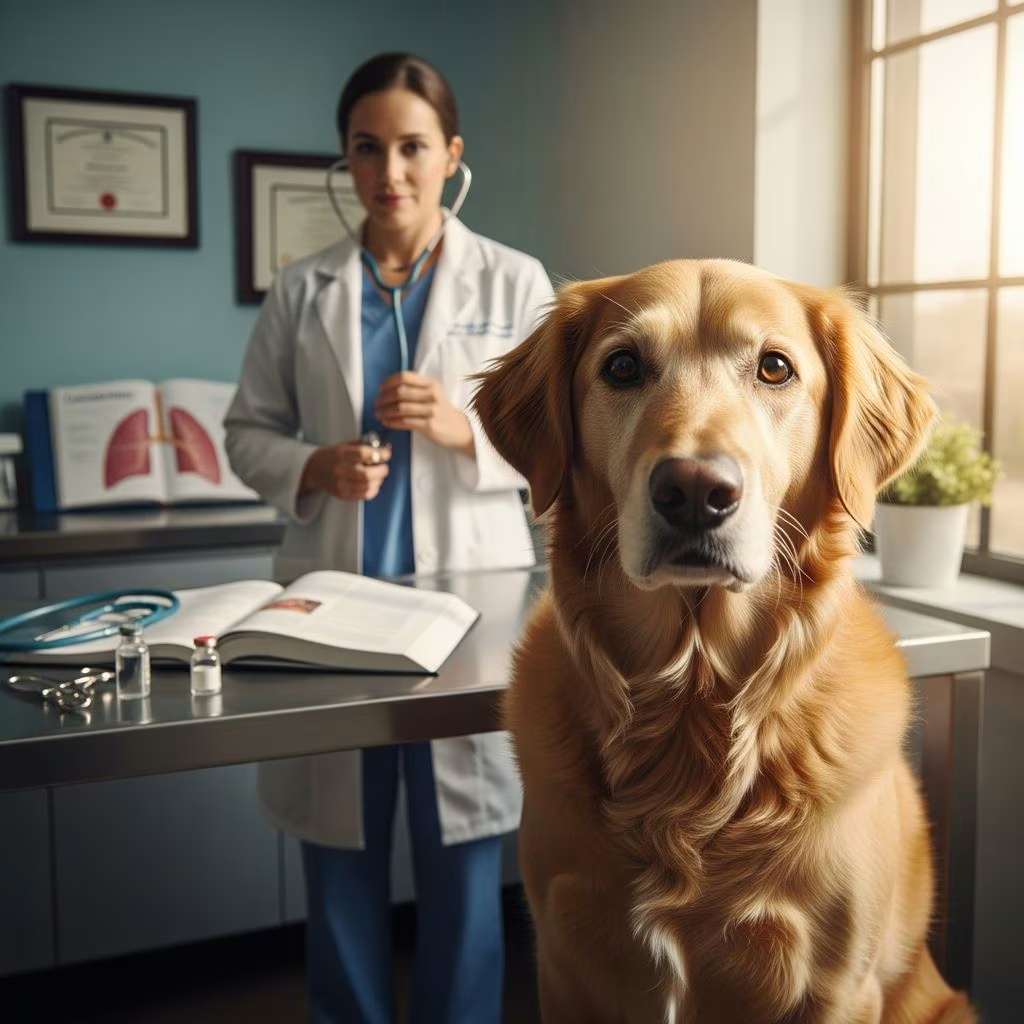
Lung cancer represents one of the more serious health challenges that dogs may face during their lifetime. While the diagnosis can be frightening for pet owners, understanding the nature of this disease, available treatment options, and realistic recovery expectations can help guide informed decisions about your dog’s care. This comprehensive guide explores what canine lung cancer entails, how it develops, treatment possibilities, and factors that influence a dog’s ability to recover from this condition.
The Nature of Canine Lung Cancer
Lung cancer in dogs comes in two primary forms: primary lung tumors that originate within the lung tissue itself, and metastatic lung cancer where cancer cells have spread to the lungs from other parts of the body. Primary lung tumors are relatively uncommon in dogs, whereas metastatic lung cancer—where existing cancers migrate to the lungs through the bloodstream or lymphatic system—occurs more frequently. Understanding which type your dog has is crucial, as it significantly impacts treatment options and recovery potential.
The lungs become a common site for cancer spread because blood circulating throughout the body passes through the lungs, creating an opportunity for cancer cells to establish secondary tumors there. Additionally, tumors in organs adjacent to the lungs or those affecting the lymphatic system can spread metastatic cancer to the pulmonary tissue.
Recognizing the Warning Signs
Early detection plays a vital role in improving treatment outcomes. Pet owners should be alert to several clinical indicators that may suggest lung cancer:
- Persistent coughing that doesn’t resolve with standard treatments
- Difficulty breathing or labored respiration
- Excessive panting, even during rest
- Coughing up blood or blood-tinged discharge
- Unexplained weight loss over a short period
- Reduced appetite or disinterest in food
- Unusual lethargy or lack of energy
- Elevated body temperature or fever
- Symptoms from cancer in other body regions, such as increased drinking and urination or mobility issues from bone involvement
If your dog exhibits any of these signs, veterinary evaluation is essential. While these symptoms may indicate lung cancer, various other conditions can produce similar presentations, making professional diagnosis crucial for determining the actual cause and appropriate treatment path.
Diagnostic Approaches and Evaluation
When lung cancer is suspected, veterinarians employ multiple diagnostic techniques to confirm the disease and assess its extent. Chest radiographs (X-rays) provide initial imaging to visualize tumors, while additional imaging studies may reveal whether cancer has spread to lymph nodes or other structures. Blood work helps evaluate your dog’s overall health status and ability to tolerate treatment.
A consultation with a veterinary oncologist is strongly recommended. These specialists possess advanced training in cancer diagnosis and treatment, allowing them to evaluate your individual dog’s situation and recommend the most appropriate therapeutic strategy based on tumor characteristics, your dog’s age and health status, and your treatment preferences.
Surgical Treatment: The Primary Recovery Option
Surgery represents the most effective treatment for primary lung tumors when the cancer hasn’t spread. During this procedure, veterinary surgeons remove the affected portion of lung tissue. In some cases, an entire lung lobe must be removed to ensure complete tumor removal and prevent recurrence. The good news is that dogs tolerate lung surgery well and typically experience rapid recovery with minimal postoperative pain.
The Surgical Recovery Process
Following lung surgery, your dog will spend time in an intensive care unit under supervision by critical care specialists. During this hospitalization period, your veterinary team monitors several important parameters:
| Recovery Phase | Focus Areas | Typical Duration |
|---|---|---|
| Immediate Post-Surgery | Pain management, oxygen supplementation if needed, drain monitoring | 1-3 days minimum |
| Hospital Discharge Preparation | Breathing assessment without oxygen support, oral pain control tolerance | Variable, based on recovery |
| At-Home Recovery | Exercise restriction, incision monitoring, medication administration | 10-14 days |
| Activity Resumption | Gradual return to normal activity | 2-4 weeks |
During hospitalization, your dog may receive supplemental oxygen through nasal catheters to support lung function as they heal. Blood tests monitor oxygen levels and blood cell counts to ensure proper recovery. Most dogs are discharged once they breathe comfortably without oxygen support and can manage pain with oral medications.
Post-Discharge Recovery at Home
Upon returning home, your dog will need restricted exercise for approximately 10 to 14 days to allow the surgical site to heal properly. Some dogs may wear protective bandages or an Elizabethan collar to prevent interference with the incision. Pain medications will be prescribed, and you’ll need to watch for signs of infection or complications such as excessive swelling, discharge from the incision, or difficulty breathing.
Survival Outcomes After Surgical Treatment
For dogs with primary lung tumors that haven’t spread to lymph nodes, surgical intervention offers the most favorable prognosis. Dogs treated surgically for solitary primary tumors with no lymph node involvement demonstrate an average survival time of approximately 12 months, with some dogs living for over two years post-surgery. Several factors influence individual survival outcomes:
- Tumor size—smaller tumors generally carry better prognosis
- Tumor grade—low-grade tumors typically have longer survival times
- Presence or absence of clinical symptoms at diagnosis—asymptomatic dogs live longer on average
- Lymph node involvement—enlarged or affected lymph nodes significantly reduce survival time
- Number of tumors—multiple lung tumors substantially worsen prognosis
When lymph node involvement is present or multiple tumors exist, survival time drops dramatically to approximately two months, even with treatment. This dramatic difference underscores why early detection and comprehensive staging before treatment decisions are so important.
Chemotherapy and Alternative Treatments
Some veterinary oncologists may recommend chemotherapy for high-grade tumors, large tumors, or those showing evidence of spread. However, it’s important to understand that in most primary lung cancer cases in dogs, chemotherapy alone does not significantly improve survival times compared to surgery. Radiation therapy may also be considered as part of a multimodal treatment approach in certain cases.
When surgery isn’t possible or the tumor is deemed too aggressive for surgical intervention, chemotherapy, radiation, and supportive care become the primary options. Supportive care includes medications such as anti-inflammatories, cough suppressants, and bronchodilators that help manage symptoms and improve quality of life. Antibiotics may be necessary if secondary bacterial pneumonia develops during the disease course.
Metastatic Lung Cancer: A Different Prognosis
Dogs with metastatic lung cancer face a substantially different outlook than those with primary tumors. Because cancer typically spreads to the lungs in advanced disease stages, the prognosis is generally poor. These dogs represent advanced cancer cases where the primary tumor has already established itself elsewhere in the body. Surgical removal of lung nodules is rarely pursued, as it doesn’t address the underlying systemic cancer.
Treatment for metastatic lung cancer focuses on managing the original cancer and controlling symptoms rather than pursuing curative approaches. However, emerging immunotherapy options show promise in select cases, as demonstrated by dogs with metastatic osteosarcoma who became cancer-free following immunotherapeutic treatment.
Post-Treatment Monitoring and Follow-Up Care
Dogs that undergo surgical treatment require ongoing monitoring to detect any recurrence early. Your veterinarian will likely recommend frequent chest X-rays during the first year following surgery to watch for new tumors or regrowth. If chemotherapy is part of your dog’s treatment plan, regular blood work is essential to ensure your pet is tolerating the medication well and maintaining adequate blood cell counts.
Working closely with your veterinary oncologist throughout the recovery period ensures that any changes or concerns are identified promptly and addressed appropriately. This collaborative approach maximizes your dog’s quality of life and survival time.
Making Treatment Decisions for Your Dog
Deciding whether to pursue surgical treatment involves weighing several considerations. Some pet parents choose not to proceed with open-chest surgery when evidence suggests the tumor is particularly aggressive, as the prognosis may remain poor even with intervention. These families often opt for supportive care to maintain quality of life without the stress of major surgery.
Your veterinarian and oncologist can help you evaluate your individual dog’s situation, considering factors such as age, overall health status, tumor aggressiveness, and your dog’s ability to tolerate surgery. Honest conversations about realistic outcomes and your family’s values regarding treatment intensity are important in making the best decision for your situation.
Understanding End-Stage Lung Cancer
As lung cancer progresses to advanced stages, dogs typically develop a constellation of symptoms reflecting the disease’s impact. These may include severely decreased appetite, significant weight loss with visible muscle wasting, profound lethargy, persistent coughing and wheezing, and increasingly labored breathing. In some cases, fluid accumulates in and around the lungs, making breathing extremely difficult and causing respiratory distress.
If your dog develops signs of severe respiratory compromise, including very labored breathing, seek immediate veterinary attention. Your veterinarian can provide medications and interventions to improve comfort during this challenging time.
Frequently Asked Questions About Canine Lung Cancer
What is the average survival time for dogs with lung cancer?
For dogs with primary lung tumors that haven’t spread and undergo surgical treatment, average survival is approximately one year, with some dogs living two years or longer. Dogs with metastatic lung cancer or multiple tumors have significantly shorter survival times, typically measured in months.
Can lung cancer be prevented in dogs?
Complete prevention isn’t always possible, but limiting your dog’s exposure to environmental carcinogens may reduce risk. Lung cancer is not contagious, so you cannot transmit it to other pets.
Is lung cancer common in dogs?
No, lung cancer is relatively rare in dogs compared to other cancers that affect the species. However, when it does occur, it requires serious attention and prompt treatment.
How quickly do dogs recover from lung cancer surgery?
Most dogs tolerate lung surgery well and recover quickly. Hospital stays are typically short, and dogs can usually return home within a few days once they’re breathing comfortably without supplemental oxygen. Home recovery with exercise restriction lasts 10-14 days.
What should I watch for during my dog’s recovery?
Monitor the surgical incision for signs of infection, such as excessive swelling, discharge, or redness. Watch for changes in breathing patterns, reluctance to breathe, or respiratory distress. Ensure your dog takes prescribed pain medications and follows exercise restrictions during the healing period.
Conclusion: Hope and Realistic Expectations
While a lung cancer diagnosis is undoubtedly challenging, understanding your dog’s specific situation, available treatments, and realistic outcomes empowers you to make informed decisions aligned with your values and your dog’s needs. For dogs with primary lung tumors without spread, surgical treatment offers genuine possibilities for extended survival and quality of life. Even in cases where curative treatment isn’t appropriate, supportive care and symptom management allow many dogs to enjoy their remaining time with their families. Work closely with your veterinary team to develop the best treatment and management plan for your beloved companion.
References
- Pet Recovery After Lung Surgery — SASH Vets. https://sashvets.com/diseases/lung-cancer-lobectomy/
- Lung Cancer In Dogs — PetMD. https://www.petmd.com/dog/conditions/cancer/lung-cancer-dogs
- Types, Treatments & Symptoms of Lung Cancer in Dogs — Northeast Veterinary Hospital. https://www.northeast-vet.com/site/pet-care-blog-plains-vet/2020/10/15/lung-cancer-in-dogs-symptoms-and-treatments
- Can Dogs Recover From Lung Cancer? — Hill’s Pet Nutrition. https://www.hillspet.com/dog-care/healthcare/can-dogs-recover-from-lung-cancer
- Lung Cancer in Dogs – Causes, Treatment and Associated Conditions — Vetster. https://vetster.com/en/conditions/dog/lung-cancer
- Exercise Restrictions After Lung Lobe Tumor Surgery — American College of Veterinary Surgeons. https://www.acvs.org/small-animal/lung-lobe-tumors/
- Understanding Dog Lung Tumors: Symptoms, Diagnosis and Treatment — ImpriMed. https://www.imprimedicine.com/blog/dog-lung-tumors



