

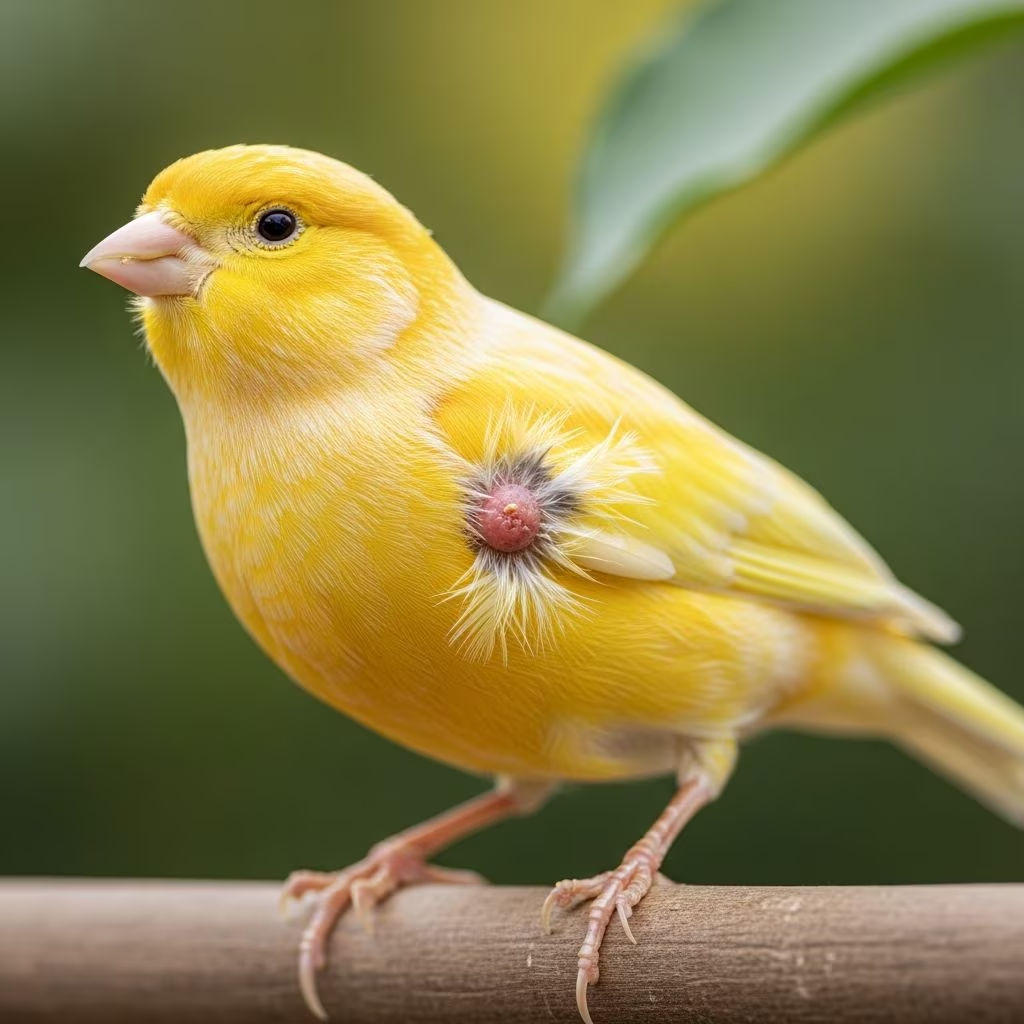
Understanding Lumps and Tumors in Birds
Discovering an unexpected lump or swelling on your feathered companion can be alarming. As a responsible bird owner, understanding what causes these growths and when to seek veterinary care is crucial for your pet’s health and longevity. Lumps and tumors can appear anywhere on a bird’s body, ranging from small, benign fatty deposits to more serious malignant growths that require immediate attention. This comprehensive guide will help you navigate the complexities of avian lumps and tumors, empowering you with the knowledge needed to protect your beloved pet.
What Are Tumors?
Tumors, also called cancer or neoplasms, are firm tissue growths or swellings that may occur anywhere on a bird’s body. These abnormal cell growths multiply out of control and can appear in various forms. Tumors may be noted protruding from the skin, creating visible bumps or swelling under the skin, or even developing inside the body cavity where they may not be immediately noticeable. Birds of any age can develop tumors, although they tend to be more common in middle-aged and older birds. Understanding the distinction between different types of growths is essential for proper care and treatment.
Not All Lumps Are Tumors
One of the most important concepts to understand is that not every lump on your bird’s body indicates cancer. A lump or mass can have several different origins, and accurate diagnosis is vital for appropriate treatment. Common non-cancerous causes include:
- Abscesses – Collections of pus that develop as a result of infection
- Granulomas – Nodules of inflamed tissue that form in response to chronic irritation or infection
- Ingrown feathers – Feathers that grow inward, creating visible lumps under the skin
- Scar tissue – Fibrous tissue that forms after injury or previous trauma
- Enlarged organs – Internal organs that swell due to disease or infection
- Reproductive issues in females – Abdominal swelling may result from an egg or a swollen oviduct
This is why professional veterinary evaluation is absolutely necessary before assuming any lump is cancerous.
How to Identify a Lump
Detecting lumps early increases the likelihood of successful treatment. Regular physical examinations of your bird are an important part of responsible pet ownership. Here are key signs to watch for:
- Visible bumps or swellings on the skin
- Asymmetrical body shape
- Difficulty perching or maintaining balance
- Changes in flight ability or performance
- The bird appearing heavier than normal
- Behavioral changes or decreased activity
- Ruffled feathers around a specific area
If you notice any of these signs, schedule an appointment with your avian veterinarian promptly.
Diagnosing the Cause of a Lump
You cannot determine what is causing a lump simply by visual inspection, and sometimes even your veterinarian cannot diagnose it without specialized testing. To accurately identify the nature of a lump, your veterinarian may recommend several diagnostic procedures:
Fine Needle Aspirate (FNA)
This minimally invasive procedure involves using a thin needle to extract a small sample of cells from the lump. The cells are then examined under a microscope to help determine the composition of the growth.
Biopsy
A biopsy involves removing a small tissue sample from the lump for laboratory analysis. This procedure provides more detailed information than an FNA and can help classify the growth.
Histologic Testing
Microscopic examination of tissue by a pathologist is often performed after surgical removal to determine whether the tumor is benign or malignant. This testing is crucial for determining the appropriate course of treatment and prognosis.
Common Types of Bird Tumors
Understanding the most frequently occurring tumors in pet birds can help you recognize potential health concerns and seek timely veterinary intervention.
Lipomas
Lipomas are benign, fatty tumors that occur most frequently in budgerigars, rose-breasted cockatoos, Amazon parrots, and cockatiels. These soft, pale yellow, encapsulated masses are typically located on the keel (breast bone) or in the chest area. While generally harmless, large lipomas can impair a bird’s flight or affect how the bird perches. Formation of lipomas is associated with poor nutrition, obesity, hypothyroidism, and genetic factors. Malignant liposarcomas can also occur and tend to be more firm than standard lipomas and faster growing.
Lymphoma
Lymphoma is one of the most common cancers in pet birds, occurring commonly as it does in other companion animals. This malignant tumor usually occurs in multiple tissues, most commonly the liver, spleen, and kidneys. Lymphoma can also involve the gastrointestinal tract, skin, bone, oviduct, lungs, sinuses, thymus, testes, brain, mesentery, trachea, and pancreas. Both radiation therapy and chemotherapy have been used successfully in treating lymphoma in birds.
Skin Cancers
Skin cancers, particularly squamous cell carcinomas (SCCs), can develop in various locations on a bird’s body. Cutaneous SCCs often appear as proliferative masses or wound-like ulcers, frequently developing at sites of chronic irritation. SCCs of the uropygial gland result in enlargement of the gland and ulceration, while SCCs of the beak result in overgrowth and deformation.
Internal Cancers
Internal cancers are among the most challenging to diagnose in birds because they don’t present obvious external signs. Tumors can be found in kidneys, liver, stomach, reproductive glands (ovary, testicle, thyroid, and pituitary), muscles, and bones. When diagnosed early, most internal tumors can be treated with surgery and chemotherapy to prolong or save the bird’s life. However, if the cancer is located in a difficult location, surgery may not be an option.
Xanthomas
Xanthomas are benign growths similar to lipomas but tend to become ulcerated and bleed as they enlarge. While not malignant, they require careful management and may necessitate surgical intervention.
Treatment Options for Bird Tumors
Once a lump is diagnosed as a tumor, various treatment options may be recommended depending on the location of the tumor, its size, and the overall health of the bird. Treatment decisions should be made in consultation with your avian veterinarian.
Surgical Removal
Surgical removal is often the first line of treatment for accessible tumors. Depending on the size of the tumor and its location, surgical removal may be more challenging in birds than in dogs or cats. The sooner your bird is examined after you notice abnormal swelling, the better the chance for successful surgery and recovery. Early intervention significantly improves outcomes.
De-Bulking Surgery
Not all tumors can be completely removed surgically. Some tumors that cannot be fully excised may be de-bulked—partially removed—if deemed beneficial to the animal’s quality of life.
Chemotherapy
With advances in veterinary medicine, chemotherapy is now an option for certain tumor types. This systemic treatment can help manage malignant tumors, particularly lymphomas, and may be used in conjunction with surgery or radiation therapy.
Radiation Therapy
Radiation therapy has been successfully employed in cases of solitary lymphoma and other cancer types. This targeted treatment can help destroy cancer cells while minimizing damage to surrounding healthy tissue.
Nutritional Management
For lipomas specifically, if caught early, most respond well to nutritional therapy. Many affected birds are on high-fat, all-seed diets. Weaning slowly onto a balanced, low-fat diet consisting of pellets, vegetables, and small amounts of fruit is often successful in reducing or resolving lipomas.
Thyroid Supplementation
Iodine supplements may help stimulate the thyroid gland and increase the metabolism of fatty tissues. In some cases, your bird’s avian veterinarian may prescribe thyroid supplements to support treatment.
Lifestyle Modifications
Stimulating your bird to exercise at least twice daily helps with weight reduction and may support overall health during tumor management. Increased physical activity, combined with dietary improvements, can be instrumental in preventing new growths and managing existing conditions.
Risk Factors and Prevention
While not all tumors can be prevented, understanding risk factors allows you to minimize your bird’s cancer risk. Several factors contribute to tumor development in birds:
- Age – Middle-aged and older birds are at higher risk
- Diet – High-fat diets, especially all-seed diets, increase lipoma risk
- Obesity – Excess weight contributes to fatty tumor formation
- Genetics – Some bird species and individual birds have predispositions to certain tumors
- Chronic irritation – Ongoing irritation or inflammation can promote neoplastic proliferation
- Hypothyroidism – Thyroid dysfunction is associated with lipoma formation
- Poor nutrition – Inadequate vitamin A and other nutrients increase cancer risk
To reduce these risks, provide your bird with a balanced, low-fat diet rich in vegetables and essential nutrients, ensure regular exercise, maintain a healthy weight, and schedule routine veterinary check-ups.
When to Seek Specialized Care
Your primary avian veterinarian is an excellent resource for tumor diagnosis and initial treatment planning. However, in some cases, referral to an avian specialist or veterinary school for further care may be necessary. Consider seeking specialized care if:
- The tumor is in a complex location
- Your bird has multiple tumors
- The tumor is progressing rapidly
- Initial treatment options have been unsuccessful
- Your bird requires advanced treatments like radiation or chemotherapy
Frequently Asked Questions
Q: Can bird tumors be prevented?
A: While not all tumors can be prevented, you can significantly reduce your bird’s risk by providing a balanced, low-fat diet, ensuring regular exercise, maintaining healthy weight, and scheduling routine veterinary check-ups. Proper nutrition with adequate vitamin A is particularly important.
Q: Are all bird tumors cancerous?
A: No, not all lumps on birds are cancerous. Many lumps are benign, such as lipomas (fatty tumors), abscesses, or scar tissue. Only a veterinary professional can accurately diagnose the nature of a lump through physical examination and diagnostic testing.
Q: What is the prognosis for a bird with a diagnosed tumor?
A: The prognosis depends on several factors, including the type of tumor, its location, the bird’s age and overall health, and how early it was detected. Benign tumors like lipomas have favorable prognoses, particularly with early detection. Malignant tumors may be managed with surgery, chemotherapy, or radiation therapy.
Q: Should all bird tumors be surgically removed?
A: Not necessarily. Surgery is recommended depending on the tumor’s location, size, and whether it’s affecting your bird’s quality of life. Small, non-problematic lipomas may not require removal. Your veterinarian will help determine the best course of action.
Q: How often should I check my bird for lumps?
A: Perform physical examinations of your bird regularly—ideally during routine handling and petting. Watch for changes in body shape, weight, flight ability, or behavior. Schedule annual veterinary check-ups for professional screening, more frequently for older birds.
Q: Can dietary changes help treat existing tumors?
A: For lipomas, dietary improvement to a low-fat diet with adequate nutrition can help prevent growth or reduce size. However, dietary changes alone cannot eliminate malignant tumors, which require veterinary intervention including surgery, chemotherapy, or radiation therapy.
References
- Tumors in Birds — VCA Animal Hospitals. 2024. https://vcahospitals.com/know-your-pet/tumors-in-birds
- Cancers and Tumors of Pet Birds — Merck Veterinary Manual. 2024. https://www.merckvetmanual.com/bird-owners/disorders-and-diseases-of-birds/cancers-and-tumors-of-pet-birds
- Neoplastic Diseases of Pet Birds — MSD Veterinary Manual. 2024. https://www.msdvetmanual.com/exotic-and-laboratory-animals/pet-birds/neoplastic-diseases-of-pet-birds
- Tumors in Birds: Lipomas — VCA Animal Hospitals. 2024. https://vcahospitals.com/know-your-pet/tumors—lipomas-in-birds
- Bird Lipoma: Causes, Diagnosis, and Treatment — Exotic Animal Vet. 2024. https://www.birdvet.com.sg/bird-lipoma-guide-causes-diagnosis-and-treatment/
- Cancers and Tumors in Birds — PetMD. 2024. https://www.petmd.com/bird/conditions/cancer/c_bd_Cancers_and_Tumors
- Overview of Tumors – Clinical Avian Medicine — Harrisons Bird Foods. 2024. https://www.harrisonsbirdfoods.com/wp-content/uploads/2024/02/20_tumors.pdf



