

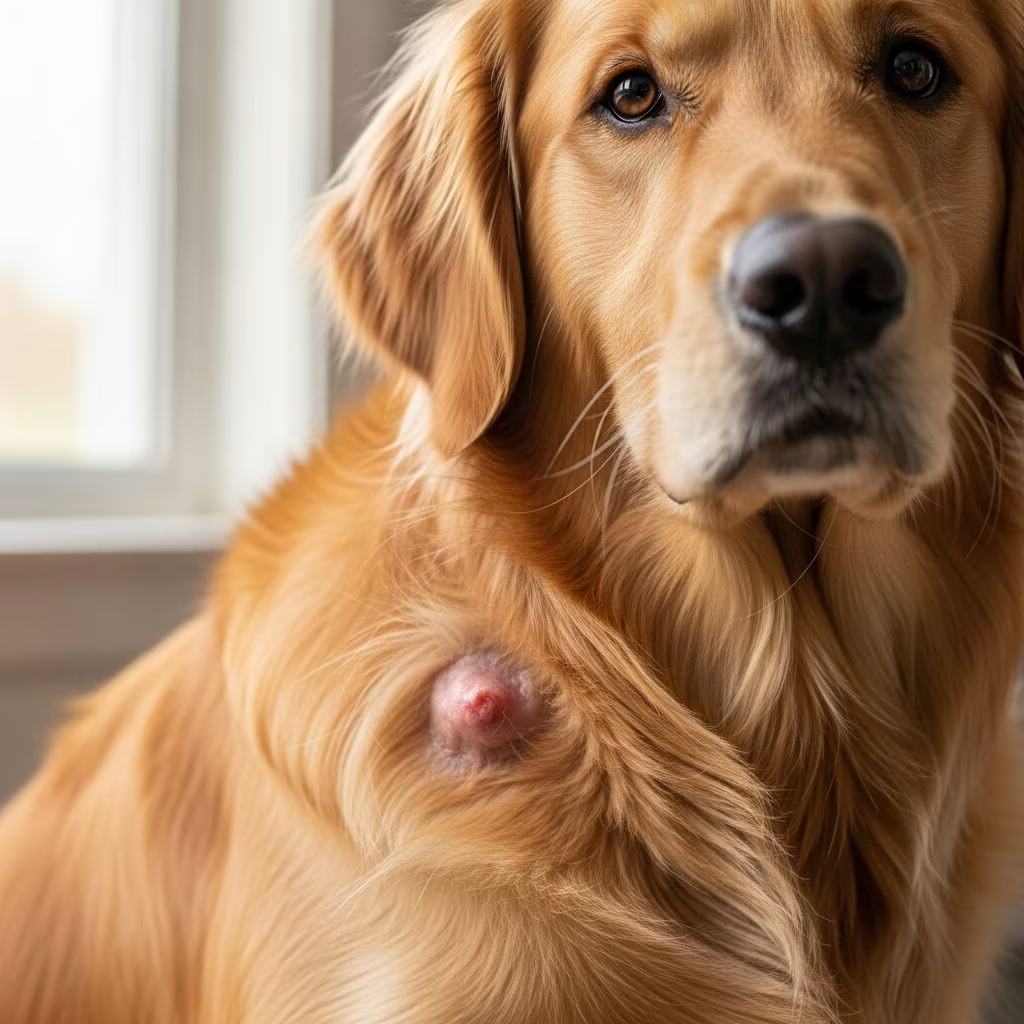
Finding a new lump on your dog can spark immediate worry, but many such growths turn out to be harmless while others demand quick attention. Understanding the range of possibilities helps owners make informed decisions about veterinary care.
Understanding Growths on Your Dog’s Body
Dogs of all ages and breeds can develop noticeable swellings under their skin or on the surface. These can arise from everyday irritations, immune responses, or deeper health problems. Regular grooming and petting sessions provide opportunities to spot changes early, potentially improving outcomes through timely intervention.
Key characteristics to note include the lump’s size, texture, mobility, and any associated symptoms like pain or itchiness. Soft, movable masses often signal less urgency compared to hard, fixed ones that grow rapidly.
Common Benign Causes of Lumps
Most lumps pet owners encounter are non-cancerous and pose little threat, though they may still require management if they interfere with daily life.
- Fatty Tumors (Lipomas): These soft, squishy growths are frequent in senior or overweight dogs, typically feeling like jelly under the skin. They rarely cause issues unless they expand near joints or vital areas.
- Sebaceous Cysts: Blocked oil glands lead to fluid-filled sacs that can become irritated or infected. Many resolve naturally, but persistent ones might need lancing.
- Histiocytomas: Young dogs often develop these small, red, button-shaped bumps that vanish as the immune system strengthens, usually within months.
- Warts (Viral Papillomas): Contagious among dogs, these cauliflower-like protrusions appear on the mouth or skin and may drop off or require minor treatments like freezing.
Benign lumps generally grow slowly and don’t ulcerate or bleed, allowing for watchful waiting in many cases.
Infection and Inflammation-Related Swellings
Acute lumps often stem from the body’s defense mechanisms, presenting as warm, tender areas that develop suddenly.
- Abscesses: Bacterial invasions from bites, scratches, or anal gland issues create pus-filled pockets, common on paws, faces, or tails. These demand drainage to prevent rupture and spread.
- Allergic Hives: Environmental allergens, foods, or insect stings trigger widespread red welts, especially on the back or sides. Antihistamines usually suffice.
- Insect Reactions: Bites or stings cause localized puffiness that resolves quickly but can mimic more serious conditions if severe.
Painful, hot lumps signal inflammation needing prompt antibiotics or anti-inflammatories alongside cleaning.
When Lumps Signal Hernias or Structural Issues
Not all lumps are skin-deep; some involve weaknesses in the abdominal wall, particularly in puppies or post-trauma cases.
- Umbilical Hernias: Tiny gaps at the belly button allow fat or organs to protrude, often closing spontaneously in young pups but warranting surgery if large.
- Inguinal Hernias: Groin-area bulges from improper canal closure, more concerning as they risk organ entrapment.
- Traumatic Hernias: Accidents like car hits can tear muscles, creating emergency lumps requiring imaging and repair.
These feel softer and may fluctuate in size, with veterinary exams confirming via palpation or ultrasound.
Recognizing Malignant or Cancerous Lumps
While less common, cancerous growths demand vigilance due to their potential for spread and aggression.
| Type | Appearance | Risk Level | Treatment Needs |
|---|---|---|---|
| Mast Cell Tumors | Red, raised, variable size; may swell/shrink | High variability | Surgery, chemo if advanced |
| Melanomas | Dark, pigmented, invasive | Aggressive | Wide excision, staging |
| Fibrosarcomas | Firm, deep, fixed | Invasive | Surgical removal |
| Squamous Cell Carcinoma | Ulcerated, crusty sores | Sun-related | Excision, radiation |
| Lymphoma | Swollen nodes under skin | Systemic | Chemotherapy |
Malignant lumps often adhere to tissues, ulcerate, or grow fast, with lymph node swelling hinting at spread. Early biopsies are crucial for grading.
Signs That Demand Immediate Veterinary Attention
Not every lump requires a rush to the clinic, but certain red flags necessitate same-day care.
- Rapid growth or size changes over days.
- Pain, bleeding, discharge, or ulceration.
- Accompanying lethargy, appetite loss, or fever.
- Multiple new lumps or facial swelling.
- Hard, immovable masses.
Owners should track details like discovery date, measurements, and photos for vet discussions.
Diagnostic Steps at the Vet Clinic
Veterinarians start with a full exam, history review, and fine-needle aspirate to sample cells without surgery.
- Aspirates/Biopsies: Microscopic analysis identifies cell types.
- Imaging: Ultrasounds or X-rays check depths and internals.
- Bloodwork: Rules out systemic issues like infections.
Definitive diagnosis guides tailored plans, avoiding overtreatment of benign finds.
Treatment Approaches for Different Lumps
Options range from observation to advanced therapies, based on type and impact.
- Watchful Monitoring: For stable lipomas, with monthly checks.
- Drainage/Antibiotics: Clears abscesses or infected cysts.
- Surgery: Removes problematic growths, often curative for localized issues.
- Cryotherapy/Laser: Non-invasive for small surface bumps.
- Chemotherapy/Radiation: Manages cancers, extending quality life.
- Medications: Steroids or antihistamines for allergies/inflammation.
Post-treatment follow-ups ensure no recurrence, with pain control enhancing comfort.
Prevention and Home Monitoring Tips
While not all lumps are preventable, proactive habits reduce risks.
- Weekly full-body checks during baths or brushes.
- Maintain ideal weight to minimize lipomas.
- Control fleas/ticks and allergens.
- Spay/neuter to lower certain cancer odds.
- Sun protection for light-skinned breeds.
Log any findings in a journal, noting changes for trend spotting.
Frequently Asked Questions (FAQs)
Are all lumps on dogs cancerous?
No, most are benign like lipomas or cysts, but vet evaluation is key to confirm.
What should I do if I find a lump on my dog?
Monitor for changes and consult a vet promptly, especially if it’s new or altering.
Can lumps disappear on their own?
Yes, histiocytomas, hives, and small cysts often resolve without intervention.
How much does lump removal cost?
Varies by size/location; simple procedures range widely—discuss with your vet.
Do older dogs get more lumps?
Yes, lipomas surge in seniors, but all ages face risks from infections or cancers.
References
- Lumps in dogs – Joii Pet Care — Joii Pet Care. 2023. https://www.joiipetcare.com/blogs/health-symptoms/lumps-in-dogs
- Pet Lumps & Bumps: When to Worry and What to Do — FV Pet Emergency. 2023. https://fvpetemergency.com/pet-lumps-bumps-when-to-worry-and-what-to-do/
- Sudden Lumps Under Your Dog’s Skin: Does It Require Urgent Care? — GSVS. 2023. https://gsvs.org/blog/sudden-lumps-dog-emergency/
- Lumps, Bumps, and Cysts on Dogs — PetMD. 2023-10-15. https://www.petmd.com/dog/symptoms/lumps-bumps-and-cysts-dogs
- Lumps and Bumps: When Is a Mass an Emergency? — Northwood Veterinary. 2023. https://northwoodveterinary.com/lumps-and-bumps-when-is-a-mass-an-emergency/
- Identifying Lumps & Bumps in Pets: What Every Fairfax Owner Needs to Know — Fairfax Vet. 2023. https://fairfaxvet.com/identifying-lumps-bumps-in-pets-what-every-fairfax-owner-needs-to-know/



