

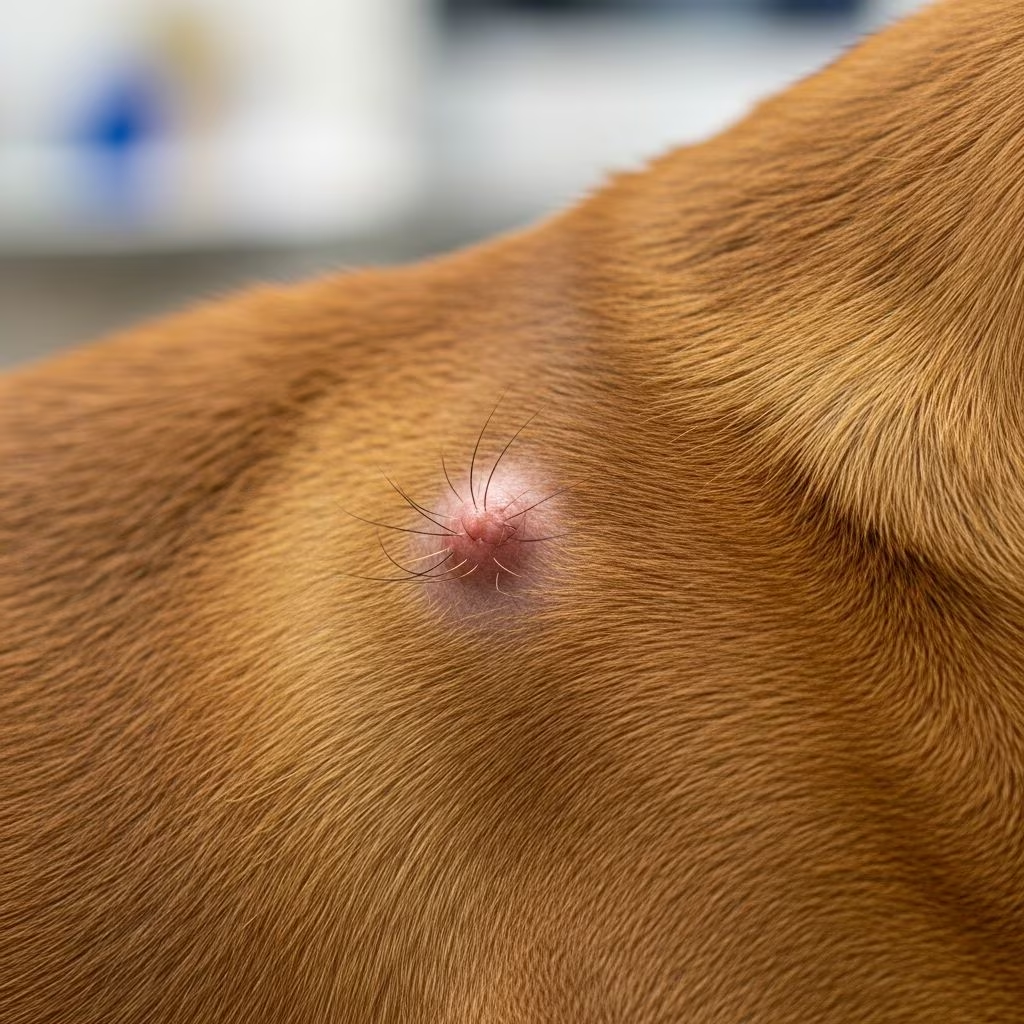
Post-vaccination lumps are a frequent occurrence in dogs, representing the immune system’s initial response to injected antigens. These firm, small swellings typically emerge at the injection site and resolve without intervention, but vigilant observation is essential to distinguish routine reactions from potential complications.
The Science Behind Post-Vaccination Swellings
When a vaccine enters a dog’s body, it introduces weakened pathogens or proteins designed to trigger immunity. This process activates local immune cells, leading to inflammation and the formation of a granuloma—a compact mass of immune tissue. Such reactions confirm the vaccine is stimulating protective responses, often manifesting as a pea-sized, firm nodule under the skin.
The composition of vaccines, including adjuvants that enhance immune activation, contributes to this localized response. In most cases, the swelling peaks within 24-48 hours and begins subsiding as the body processes the stimulus. Understanding this mechanism reassures owners that these lumps signify effective immunization rather than failure.
Identifying Normal Versus Problematic Lumps
Not all lumps are alike; distinguishing benign from concerning ones hinges on characteristics like size, texture, and evolution over time. A standard vaccine-related lump remains under 1-2 cm, feels solid yet movable, and causes no apparent discomfort to the dog.
| Feature | Normal Lump | Concerning Lump |
|---|---|---|
| Size | Small (<2cm), stable or shrinking | Growing beyond 2cm or expanding |
| Texture | Firm, non-painful | Soft, hot, painful to touch |
| Duration | Resolves in 1-3 weeks | Persists beyond 3 weeks |
| Symptoms | None or mild itch | Redness, discharge, lethargy |
Owners should palpate the area gently daily. If the lump adheres to normal parameters, it poses minimal risk.
Timeline of a Typical Vaccine Lump Resolution
- Day 1-2: Initial swelling appears, possibly with mild warmth as blood flow increases to the site.
- Day 3-7: Peak firmness; dog may show subtle awareness but continues normal activities.
- Week 2-3: Gradual softening and size reduction as immune cells clear debris.
- Beyond Week 3: Complete disappearance in over 90% of cases, leaving no trace.
This progression aligns with the body’s natural healing, where macrophages encapsulate and break down vaccine remnants. Deviations, such as sudden enlargement, signal possible secondary issues like abscesses from bacterial contamination.
Home Care Strategies for Managing Lumps
Supportive measures can accelerate recovery and comfort. Immediately post-vaccination, apply a cold compress for 10-15 minutes twice daily to minimize swelling by constricting vessels. Transition to warm compresses after 48 hours to promote circulation and drainage.
Prevent self-trauma by fitting an Elizabethan collar if the dog licks or scratches the site excessively. Maintain hygiene with gentle cleaning using saline solution, avoiding harsh chemicals. Most importantly, restrict vigorous play near the injection area to avert trauma that could worsen inflammation.
Risk Factors Influencing Lump Development
Certain dogs exhibit heightened susceptibility. Puppies undergoing primary vaccination series often develop more pronounced lumps due to immature immune systems. Breeds with sensitive skin, like Bulldogs or Shar-Peis, may react more visibly. Multi-vaccine appointments increase cumulative irritation, potentially amplifying responses.
Pre-existing conditions such as allergies or autoimmune disorders can exacerbate reactions. Owners of at-risk dogs should discuss titer testing or spaced vaccination schedules with vets to balance protection against adverse effects.
When to Contact a Veterinarian Urgently
While most lumps self-resolve, prompt intervention prevents escalation. Seek care if the lump:
- Grows steadily or exceeds walnut size.
- Develops heat, redness, pus, or foul odor indicative of infection.
- Causes limping, reluctance to move, or appetite loss.
- Accompanies systemic signs like vomiting, diarrhea, or hives.
These could denote anaphylaxis, injection-site sarcoma (rare in dogs), or hematoma. Vets may aspirate the lump, prescribe anti-inflammatories, or administer antibiotics. Early detection via fine-needle aspiration can rule out malignancy, though vaccine-induced sarcomas are exceedingly uncommon.
Preventive Measures for Future Vaccinations
Proactive steps reduce recurrence risks. Request subcutaneous injections over intramuscular for core vaccines like rabies, as they yield milder reactions. Opt for single-antigen vaccines when possible to limit adjuvant exposure. Pre-treat sensitive dogs with antihistamines under vet guidance.
Post-vaccination protocols include rest days and site monitoring logs. Annual wellness exams allow tracking patterns, informing tailored protocols. Advances like recombinant vaccines promise fewer adjuvants, potentially minimizing lumps in coming years.
FAQs on Post-Vaccination Lumps in Dogs
Q: Can I massage the lump?
A: Light palpation is fine, but avoid aggressive rubbing, which may inflame it further.
Q: Is it safe to bathe my dog with a lump?
A: Yes, using mild shampoo, but pat dry gently and monitor for irritation.
Q: Do all vaccines cause lumps?
A: No, but rabies and leptospirosis vaccines are more prone due to their formulations.
Q: What if the lump returns after resolution?
A: Recheck with vet; it may indicate chronic reaction or unrelated growth.
Q: Are lumps more common in senior dogs?
A: Less so, as immunity is established, but monitoring remains crucial.
Long-Term Implications and Vaccine Safety
Decades of data affirm vaccines’ net benefits outweigh rare reactions. The American Animal Hospital Association endorses core vaccines for disease prevention, with lumps representing transient, non-debilitating effects. Informed ownership empowers better decisions, ensuring dogs receive protection without undue alarm.
By demystifying lumps, owners foster trust in veterinary care. Regular dialogues with professionals calibrate vaccination plans to individual needs, safeguarding canine companions effectively.
References
- Is A Dog Vaccine Lump Normal? — Loveland Regional Animal Hospital. 2023. https://lovelandregional.com/blog/dog-vaccine-lump/
- Common Reactions to Vaccines in Dogs — Pet Vet Care Centers. 2020-01-10. https://www.petvetcarecenters.com/site/blog/2020/01/10/common-reactions-to-vaccines-in-dogs
- Dog Vaccine Reactions — Downtown Animal Care Center. 2022-07-30. https://www.downtownanimalcarecenter.com/site/blog/2022/07/30/dog-vaccine-reactions
- My Dog Has a Lump After a Vaccine. Is This Normal? — Pewaukee Veterinary Service. 2023. https://pewaukeeveterinaryservice.com/blog/dog-lump-after-vaccine/
- Vaccine Reactions in Dogs — Douglasville Veterinary Hospital. 2023-12-15. https://www.douglasvillevh.com/site/blog/2023/12/15/vaccine-reactions-dogs
- A Dog with Rash + Skin Lump after Vaccination — Our Pets Health (YouTube). 2019-09-03. https://www.youtube.com/watch?v=kEdmqCkEwgk



