

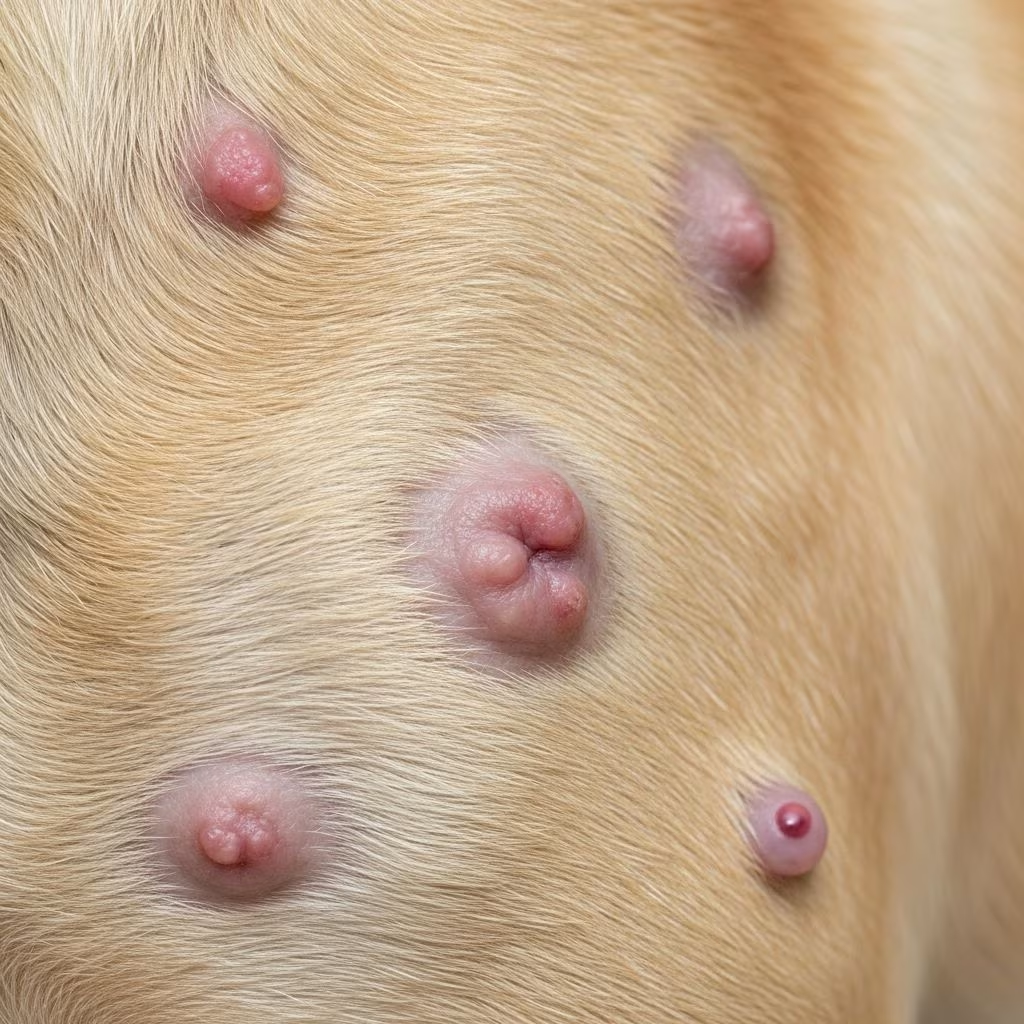
Understanding Lumps, Bumps, and Cysts on Dogs
Finding a lump or bump on your dog can be alarming for any pet owner. However, not all growths are cause for immediate concern. Dogs commonly develop various types of lumps throughout their lives, and many of these growths are benign and pose no health risk. Understanding the different types of lumps, their characteristics, and when to seek veterinary care is essential for maintaining your dog’s health and peace of mind.
Lumps on dogs refer to various kinds of growths, tumors, masses, or cysts that can develop anywhere on or under the skin. While these growths can occur anywhere in the body, the ones most easily seen and felt are located on, in, or just beneath the skin’s surface. Normally, cells that make up tissues, organs, and body systems copy themselves to replace older or damaged cells, with the older or damaged cells undergoing a natural process of cell death. However, sometimes this process becomes abnormal. If cells reproduce without stopping and older cells fail to die, then a lump will form.
Common Benign Lumps and Growths
Lipomas: Fatty Tumors
Lipomas are among the most common benign growths found in dogs, particularly in older and overweight dogs. These soft, fatty tumors develop beneath the skin and grow slowly over time. They typically appear as moveable lumps that feel soft to the touch and can be found anywhere on the body, though they commonly develop on the trunk, legs, and abdomen.
In most cases, no treatment is needed if lipomas are not bothersome to your dog. However, they should be monitored for rapid changes. As lipomas gradually enlarge with time, they may begin to bother your dog if they are located in an area that interferes with motion or causes discomfort. When lipomas start to affect your pet’s quality of life, surgical removal can be considered. It is important to note that lipomas should be carefully monitored over time as they can, in rare cases, transform into cancerous growths called liposarcomas.
Papillomas: Wart-Like Growths
Papillomas, commonly known as warts, are benign growths that appear small, fleshy, and round with a characteristic cauliflower-like texture on the surface. These growths are particularly common in younger dogs and are often caused by a viral infection. Many papillomas will dry up and fall off within a few months as the dog’s immune system matures and builds resistance to the virus.
In most cases, treatment is not necessary, and the growths will resolve on their own. However, severe cases where papillomas make eating or swallowing difficult may require intervention. Treatment options include medications and other methods to stimulate the immune system, such as crushing the warts to encourage the body’s natural healing response.
Follicular Cysts
Follicular cysts are large, benign bumps on the skin that grow from the hair follicle. These cysts are filled with material that may release thick, white, yellow, or brown substance when pressure is applied. As follicular cysts grow larger, they can become itchy or painful for your dog.
Diagnosis of follicular cysts is typically made through physical examination and may be confirmed with microscopic examination of a small sample of cells aspirated with a needle. These cysts may become infected and require antibiotic treatment. If they are growing, become painful, or continue to enlarge, they may be surgically removed. When properly removed, follicular cysts typically do not regrow.
Trichoepitheliomas
Trichoepitheliomas are small, benign lumps that develop from the hair follicles of adult dogs. These cyst-like growths are filled with condensed, yellow, cheesy, granular material. While they can occur anywhere on the body, trichoepitheliomas are especially common on the face and trunk of affected dogs.
Treatment involves surgical removal of the growths. However, it is important for dog owners to understand that even after surgical removal, trichoepitheliomas are likely to continue forming at other locations on the body.
Basal Cell Tumors
Basal cell tumors are benign growths that typically develop on the head, ears, neck, and forelimbs of older dogs. These growths are characteristically raised swellings that are firm, solitary, dome-shaped, and small in size. Some basal cell tumors may be hairless and ulcerated, appearing to stick out like stalks from the skin’s surface. They are typically dark in color and may form cysts that break open and drain fluid or pus.
Surgical removal is the recommended treatment, particularly when the growth causes discomfort to your dog or affects daily activities.
Sebaceous Gland Hyperplasia
Sebaceous gland hyperplasia refers to an overgrowth of the oil-producing glands in the skin. These benign growths are common in older dogs and typically do not require treatment unless they become infected or bothersome. Sebaceous cysts develop when these glands become blocked, creating round, defined lumps under the skin filled with thick, oily substance.
Malignant Tumors and Growths to Monitor
Mast Cell Tumors
Mast cell tumors are malignant growths that can vary greatly in appearance. Most mast cell tumors are red, raised, and either soft or firm to the touch. These tumors release chemicals and compounds such as histamine, which can cause the tumor to grow larger and smaller in a cyclical pattern, similar to an allergic reaction.
Your veterinarian will need to examine a sample of cells from the growth under a microscope to confirm a diagnosis. There is significant variation in how aggressive these tumors are. Surgical removal is necessary for mast cell tumors. If the tumor regrows or spreads, additional treatments, including chemotherapy and radiation therapy, may be used to manage the condition.
Histiocytomas
Histiocytomas are fairly common benign to semi-malignant skin masses in dogs. These growths can vary in appearance but typically present as raised bumps on the skin. Most histiocytomas are not usually a cause for serious concern, though monitoring is recommended.
Epulis: Oral Growths
Epulis refers to growths that develop in the mouth, particularly on the gums. These growths can appear to grow on a stalk of tissue, much like a mushroom, or as an unmoving mass. Many epulis growths have a bony interior, and certain types can invade surrounding bony tissue in the jaw.
Diagnosis of an epulis is made by recognizing its appearance and confirming with a biopsy. An X-ray of your dog’s head will show whether the growth has invaded surrounding tissues. These growths should be removed surgically, along with the adjacent tooth and any bony tissue that may be affected. When the entire tumor is removed completely, epulis growths do not usually regrow. In cases where the growth is inoperable, radiation therapy may help manage the condition.
Perianal Tumors
Perianal tumors develop in the tissues around the anus and are more common in male dogs than females. Almost all male dogs are cured by neutering alone, though large or ulcerated tumors may also require surgical removal. Females improve with surgical removal, but the growths often recur. In cases where surgery involves the anal sphincter, laser surgery or freezing the growth may be necessary to avoid fecal incontinence.
Hemangiosarcomas
Hemangiosarcomas are malignant tumors that typically form on the underside of the trunk, hip, thigh, and lower legs. A biopsy is required for a definitive diagnosis. Freezing and laser surgery can help control smaller surface tumors. Surgical removal is needed for tumors located below the skin’s surface. Chemotherapy may also be recommended to treat any remaining tumor cells and prevent recurrence.
Diagnostic Methods for Lumps and Bumps
Physical Examination
The first step in diagnosing any lump on your dog is a thorough physical examination by your veterinarian. During this examination, your vet will assess the size, shape, texture, color, and location of the growth. They will also evaluate whether the lump is moveable or fixed to underlying tissues, and whether your dog experiences pain when the area is palpated.
Fine Needle Aspiration (FNA)
Fine needle aspiration is a minimally invasive procedure where a small needle is used to collect cells from the lump. These cells are then examined under a microscope to help determine the nature of the growth. This procedure is quick, relatively painless, and provides valuable diagnostic information.
Fluid Cytology
Fluid cytology is most often used for lumps that are filled with fluid. The fluid is analyzed to determine if there are any cells suspended in the fluid that could indicate the type of lump or mass.
Biopsy
A biopsy involves removing a small sample of tissue from the lump for microscopic examination. This procedure provides the most definitive diagnosis and can determine whether a growth is benign or malignant. A biopsy is often recommended when the nature of the growth cannot be determined through other diagnostic methods.
Blood Tests
For some lumps, blood tests can show changes suggestive of a possible tumor. However, a definitive and thorough diagnosis ultimately requires a biopsy or other tissue examination.
Imaging Studies
X-rays and other imaging studies may be recommended to determine if a growth has invaded surrounding tissues or to assess the extent of the condition. These imaging studies are particularly important for oral growths like epulis or when evaluating deeper lumps.
What You Should NOT Do
Don’t Pop a Bump on Your Dog
It is crucial not to attempt to pop or squeeze any bump you discover on your dog. This process could cause significant pain and discomfort to your pet, as well as lead to skin infection. Another serious concern is that popping a bump can cause tumor cells to seed into other areas of the body, potentially creating additional lumps and bumps.
Have all bumps on your dog evaluated by your veterinarian before taking any action at home. Your vet is the best resource for determining the nature of any growth and recommending appropriate treatment options.
When to Seek Immediate Veterinary Care
While many lumps and bumps are benign, certain signs warrant immediate veterinary attention:
– Rapid growth or sudden appearance of new lumps- Lumps that are oozing, inflamed, or bleeding- Growths that are painful or sensitive to touch- Changes in the appearance, size, or color of existing lumps- Lumps that interfere with your dog’s movement, eating, or breathing- Any lump accompanied by signs of illness such as lethargy, loss of appetite, or behavioral changes
Treatment Options and Prognosis
Treatment options for lumps and bumps vary depending on the type of growth, its location, and whether it is benign or malignant. Common treatment approaches include:
– Monitoring: Many benign lumps require only periodic monitoring to ensure they don’t change rapidly or cause discomfort- Surgical removal: Surgical excision is the most common treatment for growths that are bothering your dog or are potentially dangerous- Medications: Antibiotics may be prescribed if a cyst becomes infected- Chemotherapy: This may be recommended for malignant tumors that have spread or recurred- Radiation therapy: This can be used for certain types of malignant growths, particularly when surgery is not an option- Laser surgery or freezing: These techniques can be effective for smaller surface tumors
Prevention and Management
While not all lumps and bumps can be prevented, certain measures may help reduce the risk of developing some types of growths:
– Maintain a healthy weight for your dog to reduce the risk of lipomas- Keep your dog’s skin clean and free from excessive dirt and debris- Monitor your dog regularly for any new lumps or changes to existing growths- Ensure your dog receives regular veterinary check-ups, particularly as they age- Avoid attempting home remedies or treatments without veterinary guidance
Frequently Asked Questions
Q: Are all lumps and bumps on dogs cancerous?
A: No, most lumps and bumps on dogs are benign and not cancerous. However, any new lump should be evaluated by your veterinarian to determine its nature and appropriate management.
Q: How often should I have my dog’s lumps checked by a veterinarian?
A: It is recommended to have any new lump evaluated by your veterinarian promptly. For existing benign lumps, periodic check-ups during regular wellness visits are typically sufficient unless you notice changes.
Q: Can I safely remove a cyst at home?
A: No, you should never attempt to remove or pop a cyst at home. This can lead to infection, pain, and potentially dangerous spreading of cells. Always consult your veterinarian for proper treatment.
Q: What is the difference between a cyst and a tumor?
A: Cysts are hollow spaces filled with fluid or semi-solid material, while tumors are solid growths of abnormal cells. Cysts may be benign, while tumors can be either benign or malignant.
Q: Are senior dogs more prone to developing lumps?
A: Yes, senior dogs are more likely to develop lumps as part of normal aging. Many of these growths are benign, but regular veterinary monitoring is important for early detection of any concerning changes.
References
- Lumps, Bumps, and Cysts on Dogs — PetMD. 2024. https://www.petmd.com/dog/symptoms/lumps-bumps-and-cysts-dogs
- 4 Ways Veterinarians Diagnose Lumps and Bumps on Dogs — PetMD. 2024. https://www.petmd.com/dog/ways-veterinarians-diagnose-lumps-and-bumps-dogs
- Cysts — VCA Animal Hospitals. https://vcahospitals.com/know-your-pet/cysts
- How to Determine If Your Dog’s Lump Is Cancerous — PetMD. 2024. https://www.petmd.com/dog/general-health/how-to-tell-dog-lump-cancerous
- Dog Cysts: Symptoms, Causes & Treatment — Dutch. 2024. https://www.dutch.com/blogs/dogs/dog-cyst
- Histiocytomas in Dogs: Symptoms, Treatment, and More — PetMD. 2024. https://www.petmd.com/dog/conditions/skin/c_dg_histiocytoma



