

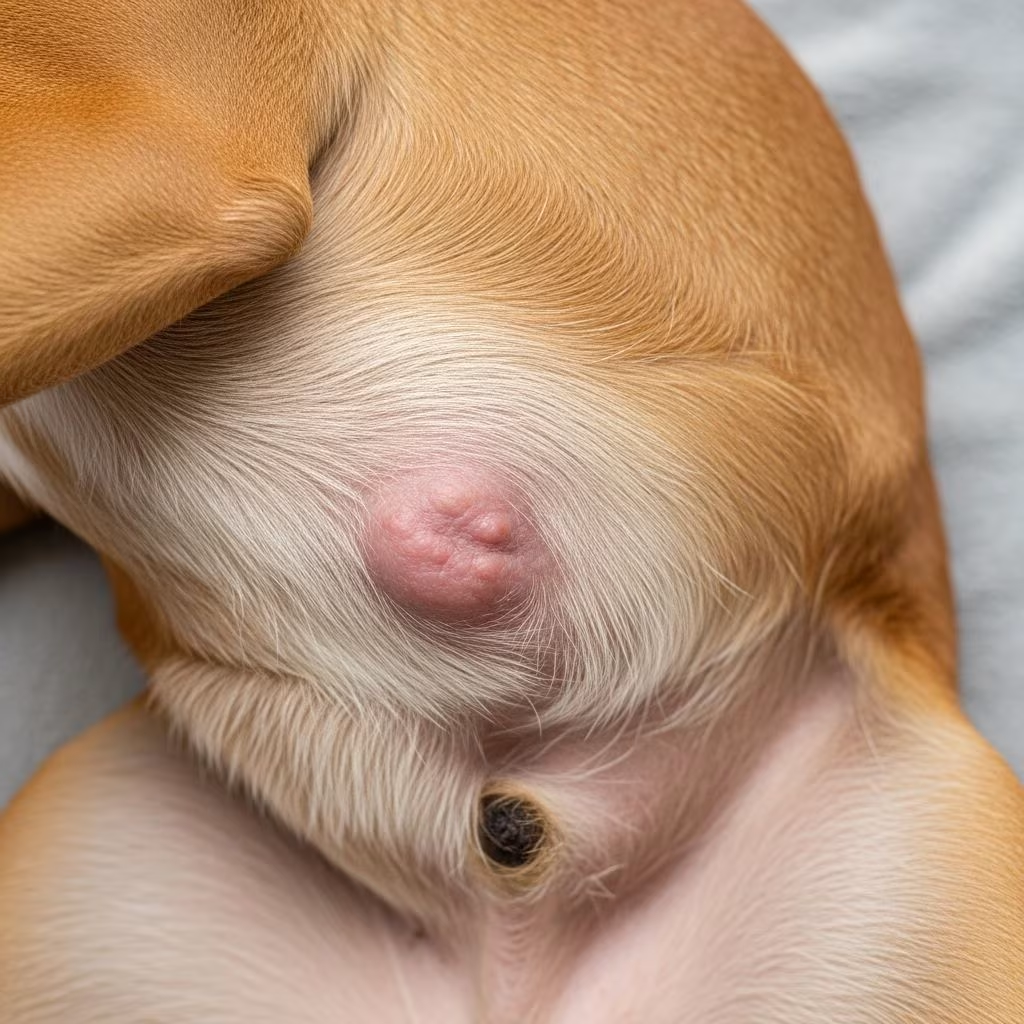
Discovering a lump or unusual swelling on your dog’s belly can spark immediate concern for any pet owner. These abnormalities range from harmless fatty deposits to life-threatening emergencies like gastric dilatation-volvulus (GDV) or internal tumors. Understanding the underlying causes helps determine if monitoring at home suffices or if professional intervention is urgent.
Recognizing Abnormalities on Your Dog’s Abdomen
The abdomen of a healthy dog feels soft and pliable, even in overweight pets. A noticeable lump might appear as a firm nodule under the skin, a soft movable mass, or diffuse swelling making the belly appear distended. Key characteristics include texture (soft vs. hard), mobility (fixed or shifting), size, growth rate, and associated discomfort.
- Soft, movable lumps: Often benign, like lipomas, common in older dogs on the tummy area.
- Hard, fixed masses: May indicate tumors, organ enlargement, or abscesses.
- Diffuse swelling: Suggests fluid buildup (ascites), gas (bloat), or organ issues.
Regular grooming and belly rubs provide opportunities to detect changes early. Note any rapid onset, pain on touch, or changes in shape.
Common Benign Causes of Belly Lumps
Many lumps pose no immediate threat and require only observation. Lipomas, or fatty tumors, top the list for non-cancerous growths. These soft, doughy masses develop from fat cells and frequently appear on the abdomen, chest, or limbs in middle-aged to senior dogs.
| Type | Description | Typical Location | Management |
|---|---|---|---|
| Lipoma | Soft, movable, painless fat deposit | Tummy, trunk | Monitor size; remove if growing |
| Cyst | Fluid-filled sac, may fluctuate | Skin surface | Drain or excise if infected |
| Perianal Adenoma | Small, multiple nodules from glands | Near abdomen/tail | Neutering often resolves |
Insect bites or allergic reactions can cause temporary hives or swelling, resolving within days without treatment. Abscesses from wounds form warm, painful lumps needing drainage.
Serious Conditions Behind Abdominal Swelling
Not all belly issues are superficial. Internal problems can manifest as visible lumps or bloating. GDV, or bloat, strikes suddenly: the stomach fills with gas and twists, creating a hard, drum-like abdomen. Dogs exhibit restlessness, drooling, retching, and collapse—treat as an emergency.
Ascites involves fluid accumulation from heart failure, liver disease, or protein loss, yielding a squishy, wave-like belly on palpation. Coughing or exercise intolerance points to cardiac origins.
- Internal bleeding from ruptured spleen tumors or clotting disorders causes pale gums, weakness, and rapid swelling.
- Organ enlargement (liver/spleen) feels firm, developing gradually with weight loss or lethargy.
- Peritonitis from intestinal rupture leads to rigid abdomen and severe pain.
Tumors and Cancerous Growths
In older dogs, masses may signal neoplasia. Mast cell tumors present as firm lumps, while gastric carcinoma causes vomiting and weight loss with abdominal distension. Digestive masses provoke bloody stools, appetite loss, or straining.
Cushing’s syndrome (hyperadrenocorticism) mimics a potbelly via muscle weakness, alongside thirst, hunger, and hair loss. Pyometra in unspayed females creates uterine swelling and discharge.
Key Symptoms Requiring Immediate Attention
Isolate worrisome signs from normal variations like post-meal bloating.
- Lethargy, appetite loss, or behavioral changes.
- Vomiting, diarrhea (especially bloody), or unproductive retching.
- Pale gums, rapid breathing, or collapse.
- Rapid growth, pain, ulceration, or fixation of the lump.
- Excessive thirst, urination, or pot-bellied appearance.
Obesity or pregnancy can swell the belly harmlessly, but hernias or parasites warrant checks.
Veterinary Diagnostic Approaches
Never self-diagnose. Vets start with physical exams, feeling for organ size or fluid waves. Blood tests assess infection, clotting, or organ function. Imaging like ultrasound reveals masses, fluid, or twists; X-rays confirm GDV.
Fine-needle aspirates sample cells from lumps; biopsies confirm tumors. For ascites, fluid analysis identifies causes.
Treatment Options for Abdominal Lumps
Benign lipomas may just be watched, surgically removed if interfering. Abscesses require antibiotics and lancing. GDV demands emergency surgery to untwist and gastropexy.
Ascites treatment targets roots: diuretics for heart failure, diet for liver issues. Tumors might need excision, chemo, or palliative care. Cushing’s responds to medications curbing adrenal overproduction.
Preventive Measures and Home Monitoring
Feed large breeds smaller, frequent meals from elevated bowls to cut GDV risk. Spay females to prevent pyometra. Maintain ideal weight, regular check-ups, and parasite control.
Weekly belly inspections track changes. Use a journal for size, symptoms, and photos.
FAQs
Is a soft lump on my dog’s stomach always a lipoma?
No, though common. Vets differentiate via exam and cytology to rule out malignancy.
How quickly does bloat develop in dogs?
Within hours; hardness and distress signal urgency—rush to an ER vet.
Can lumps on a puppy’s belly be serious?
Yes, hernias or infections occur; early vet evaluation prevents complications.
Should I squeeze a lump on my dog’s belly?
Never—it risks rupture or spread. Professional assessment is essential.
What breeds are prone to abdominal tumors?
Large, deep-chested like Great Danes for GDV; older Labs/Goldens for lipomas.
References
- Dog Swollen Abdomen: Causes and Symptoms — Veteris. 2023. https://veteris.co.uk/petcare-advice/dog-swollen-abdomen-causes-and-symptoms
- Lumps, Bumps, and Cysts on Dogs — PetMD. 2024-06-15. https://www.petmd.com/dog/symptoms/lumps-bumps-and-cysts-dogs
- Why Does My Dog Have a Swollen Stomach? — VEG ER for Pets. 2023. https://www.veg.com/post/dog-swollen-stomach
- Gastric Carcinoma: Common Stomach Tumor in Dogs — We Are The Cure. 2023. https://wearethecure.org/gastric-carcinoma-stomach-cancer-is-a-very-common-cancer-in-dogs/
- Fatty Tumor (Lipoma) in Dogs — West Gate Veterinary Hospital. 2024-06-15. https://www.westgatevet.com/site/blog/2024/06/15/lipomas-dog



