

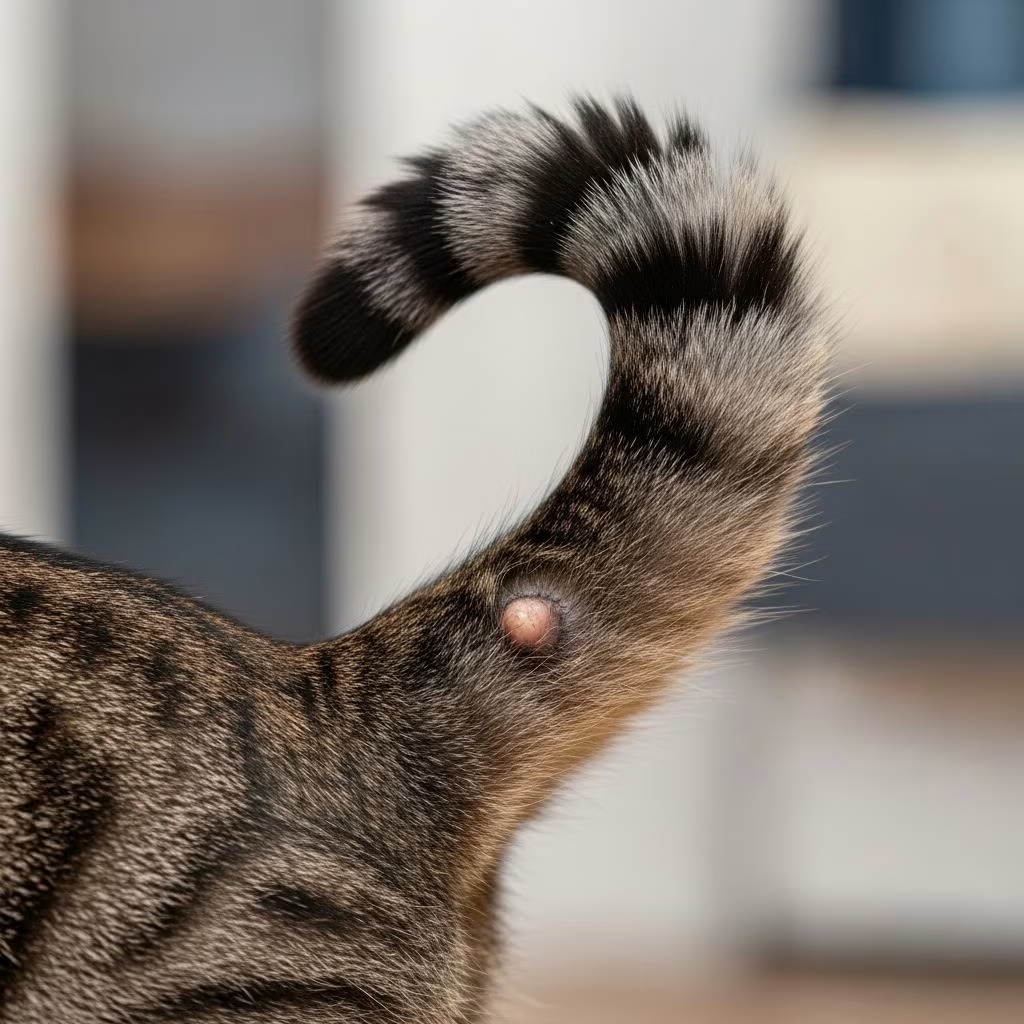
What to Do About a Lump on Your Cat’s Tail
Finding a lump or bump on your cat’s tail can be concerning for any pet owner. While not all lumps are serious, understanding what they are, what causes them, and when to seek veterinary care is essential for maintaining your feline friend’s health and comfort. This comprehensive guide will help you navigate the various possibilities and determine the best course of action for your cat.
Understanding Lumps and Bumps on Cats’ Tails
Lumps and bumps on a cat’s tail can vary significantly in appearance, texture, and underlying cause. Some may be small and stationary, while others might grow rapidly or cause visible discomfort. The tail is a particularly sensitive area for cats, as it contains numerous nerve endings and is frequently used for balance and communication. Any abnormality in this region warrants attention and proper evaluation.
A lump can range from a small nodule barely noticeable under the fur to a significantly enlarged mass that’s immediately apparent. Some lumps may feel soft and moveable, while others are firm and fixed in place. Understanding these characteristics can help you provide valuable information to your veterinarian during examination.
Common Causes of Tail Lumps in Cats
Several conditions can result in the development of lumps on your cat’s tail. Identifying the potential cause can help you understand the urgency of veterinary care needed.
Abscesses from Bites or Scratches
One of the most frequent causes of lumps on a cat’s tail is an abscess resulting from bite wounds or scratches. If your cat has been in altercations with other cats or animals, an abscess may develop at the site of injury. These are swollen, pus-filled areas that typically appear red and feel warm to the touch. Your cat may exhibit signs of discomfort when the area is handled, and you might notice behavioral changes such as increased lethargy or reduced appetite. An abscess requires prompt veterinary attention, as infection can spread if left untreated.
Stud Tail (Tail Gland Hyperplasia)
Stud tail, medically known as tail gland hyperplasia, is an enlargement of the oil glands located near the base of the tail. This condition is caused by an excess of androgen sex hormones, including testosterone. While intact males are most commonly affected, stud tail can occur in any cat, including spayed and neutered individuals. Poor grooming practices, often linked to obesity, orthopedic issues, stress, or underlying illnesses, can contribute to or exacerbate this condition. The enlarged glands compress hair follicles and produce excess oil, leading to hair loss, greasy fur, and scaly skin.
Lipomas (Fatty Tumors)
Fatty tumors, known as lipomas, are benign growths composed of fatty tissue. These lumps are non-cancerous and typically grow slowly. They’re more commonly observed in older cats or those carrying excess weight. Lipomas usually don’t require removal unless they interfere with your cat’s movement or cause discomfort. However, your veterinarian should examine any new lump to confirm its benign nature.
Cysts
Various types of cysts can develop on a cat’s skin, including epidermoid cysts and other benign formations. These fluid-filled or keratin-filled sacs may remain stable for years or occasionally rupture. Some cysts expand over time or may be subject to self-trauma if your cat licks or chews at them excessively.
Insect Bites and Allergic Reactions
Bumps can result from insect bites, including those from mosquitoes, bees, wasps, spiders, and ants. Additionally, allergic reactions to food, medications, or environmental factors can cause lumps and swelling. Cats with flea allergies may develop particularly severe reactions, resulting in bumps, rashes, or sores at bite sites.
Parasites and Skin Infections
Parasites such as ticks or cuterebra larvae can create visible bumps on your cat’s tail. Fungal infections like ringworm and parasitic conditions such as mange can also result in lumps or bumpy skin texture. Additionally, bacterial infections may cause localized swelling and inflammation.
Skin Tags and Benign Growths
Skin tags, warts, and other benign skin growths can develop on various parts of a cat’s body, including the tail. These are typically harmless but should still be evaluated by a veterinarian to rule out more serious conditions.
When to Seek Veterinary Care
Not every lump requires immediate emergency care, but certain signs indicate that prompt veterinary evaluation is necessary. Understanding these warning signs helps you determine the appropriate urgency level for your cat’s situation.
Seek Immediate Veterinary Care If:
Contact your veterinarian right away if your cat’s lump exhibits any of the following characteristics:
- Rapid growth or sudden appearance overnight
- Signs of pain or sensitivity when touched
- Discharge, bleeding, or oozing from the lump
- Redness, swelling, or warmth around the area
- Your cat exhibits fever, lethargy, loss of appetite, or difficulty breathing
- Signs of infection such as pus or a foul odor
- Your cat is engaged in excessive licking or chewing that causes self-trauma
Schedule a Routine Appointment If:
Contact your veterinarian for a regular appointment if:
- The lump has been present for more than a few days without resolution
- The lump continues to grow slowly over time
- You’re uncertain about the cause or nature of the lump
- Your cat is a senior or has a history of cancer or other health conditions
- Multiple lumps appear in different locations
Diagnostic Process at the Veterinary Clinic
When you bring your cat to the veterinarian for evaluation of a tail lump, the veterinary team will conduct a thorough examination to determine the underlying cause and appropriate treatment plan.
Physical Examination
Your veterinarian will begin by carefully palpating the lump, assessing its size, shape, texture, mobility, and sensitivity. They’ll also examine the surrounding skin and hair for signs of infection, inflammation, or other abnormalities. This hands-on evaluation provides valuable initial information about the lump’s nature.
Needle Aspiration Biopsy
One of the most common diagnostic tools is needle aspiration cytology. Your veterinarian will insert a thin needle into the lump to obtain a sample of cells or fluid, which is then placed on a microscope slide for evaluation by a pathologist. This relatively non-invasive procedure can help differentiate between benign and malignant growths, identify infections, or reveal the nature of cystic material. Needle aspiration is particularly useful for distinguishing between lipomas and other types of tumors.
Bacterial Culture
If infection is suspected, your veterinarian may obtain a bacterial culture from the affected area. This test identifies the specific type of bacteria present, allowing for targeted antibiotic selection based on culture and sensitivity results rather than broad-spectrum antibiotics.
Additional Diagnostic Tests
Depending on your cat’s symptoms and the veterinarian’s initial findings, additional tests might include:
- Fungal culture to rule out ringworm or other fungal infections
- Flea combing and examination to identify parasites
- Skin scrapings to diagnose mange or other parasitic conditions
- Fine-needle aspiration for cytology to examine cell types under a microscope
Treatment Options for Tail Lumps
Treatment recommendations depend entirely on the diagnosis and your cat’s individual circumstances. Your veterinarian will develop a customized treatment plan based on the lump’s nature and your cat’s overall health status.
Conservative Management
For stable, benign lumps such as lipomas that aren’t causing discomfort or interfering with movement, your veterinarian may recommend a wait-and-see approach. Regular monitoring ensures the lump doesn’t change unexpectedly, and you can observe for any development of concerning symptoms.
Topical Treatments
For conditions like stud tail or mild skin irritation, topical therapies may be effective. These include degreasing shampoos, benzoyl peroxide preparations, salicylic acid-based products, and other medicated ointments. Regular bathing with appropriate products helps manage the condition and prevent secondary infections.
Antibiotics
If bacterial infection is present, your veterinarian will prescribe antibiotics. Ideally, antibiotic selection is based on culture and sensitivity results to ensure the most effective medication. It’s crucial to complete the entire antibiotic course as prescribed, even if symptoms improve, to prevent antibiotic resistance.
Anti-Inflammatory Medications
Pain and swelling can be managed with anti-inflammatory medications such as prednisone. These medications reduce the body’s inflammatory response, alleviating discomfort and reducing lump size in certain conditions, particularly those involving allergic reactions.
Surgical Removal
Surgical removal may be recommended if the lump is rapidly growing, causing pain, interfering with movement, or suspected to be malignant. Your veterinarian will discuss the surgical approach, potential risks, and post-operative care requirements. In severe cases involving malignant tumors or when conservative treatment fails, tail amputation might be necessary, though this is relatively uncommon.
Chemotherapy and Radiation
For malignant tumors, your veterinarian may recommend chemotherapy and/or radiation therapy in addition to surgical removal. These treatments help prevent cancer spread and improve outcomes, particularly for locally invasive tumors.
Dietary Modifications
If allergic reactions are suspected, your veterinarian may recommend an elimination diet to identify food allergens. This specialized diet excludes common allergens, helping determine which ingredients trigger your cat’s reaction. Additionally, weight loss management may be recommended for overweight cats, as obesity can contribute to poor grooming and conditions like stud tail.
Environmental and Behavioral Management
Stress reduction, provision of enrichment, and management of underlying health conditions can help your cat resume normal grooming behavior and prevent complication. Pain management with appropriate medications ensures your cat remains comfortable during treatment.
Distinguishing Benign from Malignant Lumps
While some characteristics suggest a benign lump, others raise concern for malignancy. Benign lumps typically grow slowly or remain stable, have well-defined borders, don’t cause systemic symptoms, and respond well to treatment. Concerning features include rapid growth, poorly defined borders, ulceration, bleeding, discharge, pain, and accompanying systemic symptoms such as lethargy or weight loss.
However, appearance alone cannot definitively determine whether a lump is benign or malignant. Professional veterinary evaluation and diagnostic testing are essential for accurate diagnosis. Stable lumps identified as benign through needle aspiration can often be safely monitored without immediate intervention.
Post-Diagnosis Care and Monitoring
After your veterinarian has diagnosed your cat’s tail lump and initiated treatment, proper follow-up care is essential for optimal outcomes.
Medication Administration
If prescribed antibiotics, anti-inflammatory medications, or other drugs, administer them exactly as directed. Complete the entire course of antibiotics even if symptoms resolve, as premature discontinuation can lead to treatment failure and antibiotic resistance.
Wound Care
If your cat has undergone surgery or has an open abscess, follow your veterinarian’s wound care instructions carefully. This may include bandage changes, cleaning with prescribed solutions, or application of topical medications. An Elizabethan collar (e-collar) may be necessary to prevent your cat from licking or chewing at the wound.
Activity Restriction
Your veterinarian may recommend limiting your cat’s activity during healing, especially following surgical procedures. Restricting jumping, running, and rough play allows proper wound healing and prevents complications.
Regular Follow-Up Examinations
Schedule follow-up appointments as recommended by your veterinarian to monitor healing progress and assess treatment effectiveness. These visits allow for early detection of any complications or changes requiring adjusted treatment.
Frequently Asked Questions
Q: Is every lump on a cat’s tail cancerous?
A: No. Most lumps on cats’ tails are benign. Common causes include abscesses, lipomas, cysts, and stud tail. While cancer is a possibility, many lumps are benign and treatable with conservative management.
Q: How quickly should I see a vet about a tail lump?
A: If the lump shows signs of infection, rapid growth, causes pain, or has discharge, seek immediate veterinary care. Otherwise, schedule an appointment within a few days if the lump persists or continues growing.
Q: Can I treat my cat’s tail lump at home?
A: While some lumps related to minor irritation might resolve with home care, most lumps require professional veterinary evaluation and diagnosis. Attempting home treatment without knowing the lump’s cause could delay necessary care.
Q: Will my cat’s lump return after treatment?
A: This depends on the cause. Abscesses typically resolve completely with antibiotic treatment. Lipomas may return if not surgically removed. Some cats prone to recurrent infections or lumps may require ongoing management.
Q: What can I do to prevent lumps on my cat’s tail?
A: Maintain your cat’s healthy weight, provide regular grooming, keep them stress-free, prevent injuries through safe housing, ensure current parasite and flea prevention, and schedule regular veterinary check-ups for early detection of health issues.
Q: Is tail amputation necessary for cats with tail lumps?
A: Tail amputation is rarely necessary and is typically considered only in severe cases involving extensive malignant tumors or when conservative treatment has failed. Your veterinarian will discuss all available options before recommending such an approach.
References
- Stud Tail (Tail Gland Hyperplasia) in Cats — VCA Animal Hospitals. Accessed November 2025. https://vcahospitals.com/know-your-pet/stud-tail-tail-gland-hyperplasia-in-cats
- Cat Skin Lumps, Bumps, and Cysts — PetMD. Accessed November 2025. https://www.petmd.com/cat/symptoms/cat-skin-lumps-bumps-and-cysts
- Tumors of the Skin in Cats — Merck Veterinary Manual. Accessed November 2025. https://www.merckvetmanual.com/cat-owners/skin-disorders-of-cats/tumors-of-the-skin-in-cats
- Lumps and Bumps on Cats: What They Are and When to Worry — Lone Tree Veterinary Hospital. Accessed November 2025. https://www.lonetreevet.com/blog/lumps-and-bumps-on-pets-what-are-they-and-when-to-worry/
- Lumps and Bumps on Cats — Cats Protection. Accessed November 2025. https://www.cats.org.uk/help-and-advice/health/lumps-and-bumps-on-cats



