

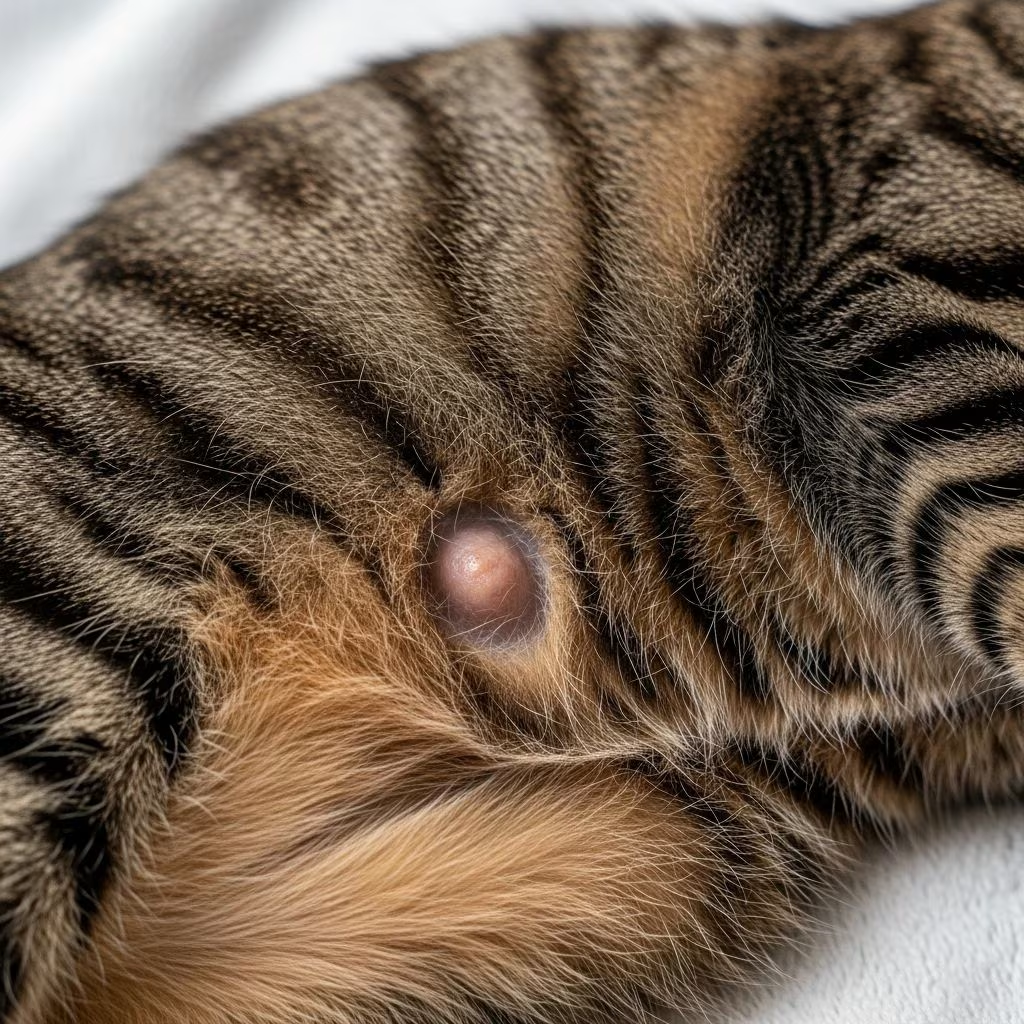
What Is This Lump on My Cat’s Abdomen?
Discovering a lump on your cat’s abdomen can be alarming for any pet owner. While some abdominal lumps are benign and harmless, others may indicate a more serious underlying health condition requiring prompt veterinary attention. Understanding the potential causes of abdominal lumps and knowing when to seek professional help can help you provide the best care for your feline companion.
Common Benign Causes of Abdominal Lumps
Lipomas: Fatty Tumors
One of the most common types of abdominal lumps in cats is a lipoma, which is a benign fatty tumor that develops under the skin. Lipomas are noncancerous growths composed of fatty tissue and are particularly prevalent in older cats and those that may be overweight. These soft, easily-manipulated lumps typically develop slowly over time and are often oval or round in shape.
Lipomas can appear on various parts of the body, including the chest, neck, upper legs, and abdomen. While these benign tumors usually do not cause discomfort or pain to your cat, they can occasionally grow quite large. The surrounding skin should maintain the same temperature as the rest of your cat’s body and should be free of lesions or other abnormalities. Although lipomas rarely occur in cats compared to other species, if they become extremely large, they can potentially affect blood supply to the surrounding area, though this is uncommon.
Obesity and Weight Gain
Excessive weight gain is among the simplest explanations for abdominal enlargement in cats. When cats consume more calories than they expend through activity, the excess energy is stored as fat throughout the body, including the abdomen. This results in a noticeably rounder or pot-bellied appearance. In cats, obesity can sometimes be indicative of an underlying hormonal imbalance, making it important to discuss weight concerns with your veterinarian.
Intestinal Parasites
Intestinal parasites, particularly roundworms and tapeworms, are common culprits behind abdominal swelling, especially in kittens. Large numbers of worms in the intestine can cause distension of the abdomen, giving your pet a characteristic pot-bellied appearance. Cats with parasitic infections may also display symptoms including vomiting, diarrhea, and weight loss. Routine deworming and regular fecal examinations are the most effective preventative measures and can quickly resolve this issue through appropriate treatment.
Inflammatory and Infectious Causes
Abscesses
Abscesses are among the most common causes of lumps in cats and typically develop as a result of bites or scratches sustained during fights with other animals. An abscess is essentially a pocket of pus that forms when the body attempts to fight off an infection. These lumps can develop remarkably quickly, sometimes within just a few hours, and typically feel warm to the touch. Associated symptoms may include fever, lethargy, and reduced appetite. Your veterinarian can treat abscesses through drainage and appropriate antibiotic therapy.
Fungal Infections
While fungal infections most commonly affect a cat’s lungs, some fungal conditions can cause lumps to develop under the skin, with or without a draining tract of infection visible on the skin’s surface. These infections require antifungal medications prescribed by your veterinarian, and treatment may need to be continued long-term to ensure complete resolution of the fungal infection.
Feline Infectious Peritonitis (FIP)
Feline Infectious Peritonitis is a serious viral disease that can cause fluid accumulation in the abdomen, resulting in abdominal distension and the development of lumps or masses. FIP exists in two forms, with the “dry form” presenting with characteristics such as affecting younger cats, causing persistent fever, and showing a longer course of illness. Unfortunately, FIP is often fatal, though there is no cure. Cats with FIP may experience additional symptoms including fever, weight loss, and breathing difficulties. While treatment focuses on managing symptoms to keep your cat comfortable, prompt veterinary evaluation is essential for any suspected cases.
More Serious Conditions
Organ Enlargement
Enlargement of abdominal organs such as the liver, spleen, or kidneys can cause noticeable increases in belly size and the formation of palpable lumps. Organ enlargement often signals underlying illness such as infectious disease, inflammation, tumors (both cancerous and noncancerous), and other serious conditions. Cats with organ enlargement may display symptoms including lethargy, weight loss, vomiting, or changes in eating habits. Your veterinarian can use imaging techniques such as X-rays or ultrasound to evaluate internal organs and determine whether an enlargement is present.
Heart Disease
Heart failure can result in enlargement of the liver and cause free fluid to accumulate in the abdomen, resulting in noticeable abdominal swelling or lumps. This condition requires comprehensive cardiac evaluation and management under veterinary supervision.
Tumors and Cancer
Tumors and cancers affecting abdominal organs often result in abdominal enlargement and the formation of palpable lumps. Abdominal lymphoma is one of the most common cancers in cats, though there is no way to determine with certainty just by feeling an abdominal mass whether it is cancerous or benign. Mammary adenocarcinoma (breast cancer) is another common subcutaneous malignancy, particularly in intact female cats and females who experienced at least one heat cycle prior to being spayed. Early detection through regular physical examinations and prompt veterinary evaluation of any new lumps is crucial for better treatment outcomes.
Fluid Accumulation (Ascites)
Fluid buildup in the abdomen, a condition known as ascites, can cause the belly to appear significantly larger and may have a fluid-like consistency with a sagging appearance. This serious condition is often indicative of underlying problems such as heart disease, liver problems, or cancer. Free fluid in the abdomen can be associated with trauma, surgery, bleeding disorders, and certain types of tumors, while effusions can develop due to liver disease, heart disease, low blood proteins, abdominal tumors, and inflammation of the abdominal lining. Any suspected fluid accumulation warrants immediate veterinary evaluation.
Diagnostic Approaches Your Veterinarian May Use
When you bring your cat in for evaluation of an abdominal lump, your veterinarian will perform a thorough physical examination. They may order blood work to assess liver function, checking for abnormally high levels of liver-related enzymes such as alanine aminotransferase (ALT), alkaline phosphatase (ALP), and gamma glutamyltransferase (GGT), which could signal underlying liver disease. Low levels of albumin, a blood protein, can indicate that fluid is accumulating in the abdomen and may explain abdominal distension, as albumin can be lost through the gastrointestinal tract due to inflammatory bowel disease or severe intestinal illness, or through the urine with kidney disease.
Imaging studies such as X-rays and ultrasound are commonly used to visualize internal organs and determine whether an enlargement is present. These diagnostic tools help your veterinarian identify the specific cause of the abdominal lump so that appropriate treatment can be recommended.
When to Contact Your Veterinarian
You should schedule a veterinary appointment as soon as possible if you notice any of the following:
– A new lump or mass on your cat’s abdomen- Rapid or sudden enlargement of the abdomen- Abdominal swelling that appears to have a fluid-like consistency- Your cat displaying additional signs of illness such as lethargy, weight loss, vomiting, or changes in appetite- Any lumps that feel warm to the touch or appear reddened
– Signs of pain or discomfort when the abdomen is touched- Fever or other systemic symptoms- Difficulty breathing or breathing changes
Diagnostic Considerations
It’s important to understand that many types of subcutaneous lumps are not a threat to your cat’s overall health, but some are serious and require prompt attention. There may be no additional clinical signs associated with a subcutaneous lump, but in some cases, cats may experience localized pain, swelling, redness, excessive licking, rash, or oozing of the skin overlying the affected area. These signs warrant veterinary evaluation to determine the underlying cause and appropriate treatment.
Treatment Options Based on Cause
Treatment for abdominal lumps varies significantly depending on the underlying cause. For benign conditions like lipomas, monitoring may be sufficient if the lump is not causing discomfort or interfering with your cat’s quality of life. However, if the lipoma becomes very large or affects mobility, surgical removal may be recommended.
Parasitic infections are typically treated with deworming medications, while abscesses may require drainage and antibiotics. Allergic reactions and inflammatory conditions may be managed with medications to address the underlying cause. More serious conditions such as tumors, heart disease, or organ enlargement will require more comprehensive and often ongoing treatment plans tailored to your cat’s specific diagnosis.
Prevention and Monitoring
Regular physical examinations of your cat can help you detect lumps early. During these examinations, gently palpate your cat’s body, including the abdomen, to become familiar with what feels normal. This allows you to notice any new lumps or changes more quickly.
Maintaining a healthy weight through appropriate diet and exercise can help prevent obesity-related abdominal enlargement. Keeping your cat’s vaccinations current and implementing a regular parasite prevention program can protect against infectious diseases and parasitic infections. Additionally, keeping your cat indoors or supervising outdoor time can reduce the risk of fights that lead to abscesses.
Frequently Asked Questions
Q: Does a lump on my cat’s abdomen always indicate cancer?
A: No, many abdominal lumps are benign and not cancerous. Common benign causes include lipomas (fatty tumors), abscesses, and parasites. However, only a veterinarian can determine the cause through proper examination and diagnostic testing.
Q: How quickly can abdominal lumps develop in cats?
A: The development speed varies depending on the cause. Some conditions like abscesses can develop within hours, while others like lipomas develop slowly over time. Rapid onset of swelling warrants prompt veterinary evaluation.
Q: What should I do if I find a lump on my cat’s abdomen?
A: Schedule a veterinary appointment as soon as possible. Your veterinarian can perform a physical examination and recommend appropriate diagnostic testing to determine the cause and necessary treatment.
Q: Are abdominal lumps in older cats more common?
A: Yes, certain conditions like lipomas are more common in older cats. Additionally, the risk of serious conditions like tumors and organ disease increases with age, making regular veterinary check-ups especially important for senior cats.
Q: Can I treat my cat’s abdominal lump at home?
A: No. Abdominal lumps require professional veterinary evaluation to determine the cause. Attempting home treatment could delay diagnosis of a serious condition and allow it to progress.
Q: What imaging is typically used to diagnose abdominal lumps?
A: Ultrasound and X-rays are the most common imaging modalities used to evaluate abdominal lumps, as they allow veterinarians to visualize internal organs and structures in detail.
References
- Testing for Abdominal Enlargement in Cats — VCA Animal Hospitals. 2024. https://vcahospitals.com/know-your-pet/testing-for-abdominal-enlargement-in-cats
- Cat Swollen Belly: What Could a Swollen Belly Mean? — Lagniapppe Animal Health. 2024. https://lagniappeanimalhealth.com/blog/cat-swollen-belly/
- Cat Stomach & Belly Lumps: Not Always Cancer — Walkerville Vet. 2024. https://www.walkervillevet.com.au/blog/cat-abdominal-mass/
- Lipoma In Cats: Symptoms And Treatments — VRA Veterinary Hospital. 2022. https://www.vravet.com/site/blog/2022/03/30/lipoma-in-cats-symptoms-and-treatments
- Lumps on Cats: How Veterinarians Diagnose Lumps and Bumps — PetMD. 2024. https://www.petmd.com/cat/general-health/lumps-on-cats-how-veterinarians-diagnose-lumps-bumps-on-cats
- Subcutaneous Lumps in Cats – Causes, Treatment and Prevention — Vetster. 2024. https://vetster.com/en/symptoms/cat/subcutaneous-lumps-in-cats
- A Large Lump Appeared On My Cat Overnight, What Do I Do? — Cheyenne Pets. 2024. https://cheyennepets.com/blog/a-large-lump-appeared-on-my-cat-overnight-what-do-i-do/



