

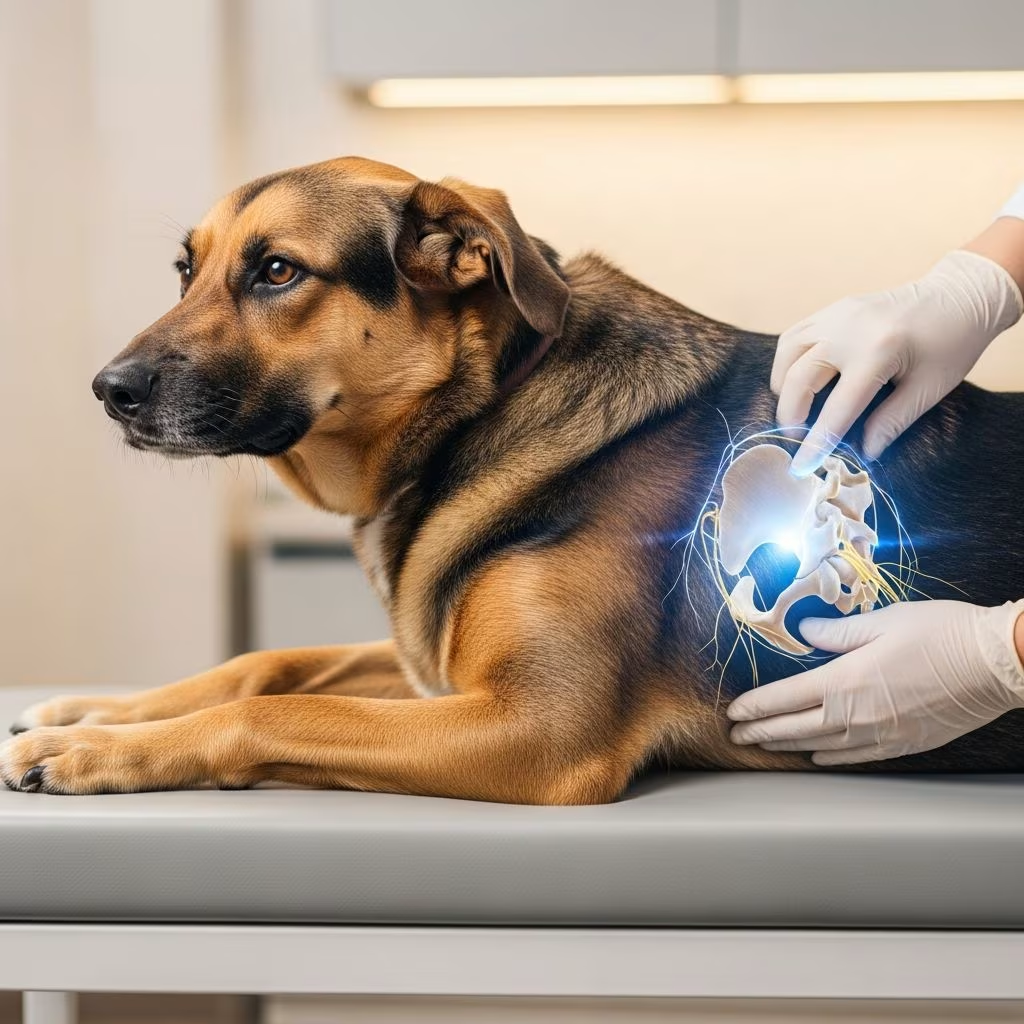
Understanding Lumbosacral Syndrome in Dogs
Lumbosacral syndrome, also known as cauda equina syndrome, is a degenerative condition affecting the lumbosacral region of a dog’s spine—the area where the last lumbar vertebra meets the sacrum. This condition involves compression of the nerve roots in the cauda equina, the bundle of spinal nerves located at the end of the spinal cord. The lumbosacral junction is a critical area that bears significant weight and experiences considerable stress during normal movement, making it particularly susceptible to degenerative changes and injury.
This syndrome represents one of the most common spinal disorders in dogs, particularly affecting middle-aged and older canines. The condition can develop gradually over time or may be triggered by acute trauma. Understanding the nature of this condition is essential for dog owners to recognize early signs and seek appropriate veterinary intervention, as timely treatment significantly improves outcomes and quality of life.
Causes of Lumbosacral Syndrome
Lumbosacral syndrome in dogs develops through several interconnected pathological mechanisms. The primary causes include intervertebral disc disease, where the disc between vertebrae degenerates or ruptures, placing pressure on the spinal cord and nerve roots. Degenerative joint disease or arthritis in the lumbosacral joint can lead to bone spur formation and joint instability, further compromising the space available for the nerves.
Ligamentous hypertrophy, an abnormal thickening of the ligaments surrounding the spinal canal, can contribute to narrowing of the spinal canal. Vertebral instability, where excessive movement occurs between vertebrae, may develop over time due to wear and tear. Additionally, trauma, congenital abnormalities, or previous spinal injuries can predispose dogs to developing this condition. Certain breeds appear to have increased susceptibility, though the syndrome affects dogs of all breeds and sizes.
Recognizing Symptoms of Lumbosacral Syndrome
Dogs with lumbosacral syndrome typically exhibit a range of clinical signs that vary in severity depending on the degree of nerve compression and the duration of the condition.
Early Signs and Progressive Symptoms
The initial manifestations often include reluctance to jump, climb stairs, or engage in normal physical activities. Dogs may display lameness or limping in the hind legs, with some showing an abnormal gait characterized by incoordination. Pain is a predominant feature, which owners may notice as their dog becoming less active, reluctant to exercise, or showing signs of discomfort when rising from rest.
As the condition progresses, dogs may experience weakness in the hind limbs, difficulty rising after lying down, or hesitation before jumping into vehicles. Some dogs may exhibit behavioral changes, including increased irritability or reluctance to be touched in the lower back region. In more severe cases, dogs may develop neurological deficits including partial or complete paralysis of the hind legs.
Advanced Clinical Signs
Severely affected dogs may present with loss of bladder or bowel control, representing significant compression of the nerve roots responsible for continence. Some dogs display a characteristic hunched posture with an arched back. Trembling or pain-related anxiety may occur, and in extreme cases, complete paralysis of the rear limbs can develop, severely limiting the dog’s mobility and quality of life.
Diagnosis of Lumbosacral Syndrome
Accurate diagnosis of lumbosacral syndrome requires a systematic approach combining physical examination, imaging studies, and neurological assessment.
Physical and Neurological Examination
Your veterinarian will conduct a thorough physical examination, palpating the spine to identify areas of pain or abnormality. The neurological examination assesses reflexes, proprioception, and motor function to evaluate the degree of nerve involvement. Specific tests may reproduce pain or elicit typical responses that raise suspicion for lumbosacral disease.
Imaging Studies
Standard radiographs (X-rays) of the lumbosacral region can reveal degenerative changes, bone spurs, or signs of instability. However, definitive diagnosis typically requires advanced imaging. Computed tomography (CT) scanning provides detailed images of bone structures and can identify disc bulges, bone abnormalities, and canal narrowing. Magnetic resonance imaging (MRI) is considered the gold standard for diagnosis, offering superior soft tissue visualization and clearly demonstrating disc herniation, ligamentous involvement, and the extent of spinal cord and nerve root compression.
Treatment Options for Lumbosacral Syndrome
Treatment approaches for lumbosacral syndrome depend on the severity and duration of clinical signs, the degree of neurological involvement, and owner preferences regarding cost and intervention level. Successful management may involve conservative approaches or surgical intervention, with many dogs benefiting from a combination of strategies.
Conservative Medical Management
Rest and Activity Modification: Strict rest is essential for managing acute flare-ups and is foundational to conservative treatment success. Cage rest is preferred, restricting the dog to a small, confined space that prevents jumping, running, or stair climbing. Even after initial recovery, long-term activity modification remains crucial, with dogs requiring regular but controlled exercise rather than unrestricted activity. High-impact activities should be permanently avoided.
Medications: Anti-inflammatory drugs such as meloxicam (marketed as Metacam) reduce inflammation and pain associated with the condition. Pain relievers including gabapentin provide additional pain control and may improve clinical signs. In some cases, corticosteroids may be prescribed for their anti-inflammatory properties. The combination of medications often provides better pain control than any single agent alone.
Weight Management: If your dog is overweight, weight reduction becomes an important priority, as excessive body weight exacerbates stress on the lumbosacral region and complicates recovery. Your veterinarian can recommend appropriate diet modifications featuring adequate protein, fiber, and omega-3 fatty acids to support healing while facilitating healthy weight loss.
Epidural Steroid Injections: When pain persists despite initial conservative measures, epidural steroid injections administered directly into the lumbosacral space offer targeted anti-inflammatory relief. A course typically consists of three to five injections spaced at specific intervals (commonly at days 1, 14, and 45), as a single injection is rarely sufficient for lasting results. This approach has demonstrated efficacy in approximately 80% of dogs presenting with pain as the primary symptom. Repeat injections may be necessary as medication effects diminish, with booster injections typically administered after three to nine months.
Physical Rehabilitation Therapies: Modern veterinary rehabilitation offers multiple therapeutic modalities that strengthen supporting muscles and improve overall function:
- Physiotherapy and hydrotherapy improve strength and coordination while minimizing stress on the spine
- Laser therapy reduces pain and may enhance tissue healing
- Acupuncture provides pain relief and improves mobility in many dogs
- Manual therapy and massage address muscle tension and compensatory pain patterns
- Shockwave therapy benefits facet joint pain associated with lumbosacral disease
- Stretching exercises and controlled movement enhance flexibility
Conservative management achieves good outcomes in approximately 50% of dogs, though relapses are possible and ongoing management may be necessary.
Surgical Intervention
Surgery becomes necessary when conservative management fails to provide adequate relief, recurrent pain develops, or neurological deficits such as weakness or paralysis emerge.
Dorsal Laminectomy
This is the most common surgical procedure for lumbosacral syndrome. The surgery involves removing a portion of the bone covering the spinal canal, thereby decompressing the nerve roots and relieving pressure on the spinal cord. This technique is particularly effective for addressing disc herniation and bone-related compression.
Foraminotomy
This procedure widens the foramina—the small openings through which nerve roots exit the spinal canal. By enlarging these spaces, nerve compression is relieved and nerve function may be restored.
Lumbosacral Distraction Stabilization Surgery
For dogs with significant vertebral instability, this advanced technique uses custom-made titanium implants to distract (stretch) the lumbosacral joint and provide additional stability. The implants may be secured with pins and bone cement or pedicle screw systems similar to those used in human spinal surgery. This approach is particularly beneficial for younger and working dogs requiring long-term stability.
Surgical Outcomes: Some surgical techniques report success rates up to 90%, with dogs showing significant improvement in mobility and strength recovery. Average post-surgical hospitalization ranges from two to seven days depending on the specific procedure. Most dogs improve substantially when surgery is performed before irreversible nerve damage occurs. However, surgery primarily addresses pain; neurological deficits such as incontinence are less likely to resolve completely.
Recovery and Prognosis
Recovery from lumbosacral syndrome depends on the treatment approach chosen and the severity of the condition. Dogs undergoing conservative management typically show gradual improvement over weeks to months with consistent application of prescribed therapies and strict adherence to activity restrictions.
Surgical candidates generally experience faster pain relief, with many improving significantly within the first few weeks post-operatively. The overall recovery period may extend several months, during which consistent therapy, rest, and activity management remain essential. Most dogs receiving appropriate treatment before irreversible nerve damage occurs enjoy substantially improved mobility and quality of life.
The prognosis is most favorable when treatment begins early, before significant neurological damage develops. Dogs with pain as their primary symptom typically respond better to both conservative and surgical interventions than those with established neurological deficits. However, even dogs with advanced signs often benefit from appropriate treatment, with pain reduction and improved function achievable even when complete reversal of neurological changes is unlikely.
Managing Your Dog’s Condition Long-Term
Successful long-term management of lumbosacral syndrome requires ongoing commitment from pet owners. Consistent implementation of recommended activity modifications, regular physical therapy sessions, and appropriate medication administration form the foundation of successful management. Environmental modifications such as providing ramps or steps to reduce jumping, orthopedic bedding for comfort, and regular low-impact exercise maintain strength without exacerbating the condition.
Regular veterinary follow-up appointments allow your veterinarian to monitor progress, adjust treatment protocols as needed, and address any complications. Maintaining healthy body weight through appropriate nutrition and exercise prevents additional stress on the spine. Some dogs may require lifelong management, while others achieve complete resolution of clinical signs with appropriate treatment.
Frequently Asked Questions About Lumbosacral Syndrome
Q: What is the difference between lumbosacral syndrome and intervertebral disc disease?
A: While intervertebral disc disease is a primary cause of lumbosacral syndrome, the syndrome encompasses a broader range of degenerative conditions affecting the lumbosacral region, including joint disease, ligamentous changes, and vertebral instability. Disc disease is one component of the overall lumbosacral syndrome complex.
Q: Can lumbosacral syndrome be prevented?
A: While you cannot completely prevent the condition, maintaining healthy body weight, providing controlled exercise appropriate to your dog’s age and fitness level, and avoiding excessive jumping or high-impact activities may reduce the risk of developing this syndrome. Regular veterinary care and early intervention for back pain may prevent progression.
Q: How long does conservative treatment take to show results?
A: Most dogs show initial improvement within two to four weeks of starting conservative management. However, substantial recovery typically requires several months of consistent treatment and activity restriction.
Q: Is surgery always necessary?
A: No. Approximately 50% of dogs respond well to conservative management alone. Surgery is typically reserved for cases where conservative treatment fails, pain recurs frequently, or neurological deficits develop.
Q: Can my dog have normal activity after treatment?
A: While many dogs return to good function and mobility, permanent activity restrictions may be necessary to prevent recurrence. Your veterinarian will provide specific guidelines based on your dog’s individual situation.
Q: What is the cost of treating lumbosacral syndrome?
A: Conservative treatment costs vary but typically range from a few hundred to several thousand dollars for medication, rehabilitation, and imaging studies. Surgical intervention can cost between $5,000 and $15,000 depending on the specific procedure and geographic location.
References
- Lumbosacral Disease (Cauda Equina Syndrome) in Dogs — VCA Animal Hospitals. 2025. https://vcahospitals.com/know-your-pet/lumbosacral-syndrome-in-dogs
- Lumbosacral Disease in Dogs — Southfields Veterinary Specialists. 2025. https://southfields.co.uk/factsheet/lumbosacral-disease-in-dogs
- Lumbosacral Disease in Dogs: Signs & Treatment — BalanceVetCare. 2025. https://www.balancevet.com.au/lumbosacral-disease-in-dogs
- Lumbosacral Disease in Dogs: Explaining Cauda Equina Syndrome — Noble Vet Clinic. 2025. https://noblevetclinic.com/blog/lumbosacral-disease-in-dogs
- Lumbosacral Disease — Fitzpatrick Referrals. 2025. https://www.fitzpatrickreferrals.co.uk/orthopaedics/lumbosacral-disease/
- Lumbosacral Disease — Swift Referrals. 2025. https://www.swiftreferrals.co.uk/what-we-do/neurology/lumbosacral-disease
- Treatment of Lumbosacral Disease — Veterinary Specialist Services. 2025. https://www.vss.net.au/videos/treatment-of-lumbosacral-disease.html



