

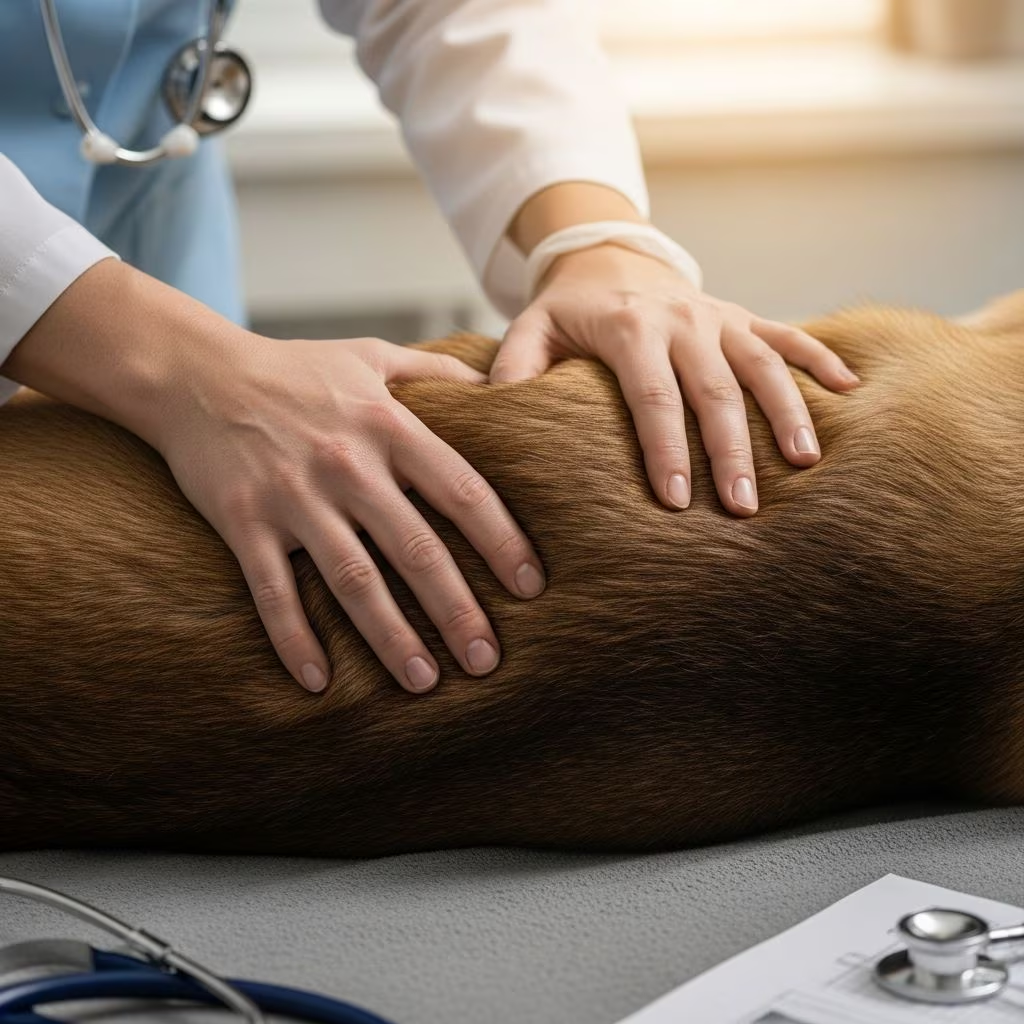
Lumbosacral stenosis represents a prevalent spinal condition that primarily affects dogs, particularly as they age. This disorder occurs when the spinal canal narrows in the region where the lumbar spine meets the sacrum, creating compression of critical nerve structures. The condition mirrors similar ailments seen in humans, such as sciatica or disc herniation, and can significantly impact a dog’s quality of life. Understanding this condition is essential for pet owners who want to recognize early warning signs and seek appropriate veterinary intervention.
What Exactly Is Lumbosacral Stenosis?
The lumbosacral region represents a crucial anatomical junction in the spine where the lowest lumbar vertebra connects with the sacrum. This area serves as a vital neural hub, housing nerve bundles collectively known as the cauda equina, which control sensation and motor function in the hind limbs and tail. When the space within this spinal canal becomes progressively narrower, the nerves contained within experience compression and irritation.
This narrowing process develops gradually over time as the spine undergoes degenerative changes. The compression of nerve structures disrupts normal neurological signaling, resulting in pain, weakness, and mobility challenges that can range from mild discomfort to severe functional impairment.
Understanding the Underlying Causes
Lumbosacral stenosis develops through multiple degenerative mechanisms that work in concert to reduce the available space for nerve structures:
- Intervertebral Disc Degeneration: The disc separating the lumbosacral vertebrae deteriorates over time, causing the disc material to protrude into the spinal canal and compress nerve roots.
- Ligament Hypertrophy: The ligaments that stabilize the lumbosacral junction, including the dorsal longitudinal ligament and ligamentum flavum, become thickened and encroach upon the spinal canal space.
- Articular Facet Degeneration: The small joints between vertebrae undergo degenerative changes, developing bone spurs and excessive bone growth that narrow the canal.
- Facet Joint Capsule Enlargement: The protective capsule surrounding these joints becomes hypertrophied, further contributing to canal narrowing.
- Vertebral Instability: Abnormal movement and instability along the spine can occur as the supporting structures weaken, causing inflammation of the spinal cord and surrounding musculature.
These degenerative processes typically develop gradually and are associated with aging, making lumbosacral stenosis predominantly a condition of senior dogs.
Identifying Affected Breeds and Risk Factors
While any dog can develop lumbosacral stenosis as they age, certain breeds demonstrate significantly higher susceptibility. Large and giant breed dogs face substantially elevated risk, with German Shepherds, Labrador Retrievers, and Rottweilers being particularly prone to developing this condition. The anatomical predisposition of these larger dogs may contribute to earlier onset and more severe manifestations.
Age represents the primary risk factor, as degenerative changes accumulate over time. Middle-aged to senior dogs, particularly those over seven years old, face increased vulnerability. However, breed predisposition can result in earlier presentation even in younger large breed dogs.
Recognizing Clinical Manifestations
Lumbosacral stenosis presents with a spectrum of clinical signs that vary based on disease severity and which nerve structures are affected. Pet owners should remain vigilant for the following indicators:
Mobility and Behavioral Changes
Among the most observable early signs is reluctance or inability to perform normal activities. Dogs may demonstrate unwillingness to jump onto furniture, climb stairs, or rise from a lying or sitting position. This reluctance often stems from pain rather than physical inability, as the dog anticipates discomfort associated with these movements.
Affected dogs frequently assume an abnormal stance with excessive flexion of the hip, stifle, and hock joints, creating a characteristic crouched position. Gait analysis may reveal a shortened, choppy stride with reduced weight-bearing on affected limbs.
Pain Manifestations
Back pain constitutes the most common clinical feature of lumbosacral stenosis. Dogs may vocalize spontaneously, groan during movement, or yelp unexpectedly. Pain intensification during physical activity or exercise represents a hallmark sign, with some dogs demonstrating exercise intolerance or reluctance to engage in normal play.
Hyperesthesia, or heightened sensitivity to touch in the lumbosacral region, is particularly significant. Dogs may vocalize or actively resist physical examination when the affected area is palpated, especially during spinal extension maneuvers.
Neurological Dysfunction
More severe cases manifest overt neurological signs. Hind limb weakness or lameness may develop, ranging from subtle gait changes to non-weight-bearing lameness in advanced cases. In extreme situations, proprioceptive deficits may cause abnormal paw placement or knuckling.
Tail abnormalities, including reduced tail movement or drooping, occur when sacral nerve roots experience compression. In severe cases, paralysis of the tail may result.
Urinary and Fecal Incontinence
When stenosis severely compresses sacral nerve roots, dogs may develop urinary dysfunction ranging from occasional leakage during sleep to constant urine dribbling. Some dogs experience urethral sphincter dyssynergia, where they initiate urination but cannot complete voiding normally. Fecal incontinence and abnormal defecation posturing may also occur in severe cases.
Diagnostic Approaches and Imaging
Accurate diagnosis requires integration of clinical history, physical examination findings, and advanced imaging studies.
Clinical Evaluation
Veterinarians begin with a thorough history and physical examination. Neurological examination findings can range from pain as the only finding to severe motor and sensory deficits. Palpation over the lumbosacral articulation typically elicits a painful response, which helps localize the problem area. Reflexes, muscle tone, and postural reactions are carefully assessed to determine the extent of neurological involvement.
Advanced Imaging Modalities
MRI (Magnetic Resonance Imaging) represents the gold standard diagnostic tool for lumbosacral stenosis, providing excellent visualization of soft tissue structures, disc herniation, ligament hypertrophy, and nerve compression. This imaging modality clearly demonstrates the extent of spinal canal narrowing and nerve root compromise.
CT (Computed Tomography) imaging offers alternative diagnostic capability, effectively visualizing bony changes such as bone spur formation, articular facet degeneration, vertebral canal narrowing, and osteophytosis.
Management Strategies: Conservative versus Surgical
Treatment approaches depend on disease severity, clinical signs, and response to initial management.
Conservative Management Approach
Many dogs with lumbosacral stenosis respond successfully to conservative treatment, avoiding the need for surgical intervention. Conservative management typically includes:
- Restricted activity and exercise limitation to minimize pain and inflammation
- Weight management programs, as excess body weight increases stress on the spine
- Appropriate pain medications, including nonsteroidal anti-inflammatory drugs (NSAIDs)
- Physical rehabilitation and therapeutic exercises to maintain muscle tone and flexibility
- Joint supplements containing glucosamine and chondroitin to support joint health
- Environmental modifications to reduce jumping, climbing, and other high-impact activities
Surgical Intervention
Surgery becomes necessary when conservative management fails to control clinical signs or when severe neurological deficits exist. Surgical procedures aim to decompress the affected nerve roots by removing the structures causing compression. This may involve removing disc material, ligamentous tissue, bone spurs, or other obstructive elements to restore adequate spinal canal space.
Living with and Managing the Condition
Dogs diagnosed with lumbosacral stenosis require ongoing management to maintain quality of life. Environmental modifications prove essential, including providing ramps or steps to prevent jumping on furniture, minimizing stair use, and ensuring comfortable bedding with good orthopedic support.
Regular veterinary monitoring allows assessment of disease progression and medication efficacy. Physical therapy and controlled exercise help maintain muscle strength and prevent atrophy while avoiding activities that exacerbate pain. Weight management remains critically important, as excess weight increases biomechanical stress on the compromised spine.
Frequently Asked Questions
Can lumbosacral stenosis be prevented?
While genetic predisposition and aging cannot be prevented, maintaining appropriate body weight, providing controlled exercise throughout a dog’s life, and avoiding excessive jumping or high-impact activities may help reduce the risk or delay onset in susceptible breeds.
Is lumbosacral stenosis painful?
Yes, pain is the most common manifestation of lumbosacral stenosis. Dogs experience discomfort in the lower back region, particularly during movement, activity, or when pressure is applied to the affected area.
What is the prognosis for dogs with this condition?
Prognosis varies depending on disease severity and response to treatment. Many dogs manage successfully with conservative therapy and maintain reasonable quality of life. Surgical intervention can provide significant relief when conservative management proves insufficient.
Are certain dog breeds more susceptible?
Yes, large breed dogs, particularly German Shepherds, Labrador Retrievers, and Rottweilers, demonstrate substantially higher prevalence rates.
Can incontinence be reversed?
Incontinence resulting from nerve compression may improve with surgical decompression if intervention occurs before permanent nerve damage develops. Conservative management alone is less likely to resolve established incontinence.
Conclusion
Lumbosacral stenosis represents a significant spinal condition affecting many aging dogs, particularly large breed animals. Early recognition of clinical signs and prompt veterinary evaluation enable timely intervention and better outcomes. Whether managed conservatively or surgically, many affected dogs can maintain satisfactory quality of life with appropriate care, pain management, and environmental modifications. Pet owners should remain observant for warning signs and work closely with veterinary professionals to develop individualized treatment plans tailored to their dog’s specific needs and disease severity.
References
- Lumbosacral Stenosis — North Downs Specialist Referrals. 2024. https://www.ndsr.co.uk/information-sheets/lumbosacral-stenosis/
- Degenerative Lumbosacral Stenosis in Dogs — DVM360. 2024. https://www.dvm360.com/view/degenerative-lumbosacral-stenosis-dogs
- Lumbosacral Stenosis in Dogs: What Every Pet Owner Should Know — Austin Canine Rehabilitation. 2024. https://www.austincaninerehab.com/blog/lumbosacral-stenosis
- Lumbosacral Disease (Cauda Equina Syndrome) in Dogs — VCA Animal Hospitals. 2024. https://vcahospitals.com/know-your-pet/lumbosacral-syndrome-in-dogs
- Canine Degenerative Lumbosacral Stenosis: Prevalence, Impact and Management — National Center for Biotechnology Information. PMC6875490. https://pmc.ncbi.nlm.nih.gov/articles/PMC6875490/
- Lumbosacral Disease — Dallas Veterinary Surgical Center. 2024. https://www.dvsc.com/lumbosacral-disease
- Owner Information Sheet: Degenerative Lumbosacral Stenosis — Anderson Moores Veterinary Specialists. 2021. https://www.andersonmoores.com/wp-content/uploads/2021/10/Owner-Information-Sheet-DLSS-with-formatting1.pdf



