

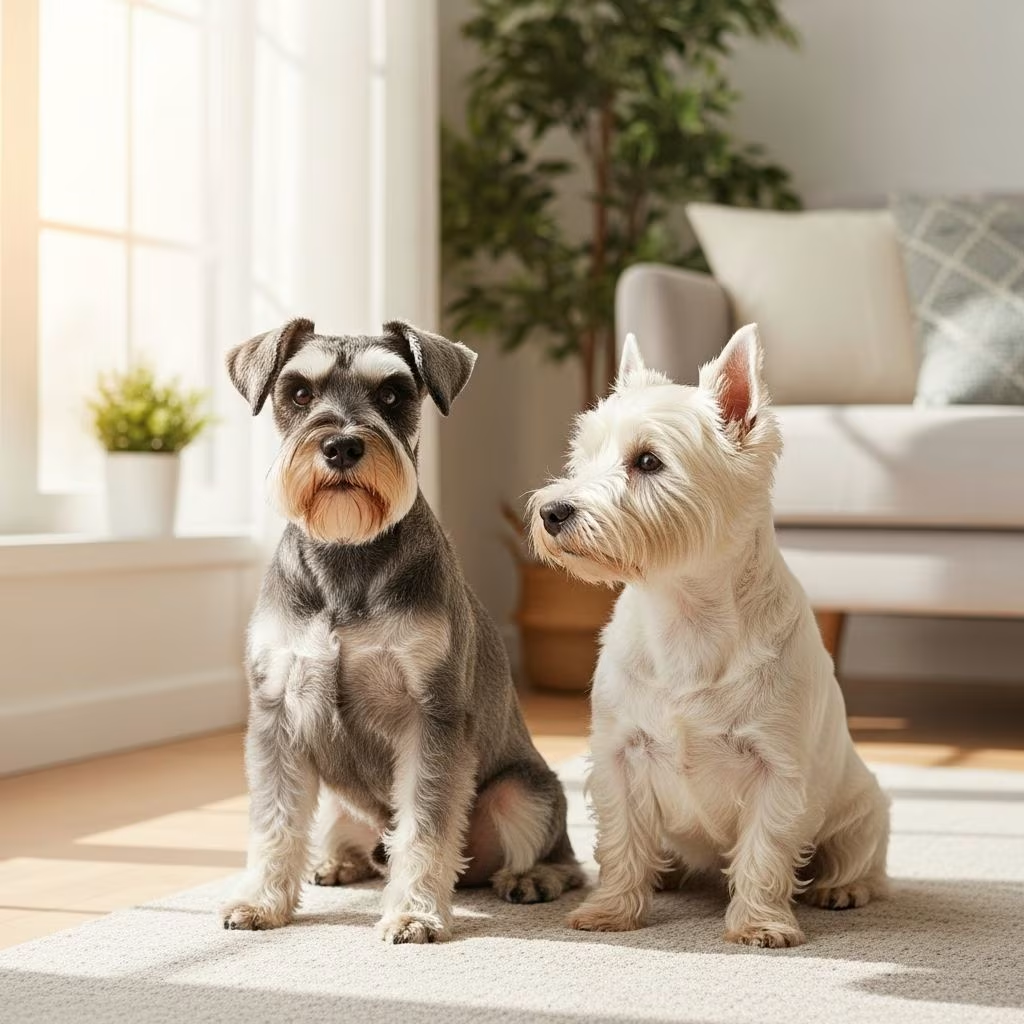
For individuals and families struggling with pet allergies or simply tired of constant fur cleanup, finding the right canine companion can feel like an impossible task. Many prospective dog owners assume they must choose between enjoying terrier breeds and managing excessive shedding. However, numerous terrier varieties possess coat characteristics that make them suitable for those seeking a four-legged friend without the accompanying fur tumbleweeds. Understanding which terrier breeds shed minimally opens up possibilities for allergy sufferers and cleanliness-conscious households.
Understanding Terrier Coat Types and Shedding Patterns
Terrier breeds exhibit tremendous diversity in their coat structures, which directly influences how much hair they shed throughout the year. The foundation of shedding behavior lies in understanding coat architecture. Some terriers inherit double coats, while others possess single-layer coats or specialized textures that trap loose hair rather than releasing it into your home.
The shedding cycle in dogs depends on several factors, including breed genetics, age, health status, nutrition, and seasonal changes. Terriers with wiry or curly coats typically shed less noticeably than those with smooth, short coats. This occurs because their coat structure naturally contains loose hair within the fur matrix rather than allowing it to fall freely. Additionally, breeds with continuously growing hair rather than cyclical shedding patterns prove advantageous for maintaining cleaner living spaces.
Small Terrier Breeds with Minimal Shedding
Among smaller terrier varieties, several stand out for their low-shedding characteristics while maintaining the spirited personality terriers are renowned for.
The Cairn Terrier
Dating back centuries as one of the oldest terrier classifications, the Cairn Terrier presents an intriguing paradox. Despite their shaggy double-coat appearance, these diminutive dogs shed remarkably little hair. Their wiry texture naturally resists excessive hair loss. Owners should implement weekly brushing routines and monthly bathing schedules, supplemented by occasional hand-stripping to maintain coat texture and health. This moderate grooming investment prevents matting while supporting their naturally low-shedding characteristics.
The West Highland White Terrier
Westies, as enthusiasts affectionately call them, combine confident personalities with gloriously white coats that shed minimally. Their short, double-layered fur structure contributes to reduced hair distribution throughout the home. Regular brushing maintains coat quality and further minimizes shedding. These spirited companions adapt well to various living situations while bringing substantial personality to any household.
The Bedlington Terrier
Often mistaken for lambs due to their distinctive woolly appearance, Bedlington Terriers represent a unique low-shedding option. Their thick, curly coat requires daily brushing and monthly professional haircuts, but the investment pays dividends in minimal household shedding. Despite grooming demands, owners appreciate the reduced fur cleanup and the breed’s intelligent, trainable nature.
Medium-Sized Low-Shedding Terrier Options
Larger terrier breeds also offer low-shedding alternatives for households with space and families seeking sturdier companions.
The Wheaten Terrier
The Soft-Coated Wheaten Terrier earned its name from its distinctive silky, wheat-colored coat that sheds minimally. These loyal, affectionate companions possess exceptional temperaments and retain their fur effectively. However, regular grooming becomes essential to prevent matting and maintain coat health. Weekly brushing sessions combined with professional grooming appointments keep these dogs looking pristine while managing shedding.
The Airedale Terrier
As the largest recognized terrier breed, the Airedale combines low-shedding qualities with a protective wiry double coat. Their coat structure, evolved to withstand harsh outdoor conditions, naturally resists excessive hair loss. Airedale owners must commit to daily brushing and professional grooming appointments several times yearly for hand-stripping or clipping. This maintenance requirement reflects the breed’s grooming needs rather than indicating problematic shedding.
The Kerry Blue Terrier
These medium-sized terriers boast distinctive blue-gray coats that shed minimally, though they demand substantial grooming attention. The grooming tradeoff proves worthwhile for families prioritizing reduced household shedding. Their alert, intelligent temperament makes them rewarding companions for active households.
Specialized Coat Characteristics in Low-Shedding Terriers
Several coat characteristics contribute to minimal shedding across terrier breeds:
- Wiry Texture: Rough, wiry coats trap loose hair effectively, preventing it from falling freely throughout the home
- Curly or Wavy Structure: Curled hair strands tangle together, creating a natural barrier against shed fur escape
- Continuous Growth Cycle: Some terrier coats grow continuously without substantial seasonal shedding periods
- Dense Double Coats: Tightly packed undercoat layers contain loose hair within the coat structure
- Single-Layer Coats: Certain breeds possess only one coat layer, resulting in naturally lower shedding volumes
Grooming Requirements and Maintenance Strategies
Low-shedding status does not equate to low-maintenance status. Most terrier breeds with minimal shedding require dedicated grooming efforts to maintain their coat health and manage loose hair within the coat structure effectively.
Regular Brushing Protocols
Brushing frequency varies significantly among breeds. Standard recommendations range from weekly sessions for breeds like Wheaten Terriers to daily brushing for Airedales and Bedlington Terriers. Regular brushing removes loose hair before it falls naturally, reducing household shedding while distributing natural skin oils throughout the coat. Invest in appropriate brushes for your specific terrier’s coat type—slicker brushes for curly coats, wire-pin brushes for wiry textures, and metal combs for dense coats.
Professional Grooming Appointments
Many low-shedding terrier breeds require professional grooming every 4-12 weeks, depending on coat type and growth rate. Hand-stripping, a specialized technique that removes dead hair by hand rather than clipping, proves particularly beneficial for maintaining wiry coat texture and minimizing shedding. Professional groomers possess expertise in these specialized techniques that most home grooming cannot replicate.
Bathing Schedules
Monthly bathing helps maintain skin health and supports the grooming process. Proper shampooing and conditioning during baths encourage loose hair removal while nourishing the coat. Some breeds benefit from bathing every 4-8 weeks, while others require less frequent washing. Consult breed-specific guidelines and your veterinarian regarding optimal bathing frequency for your terrier.
Health Considerations for Shedding Reduction
Beyond grooming, several health factors influence shedding patterns. Proper nutrition provides the foundation for healthy skin and coat. Diets rich in omega-3 and omega-6 fatty acids support coat quality and may reduce excessive shedding. Ensuring adequate protein intake helps maintain hair structure and growth cycles.
Hydration plays an equally important role in skin and coat health. Dogs receiving insufficient water may experience dry skin conditions that trigger increased shedding. Regular veterinary checkups identify underlying health issues that might contribute to abnormal hair loss. Allergies, parasites, hormonal imbalances, and skin infections can all increase shedding beyond normal levels, so addressing these conditions through veterinary care remains essential.
Comparing Terrier Shedding to Other Breeds
| Breed Type | Shedding Level | Grooming Frequency | Best For |
|---|---|---|---|
| Low-Shedding Terriers | Minimal | Weekly to Monthly | Allergy-prone households, cleanliness-conscious owners |
| Moderate-Shedding Terriers | Moderate | Monthly to Quarterly | Families accepting occasional grooming |
| Heavy-Shedding Breeds | Significant | Seasonal intensive care | Outdoor-oriented families with grooming tolerance |
| Double-Coated Shedders | Heavy | Daily during seasons | Dedicated grooming enthusiasts |
Living with Low-Shedding Terriers: Practical Tips
Bringing a low-shedding terrier into your home requires understanding both the benefits and responsibilities associated with these particular breeds. While shedding reduction represents a significant advantage, the grooming commitments remain substantial for most varieties.
Establish consistent grooming schedules and maintain them religiously. Missing appointments allows loose hair to accumulate within the coat, potentially leading to matting and skin issues. Budget appropriately for professional grooming services, as hand-stripping and specialized techniques command premium prices justified by their expertise and results.
Invest in quality grooming tools suited to your terrier’s specific coat type. Inadequate brushes fail to reach undercoat layers where loose hair accumulates. Conversely, proper equipment makes grooming sessions more effective and enjoyable for both you and your terrier.
Recognize that no dog breed truly qualifies as completely hypoallergenic or entirely non-shedding. Low-shedding terriers minimize shedding rather than eliminating it completely. Even with dedicated grooming, some loose hair will always escape. However, compared to heavy-shedding breeds, the difference proves dramatic and life-changing for allergy sufferers.
Selecting the Right Low-Shedding Terrier for Your Household
Choosing an appropriate terrier breed requires considering multiple factors beyond shedding characteristics. Evaluate your living situation, exercise capacity, time availability for grooming, and family structure. Small terriers like Cairn Terriers and West Highland White Terriers suit apartment living and require moderate exercise. Medium breeds like Wheaten Terriers need regular outdoor activity but remain manageable for most families. Larger Airedales demand substantial exercise and space but reward dedicated owners with unparalleled loyalty.
Consider your allergies specifically. Some individuals react to dog dander, saliva, or urine rather than shed hair itself. In these cases, low-shedding breeds provide benefits but may not completely eliminate allergic reactions. Spending time with the specific breed before committing helps identify potential issues.
Common Questions About Low-Shedding Terriers
Do low-shedding terriers truly shed nothing?
No dog breed sheds absolutely nothing. Low-shedding terriers minimize hair loss significantly but still shed some hair, particularly during seasonal transitions. The reduced shedding compared to heavy-shedding breeds proves substantial enough to benefit allergy sufferers and maintain cleaner living spaces.
Are grooming costs prohibitive for low-shedding terrier ownership?
Professional grooming expenses vary by location and breed but typically range from moderate to significant. Many owners balance costs by learning basic maintenance grooming while reserving professional hand-stripping for specialists. DIY grooming between professional appointments reduces overall expenses.
Can I avoid professional grooming for these breeds?
While some low-shedding terriers tolerate at-home grooming exclusively, professional expertise proves invaluable for maintaining coat health and texture. Hand-stripping particularly benefits from professional technique. Attempting advanced grooming without training may damage the coat or harm your terrier’s skin.
Which low-shedding terrier requires the least grooming?
West Highland White Terriers and some Cairn Terrier variations demand less intensive grooming than Airedales or Bedlingtons. However, all low-shedding terriers require regular attention to prevent matting and maintain coat health.
References
- Dogs That Don’t Shed A Lot — Rover.com. 2024. https://www.rover.com/uk/blog/dogs-that-dont-shed/
- 25 Dog Breeds That Don’t Shed a Lot — Chewy Education. 2024. https://www.chewy.com/education/dog/general/dog-breeds-that-dont-shed
- Top 10 Low-Shedding Dog Breeds and Their Grooming Requirements — Supertails. 2024. https://supertails.com/blogs/posts/top-10-low-shedding-dog-breeds-and-their-grooming-requirements
- All Low-Shedding Dog Breeds — Purina. 2024. https://www.purina.com/dogs/dog-breeds/collections/low-shedding-dog-breeds
- Hypoallergenic Dogs — American Kennel Club. 2024. https://www.akc.org/dog-breeds/hypoallergenic-dogs/



