

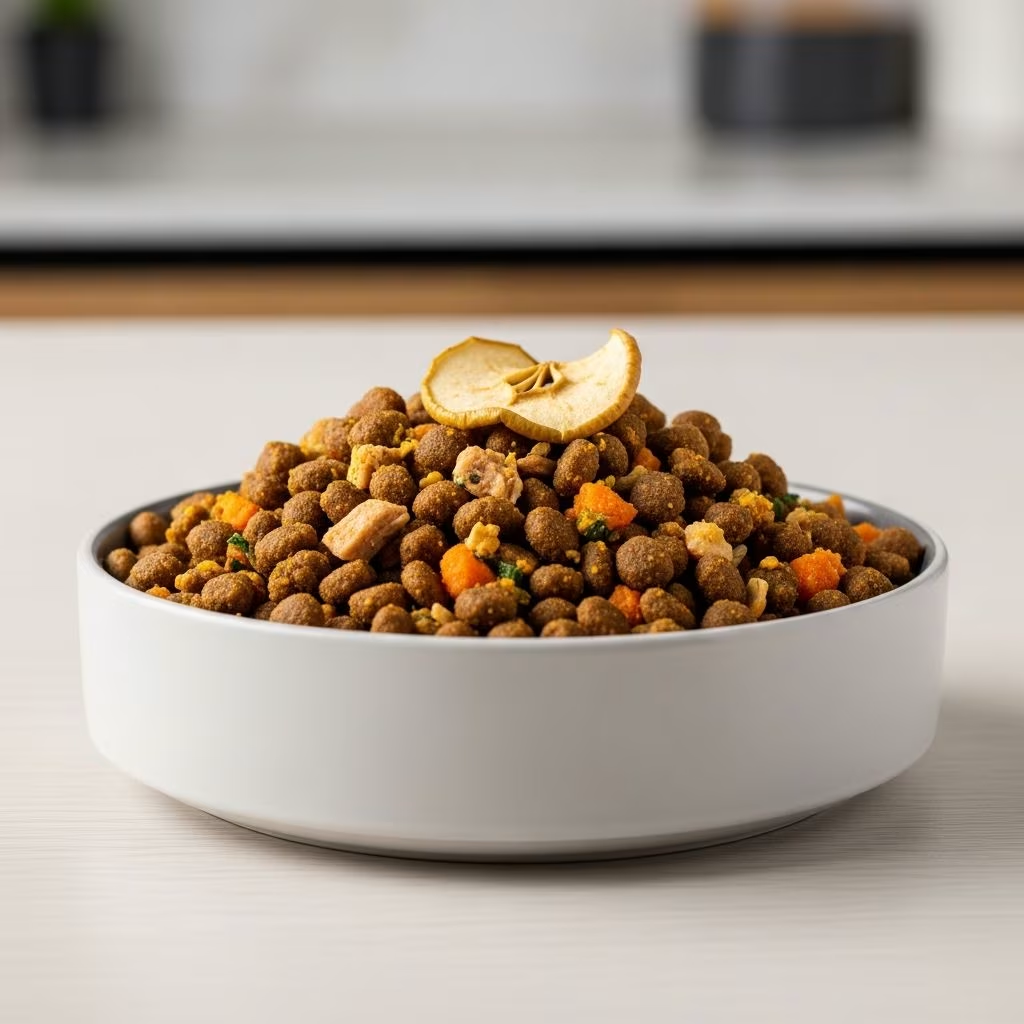
Low residue dog food minimizes undigested material in the gut, leading to smaller stool volumes and less strain on the digestive system. This specialized nutrition supports dogs with gastrointestinal challenges by prioritizing highly digestible ingredients.
Understanding Residue in Canine Diets
In canine nutrition, residue refers to the indigestible parts of food that pass through the intestines and form stool. Low residue formulas reduce this by using ingredients that break down almost completely, resulting in firmer, smaller feces and easier cleanup for owners.
Unlike standard kibble with high fiber fillers, these diets ease the gut’s workload. They are particularly useful during recovery from inflammation or irritation, allowing the intestines to heal without excess bulk.
Core Benefits for Digestive Wellness
Switching to low residue food offers multiple advantages for dogs prone to tummy troubles:
- Reduced Stool Output: Less waste means fewer bathroom breaks and simpler yard maintenance.
- Improved Nutrient Uptake: Digestible components ensure vitamins, proteins, and minerals absorb efficiently.
- Gut Rest and Repair: Minimizes irritation for conditions like colitis or pancreatitis.
- Gas and Bloating Relief: Fewer undigested nutrients reach the colon, starving gas-producing bacteria.
These benefits shine in adult dogs recovering from acute issues, promoting faster return to normal eating patterns.
Ideal Ingredients for Low Residue Formulas
Quality low residue dog foods select components for maximum digestibility:
| Category | Examples | Benefits |
|---|---|---|
| Proteins | Lean chicken, turkey, fish, eggs | Complete amino acids, easy breakdown, muscle support |
| Carbohydrates | White rice, sweet potatoes, brown rice (moderate) | Quick energy, low bulk formation |
| Fats | Fish oil, algae oil (low levels) | Omega-3s for inflammation control |
| Fiber | Soluble fiber sources only | Stool firming without irritation |
Avoid by-products, excessive preservatives, and insoluble fibers like those in some grains or veggies, as they increase residue.
Many formulas add prebiotics and probiotics to foster beneficial gut bacteria, enhancing overall digestion.
When to Consider a Low Residue Diet
Veterinarians often recommend this diet for specific scenarios:
- Acute colitis or pancreatitis flares
- Chronic constipation or irregular stools
- Sensitive stomachs with vomiting or flatulence
- Post-surgical gut recovery
- Food intolerances causing loose stools
Not ideal for puppies, whose growth demands higher fiber, or healthy dogs without issues. Always transition gradually over 7-10 days to prevent upset.
Prescription vs. Over-the-Counter Options
Prescription low residue diets from vets guarantee precise formulations for therapeutic use. They often include hydrolyzed proteins to reduce allergies and are tested for digestibility.
Commercial options mimic these traits with natural ingredients. Check labels for:
- Crude fiber under 3-4%
- High digestibility ratings (over 85%)
- Named meat meals as first ingredients
For raw or home-cooked versions, boil lean meats with rice and mashed carrots, consulting a vet for balance.
Implementing the Diet Successfully
Start with vet approval to rule out underlying conditions. Feed measured portions 2-3 times daily to maintain steady digestion. Monitor stool quality, energy, and coat condition weekly.
Hydration is key—ensure fresh water access, as low residue foods can be drier. Combine with light exercise to stimulate gut motility without stress.
If symptoms persist after 2-4 weeks, reassess with your vet. Some dogs thrive long-term, others use it short-term before regular food.
Potential Drawbacks and Precautions
While effective, low residue diets aren’t perfect:
- May lack fiber for long-term colon health if overused
- Calorie-dense, risking weight gain
- Not suitable for obese dogs needing bulk
Balance with vet guidance. Recent studies affirm short-term use for GI recovery, emphasizing digestibility over fiber restriction.
Real-World Success Stories
Owners report dramatic improvements: one dog’s colitis resolved with half the stool volume after two weeks on a prescription formula. Another saw flatulence vanish as nutrients absorbed pre-colon.
These align with veterinary insights: dietary shifts like low residue often resolve mild issues without meds.
Frequently Asked Questions
What exactly makes food ‘low residue’ for dogs?
It features highly digestible carbs, proteins, and low insoluble fiber to cut undigested waste.
Can all dogs eat low residue food?
Best for adults with GI issues; puppies and healthy seniors may need more fiber.
How long should my dog stay on this diet?
Typically 4-8 weeks for recovery, then transition if resolved. Chronic cases may need ongoing.
Does it help with pancreatitis specifically?
Yes, low fat reduces pancreatic strain while aiding digestion.
Are there homemade low residue recipes?
Yes, like boiled chicken, white rice, and pumpkin—but get AAFCO balancing from a vet.
Choosing the Best Product
Scan guarantees: protein 20-30%, fat under 10%, fiber 2-4%. Third-party testing (e.g., AAFCO) ensures safety. Fresh or gently cooked options preserve nutrients better than extruded kibble.
For pancreatitis-prone breeds like Schnauzers, prioritize fish-based low-fat blends. Consult nutritionists for custom plans.
References
- What Is Low Residue Dog Food | JustFoodforDogs Blog — JustFoodForDogs. 2023. https://blog.justfoodfordogs.com/low-residue-dog-food.html
- What Is Low Residue Dog Food? | JustFoodforDogs Blog — JustFoodForDogs. 2023. https://blog.justfoodfordogs.com/what-is-low-residue-dog-food.html
- Feeding Our Dogs: What Is a Low Residue Diet? — Nextrition Pet. 2024. https://www.nextritionpet.com/blogs/nutrition/feeding-our-dogs-what-is-a-low-residue-diet
- Flatulence in Dogs – Dunkin Veterinary Hospital — Dunkin Veterinary Hospital. 2023. https://www.dunkinvethospital.com/syncontentShare.pml?syncontent=1120
- Nutritional Management for Gastrointestinal Disease in Dogs & Cats — Today’s Veterinary Practice. 2022. https://todaysveterinarypractice.com/nutrition/gastrointestinal-disease-diets-dogs-cats/
- Low-Residue and Low-Fiber Diets in Gastrointestinal Diseases — PMC (NCBI). 2015-10-15. https://pmc.ncbi.nlm.nih.gov/articles/PMC4642427/



