

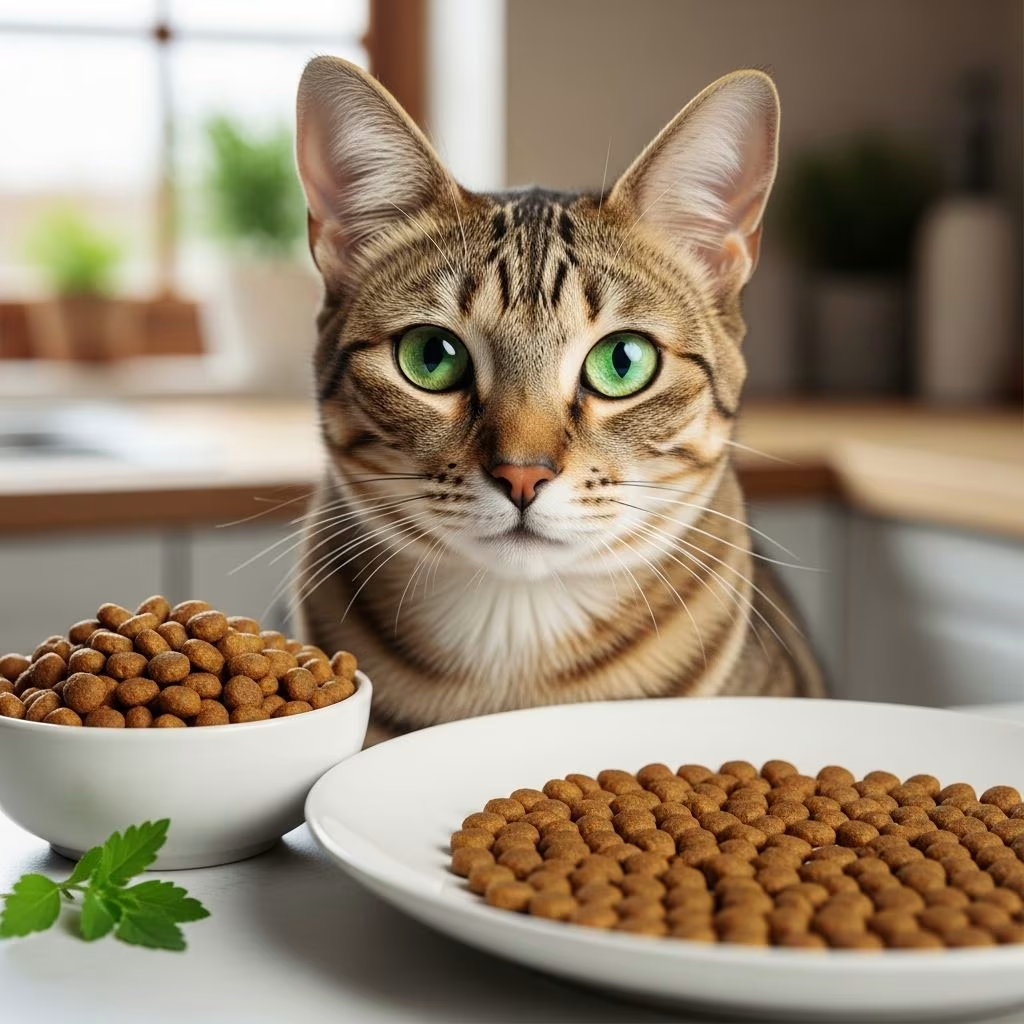
Cats, like humans, can experience digestive challenges that require specialized dietary interventions. One increasingly recognized approach to managing feline gastrointestinal health involves the use of low-residue cat food formulations. Unlike conventional pet diets, low-residue foods are engineered to minimize the amount of undigested material that passes through a cat’s intestinal tract, thereby reducing stress on the digestive system and promoting better overall gastrointestinal function.
What Is Low-Residue Cat Food?
Low-residue cat food is specifically formulated to contain highly digestible ingredients that leave minimal undigested material in the digestive tract. The term “residue” refers to the amount of fecal matter produced after digestion. By selecting ingredients that are easily broken down by feline digestive enzymes, low-residue diets significantly decrease the volume of waste moving through the colon, which can be particularly beneficial for cats experiencing specific gastrointestinal conditions.
These specialized formulations focus on quality protein sources and carefully selected carbohydrates that felines can process efficiently. The goal is to provide complete nutrition while minimizing the burden on the digestive system, allowing the intestines to function optimally without being overwhelmed by excessive undigested material.
The Digestive Challenge and Why Low-Residue Matters
Cats possess a relatively short digestive tract compared to herbivores, reflecting their evolutionary role as carnivores. This anatomical feature means that feline digestive systems are optimized for processing animal proteins rather than plant-based materials. When cats consume foods with high levels of indigestible components, their intestines must work harder to move waste through the system, potentially triggering inflammation or exacerbating existing gastrointestinal problems.
Low-residue diets address this challenge by emphasizing ingredient quality and digestibility. When the intestinal tract receives highly digestible nutrients with minimal residual bulk, the overall workload on the digestive system decreases, reducing complications associated with undigested food accumulation and subsequent osmotic imbalances.
Key Conditions Managed Through Low-Residue Feeding
Megacolon and Constipation Management
Megacolon is a condition characterized by an enlarged and weakened colon that loses its ability to contract effectively, making bowel movements increasingly difficult. Veterinarians have observed that dietary management plays a crucial role in controlling this condition. While high-fiber diets were traditionally recommended, emerging evidence suggests that low-residue diets combined with stool softeners may provide superior outcomes by reducing the volume of fecal material the colon must process.
By limiting residue production, these diets decrease the amount of stool that accumulates in the colon, thereby reducing the mechanical stress on an already compromised organ. This approach allows the colon to function more effectively without becoming excessively distended.
Chronic Diarrhea and Intestinal Inflammation
Cats with chronic diarrhea often struggle with bacterial imbalances and intestinal inflammation. Low-residue formulations can help stabilize the intestinal environment by reducing the amount of material available for fermentation by problematic bacteria. Additionally, these diets typically include limited protein sources that minimize exposure to potential dietary triggers, allowing the inflamed intestinal lining to heal.
Post-Surgical Recovery and GI Sensitivity
Following gastrointestinal surgery or procedures, cats require nutrition that places minimal stress on healing tissues. Low-residue diets provide the necessary nutrients for recovery while avoiding the inflammatory stimulation that excessive dietary residue might cause.
Essential Features of Quality Low-Residue Formulations
Highly Digestible Protein Sources
The protein component of low-residue cat food must be both high-quality and easily digestible. Limited protein sources—such as single meat proteins like chicken or turkey—reduce the likelihood of adverse reactions while ensuring efficient amino acid absorption. These carefully selected proteins provide essential nutrients without leaving excessive undigested residue.
Optimized Fat Content
Medium fat levels with highly digestible fat sources help meet cats’ specific nutritional needs while maintaining digestive comfort. Fats that are easily emulsified and absorbed reduce intestinal stress and support proper nutrient assimilation without promoting excessive fecal bulk.
Controlled Carbohydrate Selection
Low-residue formulations carefully control carbohydrate content, selecting types that cats can efficiently digest. This approach minimizes undigested carbohydrate material that might ferment in the colon or trigger osmotic diarrhea.
The Science Behind Digestibility and Residue Reduction
When cats consume food, their digestive system breaks down nutrients through enzymatic action and mechanical processing. Highly digestible ingredients mean that more of the consumed food is absorbed into the bloodstream as usable nutrition, with less material remaining to be excreted. This fundamental principle underpins the effectiveness of low-residue diets.
The colon plays a critical role in water reabsorption and final stool formation. When fewer residues enter the colon, the organ requires less activity to produce normal stool consistency, allowing a compromised colon to function more comfortably and efficiently. This becomes especially important for cats with megacolon or other motility disorders.
Comparing Low-Residue and High-Fiber Approaches
| Dietary Approach | Primary Function | Best For | Stool Volume |
|---|---|---|---|
| High-Fiber Diet | Increases bulk to promote colon motility | Mild constipation, weight management | Increases significantly |
| Low-Residue Diet | Reduces workload through minimal residue | Megacolon, severe constipation, inflammation | Decreases substantially |
The choice between high-fiber and low-residue feeding depends on individual cat circumstances. While high-fiber diets can help cats with mild digestive issues and weight concerns by promoting feelings of fullness, low-residue diets serve cats with more serious gastrointestinal conditions requiring reduced intestinal burden.
Nutritional Completeness in Low-Residue Formulations
A critical consideration for any therapeutic diet is ensuring complete and balanced nutrition. Quality low-residue cat foods incorporate all essential vitamins, minerals, and amino acids cats require despite using a limited ingredient palette. Manufacturers achieve nutritional completeness through careful formulation and strategic supplementation, ensuring that the digestive benefits don’t come at the expense of overall health.
These formulations should include appropriate levels of taurine, an essential amino acid for feline heart and eye health, along with balanced calcium and phosphorus ratios to support bone health and prevent urinary complications.
Transitioning to Low-Residue Nutrition
When introducing a low-residue diet, gradual transition is essential to prevent additional digestive upset. Most veterinarians recommend mixing increasing proportions of the new food with the cat’s current diet over 7-10 days, allowing the digestive system to adapt to the new ingredients and nutrient profile. This measured approach helps stabilize stool consistency and minimizes transition-related diarrhea or constipation.
Additional Benefits Beyond Symptom Management
Beyond addressing specific gastrointestinal conditions, low-residue diets offer secondary benefits. By promoting a healthy intestinal microflora through specific substrates that encourage beneficial bacteria growth, these formulations support immune function and overall systemic health. Additionally, reduced intestinal inflammation can improve nutrient absorption efficiency, leading to better overall nutritional status despite the limited ingredient list.
Frequently Asked Questions
Is low-residue food appropriate for all cats?
No. Low-residue diets are therapeutic formulations designed for cats with specific gastrointestinal conditions. Healthy cats typically thrive on standard complete and balanced diets. Use low-residue food only under veterinary guidance.
How long should a cat remain on a low-residue diet?
Duration depends on the condition being managed. Some cats may require long-term dietary management, while others might transition to regular food after acute conditions resolve. Your veterinarian can provide specific recommendations for your cat’s situation.
Can low-residue food help with weight management?
While soluble fibers can increase satiety with fewer calories, low-residue diets are primarily designed for digestive health rather than weight loss. Discuss weight management strategies with your veterinarian.
What should I do if my cat doesn’t like the new food?
Palatability varies between individual cats. Work with your veterinarian to identify alternative low-residue formulations or discuss alternative therapeutic approaches if acceptance remains problematic.
Working With Your Veterinarian on Diet Selection
Selecting the appropriate low-residue formulation requires professional guidance. Veterinarians assess individual cat circumstances—including the specific gastrointestinal condition, overall health status, age, and any concurrent medical issues—to recommend the most suitable dietary option. Regular monitoring and follow-up appointments help ensure the chosen diet effectively manages symptoms while maintaining optimal nutrition.
Your veterinarian may recommend specific commercial formulations from established pet food manufacturers that have formulated therapeutic diets meeting stringent digestibility and nutritional standards, or may suggest prescription diets formulated under pharmaceutical-grade quality control.
Conclusion
Low-residue cat food represents an important therapeutic nutritional tool for managing various feline gastrointestinal conditions. By prioritizing ingredient digestibility and minimizing intestinal workload, these specialized diets help cats with megacolon, severe constipation, chronic diarrhea, and other digestive challenges achieve improved comfort and better gastrointestinal function. When prescribed appropriately and introduced gradually under veterinary supervision, low-residue nutrition can significantly enhance quality of life for cats facing digestive difficulties, allowing them to maintain proper nutrition while managing their conditions effectively.
References
- FELINE EN Gastrointestinal Diet — Purina Veterinary Diets. February 2007. https://vetcentre.purina.co.uk/sites/default/files/product_materials_pdf/vpg-en-feline-0105.pdf
- Megacolon and Diet — Catwatch Newsletter, Cornell University College of Veterinary Medicine. https://www.catwatchnewsletter.com/health/disease/megacolon-and-diet/
- Feline Constipation and Megacolon — Purina Institute. https://www.purinainstitute.com/centresquare/therapeutic-nutrition/feline-constipation-and-megacolon
- Do Cats Need Fiber in Their Diet? — PetMD. https://www.petmd.com/cat/nutrition/do-cats-need-fiber-in-diet
- Feeding Your Cat — Cornell University College of Veterinary Medicine. https://www.vet.cornell.edu/departments-centers-and-institutes/cornell-feline-health-center/health-information/feline-health-topics/feeding-your-cat



